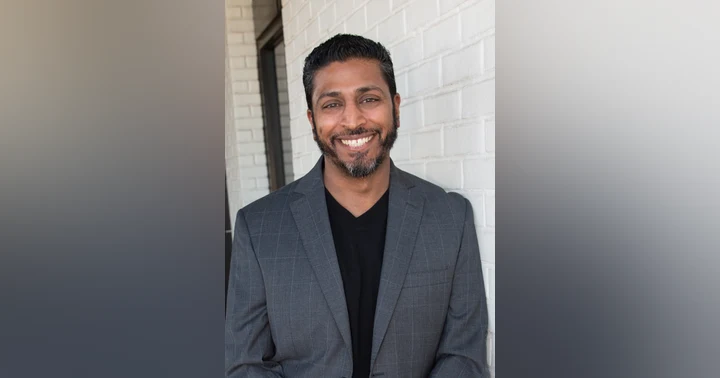
George Pottenkulam: Buyer's Agent Team Lead
George Pottenkulam is a lead buyer's agent with one of the top real estate teams in northeast Florida, and he is a cornerstone of the Welch team. Today we'll uncover his career path, how he manages his team, and how he approaches selling homes during...


George Pottenkulam is a lead buyer's agent with one of the top real estate teams in northeast Florida, and he is a cornerstone of the Welch team. Today we'll uncover his career path, how he manages his team, and how he approaches selling homes during the busiest time of year. He will also show how important it is to maintain a good relationship with your sphere of influence and how slowly starting out can help you build relationships and develop a sphere of influence. This can be done through activities such as volunteering, attending community events, and reaching out to people you know. Once these relationships are built, the agent can then focus on selling properties. George will also share some tips on how to manage your agents best and how to keep them motivated and focused.
[00:01 - 13:49] Opening Segment
- Introducing George to the show
-
- Brief background
- The importance of communication and loyalty in the real estate industry
- The importance of networking in the retail industry
[13:50 - 29:11] Mindset of a New Agent
- Coming in every day to make phone calls
- The importance of showing up
- Treating real estate as a regular career
- George shares the challenges that agents face every day
- George's tips for new agents
-
- Letting people know why you're there
- Managing your sphere and following up with them
[29:12 - 39:47] Common Mistakes that Agents Make
- Doing it alone hinders your ability to push yourself more
- Reaching out to vendors and making sure timelines are not missed
- George shares how the majority of his day is dedicated to helping agents get better
- How listening to podcasts can help you grow
[39:47 - 50:41] Team Growth through Education and Consistency
- George shares their weekly training series and its purpose
- The important everyday practices that need consistency in order to take effect
- Building each other up because nobody wants to see each other fail
- George shares retention now versus in 2015
- Importance for new agents to hang out with other successful agents
-
- Different people with a different career approach but a similar mindset
- Finding out what works best for you
[50:42 - 60:07] The Welch Team and George's Tips for Agents
- George shares some qualities that are fit with the Welch team
- George's tips for new real estate agents
-
- Find a team that works well for you
- Do not get comfortable with what you're doing
[60:08 - 63:31] Closing Segment
- The importance of loyalty in agents
- See the links below to connect with George
- Final words
Quotes:
"The only way we're ever going to expand our knowledge is to expand our base. And that's what's most important for anybody who is any business." - George Pottenkulam
"If you're new to real estate, find a team that works well for you because that is your easiest way to learn, educate, experience everything that you're going to need to be successful in real estate." - George Pottenkulam
Connect with George through LinkedIn, Facebook, and YouTube, or email him at george@welchteam.com.
SUBSCRIBE & LEAVE A 5-STAR REVIEW as we discuss real estate excellence with the best of the best!
- Join our community at www.tracyhayespodcast.com
- Email Tracy.Hayes@jethl.com to get in touch with me
- Connect with me on Facebook and LinkedIn.
- Check out Jet HomeLoans, LLC and get top-flight resources and first-class service in buying your house!
Are you ready to take your real estate game to the next level? Look no further than Real Estate Excellence - the ultimate podcast for real estate professionals. From top agents and loan officers, to expert home inspectors and more, we bring you the best of the best in the industry. Tune in and gain valuable insights, tips, and tricks from industry leaders as they share their own trials and triumphs. Whether you're a seasoned pro or just starting out, a homebuyer or seller, or simply interested in the real estate industry, Real Estate Excellence has something for you. Join us and discover how to become a true expert in the field.
The content in these videos and posts are for informational and educational purposes only. The information contained in the posted content represents the views and opinions of the original creators and does not necessarily represent the views or opinions of Townebank Mortgage NMLS: #512138.
Tracy Hayes 1:03
Hey, welcome back to The Real Estate excellence podcast. Your host. Tracy Hayes, welcome to our one year anniversary show. One year ago, I published the first episode with our good friend cecy Underwood of Keller Williams, and today we're at episode 71 my guest today is a lead buyer's agent for one of the top real estate teams in Northeast Florida. With over a decade of experience, he has been mentoring, leading and producing other agents, great agents, while still keeping his own production at a high level. He's a right hand man of the top Lady of the real estate, Christina Welch team, Welch team, which he is the cornerstone of the Welch team, or a cornerstone, I'll say, I'll say a chord. It will say a cornerstone. We don't want to put Kelly out there. All right, let's welcome George putt Kellen to the show. Hi everyone. Hey, Georgia. I'm so glad you come on. And this is our one year anniversary show, and and we're and I'm in transition again. I remember I had Christina. She was episode number two, and it was in my office, and then we went to our nicer set at my previous location with Kelly. She got to sit in nice chairs. We're almost there. We're going to do some decorating in here, and possibly the sound. This is our first episode. Is this transitioning studio. So bear with us on that. But I've known George pretty much your whole real estate career, because obviously I was, I already knew Christina before that, and when you joined her team was like 2011 12 time period.
George Pottenkulam 2:26
Yes, 2011 is when, when she started the team, and I joined right off the bat. And then I took, I was still part time agent for a little while. So yeah, I think we went in 2012 Yeah, yeah.
Tracy Hayes 2:32
Because you know I was working, I was still working at Quicken Loans At the time, and you guys were getting those leads and so forth coming from them so and George is really, I really admire you and what you and Kelly and Christina have formed over there. I know you have other kind of, I'll call them sub leaders, but you guys were, you guys are the foundation of that triumvirate of wealth team,
George Pottenkulam 3:00
yes, I mean, between Christina, obviously runs the whole team. I mean, that's, that's, that's her main focus is to make sure we move forward as much as we can every single day. Kelly and I kind of take your take over some of the buyer and the sales side of it, and then we have Kathy that sits and takes over the transaction side. So yeah, between the four of us, yes, it is a massive team to oversee, right?
Tracy Hayes 3:24
So we'll dig into the breakdown of exactly what you do. But George, give us a little background. You know, where are you from? And I know you eventually you went to UNF, kind of tell us a little about that.
George Pottenkulam 3:34
Yes. Well, I was born in India. I grew up in the Middle East, in Dubai, when Dubai was still a small little town. I was there in the 80s and 90s. Graduated high school from there, and then I moved to the States to go to college, kind of most people do, and started down in Daytona for a couple years. Realized, you know, 1718, year old in Daytona Beach isn't quite the perfect place to go to college, you know, if you want to get an education.
George Pottenkulam 4:04
So I then transferred up here to UNF, and I had a friend of mine that was going here to UNF, and he suggested to check it out. And I did. And it was small campus back then, in 2000 when I moved here. But, I mean, it's since then, in the last 20 years that has blown up. So great school, great campus. Loved going there. I was on the fast track myself, so I just wanted to get done, get my degree and move forward. So I was there from 2000 to 2003 graduated in December, so just made sure I pushed through everything as soon as I could. What was your vision at this time of what you wanted to do? Well, I've always, you know, business management was my degree, and that's what I always wanted to do of some sort, you know, run a business, own a business, and it just had no idea what that was going to be in. So that's what kind of led me into my first job. At the time, I worked part time, well, full time, at several different calls.
George Pottenkulam 5:00
Centers, T, mobile, ADT, and did a few things, just whatever worked into my school schedule. So go to school, whether it be in morning to the afternoon, and then work for, you know, eight hours after that, and I would just change my schedule everywhere every every semester. So once I graduated, I started working for her to run a car and went into their management training program. You know, perfect thing for any new fresh I think Christina went to enterprise, right? She went to hertz too. She went to hertz too. That's actually where we met. So we met in 2004 she ran, she was working in the beaches office. I was working off of Atlantic Boulevard. We quickly, within that first year, I think we both got to a management position. So I ran the Atlantic Boulevard location. She ran Jacksonville Beaches and saw grass and a couple other locations around there. We got to know each other just hanging out, trading cars. Yeah, pretty much we got it was one of those things where, hey, while we were there, you You worked hard, you played hard. We so we went out almost every evening, hanging out, but there's just dinner and friends hanging out. Get some drinks going on to bars, whatever it might be, right? But we got to know each other pretty well back then. Her fiance at the time and I got, you know, got along really well. She hate him and I have been essentially good friends for the past 15 years. Yes, 2004 so, yeah, going up almost on 20 years of friendship, and so we, we just, all of us, just got along. So, so you weren't the son of some rich Dubai Prince, yeah,
George Pottenkulam 6:30
not so you actually had to go to you were able to get here, but had to work your way through college, yes. So you've paid your dues, and you get out there, you know, hertz and enterprise have hire a lot of, you know, young graduates, and they're very stringent. And who they're, who they hire too, and then, but because they're putting you through a management program, right, there's putting some putting some dollars into you, yeah, and they're walking the goal for them is to you take young individuals who are freshly out of college, who want to have some sort of a career, and they teach them how to run a business. You essentially are required to manage your inventory with the cars in and out. You manage your employees. You hire your train, you fire you develop individuals from just train trainees to assistant managers, and then managers right? And hopefully you're also in that same track of being able to move up the chain from being just a store manager to maybe multiple store managers to an area manager and so and so forth. And we still have friends who are Hart employees for 25 years now, yeah. And you can build a phenomenal career through them, if you just go through it. And sometimes you got to move around. And so, I mean, they can be demanding. Oh, yeah, there's no doubt, I mean, and I think it's one reason why they kind of grab the young person, because they're hopefully finding that hungry young person, it's going to put in the extra hours when it's needed. And, you know, you know, make it because they want to have that, they want that store to be theirs, right? They kind of give you that ownership mentality from that standpoint. How is that? You know, you think about it. Were you there, like, about five years or so? Oh, yeah, 2004 to Oh 809, okay, so, yeah, so four or five years. How do you think that set your mindset into what, like, what you're doing now? I mean, do you still kind of, if you think about some of the things you're doing today, you take it from what you were doing then, and what are you do, oh, 100% I mean back then. So between cold calls and sales calls, those are just huge things that we did, going out into meeting with accounts, depending on where your location was, sometimes you're a little bit more heavy towards the dealerships and body shops, and sometimes you're a little bit more heavy towards hotels and businesses. So you got real good about being able to get past gatekeepers and find out the right information to talk to people prospecting, networking, yeah, networking, especially networking. I mean, majority of the times that you, you went out on these sales goals, you have to get them to like in order to because, if I recall, and I don't want to spend too much time on this, but hertz kind of came out. I mean, enterprise kind of came out with the local mentality. Hertz came from the airport to the local Yes. So you were trying to break a mindset that enterprise was the only local lender that now hertz actually is in that game, absolutely. And so that's what would be the enterprise was a monopoly in the local business. I mean, they're the only ones that really had local stores. Local stores. They're the ones that had all the agreements with dealerships and body shops and small airports and things like that. So for us to come in and have to break that mold and be able to constantly go after the big dog at that time, it was a lot of work. So yeah, we worked 12 hour days almost. You know, we there at seven o'clock in the morning now, getting in the the just the office ready, your you fleet ready, getting people ready to go, right? And then, you know, staying late to try and make sure everything's ready for the next day, right? So you, Tracy, you go there, and I have FC attorney manager, what we do in there? You so.
George Pottenkulam 10:00
Were there for a few years when Christine and I were kind of hitting that like glass ceiling of herds. And she decided, Hey, let's go and get our real estate license. So in 2006 we both got our real estate license. We went to we would work till seven o'clock, and then from seven to nine, typically, we were in the Watson school getting our license. And as soon as we got it, she went head first into right, you know? And was like, Okay, I'm gonna go, I'm gonna go make, make myself a realtor, and, you know, create a huge business. And I didn't quite, I wasn't quite ready to do that, so I tried to do part. She published herself through those because the downturn of Oh, eight, no nine, you're probably sitting back out. Are you sure you want to do that? And that's, that's when I dipped out. I was like, 2008 I'm like, this is just not working for me. I was still working for her, like, that was my primary job, and I wasn't really, I didn't think I was going to be able to really make that work either. So I went. A friend of mine from Hertz had had left a few years before, and he got started working for fidelity at the time, and they turned into lender processing services, which basically created the foreclosure management system for almost every single big bank that's out there, right? So that's what he was doing. So when, when the mark, when hertz was kind of like on the back end, he suggested, Why don't you come over and check that out? So that's what I did. And he was, it's funny, I was his. He was my trainee for a couple years, and then became an assistant manager, and then a branch manager, and then I was the opposite. I got to meet him. Yeah, I trained under him. He was my manager. And then as he started moving up within foreclosure management, I started moving up, and I took his role eventually. So it was, it was great to again, build those relationships. And, you know, have that opportunity because learn a back end of the business that you normally would not have had exposure to, absolutely in 2008 910, 11. So I was there from oh eight till 12 or 13, I think would, depending on when I got laid off. You know, the market was so heavy with foreclosures. And so, yeah, there was really no reason for me to do anything else, because that was a great business to begin right? I was working downtown, right off the Riverside Avenue, and it was great to be in that area, especially in the evenings and things like that, when other things, when you can walk out to restaurants, and the landing was still there, so that starts to slow down. They cut your department. They're laying you off pretty much. And then at that point Christina had, Christina started to ramp up, yep, 2011 is when she asked me to join back on the team. And I said yes, and I did the same thing. I stayed part time till I could get enough footing under myself and enough income to be able to say, okay, I can leave my job. And then I got my hand forced a little bit, because as that was going downhill, my department, I went from managing 60 people between work at homes and in the office to managing one person in the office, one person at home.
George Pottenkulam 12:51
Took a lot of work, but essentially, I realized at that point, okay, my time's up and or my time was getting up, and so I had already started transitioning myself full time into real estate and just waiting on, you know, the hammer to come down and be able to say, okay. So she says, Let's join the team. I mean, the vision that she had probably imagined, you know, painted to you at the time of what this team would look like. I mean, has it? Has it changed greatly? It took more time she had, she always had this vision of, okay, I'm gonna from, from the time when she got into real estate and became successful in 2010 when she realized, okay, I can, I can make this into a great business. I just gotta figure out how. And that's when she started reading The Millionaire Real Estate book. Right from there, she rose, okay, I can, I can step out of this eventually have all these people under me to run the business and continue to grow, and then she can continue to grow that business out. So she had that vision, right? But it to get there was going to take a lot of work, and that's what she wanted to start out with. Was me and Kelly. I was the buyer's agent. Kelly was the admin, you know, Assistant, showing, Assistant, executive assistant, she did, Kelly did whatever Christina needed, right? Okay, at this time, I'm trying to think of 2012 because I know, you know, I don't, of course, you guys are so big, much bigger now than than obviously then. And I know some people have come and gone, which, which happens, I'll talk a little bit about that. And we actually dig into the business, but you got laid off. You show up at Christina's offices. Let's do it. You're a new agent. You got to start your own business because you got to get paid. It's not like you're they. She just gave you. Hey, here's 10 agents. I want you to mentor them up and you're going to get an override. You got to start your business. So as a new agent now full time, you're walking into that office every day. What's your mindset at this time in in obviously, I assume you know, Christina's a little bit of a mentor at this time. What is she having you do as a new agent at that time that got you ramped up in your business? Well, we did. I did exactly what she did when she started in 2006 and.
George Pottenkulam 15:00
And especially 2008 nine, where she had to sit down make 100 phone calls a day. You know, just constantly calling people, calling people, calling people, the people that you call yesterday and day before and the month before and three months before, I would just call, call, call. She had done a phenomenal job from 2006 through 12 and 11 when she started the team of maintaining a phenomenal database of people to where it wasn't we they weren't 100% cold calls. I mean, we did cold calls too, but they were, say, warm leads. You know, they had reached out at one point. Maybe they weren't ready then, maybe they're not ready now, but I was continuing. Maybe they were slightly upside down initial call. Now they may have equity or break even, get out absolutely so we just, so I just continue doing that. So every single day I will come in, make phone calls. And I think the coming in part was my big, my big focus, because that's all I was using. Yep, you know, showing up, show up every single day to your business. If you didn't show up, you didn't get paid. And if you didn't show up, if you don't get paid. I mean, eventually your business is going to suffer. You know, it's one of the things I hear consistently. I hear consistent on bouncing around different podcasts and grabbing information there. One of the bottom line things is showing up. You got to get up. You got it. This is your just because you're not clocking in at eight, nine o'clock in the morning like you were, it hurts you are. You have to show up and turn the lights on of your business and get on there and start making the phone calls. Or, you know, I know you, you're involved in some different B and I type groups and so forth. A lot of times they meet at 738 o'clock in the morning, yes, oh yeah. And if you're organizing it, you're up that much earlier to make sure everything's ready 100% Well, and, and I think that's something that I try to work with everybody now, is tell them, You got to treat real estate has a regular career where you clock in every morning at eight o'clock or nine o'clock, at 10 o'clock, whatever it is, and you put in an eight hour day, if you don't put it in that eight hour day. And of course, just like with any of the business this time that you goof around, you talk, you hang out with, with the people that you know in the office, and you want to get to know them better. So that's that's there, that's just part of it. But you've got to be, you know, you've got now, I think with the last couple years, everybody's working from home, they're a little bit more, I guess, disciplined. To say I'm not well, I do believe it's, it's costing people a lot of money, because they've gotten to this mindset of, oh, let me just work from home today, and they're not turning the lights on of their business. They're finding other things to do, and distractions, or TV shows or whatever it may be. And now some people, there are some people that are great on it, but as an as a new agent, and I'm sure, as the people you bring in, you tell them, for whatever amount of tears, you're here every morning at eight, nine o'clock, or whatever it is to start. Yeah, every any new agent that starts 13, first 90 days they're in the office. You know, nine, nine to five is pretty much your schedule. More than likely you're working more than that because you got showings in the evenings, or you've got inspections or whatever else going on. So there's a lot in that aspect of it, but yes, you showing up every single day makes a difference, especially in real estate, because anybody can go take that test, anybody can write a contract, or can go through the process, but when we deal with individual situations, because that real estate is so unique, every situation is different. You're never going to learn or even be able to write a manual to tell people, Hey, this is what you do in this situation. Because sometimes they don't even, we don't even remember or know how to handle those things until it comes up, right? So, right? That's not a problem until it's problem, exactly, right? So I always like to touch on for you know, Agents, I'm sure you know, some of the new agents that you're mentoring now are going to watch or watching right now. What were some of the challenges that you had? Whether it was mentally, obviously, sitting down and dialing $100 a day, that's taxing at times. Oh yes. I mean, it is. I mean, even now, if you if you sit down and you say, Okay, I'm going to make X amount of phone calls. I'm going to do this much of work. You get it gets tiresome. Doing even one, even if you were just going out showing properties, if you showed 18 homes in a day, you're going to be exhausted. You're not going to remember 90% of the team not saying that. You do that with one person, but multiple people. So doing one thing again and again and again constantly is going to tire you out, and it's going to just make you unhappy. So you've got to split up your day. You've got to do different things throughout to be able to take a break, take a mental break from what you're doing. I know challenges for most people is that we're in a great market right now, finding people, finding people to buy a home, is not, not hard, maybe challenging to sell, get someone to sell that's that's like gold, right?
George Pottenkulam 19:45
So that that can be a little bit more of a challenge. But at the end of the day, that's getting easier and easier. But in this market, when you have tons of people that are looking to buy and sell, generally you are in an easy market to be able to say, okay, I can make some money. But if.
George Pottenkulam 20:00
You are struggling. And there's the times the market will change, will shift. We'll always have that. So when we're in a position of when you have to make 15 phone calls to get one person to talk to you, that can be harder and harder, and you have to do that time and time again for multiple hours in a day, whether you split that up or do something, but you've always got to constantly do that. I think that's where people struggle with you. On the opposite side too, you have a lot of success. Past two years, people have had a ton of success, and now we're starting to see maybe a little bit of a shift, or maybe we just have more more agents on the market. So it makes it harder to get I've been in your office you got and it reminds us that Sarah Rocco's office not too long ago, and she's got, you know, her team in the in this little room with the little cubes and and you guys got that kind of set up too, since they could sit there and make their calls you when you guys are initially interviewing to accept somebody on your team. I don't like to use higher because you're not paying them a salary, but to accept someone to come on your team, and to do that, that they know that they're going to they're going to be sitting in this little room with, you know, three or four other people, and yeah, you guys are hopefully getting some energy off each other, but pushing each other to sit there and make those dials that you're talking about. Yes, there's going to be a lot of time doing that before that starts to bear fruit. Oh, yes, 100% I mean, even as whether you're a new agent, or even if you had a little bit success, they sitting down and making phone calls, you'll have good days and bad days. Sometimes you have more bad days than good days. So and especially if you're in a room with multiple other people making those phone calls, those are other challenges as well, with just listening to other people's conversations, or it being hard for you to for the other person on the other line to hear what you're multiple people talking those all little challenges that that you deal with. But again, it's something that everybody has to go through. Yeah, you know, I think people lose touch with the fact that, I mean, you can make great money as a real estate agent, as a loan officer, you can make great money, but there are things you need to do. And if it was so easy, everyone would be doing it.
George Pottenkulam 22:06
Now, everyone may try it as a real estate agent, but not many last because there is work involved to make the good money. You You know everyone I think, enters real estate dreams, though, right? I mean, how many people just, I mean, I know, for real estate wise, we've had so many people go out to get their license and are still in the pipeline of getting their licenses. More so these last two years than we ever had in the past. I'm sure it's the same thing with on the lending side, because of how business, how good business was, there's been more and more loan officers trying to get in, or get into the business or start Sure, there's been a lot of bunch of new lending companies out there as well, but that's just because the market, that's what the market dictated, and that's where we are right. But now the ones that last, most of the companies and the real estate agents that last that long, are the ones that have built a foundation are able to sustain it. Whether you have this type of a market where everybody wants to buy a home, or we're we're in a market where it's a bunch of short sales and foreclosures, because they all take a lot of work and a lot of effort and a lot of time. I mean, when, when we were in 2011, and 12, we were still dealing with foreclosures and short sales that took right four to six months, and even a year to two years, I think how long this was, two years. So that's before you get paid. So you know, it's amazing what all you have to do in between to be able to, you know, sustain that business. So, you know, I know, Christina gets leads from several different sources and so forth, and everyone's calling them. She's you guys have a constant database, which you have a plan where you're going to touch, you know, call them so many times a year and so forth. How do you when those new agents come to you? It's something I'm working with here with the loan officers, to dig into the people they already know. What are some of the tips that you give them to reach out to their circles of influence and let them know that they're in real estate? Well, we have, I mean, that's part of our 90 day plan, you know. So we start off that first week, getting them on the phones, making phone calls. And that's the easiest phone call to me you know, to somebody you already know, right? And all you're doing is just letting you know, hey, I'm in real estate. Wasn't sure if you were aware. I changed careers, got a new job, whatever switch teams, whatever it might be, is make, giving, making them that first attempt to let them know what you there for. And most times, great, that's that's all you do. You don't need to do anything else. And it's going to take multiple times, if you doing that, over a year or two years or three years before that cousin, uncle and brother, sister, whatever, is willing to give you a chance, right? Because more than likely, they probably know multiple people in real estate, multiple people, they know you, and they maybe you didn't have the great, I'm whatever they want to see if you're going to stick with it exactly. Now, there are some people you call and they were like, Yeah, I'm looking to sell my house. You can listen. You like,
Unknown Speaker 24:54
George,
Tracy Hayes 24:57
help me out. That's gonna happen. Yes. What do you guys do?
George Pottenkulam 25:00
To you build in that circle of influence into the database that you're already doing it to trickle on. Or did you do you guys do anything special for the for the warm circles for, I guess it would depend on the individual, like, what, what that, what that sphere is. But generally, we will say, every single one of your sphere of people that you know, everybody knows at least 100 people. Yeah, you know, you look at your phone, you know a bunch of them. You put that all into our into our contact management system, and you set up a plan, follow up with them, whether it's a monthly plan, a quarterly plan, daily plan, hopefully it's not daily, because that'd be way too much work. But mean, it's something to remind those people that you are in real estate, you're here. You want to be able to earn their business, even if it's just an opportunity. So it's just a constant, and it's not a one touch thing. You have to continue to remind them, because you can call them one time they have that conversation, and then six months later, they're at a cookout and their friend says, I need, you know, a good realtor, and like, yes, and they then you're upset because they didn't recommend you well, you should have touched them probably six times, reminding them that day, and it's showing value too. Every single phone call that you make, if you just say, I'm in real estate, you know, send me, you know, anybody that wants to buy or sell, you're probably not going to get much success out of that. So the goal is, with every single call that you make, you come in with some sort of a value add, with a stack, with the market talking about the area, whether it be some something that you heard, a situation you dealt with, it's just something that you got to bring into that conversation or just learning about that. A lot of times, if you stay consistently in touch with your sphere, they will send you business. It's not hard. Eventually, it naturally comes through. You know, even if you make no phone calls to your sphere if they constantly see that you're in real estate, usually about that three to four year mark, they tend to say, okay, this person has been doing it long enough I can trust them to sell my most expensive asset, right? So, but the only way you're going to get turned that that business into that first year and second year, versus waiting for your third year, because most people don't typically get that long. If you're just waiting for the business to come in, you have to be able to intentionally go after them. I will say I made that mistake of not doing it right in the beginning, because I had the luxury of working with Christina, who had a ton of business already, and I just had to work her database. So I was able to work through that piece of it to sustain me for a few years, and then I was able to work through my own sphere and then expand that out. So now you might, you might have moved your moved up a little quicker in the sense of your volume, if you jumped right into your stuff too at the same time. Absolutely, that's a tip right there. Both Kelly and I both said, say the same thing all the time. If we had only got to our sphere faster, we probably would have been a more successful agent two years and before we really worked. And it's whether it's, would you agree? It could be sending your friends and family a card every month just with, you know, say, Hey, I'm here. Here's my business card. Social media is another way to do it. Yes, I'm sure you guys obviously calling periodically and touch it, but you got to keep touching them. As I was telling sales meeting this morning to everyone, it's June, July and August. If there's any three months that anyone was going to, any quarter of the year that anyone's going to say someone's going to sell a home, if they're going to sell one, it's going to be during right now, right schools out and they're making the transitions. It's time to get on the phone and call everyone you know. Do you know any friends, family or co workers who may be looking to buy or sell a home or refinance? Right? Because they're likely to be doing something the next three months. And so if you could have done nothing last month, you can turn it on the next 30 days. You might make the summer very profitable, absolutely. And I mean, we've known agents for years that all they work is June, July, August, if they they will sell 30 to 40 homes in that timeframe, and then the rest of the year they just mail it in, because you can't. So it's so easy to do that, and it's changed a little bit with our market in the way businesses have been. But generally, this is still the busiest time of year. It is the most convenient time of year to move because kids are out of school and don't have to interrupt their lives. But if you don't have school majority, majority of people probably do, and you know that make just makes it easier to find availability of our home as well. So it's just simple. You tipped on so you, and that's very good. I've strengthened my my speech this morning that you and Kelly, you felt you should have gotten your into your personal spheres faster when you got started. And then there's a lot of creative ways to do that. There's a lot of podcasts and books and everything like that. Tell us something, because I know you guys as a team have evolved. You know you had some people come and go over time, but seems now retention. Seems, because you're you seem to have a much larger team. Now, I'm not in your I'm in your office, but when I had you guys all a couple months ago, it's, it's getting to be a nice size team. So you guys have evolved. What are some couple mistakes? Or when you have that new agent in front of you that you're trying to say, Hey, don't do this, because I've done it and fell on my face, besides that circle of influence, yeah.
George Pottenkulam 30:00
I've had the part time situation come up a few times before, and I'm like the perfect testament, because when I try to do part time, you're basically have to go through jobs and never works out. So I'm usually the person that talks to somebody who wants to start it out part time and really get it going, and you will never get it to that point until you give 100% so Christina reminded me that time and time again, and until I really was sort of forced my hand into doing it, I really wouldn't have ever made real estate successful unless she had pushed me, and Job had pushed me as well. So that's definitely one piece. But the the ups and downs of real estate is just so common that everybody has it. You know, you do a ton of work to build up to it, and then you get busy, and you're out showing properties or write contracts. You're getting things under contract, you're moving forward. And because you're doing that, you kind of let that Legion prospecting piece of it kind of fall to the wayside a little bit doing that busy work. Yes, yes. Like, no, I don't need to do that. I've got so much business. And you, you hit that high point, you got all these contracts going, and then once those all close out, got no more prospects right, because now you got to get back into that Legion time. So there's that dip in the time that up and down is, is one of, probably the biggest thing that we see with everybody, like every even though you are busy, give yourself that hour, two hours a day that you have to prospect, have to do follow up constantly, trying to fill up that pipeline, because eventually it will run dry if you don't continue to fill it. So that's probably another big thing that we push, and that's why we ask people to always come to the office, prospect, prospect, prospect, because it's the same thing, like going to the gym. If you go to the gym by yourself, you're never going to, you know, really push yourself. But if you go to a class, or you go with somebody, you're pushing you're pushing yourself a little bit harder each single each time to get a little bit better. And that's the same thing with real estate. All right, so you brought up something there interesting about there's a lot of, we'll just use the term administrative work that needs to be done. Christina, the team, is providing the transaction coordinators to relieve people of having to do a lot of that, but just you still have, as I know I have loan officers, I feel they got to coddle that loan all the way through, versus letting the people who specialize in handling that prior to close administrative stuff. Again, for lack of better terms, I don't want, I don't want to the administrative the sound, there's very that's very important stuff. It has to be done. And if, the better you do it, the better everyone is. And looks in the process, how important is it? Or when you're coaching it, they'll say, Hey, let that transaction coordinator to let Kathy and her team do what they supposed to do. I mean, we do that all the time, and I was guilty of that. All you know, when I was a young, new agent as well, because I had done so much, I'd build so much rapport with these people, these buyers, that I felt I was the only one that could, that could help them, you know, I was the only one faster they only want George, yeah, the only one they only want to talk to me. I'm the only one that can walk him off the ledge, you know. So,
George Pottenkulam 32:59
so, yes, I used to, and I always, you know, communication and things like that were always big for me still now, but back then, I was like, if I see a text message and email a phone call, I have to respond to it immediately. So when it was under contract and maybe our transaction coordinator had an hour gap before they responded, I was already freaking out. So that still happens now. I mean, we have, we take so much ownership of that piece of it, and we know, because if we don't close that contract, we're not, we're not going to get our paid so and that's food taking food off our table. So yes, there's that piece of it is another big thing that we coach on, because newer agents, or experienced agents, when, when you do the same thing again and again and again. You get really good at it. You get really good at showing homes. You get really good at talking to customers. You get really good at writing the contract. Those are the things that we do on a daily basis that we have become really, really good at. And so we can, we can write 4050, contracts in a year and be able to close all the time. And transaction coordinators on the opposite side can't basically do the exact same thing. They're really good at writing repair groups. They're really good at negotiating low appraisals. They're really good at coordinating the inspection following, making sure those things are actually being done on time, exactly, reaching out to the lender on a timely fashion, making sure timelines aren't missed. Those are so important that, because we don't do it on a daily basis most Realtors because we're realtors and we're successful, or reason because we are out and about. We're more outgoing, we're we're not very good at the administrative piece of it. So we've got to be able to, well, even if you're a gar you, I mean, it takes time. I mean, unless you're really bad at showing homes and networking, then maybe you should be the person sitting in the office, but not saying the person sitting office can't do that, but the phrase I use, and I've heard in the podcast, the amount of you, if you're really good at the $500 an hour job, wouldn't you want to do the five PPA, $500 throughout your entire day? Or are you wanting to pay $500 for an hour?
George Pottenkulam 35:00
Okay pay $20 an hour for the rest of the day because you're busy doing it, and eventually you won't have the $500 hour, because all of a sudden, you have no leads in your pipeline anymore. You know no active clients, because you're too busy calling lenders when you have someone actually that does that. It's amazing how much time and it's the same thing. It takes eight hours a day to maintain some of those contracts, and it takes eight hours a days to go find new buyers and be able to show them a home. So you there's only so much time in the day. So that's why most single agents, you know kind of they can be, they can do by them if they were doing everything by themselves. Somewhere in that 2025, range is what a really successful, hopefully mentally good, not stressed out. Not want to kill themselves, type of thing agents will do. But if you want to go anything above that, and you want to be able to say, Okay, I want to earn 200 300 400,000 a year, and still be able to have a good life, to be able to go out, go out on the boat, go out of the beach, make a vacation, you're never going to be able to do that unless you you have a team of sorts. Whether you have an assistant yourself, have a transaction coordinator, have somebody that's doing some other portions of that business for you, because it's all different aspects. And if you don't have somebody helping you, taking over that side of it, you're never going to be able to get to the 500 now, or have a job right you're leading how many, how many agents you got right now on your buyer side that you're sort of entering in. So we have, we have eight buyers, agents, excluding myself, we have a couple of assistants for with some of those agents. So we have a pretty big buyer, eight people, eight people that are running, they're running their own business, but come in there and are part of your team, because they want the energy that that you guys have created, the structure and so forth. So what are you doing to stay on top of your game? Because I imagine there comes, you know, whether you're doing a sales meeting or doing a training the next day, your mind, what are you doing to stay sharp and be able to deliver them? You know motivation, you know leadership, and you know, keep them fired up well. So part of my day is obviously some parts of it. I work on my own business, but a big chunk of my day is working and developing, growing and figuring out different things to do to help our agents get better at it. With me still actively selling, that keeps me in the loop with what's going on, knowing what the struggles are for those buyers agents, knowing what the struggles are with where they're showing properties, getting something under contract, you know, dealing with some of the rejection or the objections people have with why they don't want to buy a home right now, why they want to cancel the contract. So that really helps me stay grounded with with the business side of it, but at the same time, constantly being mentored, still at this point, with Christina and Kelly, and being able to grow with different suggestions that they have how I can help those agents get better. I have weekly meetings. We have just the buyers. Agents. Are you reading any books you follow? Anybody? Yeah. Christina will tell you that I'm the worst reader when it comes down to it. So I do have audio books. Yeah,
George Pottenkulam 38:06
that's that's probably my biggest struggle, and with just not having enough time. And back when I was, you know, an agent on my own, I'd drive in 3045, minutes, so I would listen to podcasts and things like that. But now I don't do that as often, so I have less. You're on a call with some of the agents that you're mentoring exactly. I don't have the, I don't think I have the free time or the drive time, which wasn't really free, but I don't have the drive time to be able to expand some of that piece of it that I used to. So now I'm forcing myself into reading a total listening audiobooks or reading small things, articles, you know, short things, because I will that. I think that's my bandwidth. I only have that and plus my mind. And when I listen to audiobooks, one of my biggest problems was that my mind would tend to wander to something else, and then also, now I'll catch on something of what they say, and I feel like I missed something, so I'll rewind it and then listen to it again. But Well, I, you know, touch on it. There's so there's a lot of great whether it's on the real estate side or the loan officer side, podcasts that are actually 30 minutes. And for anyone out there, and you're not listening to other what other great people are doing tap in, a lot of them are just 30 minutes and or even 20 minutes and they're talking to somebody. And they may give you one nugget exactly that motivates you for that day. Go, oh, I need to share that with my team. And that's where I find my success now is that listen to a podcast, listening to something short, because that's again, I can I have the time to the show's design that way, then they give you the nuggets. Get right down to the Yeah, and there's good ones out there, there's bad ones out there. You may not pick up something. But majority of the time, you always walk with one nugget, you know, something that you can learn from. And I do a few other things with, like networking and, you know, different groups to kind of grow, and everything always has some sort of an education piece. So you're still learning and taking some of those aspects back to my team to be able to say, Okay, how I am.
George Pottenkulam 40:00
Pick this up today. This is what we want to, want to try and expand on, as far as those our weekly meetings go. So that really does help. Well, you said a word there education. How important is it for that that new agent to come in? Obviously, they got to make the dials you got that time of the day you're going to set aside. But how much other of it is, whether it's a training with you, or going down to nefar or, you know, I know, you know, different vendors bring in different people to talk how important is it for them to be there, and how important education is to their growth and their learning curve, to get up start making money. I mean, it's huge. I mean, when upfront, in the first 90 days, we pile everything we can into that education calendar. Our team itself does a phenomenal job with education, with what we provide in the office. So even now, even for our existing agents who have been doing this for 789, years, we have a weekly training that's basically open up to any agent, so anybody in the industry that wants to come listen to for every Thursday at nine o'clock, we have an education series that we run through from the entire year, with the exception of a couple days here and there. But we are constantly trying to develop and grow our team or our any whether it's a new agent or an existing agent. We're always trying to grow that we have, you know, in a general week, we have at least two trainings that are done, and then typically, one or two meetings that are just part of the team that you're part of. So we do a script training once a week. We do the education piece every week. So it is so, so important. And that's kind of the reason, what you know, you know, Christina looked at joining Keller Williams, is because they harped on education so much, right? You know, and we're constantly, we're taking, we're trying to take that to the next level, to be able to push that within our team, to constantly grow and constantly develop, because we know it's an ever changing industry, between contracts and systems and sales strategies, there's always something new to learn and to expand. One of the terms that comes up, well, there's three things, education is always one, and all the great people that I've been interviewing, consistency is another What is it again, you're in front of you're leading these eight buyers agents here. What is it they've got to bring every day? What are some practices they need to be doing every day, and be consistent at it and keep doing it. It may not bear fruit now, but eventually it's going to hit a tipping point, and it's consistency is all all about that's probably goes back to the lead gen, and the follow up piece, you know, doing that consistently every single day is, is what's going to make the difference between being successful and being maybe okay for a short period of time, because eventually pipelines run out. Your business runs out. People don't because you didn't follow up, and then people stop referring back to you. So that is our biggest push, and we're all and our contact management system, which we use Salesforce, has been super helpful and basically just carves out your day for you, anything that you need to do with you. Set up a task or set up a follow up. Your Sales Force will tell you what you need to do today, right? Makes it simple. You just gotta call so you can set it up and be so simple minded you don't even really have to think much other than Hey, Salesforce says I need to spend two hours calling these people. I need to get on the phone and do it. So if you want that structure there, but the bottom line is, you've got to set up something that you're consistently reaching out, touching your people again, through, I know you guys are doing some things on social media. You know, whether it's obviously, I know you guys do a lot of phone calls. I've heard other agents talk about, you know, we're sitting you know, Buffini talks about, you know, we're sending out cards every month, just constantly. I'm a real estate agent, I'm a real estate agent, I'm a real estate agent. You got to keep telling everybody this is what I do, because you want to be the first person that comes up, man, that guy that keeps calling me call him because hopefully he'll stop calling me
George Pottenkulam 43:51
at the end of the day. That's it. I mean, we want to be you don't have to be annoying. You could be you just want to be informative, right? And if, if you are providing good value every single time you reach out. And it doesn't have to be a phone call, every time it can be a text, an email, a social media post, right face to face conversation, Somebody sold their house in the neighborhood. Just want to let you know, you know, Hey, did you know that house went for $200 a square foot or whatever? Yes, yeah. And it's crazy. And now I, you know, I have a good sphere that I get random text messages like, Hey, I know you got you said mentioning people in the house. I saw this guy post in our internal group that he listed before. So I just want to give you a heads up, because it's good, yes, yeah, that information. I mean, not necessarily have somebody, but I know my teammate, so I'm shooting that out, and then we built and that is one big thing I know within our team. Why we, if you go back to some of our the reason why we have so many people stay on our team for years, and that retention piece is because we are truly a team. We want to see each other succeed. Yes, we have all battled each other for the same home multiple times in the past, but I mean, it's a competitive one.
George Pottenkulam 45:00
Market that's going to happen. But neither one nobody wants to see each other fail, you know. So we all want to build each other up. That's the reason why, whenever somebody has a question and we put it on our little internal chat, there's going to be four or five people that have have an answer or, you know, rabbit hole into something else, typically, from there, happens often, but we're truly trying to help. And it doesn't matter if you're on the buy side or on the list side or transaction coordinator, you know, if somebody needs help, we're all going to be there to help, right? No, I've put on a post where I've said, Hey, I need somebody to show a property and one of our transaction coordinators is willing to do it because it's convenient, and she lives down the street exactly so. And the other side is, like, every single one of our agents, everybody's an agent on our team. We have 30 plus team, and we have two people that may Don may not have their license.
Tracy Hayes 45:48
You mentioned retention, which is a challenge with the teams. I think again, I'm going to quote Sarah Rocco again. She has a great Keller Williams team as well. We were talking about when I asked her about peace, what does she do to stay sharp? And one of the statements she said was, you have to consistently be adding value to your team, because when you're no longer adding value, then they start looking other places. So I'm sure this part here has probably been something that has been developing for you guys have gotten better at it. What are some of the things that you're doing now that maybe you weren't doing 2015 as far as retention, or things that you're inputting into your into your program, to continue to add value. I mean, it's probably a little bit of everything. We're constantly trying to grow. We're trying to trying to expand and change our team to benefit everybody. So we're Christina has never been one to say, you know, it's my way of the highway type of thing. So she's always willing to listen to groups, try and see different people's perspective, and try and change the way we do things, to if it, if it truly better as a team, why not? You know. So that is definitely one thing that we've gotten a lot better on. And I'll say that recently to where we we've listened to some of the changes or the situations our agents have, and seeing if we can improve that and just change the way our businesses is modeled. Because it isn't. It isn't there isn't a perfect way of doing this. Why rock was got a different version of doing it. CC, he's got a different version of doing it. Every team runs a different we're all successful, and we're all successful in different ways, because that's what works with our people, you know, and everybody on our teams, I think, will all say we love working for our team. And that you can see that with any successful team, if core people are there all the time, it means that you're doing something well, you attract like kind your people think about, well, how CC runs her business is different now Christina or Sarah runs hers and but you will attract like kind and those who stay obviously, your visions are aligned your ideology of how you see a business to be run, you know, is in line, and that's where you're comfortable with being around six other successful people as well. Which brings us into the last thing we haven't tipped on, and I know you're involved a lot in different B and I groups, and you're doing you live in the same neighborhood. You got that group you have there as well. How important is it for new agents? Well, it doesn't have to be new agents, because I see some of the best agents doing this all the time, hanging out with other successful agents or even even other just people in the real estate industry. Oh, it's, it's so important. I mean, you just, like we talked about, like everybody's got a different personality, every different different mindset. The only way you can continue to grow in your own personal life and your professional life is to meet and hang out with and learn from other people. And it doesn't always have to be real estate, and more than likely it won't, because they're doing things differently. So you got to figure out, and you take some parts of that, but the more important successful people in different businesses, the mindsets still the same. You want to grow, you want to develop, you want to be successful. So learning from that and taking different suggestions and different opinions of how they handle an employee situation or a customer situation. It directly applies back to you every single time, and I think that that really makes a big difference for you personally, because you got to go in and figure out what works best for you, what I do with not working in my Durban connect, that's in our in our neighborhood, that's successful. I'm not sure why it's called Durban, but go ahead. I can't remember why we started up that way, but,
Tracy Hayes 49:31
but you got to find out what works best for you. So I've had some of our agents who have kids in their sports teams and go hang out with those people, because you got other professionals in there, you have a common thing, your kids on the same team, people generally automatically, though, the trust factor is a little bit there, right already. When you live in the same neighborhood, there's a trust factor there, because we obviously must like some of the same things, we're in the same area to exploit that in.
Tracy Hayes 50:00
To. And I think, I think you'll agree with this. Some of those other business owners in your you know, Durban connect, and the other B and I's that you've been involved in. They're telling stories, customer service issues, this and that, and now you're expanding your library in your head that when you're interacting with a new client in the area, you know that business owner told you about a great restaurant or or maybe a restaurant not to go to, or whatever, whatever a little nugget is, it's adding to your I call it verbal verbal ammunition, but you're able to expand to make you look more knowledgeable. You look more connected, which you are, because you're showing up and connecting with these other business owners and sharing. Because all of you are all networking. You're all trying to find new clients internally and externally. Yes, and that's the point. I mean, that's the only way we're ever going to expand our knowledge, is to expand our base. And that's, that's what's most important for anybody who is any business, and it doesn't have to be real estate or lending, it's, it's the part of getting to know other people and expanding your your knowledge, all right, so we're gonna, I'm gonna dig in here because I got about just five minutes left or so. Keep, try to keep this under an hour
Tracy Hayes 51:08
when you guys, I think, I think, I don't know you, probably just my perception at one time, probably any and what's any agent? You were a little more open to the type of agents you're coming in, but now you're probably narrowing it down. Who is going to be put on this team? Yes, right. So if we have a new agent, or maybe an agent out there, maybe, you know, like Katie Benza, who was working with somewhere else, and you brought her in, what are you guys? What are some of the things that you're looking for as a fit for the Welch team? From an agent standpoint. I mean, it comes back down to our culture and our values. I mean, if, if we, if we feel that you match, that your experiences, your what, what you did before, how great you are as a realtor. Now, that really is, is secondary. You know, we want to find somebody who fits well with the team. More importantly than anything else, if you fit well, you will last with the team. And that we see that with Nathan Edwards and Kelly and Lori Lexi you know Janet, some woman who's been with our team now for so long. These are all agents that have, at one point thought, Okay, let's join the team. Let's let me learn business. Let me figure out how to how to work a team myself, and maybe expand it out. And they all just stay on as as because we bring value to them, but at the same time, they like to work here, right? You know, they like to come in on a daily basis and be able to hang out with everybody. And they bring, they themselves, bring a ton of value to to the rest of the agents that are out there, you guys. And, I mean, you've had to bring on, I'm going to use the term poison, someone who like, Oh my God, why did we I mean, you, you've gone through those tribal and tribulations, and that's the one thing you know to brag about the Welch team. I think it's a team that's, you know, it wasn't overnight. You guys have developed. Your core is still there. You've worked it, and now you guys are so seasoned in your leadership core of all those people you just mentioned, that absorbing someone new coming in that wants to get their business off to a great start, you have the processes in place. You've done it. You're always evolving, but now it's just little tweaks here and there. You probably don't even much notice it anymore. There's not these major turns in the road, because you guys have have done it, and now you've been through some different seasons, through some different cycles of the real estate, hopefully nothing like 2008
Tracy Hayes 53:35
type thing, whatever. Deal with that. But that's the benefit of coming to the Welch team, in my opinion. If someone was asking, Why would I go over there? I'd say, Well, if you if you want structure, you want someone you got people that know what they're talking about, and you want to hang around with top people as the people you just mentioned. There's a group of them right there in that office that you can start hanging out with today. Absolutely. Yeah, 100% so All right, so what are three things that someone walked up to you today and said, Hey, I just passed my last real estate career. Can you give me some advice? What would be the three things that you would pass on to them? Oh, honestly, right now I tell everyone. I mean, if you're new into real estate, find a team that works well for you, because that is your easiest way to learn, educate, experience everything that you're going to that you're going to need to be successful in real estate, and then sometimes that just goes to go. It doesn't have to be like a team, you know, you could be part of a small brokerage. So I always tell people to interview several different brokerages as well. Make sure you you find the right place that you fit in with and gel with. Right would you agree the mindset should be, you're interviewing them? Yeah. It should be both ways. Yeah. For anybody, it's got to be a good match for both sides of it. Because if it's not.
George Pottenkulam 55:00
One of you is going to, you know, quit at some point, if you're if you're going in with the mindset that you got to find out, are these people good enough for me that I guarantee the person on the other end is going to appreciate the fact that you're coming in and asking the deep questions of, what value are you going to give me? Why should I come work for you? They're going to right away, know they've got somebody who is, well, I would give the perception, is hungry, you know, and wants to learn. I mean, that's one of the things we ask in our interviews. And like, what do you know about our team? I mean, if they've done no research on our team, that typically means that they're just they heard a team was good and they hadn't heard an opportunity was open. Because we always have something. We always have a an agent opportunity within our team, you know. So they just show up. And whether it's a misconception of what a team does, or they provide you leads, or they'll, you know, get you all the education you want for free. So there's, there's those aspects too. So you have to figure out, Is this the right team for me, is the right mindset for the brokerage, or whatever it might be. But really, the other big thing is, whether you are a team a single agent, work your sphere right in the beginning, and a lot of times it's all it's doing. It's like, I just want to let you know I got into real estate. No, you may not trust me right now your Christmas card list. I mean, that's all you do. And you constantly, constantly do that. If you consistently reach out to your sphere right in the beginning, you will turn that sphere into business much faster than waiting three years. Or when the natural occurrence of getting your sphere to use you Christmas list, your wedding invitation list, all those people should know what you're doing day one, yeah. And keep reminding them. And kind of going back to that sphere, piece of it, go, get out and go get into you don't have to go create, you know, like getting into BNI and getting into a networking group is hard because everybody's a realtor. There's typically one of those already filled, right? They mostly organize them, yeah, so you've got to be able to get into your own influences that you are already or your own groups that you're part of, whether it be your church, your your athletic groups, your own personal groups that you're part of. Get into those individual groups and be purposeful with your conversation. Sponsor the ice cream party for the kids at the Little League team after the game. Absolutely. And then hand out everyone's handing out your card to everyone. Thank you for coming. Go be go big. Volunteer at your at your favorite charity. All you have to do is show up. And then when people ask you, what do you do? That always comes up typical conversation piece, right? So deeply interview brokers or the teams or what they value, they're gonna give you work your sphere. One more thing, there's 1000 things out there for Georgia choose from.
George Pottenkulam 57:38
I think it's like we go back to that up and down piece of it. Don't get comfortable with what you're doing. Like, if something works constantly, work through that piece of it and continue to grow. But yeah, just don't get comfortable. Because I know that happened to me. And just speaking from experience, I had a great October, November, my December, January were like I went against five, six sales a month. I'm great. So I basically took the month of December off and January hit, and bunch of things fell apart.
Tracy Hayes 58:10
Man, yeah, nothing. I had no growing things for like, two months, because then I had this I had to buckle down in January and start building that pipeline again. And of course, none of that turns into business for three months. So that is so never get comfortable, because, yeah, you're right. You go, Oh, hey, I got those two or three deals. I'm good. I'm gonna get this much. You're counting your Commission's already, and you're not putting in the work. And all of a sudden, it's happened. One of those deals happens. Someone gets fired from the job, whatever, the home inspection. Oh,
Tracy Hayes 58:44
that deals that. Now you're down the two and like, well, we need to push this into next month. It's this that or something. Oh, the lender found out they had a foreclosure two years ago that wasn't on their credit report. Whatever this stuff happens. And you got to keep pounding and keep pounding and keep pounding every day, because it's feast or famine in our business. Absolutely, hopefully, you hopefully, you know, you close five and then something a downturn happened, or something tragic happened in our world, and that people you know, like interest rates double in three months that's never seen before. And then people pull back. Oh, hold on checking the CI buyer say not just not do anything right now. And you may go a few months. We're only you got a couple of sales versus the five that you're used to, right? And so it's that's so important consistency. Keep pounding, depend no matter what you do, use, use the team. Use the transaction coordinators. You've got to put the time aside, otherwise you're up and down. And loan officers do the same thing, right? And it's all about prospecting. You got to be consistent, yes, and then people just get it just and it's natural. You know, you see success, you think it's going to continue to work, but it doesn't always stay that way, so you've always got to.
Tracy Hayes 1:00:00
Be changing things up, constantly working at it. It's just like anything you don't affect you if you don't constantly work on your trade here, yeah, I mean, and that's, that's the great thing about our business is the only thing really between both of us, the only thing that actually holds us back is really ourselves. So if you're, you know, you start finding your things and learning what other people are doing and implement it and find out what works for you. And just keep doing it, and keep adding to your belt. All right, my two minute warning questions, is it more important who you know or what you know? Say what you know? Think so. Think so you I feel like if you if you know what you're talking about, eventually that works in your favor, than always knowing the right person. I would disagree. I'd say, if you didn't know Christina Welch, you probably wouldn't be in real estate today, probably not.
Tracy Hayes 1:00:50
What's on your travel bucket list? Ah, I'm not a big traveler, but, I mean, I've always wanted to kind of go to like Europe. Do like Italy, have a tour. Love to do that one day with family, but just don't know what that's the one thing when you're when you're you're self employed, and it's and it's like, Hey, I gotta keep going. I keep going to get on with you know that eventually, sometimes, yes, you know what I've done? Well these 11 months, I'm gonna take December off and I'm gonna go to Italy or whatever. Yeah, that's that's the toughest decision you have in your life. That's crazy. George, I appreciate you coming on today. I Sorry. Here's my last question, because normally I changed my sheet up when I came when I had the reason. One last question besides communication, okay, what is the number two thing that you require? Because everyone's this communication when working with your loan officer or other referral partners, your home inspector and so forth, what do you require them consistently for you to refer them month in and month out? Honestly, I think to me, loyalty is important, and it varies depending on what situation is like, somebody cut me a break and like, I call was like, hey, I need a home inspection done quickly, or I really need this, you know, figure out what to do with sending you business. Help me out. Not asking, because I want to ask. I'm asking to have to ask exactly. I'm trying not to throw that in people's faces. So it's like, Hey, I get you a ton of business, and I don't want people to take advantage of me in the same way that, hey, I sent you done business. Can you cut my commission? Shot up, actually, natural, right? So it's, it's when you need it that I think I would that is important to me personally. So I think that's, that's probably apartment No, that's good, you know, as a team, you know, they, they should know you're not asking for that. You know, favor movie Up front, just because you just want to be greedy and your person be next. You're asking because a situation of, because in our business, there's a lot of things that come and I don't control and stuff happens, and, you know, hey, the buyer, the seller is not going to do. Seller will take this offer if it closes this month. So I need that home inspection done, like, right now, yeah. And that stuff comes up, and that's what a team is all about, and then the team should, should pick up the ball, and I totally agree. So communicate, community, you would agree. Communication, everyone's like your enemy. It's, it's important to have that, but yeah, loyalty will be number two for me. Yeah, for sure. Well, I appreciate you coming on today. Excellent. Thank you for having me, sir.
Lead Buyers Agent
As a Real Estate Professional I take pride in the high level of service I provide to all my customers. I understand that everyone’s needs are different and am dedicated to ensuring that everyone I work for knows I gave them my all. Living in Jacksonville since 2000 I have come to really know and love this city and everything that it has to offer.
I was born in India but grew up in the Middle East and then came to the Florida in 1997 for college. I came here to further my education, but have created a very fulfilling life here in the Sunshine State. I studied Business Management at the University of North Florida and Graduated in 2003. Through my past careers in customer service, sales and various levels of management I have learned the importance of hard work, good morals and treating people with respect. Growing up in different parts of the world, I have stayed true to my heritage while embracing the new traditions, culture and people here in Jacksonville and the surrounding cities.