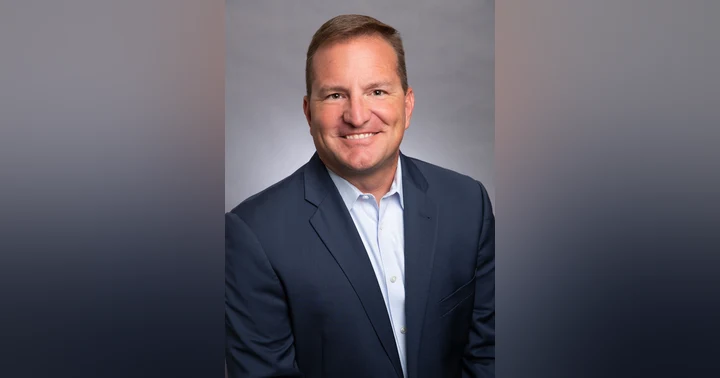
Billy Wagner: Business Masterclass
Episode 88 – Billy Wagner: Building Business Through Systems, People, and Purpose
In this episode, Billy Wagner, multi-unit Brightway Insurance owner based in Ponte Vedra, shares how he scaled his agency to over $50 million in premium volume through intentional leadership, structured hiring, and client-first culture.
Billy breaks down his 21-step hiring process, a 12-week onboarding system, and how his team delivers 5,000+ referrals a year through consistent relationship-building. He emphasizes training, clarity, and creating a business that runs on purpose—not personality.
You’ll hear how he transitioned from the restaurant industry to insurance, why family meetings mirror his business discipline, and what every real estate agent can learn from his book Business Master Class.
This is a must-listen for any entrepreneur who wants to lead with intention and build a system-driven business that actually scales.

 Apple Podcasts
 Spotify
 Overcast
 Castro
 PocketCasts
 RSS Feed
 Having a good relationship and having knowledge in your industry is key to success. In this episode, Tracy welcomes Billy Wagner, an industry leader and owner of Brightway Insurance, to discuss how having a daily routine can help teams and organizations organize and focus on goals. He also discusses how he built Bright Way Insurance into a 50-million-dollar franchise, and how coaching and mentorship are key to his success. Billy also shares the various resources that have helped shape the way he structures his routines. Tune in as these will help build trust between you and your team members and ensure that everyone is working towards the same goal.
[00:01 - 13:11] Opening Segment
- Introducing Billy to the show
- Brief background
- The importance of owning your morning
- Being motivated by accomplishments
- Organizing meetings in the family and giving the children the opportunity to lead
-
- Dealing with problems collaboratively
[13:12 - 29:03] Getting Traction in Real Estate and Managing Your Team
- Focusing on relationships and adding value to clients
- The 21-step hiring process
-
- Focusing on validation, growth, and opportunity
- Maintaining stability in their income
- Growth makes people happy
- Having levels of compensation
- The importance of having a process in place for hiring, and how it is important to have specialists in each field to ensure that the right people are hired.
- The importance of training and having an agenda every day
[29:04 - 39:01] Building a Culture of Consistency
- Having a mindset of never-ending improvement
- The way you phrase things plays a big role
- Billy shares his center of influence
- Making a good impression to let people know you value them
[39:02 - 66:00] Personal and Team Growth
- Insuring Your Peace of Mind by Billy Wagner
- Business Masterclass by Billy Wagner
- Billy’s biggest mistake and what he has learned from it
- Putting testimonials of your team in your ads
- Executive belonging
- Making team members feel special and valued
- Having meetings that are built on accountability
[66:01 - 71:58] Closing Segment
- See the links below to connect with Billy
- Final words
Quotes:
“If you start opening your emails first thing in the morning, you’re losing because you’re reacting to everyone else’s priorities.” - Billy Wagner
“People are happiest when they grow.” - Billy Wagner
“The difference between ’contact’ and ‘contract’ is the letter ‘R’. And that letter ‘R’ stands for ‘relationships.” - Billy Wagner
Connect with Billy through LinkedIn, or visit www.BrightWay.com.
SUBSCRIBE & LEAVE A 5-STAR REVIEW as we discuss real estate excellence with the best of the best!
- Join our community at www.tracyhayespodcast.com
- Email Tracy.Hayes@jethl.com to get in touch with me
- Connect with me on Facebook and LinkedIn.
- Check out Jet HomeLoans, LLC, and get top-flight resources and first-class service in buying your house!
Are you ready to take your real estate game to the next level? Look no further than Real Estate Excellence - the ultimate podcast for real estate professionals. From top agents and loan officers, to expert home inspectors and more, we bring you the best of the best in the industry. Tune in and gain valuable insights, tips, and tricks from industry leaders as they share their own trials and triumphs. Whether you're a seasoned pro or just starting out, a homebuyer or seller, or simply interested in the real estate industry, Real Estate Excellence has something for you. Join us and discover how to become a true expert in the field.
The content in these videos and posts are for informational and educational purposes only. The information contained in the posted content represents the views and opinions of the original creators and does not necessarily represent the views or opinions of Townebank Mortgage NMLS: #512138.
Podcast Intro 0:31
Welcome to Real Estate excellence making lasting connections to the best of the best in today's industry elite. We'll help you expand your circle of influence by introducing you to the leaders in the real estate industry, whether it's top agents who execute at a high level every day, or the many support services working behind the scenes, we'll share their stories, ideologies and the inner workings of how they run a truly successful business, and show you how to add their tools to your belt. Now please welcome the host with the most Tracy Hayes,
Tracy Hayes 1:04
Hey, welcome back to The Real Estate excellence podcast. Your host, Tracy Hayes, today I have an industry leader, influencer and multi unit owner with bright way insurance. He has written a few books and most recent business master class. Autonomy is his. Why insurance is a vital topic for all homeowners insurance. We have beautiful sunshine lifestyle, but we need insurance. This guest is the most respected in this lane of insurance. We will dig into his latest book as it fits with the great real estate agents we've had on the show previously. Let's welcome Billy Wagner to the show. Thank you so much, Tracy for having me. I'm really excited to spend some time with you, helping others, providing value and and giving back to the community. What you're doing all the time. I appreciate I appreciate that, and you the same. And as we were talking pre show, I was doing some doings. I have not read the book. I've gotten some outlines, and I've listened to your interviews on the others of you, basically telling what's in the book. And I want to break it down a little bit, because I took notes here. And of all the great real estate agents that we've had on the show, they're all small business owners as well. Many of them trying to start their own team. They're hiring transaction coordinators or hiring operations people. All the stuff that you have in here when you built your business and there is, it's full. It's got to be full of information that they can take from it as well some of your trial and errors. So let's kick off a little bit. Where are you from? Yeah. So I am born and raised Floridian. I grew up in West Palm Beach, Florida. I went to school at UCF, and then I got promoted through when I was going to college, through the restaurant business. And that was kind of my first career. I spent the first 10 years in the restaurant business, and that's where I got my nose bloodied and teeth kicked in, and learned a ton about relationships, people, PNLs, and I started as a bus boy and went all the way up to two steps away from the president of the company, and that 10 year period. So it's really kind of cool. I learned a ton, and I also learned towards the end that I wanted to get out of it. Restaurants is definitely a tough business, for sure. So, so like, I mean, how many restaurants are? This is a large corporation, yeah. So it was called mestromedia Restaurant Group, and it was steak and ales Bennigan's, wow, those concepts that are no longer with us, yeah, and but at the time it was again, it was kind of on the decline when I was there, but it was still wonderful. I was the youngest general manager at 21 years old. I was running the Arlington steak and Ale in Jacksonville, and had 65 employees, and learned how to hire, how to fire, how to motivate, and how to recruit and all those things through the restaurant business. And it was, you know, you kept, you know, you get promoted, and then you're in charge of multiple stores and and you kind of go through that process. And it was, again, a huge learning thing for me, and really a pivotal time in my life to build a foundation about what I know about business. Well, there's, there's no doubt of some of the like, some of the great agents that we've had on started in the restaurant business. I know Howard flashing just downstairs here from us at round table. Realty. He has, still has that on his LinkedIn. And when I had him on the show, I was looking at so what's about the restaurant? He is very proud of the fact that he worked in that that industry, and feels that that's where a lot of as a lot of agents agree with him, because they've also served that's where a lot of the lot of their customer service began. Yeah. I mean, we have 15 employees at our insurance office, and almost every single one comes from that background. And it's it's interesting. They're used to multitasking. They're used to dealing with clients. They know how to de escalate drama. They are appreciative of the opportunity to try something new. And so that's been a really good, really good source of our team. So we roughly about 10 years, yep. So what leads you into real, into insurance from that industry? I mean, there's someone in the family or what, what kind of No, in fact, you know, some of the people that worked for me as.
Billy Wagner 5:00
Managers in the in the restaurant business, went into the insurance business, and I started just studying. I'm very entrepreneurial at spirit. I'm always looking and thinking about business, and I wanted to go out and do something on my own. So I started researching. And a lot of folks went into that space, and I went and talked to some different mentors and some some folks, and I felt like it was an industry that wasn't serving people well, that I could make a difference and be different in that space. And I actually started in the very beginning with right way insurance, before it was bright way insurance, and helped them kind of forecast that that business and we, I was the first one to buy the franchise rights, so I wrote them a big check before it was worth anything. Everyone told me I was crazy, and we built out over 10 years. We built out 10 stores, and we built it to a $50 million premium. I had a messy kitchen in my one location, and we learned and grew. And, you know, I started with one person, just, just very much learning the business like a sponge. I actually worked for free for six months in another agent's office to learn the business, and I wrote business for him to learn it. And that's very quickly, if I recall, if I think I put in my notes, because you was like 2005 when you got started, but by 2006 you had your own store, yes, yeah, my own location, and just again, growing and learning and learning from others. And you know, I definitely utilized. I was standing, I'm sitting on the shoulder of giants, the people that came before me. I did a lot of research and and I feel like that's my give back now, is try to help other agents coming up and learning the business. Well, that's it's a common theme with the great people that I've had on hooking up with a mentor or coach. I think when you're listening to some of your previous interviews, you mentioned coaching, and you've spent money on it, but you've gotten the return on investment. Yeah. I mean, it's something that I love doing, is learning from other people. Like, you know, there's so many people. The great thing about now, in today's age is there's so much information out there that if you want to be an expert on anything you can, and I spend one hour every single day growing, and so I do it through either podcasts or audible or books or interviewing people. So I'm constantly looking to grow, since we're on that subject. I was listening to one of your interviews. Was back. It was November last year, and you were talking about your morning routine. Are you still with the I think you said you said you wake up at 630 Why do you feel that is so important? What have you is, I know when you listen to those podcasts, you read the books, a lot of the lot of the greats have that routine, yeah, you know? What is it that you picked up and then obviously made obviously you made it your routine, you know? But what is it that have you expanded you by having that regiment of getting up at 630 then what do you do at 60? Yeah, so I need my routine, and what I'm trying to do is own my morning. You know, if you start opening your email box or look at your phone first thing in the morning, you're losing, you're going to automatically lose because you're reacting to everyone else's priorities. And so by owning my morning, I get up at 630 I go for an hour walk. I take my dog with me. He gets exercise, and then that's the time that I'm also learning. I'm listening. I'm also I spend about 20 minutes of that walk thinking, What is my number one priority for today? What if I if today was a success? What would I get done? And then I start thinking about things that I need to accomplish. And then I when I So I've now, I've walked, I've drank water and exercised. I've exercised my dog. And then when I get back home, I go into one family member taken care of. Yes, exactly. I get back into my home office, and I work on my number one priority for the first hour. And if something happens the rest of the day, you want to own your morning and organize the chaos of the afternoon. The afternoon is going to be chaotic. You're going to start looking at your phone, you're going to look at your email, you're going to return calls. It's going to get away from you. But if I win my morning, I know that I've won the day. I want to break down the thinking part, because I think a lot of people under value that part to allow yourself, allow your meeting, you listen to a podcast for a little bit. So now you have a new thought, and now you're developing that thought, and what you need, you know, what you're planning for your day, and your brain now is organizing and filing and so forth that. And I'm sure you've either read or listened to, you know, some of these very successful people, they're taking, they're taking that time of quiet. It might be some sort of meditation, or maybe they're doing something, some sort of, sort of yoga, just something very Noises Off. They're not talking to anyone, they're not on their social media. They're not listening anything. And they're just, they're letting their brain sort through their thoughts of the day to get in. How important that is? Your energy level, I think it's energy I get, the positiveness, the positive podcast and the thought, and I think the thought, well, the podcast too, are underestimated too, but that how important that 20 minutes is. Yeah, I'm motivated by accomplishing things and getting my ideas done and taking action on things. And so what that allows me to do that specified time where I'm thinking about things and organizing my thoughts just like you said, has been.
Billy Wagner 10:00
Very, very powerful for me. And I also schedule time beyond those to think. And, you know, I schedule time once a month. I literally have on my calendar, think, think, and I have, like, a certain number of questions that I ask myself, like, what do I want to do more of? What do I want to do less of? Where can I grow? What are my opportunities? And I also do that annually too. I sit down with a yellow legal pad for an entire day, and I get with people, my wife and the key leaders in my business. And we do the same thing. So we spend some time kind of thinking and organizing. It makes a ton of difference.
Tracy Hayes 10:33
You mentioned something in that interview, also that I thought was so I mean, it's like, maybe I need to do that. You actually have a meeting with your family? Yes, with an agenda, yes, yeah, tell us about that. How's how's that? How have you got them all on board with that?
Billy Wagner 10:50
Yeah, so it's, it was, I'm not gonna lie and say, it was easy. It's definitely challenging. I've got a 13 and a 14 year old, and we've been doing this for about seven or eight years, and what it is, is our family meeting happens every Sunday night. It happens after dinner on Sunday. And we 100% organize and put harmony in our family. And so we start out with our personal best. What's the personal best thing that happened the beginning of the week? We use Robert's Rules. The kids take turns running the meeting, so they know that this is their turn to run it. And we organize ourselves with a calendar. We've got a giant calendar. And, you know, the kids are playing sports and cheerleading and basketball, and to organize all that, you have to write it all out and keep it, keep it straight, so that we know who's picking up who and when, when, or we have to be somewhere. Is that in this book that is partially meeting in the book? Partially Yes, partially, yeah. I'm gonna give this to my wife. Yeah. So here's the other cool thing about that, we actually organize our meals. So once you know we know what we're gonna eat, Monday, Tuesday, Wednesday, Thursday, Friday. So my wife can organize if she's going to the store, and my kids get a say in what we eat when we eat. So that's really been cool. And the other part of the meeting is we spend time on what we call opportunities, and so it might be a frustration that I have, or a frustration that my wife has, or a frustration that our kids have, instead of being emotionally drunk and getting, you know, having an adult temper tantrum, yes, we write stuff down, put it on the agenda, and we deal with it when we're calm, and we deal with it collaboratively, and we come up with a solution that we all agree on. And sometimes it's much better than being the dictator parent and say, This is how we're going to do it. And the kids roll their eyes. They are actually paying a part in how we solve so is,
Tracy Hayes 12:28
there's a different chair person every meeting. Yes, different. This is, you know, what's so awesome about this? It's, it's a it's a way for a family to function and feel everyone's getting input and all that good, warmy, fuzzy thing, but the lessons these people are learning. Because, as you know, there's boards all around us, HOA boards, CDD boards, there's the board of this, board of that, and here these teenagers are are learning that's just, I think it's just priceless. It's just really amazing.
Billy Wagner 12:59
Yeah, like, we don't function well as a family without having that. And it really just kind of keeps us organized. We have this giant calendar that we, you know, we write all this stuff out, and we put kind of what we're going to get done and when things are going to happen each week. And so I have a digital calendar where everything's organized, but this is family, and the family comes first. We put them on as the number one priority and and it really just sets the tone for the whole week, where we know what we're going to get done. And I spend a little bit of time after coming up with three things that I want to accomplish that week, and then I daily what we talked about. I go deeper on one of those as well.
Tracy Hayes 13:32
That is priceless advice, right there. You may just want to write a book just on that, the family meeting. I know something of the something that nature, that's just awesome. All right, so everyone, well, you know, it's funny, I didn't hear this on your in 2006 you got your own office, and all of a sudden, within 1224, months, the bottoms dropping out of the Northeast Florida housing market, the country's housing market, really, yeah, how do you what do you do to reset? What do you do to get through the period of time, which I would imagine probably took you to 2009 2010 before you starting to see pick up traction and get to where you were hoping to be.
Billy Wagner 14:10
Yeah, yeah. And it's, it's interesting, because you different, as the business, real estate world goes through cycles, you've got to change, and you've got to pivot, you got to stay in front of them. And so at that time, we were really focused on relationships, and the most important thing was relationships. And so I will tell you that when we started in 2006 a lot of those relationships that we had were no longer in business in 2008 and so we had to just keep going methodically and creating new relationships, because there was people doing business, and we needed to be where could we find ways to add value? Where can we do things for them that are out of the ordinary? What most insurance agents are like, Oh, we have a lot of options. We'll get you quotes fast, and we'll get everyone's doing that. What can you do that's different? Exactly? How can you show up in a different way? And so we came up with 20 ways that we add value, and we followed through on those ways, and we created these relationships. Tracy. Transaction after transaction to make sure that people felt different. We answer the phone is, how can I make this the best call of your day? It's a pattern interrupt. People are not thinking that way, and they're like, this is going to be a different experience. And we end every call with, you know, thank you for being the best part of right way. And so that's just something that our office does. It does. It's about being different, creating relationships and adding value to the people that you're working with.
Tracy Hayes 15:22
And I think myself and we were at a great event just last week with some top builders in the area talking about, you know, what's the current market conditions? You know, it's just been falling off a tree last year. Now it's kind of, you know, it's getting back to more what's considered normal houses sit on the market for a little bit. You know, we're still getting, I actually had a one this weekend, or they did. Still had seven offers, not 25 like you probably would have had last year. But, you know, it's still very hot. But yeah, it's time to they were talking about getting back to the basics. That was the kind of the theme there was, getting back to the basis making, taking time to spend and create those, build on those relationships, not only internally, externally, but also internally. Yeah, you know, because listening to you in the previous interviews you're talking about, you spend a lot of time really drawing the best out of your people, yeah, seems to be a good focus. What was it? What did you pick that up from the restaurant business? Or is that something that you know, listening to different top people talk. Where did you really it seems to be your focus? Yeah.
Billy Wagner 16:24
I mean, I spend majority of my time on people, because it took me about three or four years to realize that's everything in business. And if you get the people right, the business will take care of itself. And so I came up with a what's in the book is a 21 step hiring process. It's no one has a more crazy loops that they have hoops that they have to jump through to come on board. So we start out with we only allow the best and the best we have 99% turnover when we hire somebody. We get 300 applicants, and we only accept the very best one. And so we're finding very high end quality people, and what makes the hair in the back of my neck stick up is helping them win at life. And so what I've learned about goal setting and that I've learned from coaching and consulting, and all the things that I've learned that I've been a student of the game I'm teaching them, and I think one of the most profound things is that people are happiest when they're growing. And if you can make sure that people are always growing in your environment, you will have success. And so that's what I focus on. I want to make sure, like, we get personal with my team, like I know all their goals. You know, we've done the one sheet with them, where we know exactly what they're trying to accomplish in life. Wally actually helped our team actually work on that for us, and we know what their goals are, everything. And we watch a video. We create our own video every year as a team, and we all watch that video, and everyone's goals are right there, first and foremost, and I want them to win at life. And what's really cool is now I'm seeing that they're buying houses, they're starting families, and they're paying off their debt, and they're becoming better by being a part of the organization, and that's what I love.
Tracy Hayes 17:57
So I think the typical person hearing you go through that, okay, sounds like something they were at a you know, seminar talking about growing people. And I think the first thing that comes to a lot of owners, manager, whatever's mine, is, oh, you just got your receptionist. There's only a certain that that position only drives a certain income, you know, range that it may be. How are you You know, I think the first thing that people think is, oh, if we're trying to change their lives or or impact it, we gotta, we gotta, we gotta pay them more. It's really not that that's only just a small portion sure of it. And I think if I call you, lot of your employees have been with you for a while. Yeah. And the value of that is
Billy Wagner 18:42
priceless, yeah, yeah. And again, it's making sure they grow and there's an opportunity. And so one of the things that I tackle in the book is compensation, and you mentioned it, and you know what? What's really important is that you have levels to your compensation. And so what we do is we have four different levels, so they start out on level one, and they validate and grow to each level based on how well they do. And they do well, there's tons of opportunity. And we don't really hire a receptionist role, which is kind of interesting. We actually we hire what's called a director of a smooth process. What we do in the office is very organized, very process driven, and we're developing those people to then to take the next step, and we have multiple levels where they can go, so they can become a junior producer, they can become a sales agent, and then they can grow through those four levels of compensation. Now there's some people that don't want to do that, and we have some of those that are that love the stability of a certain salary, and they stay in that lane, but the opportunity is always there for them to grow. And we've laid out those steps. And the really cool thing is, as a business, we don't do this enough. We don't validate when they're profitable for the business and when they're profitable for the business. You need to make it better for them. And so those two things you have to look at is continuing to make their compensation better over time, but also validating when they actually are a break even. Because you. Really are making a pretty big investment, because it takes about seven months to a year to learn our business.
Tracy Hayes 20:05
I took the sample off your website. This is something, I guess you speak to business plan, but it's really talking about the employee. And I think one of the challenges that I see in the lending world is they think everyone wants to be a loan officer. And then when they find out, Oh, they don't really, actually like to go out and talk to people. They don't like to stand up in front realtors and present. They're more they like being in the office behind their computer working on by, you know, finding a good product. There's great loan officers, license and everything experience. But they, they just, there's a part of that business they they don't like doing. And I see a lot of where they're overpaying people, or because they want they're trying to hold on to that person, because that person is taking a load off them, so they overcompensate them, basically taking them out of the scale. And it's not scalable in the business from I think you understand what I'm saying. Absolutely you could. You could bring somebody in. And also very interested in how you evaluate with all the applicants hiring, hiring that best some of the things you do do you, you know, you just assess them. I know there's, there's other personality tests to find out what they actually like to do. I see a lot of people just, hey, they interview someone. Oh, it sounds like a good person. Let's hire them. But they don't. That's a drain on your business if it's the wrong person,
Billy Wagner 21:23
absolutely, and that's why we spend so much time on it. You know, I think when you're interviewing people, what basically that is, is two people lying to each other. They're telling you how great you are or you are. You're telling them how great everything is here, and they're telling how great they are, and the truth is somewhere in the middle. And I think what's one of my favorite quotes, is to be unclear is to be unkind. Clear is kind. And so you have to lay out what their role is, 100% Word for word. What does winning look like? So we put it in this document, what does winning look like, right, right? So that they know what their job is going to be. And we play the movie out. And through those steps, there's we created an online, a website, basically for our hiring, right? We're the only insurance agent that has their own website for hiring, and it has a video explaining what the role is, what winning looks like in the role, what we're looking for and what we're not looking for, right? You if you don't like, you know, answering the phone, you will hate it here, because we answer the phone a lot, right? So we literally have a step in our process where we talk people out of working here. And, you know, as you go through our we have 21 steps. There's a lot of them, and we kept adding them because we want to make sure we're getting the right people. There's a personality profile test. There's a cognitive test. They do. They multiple, multiple interviews with certain questions. There's an online interview where we kind of screen people before, and then the last step of the process is a panel interview with our entire team. It's very intimidating. They're going to come in and there's 15 people asking them questions, so you see how they react to that. And if we don't get 100% buy in from all 15 people, it's a no, it's a hard No. We our culture is so important getting getting along, where we spend time together, is so important that we only let the best of the best in. And if they're not like thoroughbreds. Want to run with thoroughbreds. If there's a donkey in there, the donkey is going to stand out very quickly, and they'll weed themselves out. Yeah?
Tracy Hayes 23:09
That you Yeah, they're gonna maybe not show. I imagine some people don't show up to that 15 person, you're one of the great agents in town. CC Underwood, she does that with her team. She wants to make sure they're a fit. And I don't know if she puts her entire team out there, because she has like 20 people, but that inner core group that she has in her leadership circle, yeah, they do the same thing on that on an interview. How important this is something I'm thinking and thinking of my industry, because I think a lot of people are missing it based on what the best of the best are talking about, and not knowing how the entire insurance process is. But obviously you're not just selling homeowners insurance. You got all, you have all, all these different products that that you're selling and that people need to almost be in their lane. You it sounds like from that person answering the phone, and you mentioned the word process, and having people who specialize in love doing what to do might have someone who's, I imagine, is a guru in, you know, homeowners insurance, a guru in auto insurance, and they know the insides and outs and and all that working. And this is something I thought again when I was exercising and I was thinking thoughts are going through my head to ask you, because I think a lot of people miss the boat. They think you're running the office, that you need to know everything. And I don't think that is true. It's not true in the loan officer world. It's not true there. You have to have the support of those people in the process that specialize in those particular things, whether it's a product specialization, auto insurance or homeowner's insurance, there's others, or in the loan officer or real estate world, where you have the person who's making the relationships, may take some the applications, but then they got to hand off that person who likes sitting at the desk all day, because if you're sitting at the desk all day working loans, you are not generating new business or. Which is just, you're diving,
Billy Wagner 25:01
yeah, yeah, yeah. I mean, I look at again, processes is like, if it takes five minutes, how do I make it take four minutes? How do we be as efficient as possible? Because one of the things in business right now, you have to sell speed, and if you take forever to do things, you can't be one person. Can't do everything right? And I think it starts with, again, giving them clear direction on what their role is, what their process is. But here's where most businesses miss, is they don't spend enough time on the training, and so we have a 12 week training time to the minute. Most agents will in my business will train somebody for two weeks, and they'll sit with Sally and shadow her, and ours is 12 weeks to the minute timed, and they are going to be ninjas when they're done. And that's by design. And then we don't stop training. We literally have training every single week, and then we have training a detailed one every single month. And so I think it's really important to develop. And just as you said, we do have gurus that in certain sections. So like, we have a flood guru and we have a umbrella guru and an auto guru, but we are the people that are agents are very good at taking a situation for a family and figuring out what's best for them, what they would do in their own situation. So they're going to handle it and be the contact, but other people are going to be advising and helping through that process.
Tracy Hayes 26:12
Right? A lot of thoughts just, I mean, it's so the training, that's so that's where I wanted the training now is bright way help you with that, or is that or is that something you've developed internally?
Billy Wagner 26:23
So Brightway has a online university that is like the first week. It teaches them how to use the system and the software, but we take it from there, and again, not every bright way agent does it. This is our system that we've created. So we built the other 11 weeks out, and we have, again, validation points. So just give you an example, if somebody is learning how to take an intake phone call for a new client that's coming on board with us. We spend 16 hours training that three minute conversation. It's how do you answer the phone? We record them, they say it again. And we were like, Hey, don't do it that way. And you know, by the time they're done, they're again a ninja at that three minute conversation. How do you build rapport? How do you ask the right questions? How do you lead people to what they need? How do you have that protection mindset? And so we spend so much time on the really important things, so that they know it by the back of their hand, and they're really good at it.
Tracy Hayes 27:11
So as a you know, you said you had 15 employees, so mid size business really wouldn't say small. So you don't necessarily have someone designated as a trainer, because you're not hiring every month, maybe a month. So how do you you know when you do need to fill a position or expand and you need to bring out? How is that? Is it? Is it shared amongst the other 15? Or maybe you have eight to 10 that are, you know, solid, been there a long time that now they qualify to actually
Billy Wagner 27:40
mentor someone? Yeah, it's a great question, and there's a lot of thought and process around it. I do have an expert on my team named Shelby, and she's our training coordinator, and she sets the training center. We're actually training four people right now, and literally, she went through that this morning, and, I mean, she had to revise it, like six times, because everything's thought about, everything's organized. And so she organizes it, and she sets the schedule on Monday mornings at our staff meeting, and then on Friday, she does a review with each trainee and says, Where are you at? What do you learn? What do you need to spend more time on so that she can reset it? But the actual blocking and tackling, she introduces the concept, and then they learn from the other subject matter experts, and it's all shared, right? So we have, you know, an agent right now, today, we've got three training sessions, so they might only have an hour and a half this week to train. So it's very organized that way, especially specialty driven, and it starts with kind of the administrative role, so that admin team kind of does that training first, then they're practicing that, and every week they learn something, and then they're practicing it during the independent work, so organized that way,
Tracy Hayes 28:43
in listening to you, in again, your other interviews and so forth, it's really sounds like you spend a lot of time sharpening the sword. Like, for instance, the training. You just go, Hey, you guys are training every day at 11 o'clock, you know, go in and, you know, they'll wing something. You there is a designated agenda worked out, and I'm sure it's tweaked at different times every day. This is what they need. And at the end of that, whatever hour and a half long session they need to have this mastered,
Billy Wagner 29:14
yes, yeah, 100% then they they're they're learning, they're shadowing, then they're practicing, and then their validation period. All happens. And again, it's, it's, we have a channel in our teams thing, and that's where training goes. And it's everyone takes it seriously, because we know they know that they were in that position before and and we're all really working to make sure that they're successful.
Tracy Hayes 29:33
How important? Say, you know number 13 here on your what winning looks like. Thank you for being the best part of bright way is ending what you guys end every call and then you mentioned your greeting, the Chick Fil A's of the world, I had Christine Hall, and she did some time with Chick fil A. And in their training, how important is it to hold them to the line in a play or in obviously, get employees that that are bought in to. Do these little things, these little phrases, these, you know, the meeting and the greeting and how they present. How important is it that they stick to that regiment in obviously, you know your years of success now, what 16 years? I mean, that's probably developed over time. But how important I think is the average I think the average manager does not hold their people today. Yeah, they say they don't even teach them how to answer the phone, right? Yeah, just say hello. This is x insurance, whatever. You know, they don't have that way. How important is in building that culture?
Billy Wagner 30:32
Yeah, I think it's critical. I think, you know, we have a mindset of constant, never ending improvement. So our training plan, it's been revised 100 times, right? So every time we do it, we get better at it. And the things like, when I first came up with, how can I make this the best call of your day, everyone looked at me and they laughed, and they're like, there's no way we're going to answer the phone that way. We've been doing it for seven years. The phone doesn't get answered without doing it that way. And the reason why is it is a pattern interrupt. It's where you go to Chick fil A, and they say, My pleasure, and you go to McDonald's, and they barely care. And so there's a there's the power of words and the way you phrase things. It's a problem in customer service right now when somebody is like, they just don't seem to care. And so you we put it, you have, number one, have to hire the right people, and you have to make sure that they have the empathy. But then the power of words are so important, right? Like the the right words and a smile makes everything 100% better, right? So it's just the idea of, we want to be different. We want to show up differently. We're all washed in sameness, and everyone's trying to do the bare minimum, it seems like, right? And so we want to be different. When they call us, they're like, Oh, this is going to be a different experience.
Tracy Hayes 31:37
Well, your hiring process is very, very regimented. You're digging for the right person. You're in control. Yeah, I have, I have a feeling in my impression, is that a lot of employers feel that they're not in control, that they can't be picky. They've got to and then, let alone have they actually been trained in interviewing. And you know the different steps that are out there, just like anything out there right now, whether it's on YouTube or you want to go take a training, there are professional hires and fires out there that'll teach you how to do it, and then obviously you tweak it. But I think a lot of times you're on the, I want to say defensive, but just they're like, hoping that person wants to work there, yeah? Versus, I imagine when you're doing your video and telling them, you know, here's how it's going to be here, that's part of that phrase is there, yeah, you're gonna say this, yeah, yeah, yeah.
Billy Wagner 32:32
And it's, you know, you just, you want people to, you want people to grow in their in their environment that they're in and, you know, you want them to really enjoy kind of being a part of it. And if you don't have a vision, and you're not, you're not planning on what that's going to be like for that team member coming on board, you're sharing something. And I will tell you to just a word of caution, don't compare, you know, my middle to your beginning. So if you're starting right now and you don't have a hiring plan at all, just come up with, like, one or two, maybe three steps, one of the things I'll tell you as a first start, we like to do an email interview. Now, I've organized this to a website now, but at first it was an email interview. We didn't talk to anybody without emailing them five or six questions, and we knew by the answer of those five or six questions whether they were worth moving forward or not,
Tracy Hayes 33:19
how much thought they put into the answer because they had their own time to respond, right?
Billy Wagner 33:24
Interesting, and within the just the questions are strategic too. We also like a mistake that I made early on is I wouldn't talk about compensation until like step nine. Well, if they want to make $200,000 a year and they're starting, that's not going to work, right? So you deal with that stuff early on, and you make sure that the expectations are set, and you know whether they're a good fit going forward, and that's how you get through a lot of applicants. And so, yeah, there's, there's a lot of ways that you know, and once you have a this is the other really key point, is, if you've got the wrong people on your team, you've got to get rid of them, because you will lose all kinds of momentum when somebody new comes on board, and they're like, oh, that person's not very good, and they're sitting over there, and they allow that. And now that's the culture. So you've got to make sure, and this is I got lucky with my first couple of hires, where there's just such superstars that everyone gets in line with them, and then this momentum is there, and then the culture is there, and then you can build off something great. I'd rather have a lot less people, if they're not great, and then you can grow once you have a great team. So I would say, if there's anybody on your team and in your organization right now that you don't think belongs there, you need to kind of let them go. You need to liberate them and get them somewhere else, because you cannot build a successful business with the wrong people.
Tracy Hayes 34:38
There are so many that are I don't know if they're afraid of they're gonna file for unemployment or something, and that's why they don't let but they let them drag out, and hopefully they fire themselves, I guess, to see the attitude. But it's just, it's just taking your company down with the poison. I want to just go couple these things, because I think it's important, you know, since we're on this subject and these, you know, at any. Agent who might be top agent who's listening to you right now, or, let alone another insurance company, or even some loan officer, where they're trying to build a team behind you that you're finding that right person. You're taking the time doing the due diligence. But you sit on this. This is you're basically what do we call a job description, a nice, fancy flyer with some color and everything on it, but you clearly state this, you know, hey, we got 80 inbounds call. I want to ask a coffee with your with the center of into one coffee a week with your center of influence. What is, what's your center of influence?
Billy Wagner 35:33
So this is the relationship world. So as an insurance agency, we get over 5000 referrals a year. We're the one of the number one agents in the country, weather alone bright way. And the reason why is because we've built relationships, and we've done it over time, and we kind of talked about, kind of those 20 ways we add value. So we've got nine sales agents on the team, so those nine folks have to have one cup of coffee every single week, and so they may have to ask three or four people for a cup of coffee to get one. And we don't even talk about insurance. It's how do we add value? It's, what can we do to serve you? And we, like I said, we came up with 20 ways. And so we're having 500 coffee meetings a year, trying to develop relationships. So that's scalable. And again, we're looking at like, do you need to use our conference room? We have a cafe there. You can use it. Do you need something notarized? We'll notarize it for you. Something very different, right? Where can we add value to you? And we came up with a bunch of different ways. Like we document exactly how our partners in the in the lending, because we're our focus is home buying experience primarily. We do have different lines, but we focus on the real estate business, right? And so you have a certain way that you do a transaction, who the processor is, how they want the deal sent, who the mortgagee clause is. We save all that for you as a partner to make it easier for you. And so we also came up with ways that you know we can help you with different marketing strategies and different types of stuff. So we just, how do we value you? Where do you find value? Because different people have different things that they value, right? And so these coffee meetings every week is trying to make relationships to find out where they value and deliver on that value,
Tracy Hayes 37:02
and then you have followed up with 25 new impressions with the senator. What's an impression?
Billy Wagner 37:08
So an impression could be a handwritten thank you note. It could be sharing a listing for a real estate agent online. It could be commenting on something. It could be just picking up the phone call and saying, Hey, thank you. I really enjoyed working with the Smith family that we worked on together. It's any type of impression with our current existing relationships, where we know that they, know that we value them, and one of the things that we do in every single transaction is we have a set period of time where we reinforce the relationship that they have. So we might say, Hey, you're really lucky to be working with Tracy. He's one of the best loan officers in the business. And you know, there's, there's very few that that do as good a job as he does. So in that process, we clearly have a stopping point where we do that with our partners, because we want them to again, have a different experience in working with us and make the whole process easy for them.
Tracy Hayes 37:55
Strong stuff, the thank you cards. Yeah. So really, you, you want to. You're kind of your baseline. This is a baseline, this is a baseline, 25 new impression. They could do 250 impressions if they, you know, if they're on social media and, you know, want to share all that stuff, some, some of them, I mean, really simple stuff. But even just sending out five thank you cards a day to five people they talk to, yeah, or, you know, obviously, or gave them a referral. Say it was great talking to you, throw a couple business cards in there and fly it 100% Yeah. I It's the top agents are saying this similar stuff you have sending those five thank you cards. You goes back to the guy who sold the 13,000 cards in 15 years. Send Out Cards every single month. It's as simple as that. But I think the average, I would say 99% of your competition isn't even doing that, yeah, the simple thing. So, 25 impressions. So the other things that she's had, honey, you know, obviously you could dig into the book and go on Billy's website there, but just how he lays it out. And I, I think this is so important, because I've seen a lot of hiring going on lately where there is no expectations. There's not like here. These are minimal expectations that you're expected to do now, obviously there's some things on here people might like love to do, like, you know, make well answer over answering 80 inbound calls. Okay, I just got to pick up the phone. Now, you don't have to do much there. They're calling me, but you obviously, they're sales guys. They're making some outbound calls too, to try to attract new business, or just touch base with their referral partners every week to remind them, hey, I'm here. I'm here because obviously, there's a lot of people I'm sure, trying to, you know, tap into your business. But your book, you have two books. Is it the two books here, the first one, ensuring your peace of mind. Tell us a little bit about that one, and then we're going to lead into the master class here. I have broken down, sure.
Billy Wagner 39:44
Yeah. So, I mean, I wrote this book about eight years ago, and I wrote it actually, you know, traumatic experience. One of the worst days of my life was 2004 my brother passed away in Iraq, and he was a soldier that led from the front, and he is somebody that I spend my entire way. Working days trying to do not only everything that he was going to do in life, but everything I need to do as well. And so I had the idea of, like, I'm going to raise money for the Folds of Honor Foundation. And those are they actually do college scholarships for people that are lost at war. So I lost my, you know, when I lost my brother, he had a son. My nephew is five years old at the time. And so I, the only thing I knew anything about was insurance. I was insurance. I was like, Okay, well, I'm gonna write an insurance book then, and we're gonna raise money. And we raised over $30,000 for the Folds of Honor Foundation. And when we first started working with them, nobody knew who they were. And now they're sponsored by Budweiser and all kinds of stuff. But at the time, it was pretty cool. And again, this is a and, you know, I've sold 1000s and 1000s of these books, and a lot of people going into the industry read them. It's stories. I use a little bit of humor. I mean, let's be honest, an insurance book is super boring. I tried to make it interesting. And again, it's just, it's more for me. It's more of a give back to something that I had knowledge of, right?
Tracy Hayes 40:52
But everyone has those. I like to say all of us were really, really similar. I mean, we go through different trials and tribulations, like losing a loved one at different times in our lives and financial challenges. Kids doing stupid things. We do stupid things, and we go through our lives just at different times. And when you come to realization that everyone's going to experience that everyone needs insurance, there's some basic stuff out there. I mean, I'm sure, I imagine there is an insurance for dummies book too, right out there as well. But insurance is part of our life. We've got it. We've got to have it. You know, sometimes we hate writing the check, but when stuff goes down, we're glad we have it. That's their way. So the business master class, how does, when do you start thinking about this, and then, you know, what was your What was your goal
Billy Wagner 41:43
with the book? Yeah, same, same kind of drive on giving back. I want to be an example for the community. I want to give back to local nonprofits and and so, you know, over the last probably five years, I've been asked to speak at these events, and I've spoken in front of 1000s and 1000s of people, and every time I speak, it's on a different topic. So I did a, you know, how do you build a hiring plan? How do you build profitable team members? How do you build, how do you build a referral based business? How do you run your meetings and communicate with your team and build your culture? So I did these, these presentations, these speeches, and they were like, I did these PowerPoints and, and so the first book was really hard to write, because it's, like, it's painstakingly agony. You're just writing, writing, writing. The second book was actually easier, because I had these presentations that I did. I spent hours and hours and hours presenting an hour keynote, or 40 minute keynote, and they became chapters in the book and there, and it was very well received by the community and and so what I did this time was, I, you say
Tracy Hayes 42:40
community, the insurance,
Billy Wagner 42:42
yeah, follow you or look up to you, correct? And so they were just keep asking me for more and more and more. And I go to these conferences, and no one was asked to speak twice, and I'm there speaking four years in a row. And so I know that people were valuing the content. And what I wanted is a book that was tactical on strategy, not a theory book. I want them to be able to say, here's how you get started. Step one, step two, step three, step four. Here's what I would not do, right, right? And that's what I built this this book on, is helping people want to be able to help them. I have some very expensive experience. I made some terrible mistakes, and so what I love is learning from other people's mistakes instead of taking them on myself. And that's what I tried to do with this book. Like, what would it look like if it were if it were easy as the tagline? It's like, okay, you know, how can we break this down? Is it a process oriented thing? Is it people thing? And really, just looking at the desired outcomes is a big thing. Like, what do you want to happen? And then how do you get that to happen? What are the steps involved to make that stuff happen? Right? And so
Tracy Hayes 43:39
you brought it up, we all fail forward. Yeah, you know, the top people will tell you that. I, I really, when someone, you know, kind of makes fun or, you know, pokes at someone who fell on their face in one way, shape or form or another, I'm like, he's, they're moving forward, yeah. And I think it was a Denzel Washington says it very well in a speech he was doing, talking about, you know, basically, I mean, if you haven't failed, you're not doing anything. Oh yeah, and you will fail more times than you'll succeed. But what are one of those? What was one of those big mistakes that you made?
Billy Wagner 44:12
I mean, when I first started out, I did a terrible job on the hiring side. I brought in some people that were very low paying and they didn't execute really well, and so I fell forward on that I and that's why I kind of, I create systems through pain, right? So because I had so much pain in that, I've also made so many mistakes on the marketing side and advertising and stuff like that. I've spent so much money that was unnecessary in buying these types of ads and sponsoring these types of things and then, and then also just running a business without having that process and that system. I mean, I've just made so many mistakes. I mean, it's just unbelievable how many mistakes I made, and now you have, you know, you kind of just, you learn from them, like you said, you get better each time. And you're like, Okay, I'm not going to do that again. I made mistakes in the way that I compensated people, you know, I just didn't think about. Got it all the way through,
Tracy Hayes 45:01
yeah, standard, standard stuff for a typical small business owner, and even owning a franchise, it's not as cookie cutter as it wasn't. And you were there, you know, as Brightway was created. So you're kind of developing some of these things too. That's why, I'm sure a lot of people like to say we thought you were crazy to make that investment, but I can imagine that State Farm, or that all state or the other competitors out there, those guys are making the same mistakes as well. And when we can look around the businesses outside the windows here, all of those have made those same mistakes. And you've got, you know, like I said, the sponsoring, if you're, if you're sponsoring something for your kids, sports. That's that's a donation, if you get a deal from it. Yeah, touchdown, we get a little crazy thinking there's going to be a return on investment directly all the time. I think too many people get in it. Well, I spent $1 with you. Where's my dollar return? Like it may it may take months. It may take years before that money ever comes back. But marketing is definitely, I mean, having done business for you. I mean, you can throw money out the window for that stuff, for sure. All right, so the book I want to break deep down. And I broke these things down. This is right off your website. Yeah, there's, like, what? Half a dozen things here that you could make statements on 21 step process to find and hire world class profit producing team members. I imagine a part of the 21 is training them well and giving them value, that they stay with you, that you're not having to go back to zero every two or three years and find a replacement. That's a lot of time and energy,
Billy Wagner 46:43
yeah, and resources, yeah, yeah. And I think it's also like, as a business owner, you have to always be hiring. So even though I don't have any space for anyone right now, I'm always looking for great people. And in fact, I think belly to belly recruiting is something that is missing right now. So if you're out in the community, and I have a card that I made up that it just basically says, Hey, I was so impressed by you. If you're ever looking to change careers, I'd love to chat, and then it drives them to our website, that drives them through our process, right? And I also have relationships made with centers of influence, like in the restaurant business and things like that, where I'll email them and say, Hey, I'm looking for somebody. I need somebody Great. Do you have anybody in mind that would love to grow to have a new career that I can teach them something that they will never need to do anything else the rest of their life. And so there's different ways of going about and recruiting and again, going about it in different ways. There's also new concepts, like handshake. I don't know if you're familiar with handshake, but handshake is a software that you can download as a business owner, and you can basically, it's like an online profile for the colleges and universities locally. And so there you can go and recruit there, and they can also look for opportunities. So it's a workforce development type of a strategy. And so we use that is to get we're looking for folks that are, you know, we're we can introduce to the business. We don't hire anyone with experience. We teach them our way. And so we're constantly looking for folks.
Tracy Hayes 48:00
So again, that small business owner, real estate team, they're, you know, they move people, move in out all the time. You you have a pipeline, but if you're not, you don't have a seat for someone right now. Or do you, if you find someone really exceptional, do you make a seat
Billy Wagner 48:16
for them? Yeah, I've done that the last five hires. I've had to make a seat. I mean, I've taken my top sales agent, and I was like, Hey, do you think you need that little conference room next to you? Can I just put a wall here and then? So we've done things like that. We've also, you know, it takes a year, 18 months, for them to learn the business. So we don't like to start people remotely, but we have now a remote team of six or seven folks. And so we're gonna, we're gonna find a way. We're gonna find a way for talented people. And the great thing about it is, you know, one of the other, another really cool trick or tactic, is we put testimonials from our team inside of our ads, and it went up 500% the response. And here's why, because we put these titles for positions that we're hiring for, and no one's heard of a CSR. They don't know what that is, and so no one's gonna apply for that type of job, so you have to really change your titles a little bit, and then also explain what it is like to be working there, and then let the team tell them what it's like, right? So the team's testimonials. They, you know, I just said, Hey guys, can you just share with me? And they it blew me away. I was almost in tears what they were saying about it. And that helps us recruit as well.
Tracy Hayes 49:19
So tip right there. Put the testimony with your in the real estate world, it doesn't matter. It doesn't matter who's listening to this. Whatever you're hiring if you got an employee, put that employees quote, or maybe if you're online, put that employees little video message that them saying, Hey, man, I just love the whatever you love about, about being there 500% just in applications, or maybe even even the quality of people that
Billy Wagner 49:45
were actually applying. What you want is a big funnel, like I said, like, where people are saying, I can't find anyone, I can't hire any. We hired an entry level position and got 300 applicants, and it's because we did all kinds of things that I shared. It wasn't just one way. It's land, air and sea approach. There's a. Bunch of different ways that we took and not all of them are going to win, but together, they're a bunch of singles that turns out. And then when you have a huge funnel, you're going to make a great selection. And a lot of times, there's five people that we would love to hire, but we're picking the very best one, and we keep those other ones on the bench, and we're
Tracy Hayes 50:16
ready to go. So when you all of a sudden, you know someone may have to leave you for whatever reason, it just has to happen. Maybe they're moving, you know, their spouse taking them somewhere else, but you already have, how long does it take you to really fill that position when you know that person's leaving, when you already have some of these warm prospects, you're like, Oh, these are quality people. I hope they're available. I'm going to reach out to them. When a position actually opens, how long does it actually take you to get them to that seat. I'm sorry, that's my phone. I didn't, okay, yeah,
Billy Wagner 50:46
that's all right. It's, it's, it's basically, we usually put them through about 11 steps of the process. We put them through those 11 steps, and if we're not going to go forward with them, we don't take them all the way to the end. So usually, our hiring process takes about two months. And so when we're ready and we've got somebody on the bench, we can actually expedite that into a couple of weeks. So it definitely is something we can we can expedite when the time comes and when that's necessary,
Tracy Hayes 51:12
because I think there's a vital downtime, yeah, when you have those situations that a lot of employers fear, they're like, oh my god, we're gonna be short handed. You know, there's gonna be the stress on everybody else. So of the 21 step processes that you have here, you know, you've probably spoken about, I'm sure all 21 what do you think is, what's your favorite?
Billy Wagner 51:34
I would say, you know, there's kind of different phases of it. It's that, like, the recruiting side of it. And then there's the, you know, the interview process of it. And then there's the onboarding process of it. My favorite is actually the the onboarding process of it, when, when they come on board with us, we've really, kind of made it really special. So we we send them, like, type form questions in an email that ask them their favorite food and their favorite, you know, gift card and their favorite, like, we asked them, like, 30 questions, right? And we put this, we put, like, we put so much time and energy preparing for somebody there with their first day they show up at three o'clock on design. It's three o'clock on a Friday, and they are that we have all this stuff organized where we put on this, like, play for them. And they're like, Oh, my God, what did I just walk into? There's loons here. Yeah, they have a welcome basket that is a handwritten note to their spouse, handwritten note to them. It's all their favorite things inside this basket, it's a couple of books that we want them to read, and it starts the first day on the right foot. And we do like a quick orientation, we show them some videos, we have some fun, and then we do a happy hour together, and we just kind of welcome them onto the team and in a different way. And again, it's about showing up like nobody else is showing up. What do you think they're going to tell everyone? We even give them a bottle of wine or their favorite alcohol, they can tell everyone how crazy we are. And so their spouse that. And so it's, it's, it's about creating, you know, showing them that they're valued. And we actually have a position called executive of a belonging where their job is to make them feel like they belong to the organization, and they are responsible for birthdays, anniversaries, and also these welcoming you know, the situation to welcome each team member
Tracy Hayes 53:12
because you've put so much thought and your team's bought into your hiring process for someone to actually be hired, They have been, I mean, run through a boot camp really. I mean, the, you know, ending with the 50, I assume, the 15 person interview, and then getting everyone's input on there, and that you feel confident in doing this and putting yourselves out there in a overly most people say, Oh, you're crazy, but you don't realize that these are, what the process that you put them through, not that it was, I mean, rigorous from the standpoint it was stressful, but because you did your due diligence, you know, you you have a high percentage, you have a quality person there, 100% Yep, that parts means casting vision and communicate with the team with World Class results,
Billy Wagner 54:01
yeah, poor world class results. This is huge. I mean, it's a lot of a lot of business owners are using, like, the traction model. I never did, like the full end of it, but I read the books, and we cast a vision every year, you know, again, the leaders sit down, and we kind of figure out, you know, like, one of the themes that we had this year was fun under pressure. You're right. Like, we're busy. The insurance market is a hot mess right now, and but we're gonna have fun under pressure. Like the whole team went to a concert on last Friday. We went to the little Wayne concert. They organized the whole thing. It was super fun. And we just, we love being together, and we enjoy it, and we create fun because we know that it's a stressful situation. We've got a lot of people that are losing coverage and getting canceled, and we've got to solve those problems. So we really come up with this in a visionary way, and then we execute on that throughout the year. So we spend a lot of time creating those and then we have weekly meetings, which is the heartbeat of our business, and it's very similar to our family meeting that we talked about earlier. But it's our business meeting. It's we do what our personal best is. We work on opportunities and things. That we need to fix. We do kudos and shouting out to people that do a great job. But here's the cool thing that most businesses forget, is accountability, and the meeting is built in accountability. So the team member comes to the meeting with one thing that they're proud of from the week before and one thing that they're working on to improve. And they're not telling me that. They're telling their team that, hey, I sucked on the phone last week, and I'm gonna kill it next week, my bad, right? And so we create this environment where the systems, the meetings, the accountability, is all built into the process, and that's how you cast a vision. And when it's organized and successful, it works really well in your communication strategy.
Tracy Hayes 55:38
So I think a lot of companies, small business, they like to, like plan these little like going to the concerts, thinking that that's where team members bond. And personally, and I think I'm, I'm not just speaking for myself, that is not where the actual bonding actually takes place. The actual bonding takes place is when you've got a structured, you know, systems, processes. This person does that. This person does that. They like what they're doing there. That person likes what they're doing there. They like helping each other. You hire the right people. They're bonding with each other in the trenches of your day to day. And then they could go out and actually, you know, let their hair down, so to speak, and, you know, go to the concert, and they really, truly enjoy being with each other, yeah? Versus going to the concert thinking they're bonding there, then they're going to come back
Billy Wagner 56:32
and work better, right? Yeah, yeah. It doesn't work without the right foundation. And one of the other things that we do is Chris is the other leader in the office, and him and I start on one side of the building. He starts on one side, I start on the other. And we do a weekly one on one with each team member, not with each team member, but once a week and so. And what we're doing is we're showing them that we value them and that we care about them, and we're asking them questions like, do you have everything you need? Is there something that you know? Do you feel cared for? Is there something in your way? Is there something a little bit bothering you right now? So we deal with these little petty issues that really ruin a culture by these strategic one on ones, and we also ask them stuff like, what's in my blind spot? What am I not seeing, right? And so we have these, these points of time where we're spending time making sure they feel valued, and we're helping them. And we'll say, look, you're doing really great, and here's where I think you can improve. We're giving them feedback, and we're doing all these things, and they feel valued and cared for, and that helps culture.
Tracy Hayes 57:28
This is one of those, one of those things that sounds good written in the book. Give me an example, yeah, of like somebody that might have had a one on one in the last few months that actually had a challenge, and what did you do to them over it.
Billy Wagner 57:41
Yeah, I mean, so a couple things, like one thing that it was, like, the dumbest thing ever, like, everyone's computers were running slow, and so I didn't know it, and I asked him, like, what's in your ways? Like, my computer keeps like? And so I was like, Oh my gosh, I had no idea. If you didn't tell me, I would have never realized. And so it cost me $70 because they laptops weren't old. They were a year 18 months old, but it cost me $70 to upgrade them, and now they're so much more efficient. We did it on like six computers, and I would have never realized that if I hadn't sat down and started talking to them. And then I have another one that is relatively new, and they're building their own pipeline. And they they were struggling with, you know, how to do those relationship meetings. What can I do to to kind of add value? And they're not good at it at first, right? So we literally said, well, let's do a training on it, and then we did a detailed training, and then we scripted them, and we kind of just walked through like, again, they're not used to doing things like that, so I kind of had to spend more time with her. And I
Tracy Hayes 58:37
think on those relationships, sometimes you don't know what, what is actually working, you don't know it's actually working. So you're trying all these different things and bouncing around and saying, Send a no no, what you were doing, what was correct. You don't really need to do something different. Just keep doing what you're doing. From that standpoint, simplifying my life, and I was listening to one of your shows, but you put this in here, simplifying my life got back 20 hours and because you had taken on some sort of task that needed your your time, and as soon as 20 was that 20 hours a week or 20 hours, 20 hours a week, that's pretty substantial.
Billy Wagner 59:07
Yeah. I mean, you will find I have an obsession with time, and so I've done some crazy things, like I lasered the hair off my face so I don't have to shave. I have a I have a I have a row. There's a little tidbit right there. Okay, I have a robot in my office where I can, literally, from my phone, drive around my office and be there at the same time in two places at once. I bought a self driving car, but it really hasn't come to the fruition that I thought it would. But I'm literally looking for any type of way that I can save time, and where I found most of my time savings was email and my phone. And, you know, one of the things that we do is, I've started with I wrote down every 15 minutes what I was doing in a day, and I analyzed it, and I said, What can I routine, eyes? What can I delegate? What can I automate? And so there's a ton of things that I've automated in my life. There's a ton of things that I've delegated, and I've most recently hired an executive assistant that. Is managing my emails now, but there's tons of stuff you can do before that. There's different softwares you can run. There's different rules. One of the ideas that I got the other day was unsubscribing to everything as a rule that that says the word unsubscribe in it. So it literally has taken my emails from I
Tracy Hayes 1:00:17
just did that last 24 hours, I was subscribing for every single one of my personal email.
Billy Wagner 1:00:22
So what happens is, you the time suck that you have with your phone and your email is probably people say, Oh, I don't have time. I don't have time. It's because you are there's so many time sucks in your life, and you don't realize that it's just sucking you away. You pick up your phone to look at something, and then an hour later, you're still looking at your phone, right? So looking at ways that you can kind of save time and get time back, you know, like I asked for the check when we get our food at a restaurant, right? I don't wait for them because I don't want to wait. Like, I've literally thought of things from a time perspective. I believe that every inch, every inch, I believe that there's a bunch of different currencies coming out. Autonomy, to me is the number one currency. Like, I want to control my time, and I'm constantly looking for ways to get time back.
Tracy Hayes 1:01:03
So all these things, and I think you even mentioned them on the show, even at home. And I know one of the people that I follow says the greatest thing he ever did was, was to get domestic help, yep, to come in. So you come home and, you know, the house is clean. If you get really someone great, it's already made dinner, you know, for very that, because that allows you to then spend the quality time. There's also that time we talk about how the phrase goes, you, a lot of us are in in our business, and not what's the word, managing, you know, seeing our business from the outside, yeah, and to really grow to the level you've gone and build all these processes and be so efficient and profitable was because you you've made time for you to step outside and look in and see everything moving on, instead of actually being in the day to day trenches, bouncing around, quoting people, homeowners insurance. Yes, you've done that enough times in your life. You've trained people to do that. You need to keep the whole business running at a high level?
Billy Wagner 1:02:03
Yeah, I wouldn't even know how to write a policy if I had to right now, like, I don't do that anymore. To have software. My team does it, right? And so what I've done since I started is, you know, when you first start a business, you're doing everything. You're the jack of all trades. I was taking out the trash. I was, you know, I was, I was cleaning the office. But over time, I've slowly worked myself out of a job, and so my role right now is to design outcomes, to work on culture, to help people on the team win. And so I spend my time doing that, and that's how I'm able to, again, get these processes. But again, it didn't happen overnight. This is a 16 year journey, right? And now it's to the point where, yes, at home, I don't do anything, really, except for when I walk in the door, I put my phone in a box and I don't touch it. From six to eight o'clock, we do dinner every night at six o'clock. I've created these rules and non negotiables in my life to put boundaries and structure, and this is
Billy Wagner 1:02:50
something that I my wife would like, the six to eight rule if I were at night until I was going to do that.
Billy Wagner 1:02:54
This is something that a lot of I see it. It's rampant in the real estate industry, and I get it because it's and I know I'm not in the same business, but you have to set boundaries. You have to set boundaries for your clients, and it's hard to do, but your number one priority is your family. If your family is not right, and your team, like my date night with my wife and time with my kids, goes on my calendar first, and nothing gets in the way of that, and I schedule everything else around that, because if my home life isn't great, my business life will never be
Tracy Hayes 1:03:21
great, right? Building a system that created 5000 referrals a year. Give us a quick tip 30 seconds on that. Yeah.
Billy Wagner 1:03:27
So again, I think we talked about it a little bit already, but it's about developing the relationships and we we, I created a 20 page document on how we do that, but it's essentially we looked at the experience that we provide, and we said, somebody looks us up online, or they call us, what do they feel? What are the pain points? Where is their frustration? And we try to eliminate those and add some things for delight, to try to again, be different, very similar to what Chick fil A does, right? Their people are happy to be there.
Tracy Hayes 1:03:53
Your Sales Team have expectations, right? You know, making the calls, doing and answering a certain way, so that machine is constantly running all
Billy Wagner 1:04:03
the time? Yep, 100%
Tracy Hayes 1:04:04
Well, we you talked about the creating the autonomy in your business there, and creating a culture of accountability with the team. Do you find the team with these things, these processes? Because I think the word is consistent. You have to stay consistent. It's consistency. Whether I'm doing the podcast or I'm talking to realtors, being consistent. In their social media, whatever it is. But these processes have you put forth in your team being consistent, they now hold themselves probably
Billy Wagner 1:04:30
account, yeah, and most people give up too early, too they're like, Oh, I'm gonna try that. And then they stop doing it, right? So we have a scorecard and a scoreboard, and so the scorecard says, Did you have a meeting? Did you not have a meeting? So every single week, we're looking at what is the blocking and tackling that we need to do to be successful. And we figured out we don't manage a lot of things. I don't micromanage them. I say, here's the five or six things that you need to do, and I let them kind of execute on those things. And if they're struggling with something, I help them, because once we put them through that rigorous. Process. Once they come on board with us, we're going to make sure they win. And it's, it's if, if something's not working, it's usually, I say it's my fault. I either didn't teach them right we didn't have a right process, or something is my fault first, and we'll give them every opportunity to try to fix it
Tracy Hayes 1:05:13
and turn it around. I would imagine you're one of those things by time they go through that hiring process that you have someone that has such a strong desire to win. And if you just got to feed them a little bit, and they're going to take it a mile, and if you're not giving and you talk to a little bit, like having your one on ones and so forth, imagine some of these. You know, you're moving around, you're over here today, or whatever, somebody's wondering, just, you just, you're not necessarily always physically there, but you're calling on the phone. You're touching base with them, just saying, Hey, what's going on at what can I do for you? And these are things that you have regimented and you're staying consistent with your team knows that they've got something, they probably now actually send you a message. Say, Hey, I'm ready for my one on one this week. I got something for you, right? Yeah, I'm having this challenge, versus waiting to the day that might be, you know, five or six days from now, waiting for that pain point. But now it's grown, right? Yeah, now, now, if it's really an issue, it's, you know, five or six days I'm not getting to waiting for that one on one, and then all of a sudden, what happens a lot of times in the office, oh, I got to go out on an appointment. Can we reschedule that one on one for next week? But by making it a regimented thing, after a while, they just know to message you and say, hey when you have five minutes, and then you're nipping in the bud and moving on Absolutely. Yeah, all right, we've gone on long enough, quite a bit there, longer than your other interviews that I listened to. But man, to me, this is like, I'm going to dig into this book, because this, book is that this, this is really great stuff. And any of the agents trying to build teams, and they got transaction coordinators, they got all these other places, and even people who are not necessarily employees, but you know, whether it's their loan officer referral, whether it's their home inspector referral, that they're, you know how to build that, that team camaraderie. So the process that that obviously the buyer, you know, the client on the other end that's seeing this and going through it is, you know, making it look like you are one big team under one roof. Yeah, you know, there's some really good stuff in there. Two Minute Warning questions, because I have referee football, so I call it my two minute warning question. What's the favorite thing for you and your family to do here in Northeast Florida?
Billy Wagner 1:07:17
Northeast Florida, we love going out on the boat. So we bought a pandemic purchase. We bought a boat in 2020 and we definitely love, like the kids love tubing. And, you know, just being out on the water, we just absolutely love that. So that's that was.
Tracy Hayes 1:07:31
We went out. We went out as I'm part of the Freedom Boat Club. We went out of Julie because we like tubing on the St John's. I don't like tubing on the intercoastal waterway, so we go out there. And literally, 830 in the morning, I generally head south outside of Rivertown. And I was like, oh, it's perfectly flat, calm, beautiful, the best Sunday you probably had in two years out there. Drop the kids in the water, put them in the tube, and I start to throttle up, and I look over and there's a splashing going on. I'm like, What's going on over there? So I'll put my change in my camera angle there. I look. I just, I mosey over there. There had to be, there probably was a dozen manatees. Oh, wow. And they were in little pods, and some of them four or five, and they're rolling around in the water. So I obviously shut off the engine and we just sat there. My kids are in the tube. They're sitting there. And these manatees were coming up, literally to the boat. My dog, of course, is going nuts, Yorkie, he was going crazy. But I had never, and they literally, I got some, a bunch of videos. I posted some of it on Facebook. My wife's making a full video, but never seen anything like that before. Big Question here, this is the number one question, the last question I always ask, is it more important who you know or what you know?
Billy Wagner 1:08:37
Yeah, great question. I think it's absolutely who you know, and I think it's partnerships and relationships are everything I have. One of my mentors has a saying that says the difference between a contact and a contract is the letter R, and that letter R stands for relationships and relationships. That's big. They can write that one so critical. It's so critical, especially right now, I will tell you that as the market gets tougher and more challenging, you're going to need somebody that can get things done. I will tell you that we are saving like, four or five deals a week right now that are falling apart other places. And it's it doesn't matter who your relationship is, as long as you have somebody that you trust, somebody that you know has your back and is looking out for your your clients. Together is really, really important, and so you know, make sure you have a good team around you that you can make sure that processes, you know, things are going to happen, things are going to blow up, and things are mistakes are going to happen, but you need somebody on your team that you know you can trust. And I think that's really, really important you know who you know is really critical
Tracy Hayes 1:09:36
when you talk about the team. And again, changes, this will be my last question, you mentioned that you meet every week, yeah, but time is very important. And I know one of the interviewers asked you on there, on one of the shows that a lot of these companies, oh yeah, we have a meeting every Monday at 10 o'clock, whatever it is, and they're not prepared. It's not of substance. And how that can actually. Drive a team's morale down, versus, hey, we have a meeting, and there was actually things that they're going to get from the meeting. There's, you know, there's an agenda, and their time is treated with great care and current how, how important is you got to have the meeting, but you you got to take some time to be prepared for that meeting, give the team substance.
Billy Wagner 1:10:20
I'm glad you asked that last question, Tracy, because that's that's so critical, and I will tell you that I do a monthly meeting once a month, and it's a it's about a 35 minute meeting, and I spend three hours preparing for a 35 minute meeting. So what does that tell you that I value their time and that we don't waste a minute in a meeting, and so if you come unprepared, and you're you don't have an agenda, and, yeah, you're gonna kill morale. My my weekly meeting is 32 minutes time to the minute Exactly. They know exactly how it's gonna run. Everyone knows their part, their process in it. They understand the value there, because there's always value, and they know what that is, right? And so that's really, really critical. If you have a bad meeting, you might as well not have a meeting. Because you are the most important thing to me is the culture, and everyone feels like we're going in the right direction together, and that meeting allows us to do that. And I've
Tracy Hayes 1:11:11
seen a lot of corporate America, man, have high paid people, numerous, you know, 10s, hundreds, on a call, and totally be a total waste of time. You're like, thinking, Okay, that was an hour of the company's time. And how many people are on there? Yeah, yeah. So Billy, I appreciate you coming on. I'm looking forward to digging deep in this book, because this is high level stuff, and this, I think, is, is for any business, any any large or small. Really, I don't think too many people spend the time to as the human capital on how valuable it is? Yeah.
Billy Wagner 1:11:43
Thank you so much for having me, Tracy and like, again, what, what I love doing is helping other people. So if I can help you in any way, you know, if you want to read the book or you want to reach out, I'm happy to help. I just really enjoy helping others, and that's really my only motivation. Appreciate you, yeah, thank you.

Author/Business Owner of Brightway insurance of Ponte Vedra Beach
Billy Wagner is accustomed to winning insurance industry accolades and views his success as a beacon for those in need. 100% of the proceeds from his new book-Business Masterclass, speaking and consulting will go towards making an impact in the community.
IA magazines featured him as a Declaration of Independents agents. He has spoken to 1000’s of people on Building a Profitable Team, building a Referral Based Business, and a Masterclass on running a successful business.
He is obsessed with saving time and simplifying his life to improve upon his core values of relationships, growth, and making an impact. Billy and his wife, Anouk, live in Neptune Beach, Fla., with their son, Landon, and daughter, Sky.