
The 11 at Congaree & Penn: Jacksonville Farm Community: John Hillman Ep 347
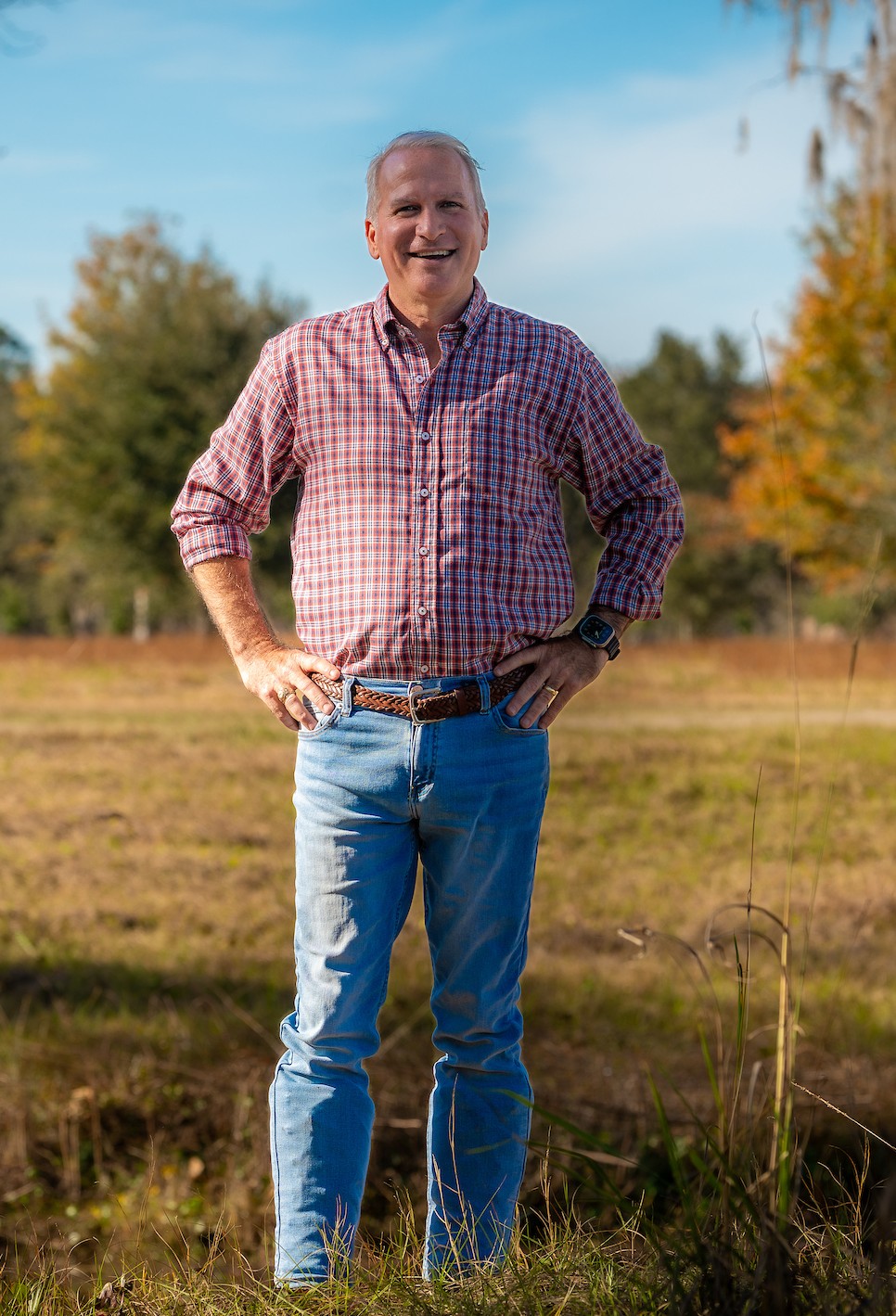
John Hillman has spent two decades launching luxury communities for brands like The Ritz-Carlton and One&Only. Today he is the owner and broker of Cabana Lane on Amelia Island, a brokerage, home builder, and interior design firm under one roof. In Episode 347, he explains why he and his wife built it that way and what it means for clients who start with raw land and a vision.
John spends much of the conversation on The 11 at Congaree & Penn, a Jacksonville community of eleven private land claims of about ten acres each, set on a working farm. He explains the thinking behind “agrarian revival,” why he calls the model “conservation through development,” and how owners get farm, culinary, and hospitality experiences without giving up their own land. He says 70% of the 100-acre residential area will stay in conservation. He also invites Jacksonville agents to walk the land on his Dusty Boots Tours.
He also covers the Amelia Island market:
How to prepare for a custom home build, including why design, engineering, and permitting can take as long as construction, and why he tells clients to plan on 20 to 24 months
Why buyers should weigh HOA trajectory, insurance, landscaping, and security costs, not just price and finishes
What trees, architecture, and neighborhood design do for long-term value
How to give clients candid advice and earn trust as a real estate advisor
Whether you work with luxury buyers, land buyers, or clients who want a different kind of home, this episode offers a fresh view of where Northeast Florida real estate is heading.
Full episode: tracyhayespodcast.com/347

 Apple Podcasts

 Spotify

 Overcast

 Castro

 PocketCasts

 RSS Feed
What if the secret to success in luxury real estate isn't selling more homes, but creating a lifestyle buyers never knew they wanted?
In this episode of the Real Estate Excellence Podcast, Tracy Hayes sits down with John Hillman. John Hillman is a luxury real estate developer, entrepreneur, and cofounder of Cabana Lane, a Northeast Florida real estate and homebuilding company he established with his wife. In this episode of Real Estate Excellence, John joins Tracy Hayes to share his approach to building client trust, asking better questions, and creating distinctive residential communities. From his work on Amelia Island and Crane Island to his latest venture, The Eleven at Congaree and Penn, John explains how thoughtful development can bring architecture, nature, and community together.
John also explores the evolving luxury real estate market, the importance of understanding a buyer's lifestyle before showing properties, and why agents must become trusted advisors rather than simply transaction facilitators. He discusses custom homebuilding, the advantages of boutique brokerage operations, creative property solutions, and his philosophy of conservation through development. Throughout the conversation, John offers lessons on patience, persistence, customer service, and creating lasting value in an increasingly competitive market.
Tune in to discover how John Hillman is redefining luxury living in Northeast Florida and what real estate professionals can learn from his approach to development, relationships, and service. Subscribe to Real Estate Excellence for more conversations with industry leaders.
HighlightsTop of FormBottom of Form
00:00 - 10:32 Building Trust and Understanding Buyers
- Why asking thoughtful questions builds client confidence
- Discussing budgets, financial comfort, and purchasing timelines
- Understanding lifestyle preferences before recommending neighborhoods
- Staying connected with hesitant buyers and navigating rejection
- Earning trust through honesty, patience, and professional judgment
10:32 - 28:00 Luxury Development and The Eleven at Congaree and Penn
- How John and his wife created Cabana Lane
- Introducing The Eleven at Congaree and Penn and its exclusive acreage
- Agrarian revival and reconnecting homeowners with nature
- Custom estates, farm experiences, and multigenerational living
- Conservation through development and protecting natural landscapes
28:00 - 36:02 The Cabana Lane Business Model
- Why John favors a boutique brokerage over rapid expansion
- Helping agents evaluate renovation and improvement opportunities
- Combining real estate, construction, and design expertise
- Supporting agents through technology, CRM systems, and AI
- Providing customized solutions for complex property transactions
36:02 - 48:00 Crane Island and the Luxury Buyer Experience
- Crane Island's approach to distinctive community living
- The importance of neighborhood character and architectural consistency
- Balancing privacy, amenities, and meaningful community connections
- Understanding the priorities of affluent and retirement buyers
- Navigating luxury market conditions and changing buyer expectations
48:00 - 01:00:00 Delivering Exceptional Service and Lasting Value
- Why communication matters throughout a real estate transaction
- Building confidence through knowledge and professional guidance
- Recognizing emotional considerations in property decisions
- Creating memorable experiences through unexpected service
- Delivering luxury without unnecessary overhead
01:00:00 - 01:15:37 Amelia Island, Community Planning, and the Future
- Development activity and growth around Amelia Island
- Understanding community infrastructure and long-term maintenance
- Common misconceptions about living on Amelia Island
- Lessons from John's real estate and development career
- Lifelong learning, emerging technology, and creating better lifestyles
Quotes:
"You got to be patient, you got to know when to press, and you got to earn the right to ask for the business." – John Hillman
"I don't want to earn a commission on what I think is a bad decision. I want to earn a commission on a really good decision." – John Hillman
"Your land, your food sources, and how you live should all be one integrated system." – John Hillman
"Luxury doesn't always have to be." – John Hillman
To contact John Hillman, learn more about her business, and make her a part of your network, make sure to follow her Website, Instagram, and LinkedIn.
Connect with John Hillman!
Website: https://cabanalane.com
Instagram: https://instagram.com/cabanalane
LinkedIn: https://www.linkedin.com/in/johnahillman/
Connect with me!
Website: toprealtorjacksonville.com
Website: toprealtorstaugustine.com
SUBSCRIBE & LEAVE A 5-STAR REVIEW as we discuss real estate excellence with the best of the best.
#RealEstateExcellence #JohnHillman #TracyHayes #LuxuryRealEstate #NortheastFlorida #AmeliaIsland #FernandinaBeach #JacksonvilleRealEstate #CabanaLane #CraneIsland #CongareeAndPenn #RealEstateDevelopment #LuxuryHomes #CustomHomeBuilding #RealEstateInvesting #RealEstateAgents #RealEstatePodcast #CommunityDevelopment #RealEstateLeadership #SustainableDevelopment
Are you ready to take your real estate game to the next level? Look no further than Real Estate Excellence - the ultimate podcast for real estate professionals. From top agents and loan officers, to expert home inspectors and more, we bring you the best of the best in the industry. Tune in and gain valuable insights, tips, and tricks from industry leaders as they share their own trials and triumphs. Whether you're a seasoned pro or just starting out, a homebuyer or seller, or simply interested in the real estate industry, Real Estate Excellence has something for you. Join us and discover how to become a true expert in the field.
The content in these videos and posts are for informational and educational purposes only. The information contained in the posted content represents the views and opinions of the original creators and does not necessarily represent the views or opinions of Townebank Mortgage NMLS: #512138.
REE #347 Transcript
[00:00:00] John Hillman: I love real estate 'cause it's a endless opportunity of, of creating things, being part things. And really for me, on the service side, helping people get what they're looking for, right? And so for me, I love that idea of fulfilling service level in my life that I wanna help people with, and having the experience to be able to get them to where they wanna be. Hey everyone, welcome to episode 346 with John Hillman, and this is a [00:01:00] jam-packed episode. Every moment has got a lot of information. If you're looking to move to Northeast Florida, this is information you need. he is an expert on Amelia Island. He's a developer. He builds homes. Him and his wife are very engaged from start to finish, in luxury home sales, and he even talks about a unique, subdivision of only 11 exclusive lots, the 11 at Congaree and Penn.
[00:01:25] Speaker: Amazing, amazing subdivision. Make sure you tune into that. John and I attended The Citadel at the same time. John is a class of '94. I was class of '92, so he was a knob when I was a senior, and that's where we start off, there as John and I just got finished talking about that. But tune in. We're gonna get right into John's business 'cause that's what you're interested about. So stay tuned, listen in closely, take notes, and please like and subscribe.
[00:01:50] John Hillman: to build that trust, I think it's so important that we understand the art of asking good questions.
[00:01:56] Tracy Hayes: Mm-hmm.
[00:01:56] John Hillman: And, I find it interesting that a lot of realtors still today are u- [00:02:00] uncomfortable asking the budget question. Well, the best question asker ever is Barbara Walters. She was always amazing at getting details out of presidents and other people- Right in this kinda unassuming way. And so instead of saying, "What's your budget?" I dance around sort of the, you know, where, where are you comfortable with an investment, o- of this level, and why?" Yeah. "And how'd you come to that number?" So I like to not press, but I do like to. I have to know their timeframe their budget, and why now. If you don't have those questions answered, you really don't have jack.
[00:02:30] Tracy Hayes: Mm-hmm.
[00:02:31] John Hillman: and it's something you gotta kinda come back and revisit, because sometimes clients will tell you, "Hey, I, you know, I think I'm ready." And then they go into pause mode, and then you gotta figure out, "Well, you'd mentioned that your retirement's coming and this was a good timeline, and this is, a thoughtful, you know, moment that we should be really thinking about the next step." And I think a lot of agents, Jacksonville is probably a little more primary, but where I live on Amelia, it's either secondary or early retirement or full retirement. So the big thing for me, and I don't know if they're aha [00:03:00] moments, but I'm a macro to micro person. I wanna make sure you fall in love with and Fernandina first, and then I represent a, a community called Crane Island. It's a barrier island. It's a gated island. and you fall in love with the idea of, what is that community about? Well, what we're about is, sustainability- that we wanna sure we're protecting the natural environment. We're also deeply, focused on this notion of historic architecture that looks like it came from our backyard. So Fernandina Beach, and this more broad term of Low Country, which if you think of Charleston- Mm... and metal roofs and big porches, that's the essence of what we're about. But then the third leg to the stool is this idea of quality of life. How do we help wealthy people, really anybody too, live their best life? And a lot of times what we're bringing back is the idea of, like, communities where people sit on porches and they actually connect with their neighbors again. Mm-hmm. They ask them how they're doing. They, You know, it's funny, at Crane Island, you always know when somebody's out of town, 'cause all the newspapers showing up on a porch. Mm. But now there's that one neighbor who will pick up the [00:04:00] newspapers and them away, so it's not so obvious. Right. So it, it's kind of funny to see- 'Cause
[00:04:03] Tracy Hayes: some of these are still receiving newspapers.
[00:04:06] John Hillman: That's true, right? Yeah. Th- not all, but some. So, so anyway, I, I think, in real estate, whatever success I've had been r- largely attributed to really, You gotta be patient, you gotta know when to press, and you gotta n- you gotta earn the right to ask for the business, right? Mm-hmm. And to me, you know, it's, it's just, it's kind a, a interrogation process, but it doesn't feel like one. It's more of a conversation.
[00:04:29] Tracy Hayes: Well, you brought up, a few things there. and to start what you s- what you started off, the question about how you're asking about their budget and how you ask it and get it out. I, you know, having dealt with real estate agents, being on the lending side, I mean, there's a lot of agents who are scared to ask some of those basic questions. Yes. And then they throw it over to the loan officer hoping that the loan officer's going to get this information out of them. Mm. which ultimately we do, but then it's like, okay, well how experienced is your loan officer to actually get this information?
[00:04:59] John Hillman: [00:05:00] Right.
[00:05:00] Tracy Hayes: Cause, well, I started my career at, Quicken Loans, now Rocket. Now, I was the older guy there 20 years ago.
[00:05:06] John Hillman: Yeah.
[00:05:06] Tracy Hayes: They're, most of them were in their 20s, didn't even their own home, you know, type of They were fresh out of college. you know. Now they're asking these people that are 20, 30 years older than them, you know, about their money, and how, you know, h- what's their comfortability, and how they're asked. Of course, there they were them on using the term, like, how much do you have to invest in this transaction?
[00:05:26] John Hillman: Yeah.
[00:05:26] Tracy Hayes: You know, I think that's a, you know, versus how much do you have a down payment? 'Cause first time home buyers will tell you, "Yeah, I have $8,000." Okay. Well, is that all you have available you? Do you have any others? Bank mom and dad, as you know- Yeah you know- Yeah these other, you know, you gotta ask all those questions. However, where there are people who, who have money- Yeah... and I'm sure you deal with lot up there that are very affluent. They could probably pay cash, but they may borrow against it, 'cause gonna keep that cash in the market.
[00:05:52] John Hillman: Yeah.
[00:05:53] Tracy Hayes: So it's not how much money you have available, it's how much you want to invest-
[00:05:56] John Hillman: Yep...
[00:05:56] Tracy Hayes: in this property-
[00:05:57] John Hillman: Amen...
[00:05:57] Tracy Hayes: at the time. That's it. it. So, you if you [00:06:00] were, you know, some, new agents, say, say we're at NEFAR or, or the up there, just talking to, to new agents, how would you, I guess give them the tact, give them the confidence that they are the trusted advisor. That's why they're, you're going. and to, be brave enough- Yeah... to ask some of these questions, 'cause it's going to actually, obviously, avoids a lot of pitfalls that could happen-
[00:06:22] John Hillman: Yes...
[00:06:22] Tracy Hayes: in a transaction.
[00:06:23] John Hillman: Well, and, and I'm, I'm a big believer, too. It kills me sometimes when I, I meet agents and they've, they're showing, like, 20 properties over days, and I'm like, "Time out." You know? Like- Yeah... like, like it's, it's the money question, but it's also getting back to the idea of, like, tell me about your lifestyle. Tell me about the things matter to you. What do you need near you? are you into golf and, you know, the country club scene, or are you, do you love to cook and so you want a good grocery store nearby? Do you potentially have children and you need schools nearby? And so getting that kind of macro understanding allows you to then drill down on two or three neighborhoods, not 10. and asking the, the thoughtful question [00:07:00] about, you know, where are you comfortable financially? You know, because at some level you gotta help that agent say, "I can do a better job for you if I understand a few things." And you might even l- you know, lead into it that way. Mm-hmm. Like, "There's, like, three things I really need to know to do my job best." And that way, you know-
[00:07:16] Tracy Hayes: The, the help me help you.
[00:07:17] John Hillman: Yeah.
[00:07:18] Tracy Hayes: Yeah.
[00:07:18] John Hillman: Exactly. Yeah. You know, so, so having that. And then the other thing I would always tell, an agent, is it's fantastic if, they're calling you and they don't really have it all figured out, because that's our job, right? Mm-hmm. You know, some people are like, "Oh, I need that ready, willing, and able buyer." Well, yes, those are great. Sometimes to get ready, willing, and able, they've gone some discovery. I wanna be part of that discovery, because then I'm helping build the trust and I'm building that rapport. the other one is, is make sure it takes five nos for you to go away. So, and I, I love- I've
[00:07:49] Tracy Hayes: never heard this. I gotta hear. Go, go through-
[00:07:50] John Hillman: No, no... your thought. Go through your idea. I, I love- I love, I love pulling deals out of ditch. You know? Or, or the, "Oh my God, they're never gonna buy." And you'd be shocked, just [00:08:00] a lot of, like, you know, gentle touches, right? Mm-hmm. You know, and I, I like to say you beat somebody to death with a feather. so it takes five nos for me to go away. Even when they tell me, "John, I'm absolutely never buy. Like, it's not gonna happen." And then, you know, so then it becomes kind of a, like a, you laugh at it, right? Right. Like, "Hey, it's, I'm on my fourth," you know? "It's gonna take me five, so I'm gonna reach out one more time." You know, I don't, I don't really do that, but it's once in a while I
[00:08:22] Tracy Hayes: do. Well, you know, at our age, we look back now and look at, and then we know when a door shut.
[00:08:28] John Hillman: Yeah.
[00:08:28] Tracy Hayes: And all of a sudden now we are looking to do something because we didn't realize that door was gonna sh- you know, shut yesterday. Correct. Now it's shut today, so what are we doing tomorrow?
[00:08:36] John Hillman: Yeah.
[00:08:36] Tracy Hayes: where if someone didn't reach back out to us, they wouldn't have gotten that deal because something in our life changed. We know that, and obviously it's an evolution of life. The younger person who's 25 or 35 hasn't experienced that enough yet-
[00:08:50] John Hillman: Correct
[00:08:50] Tracy Hayes: to realize that happens to everyone.
[00:08:52] John Hillman: It does.
[00:08:53] Tracy Hayes: Yeah.
[00:08:53] John Hillman: It does. And, Yeah, and I think, yeah, different life stages. What I always tried to do when I was younger is be that, [00:09:00] try to be, like, that impressive son that they would want, right? Mm-hmm. Like, I'm, I'm the kid, I'm trying to work hard, I'm trying to prove, I'm trying to raise a family. And so you trust me for that eagerness. And now that I've got lots of gray hair and older-... like, trust me for hopefully some wisdom that I've seen to kinda keep you out of the ditches. I think the other thing too is not being afraid to say no or to tell somebody, like, "You know what? I don't think that's the best move for you and your family." And a lot of agents are nervous about sort of offering a counter approach or to say, "Yeah, I'd rather not do this, 'cause I don't think, I don't wanna earn a commission on I think is a bad decision. I wanna earn a commission on a really good decision." And, people have appreciated that over the years.
[00:09:39] Tracy Hayes: Yeah.
[00:09:40] John Hillman: You know?
[00:09:40] Tracy Hayes: Yeah. Well, you know, having interviewed hundreds of the top agents, people that are producing, and I think we're in a period of time right now where you're actually seeing, you know, 2021, everyone was running around, stick a sign in the yard, anyone could sell.
[00:09:55] John Hillman: Yeah.
[00:09:55] Tracy Hayes: 22, May of '22, and the rates went up. Yeah. You're starting to see the [00:10:00] separation now. You're starting to s- I think you're starting to really see the cream of the crop, agents who are actually, even with rates as high, they are actually busy, and they're separating themselves- Mm... from the crowd. So it, it might even be a half a percent versus the, you know, 1% maybe. They're now like the, that c- half a percent cream on the top. And it's, it's having that kind of, a young lady I was talking to earlier this week, in another sh- podcast with Tierra, that you truly care, that y- you're ask- you ask- is asking questions 'cause you wanna deliver the best service.
[00:10:30] John Hillman: That's right.
[00:10:31] Tracy Hayes: Yeah.
[00:10:31] John Hillman: Yep.
[00:10:31] Tracy Hayes: Yeah.
[00:10:32] John Hillman: 100%.
[00:10:32] Tracy Hayes: Yeah. All right. So, today you're, you're working on, Crane Island. You're more working with more individual residential buyers. Is that precise? Yeah. per se or what, you have multiple... 'Cause you have your hand, you've had your hands in a lot of different things- Yeah,
[00:10:44] John Hillman: yeah over the years. I have.
[00:10:45] Tracy Hayes: What, what's your hands in today?
[00:10:46] John Hillman: Yeah. Great question. So, so essentially my wife and I founded Cabana Lane. Mm. And we wanted to be one destination you could go to. If you have a raw piece of land, you come and I'll actually help you figure out what to put on that land. I've [00:11:00] got 15, 20 architects I work with all the time. I've got hundreds plans, both in my brain and also, in our Dropbox folder.
[00:11:07] Tracy Hayes: Yeah.
[00:11:07] John Hillman: so I'm kind of the dirt guy, and my wife is the vertical person. She's actually a licensed general contractor. She's also an interior designer from Savannah College of Art and Design. And collectively, I think we bring something really interesting. And, I love it. I have one client says, "John, you're one throat to choke."
[00:11:25] Tracy Hayes: And
[00:11:26] John Hillman: he's from- He's from, Minnesota. That's his kind of like-... his, his real honesty of Midwestern values. but you know what? I'm okay with that, because what I've seen, people struggle, especially when you're doing custom homes, there's an architect, there's a landscape architect, there's a real estate agent, there's a home builder. How do you pick right home builder? Right. Like, all these facets. And so we've watched people struggle with it, and now we're able to deliver that with a really, a really balanced team. We've got a great, Barbara Hoover is our interior designer. Got Jason Chabot, who's our senior project manager. So we've got [00:12:00] field operations, interior design. I'm kind of more the business guy in the background. And so that's a big part of what we do on the home building side.
[00:12:07] Tracy Hayes: Mm-hmm.
[00:12:08] John Hillman: Crane Island has still got a little bit of runway. we've sold, 100 of the 112 home sites. But the most exciting project I'm working on is right here in Jacksonville, and it's at Congaree and Penn, which many people have been out to for a wonderful meal.
[00:12:21] Tracy Hayes: Mm-hmm.
[00:12:22] John Hillman: I got to know Scott and Lindsay as a customer. I was buying trees from them. They were a tree farm. So they have a restaurant and a tree farm. They also have 300-plus acres of land. And so for the last three or four years, I've worked with the team there, carving out 10... Well, actually, 11 10-acre parcels, And call it The Eleven at Congaree and Penn. Mm-hmm. And you can literally have your own farm within the farm. And so, we have a very exciting project that just began out there that the whole city is gonna know about in a really way. It'll be a national idea house. And,actually, my wife and I property owners out there, so I'm gonna Farmer John. I've [00:13:00] always said my third career was gonna be hydroponic farming.
[00:13:03] Tracy Hayes: So, or, well, okay- Yeah... so this is a, let's get the, Congaree... the name of the subdivision's going to be?
[00:13:09] John Hillman: The Eleven at Congaree and Penn.
[00:13:11] Tracy Hayes: The Eleven at Congaree and Penn. Okay. We make sure we get that in the blog and we tag that. Has it got its own website and everything right now? Oh,
[00:13:17] John Hillman: yeah, yeah. If, And
[00:13:18] Tracy Hayes: everybody- Okay. So we make sure we tag that in the, in the stuff.
[00:13:21] John Hillman: Absolutely.
[00:13:21] Tracy Hayes: what's a, someone out there searching comes upon this, There's only 11, so you gotta act quickly, right? Yeah. Have, has any houses been actually built yet? Or how far are you-
[00:13:29] John Hillman: we have the first home under construction.
[00:13:30] Tracy Hayes: Okay.
[00:13:31] John Hillman: It's gonna finish, by the fall of next year. and a luxury development. Yeah. So to be clear, the land values out there go from 650 a million.
[00:13:38] Tracy Hayes: Mm-hmm.
[00:13:38] John Hillman: it is an opportunity where the chef of the restaurant can come and cook in your house. You could join the bread club out there. You could join the tomato club out there. Like, it is... The difference of what you hear in the marketplace of agrihood is somewhat, as we would call it, costume. It's people think I have a barn and a tractor, like I'm farm.
[00:13:57] Tracy Hayes: Right.
[00:13:57] John Hillman: Well, Scott and Lindsay have been farmers 10 years. [00:14:00] Like, they make, they process a thing called a mayhaw grape. It's out of a hawthorn tree. It's produced in the month of May, so it's a mayhaw, and it, they make jellies, they make a cidery drink out of it. Many of the bars in, in Jacksonville actually have a Congaree & Penn cider. they mill rice and they make, if you've ever had shrimp and grits, have it with rice grits. It'll change your life.
[00:14:21] Tracy Hayes: Rice grits.
[00:14:22] John Hillman: Yes, so they say.
[00:14:22] Tracy Hayes: Now, what's the name of the, the restaurant?
[00:14:24] John Hillman: It's Congaree & Penn.
[00:14:25] Tracy Hayes: Congaree, Congaree and-
[00:14:27] John Hillman: And Penn. P-E-N.
[00:14:28] Tracy Hayes: And Penn. And Penn. Yeah. Okay. Yeah. I'm gonna make sure I tag that in, in everything as well.
[00:14:32] John Hillman: Yeah.
[00:14:33] Tracy Hayes: So, sorry. So, this is kind of a concept that you guys just started talking about, and you're like, we got this land," and, I mean, did you have this idea, or was it their idea, or did you pick this up from out west or something? Where did, where did this
[00:14:43] John Hillman: come from? It, it's, so in my life, I've always done land development, sometimes large parcels. done ranch projects out in Colorado. I've done gated golf course communities. Mm-hmm. But this has been a chance to do where we're really, as a society, somewhat disconnected from nature.
[00:14:57] Tracy Hayes: Mm-hmm.
[00:14:58] John Hillman: And so this is a chance go back [00:15:00] and live in nature. And like, you know, I'm 54, I still remember having a garden. I still remember as a kid- Yeah... getting in Carolina and Columbia-
[00:15:07] Tracy Hayes: I remember picking the weeds for Mom and
[00:15:08] John Hillman: Yeah.
[00:15:08] Tracy Hayes: Yeah. Yeah, yeah.
[00:15:10] John Hillman: So we're showing our age, but actually what's interesting is I think our children are actually into it. Like, like what I'm finding is, is people are questioning, "Where does our food come from?"
[00:15:19] Tracy Hayes: Yeah.
[00:15:19] John Hillman: So it's actually, there's a methodology that Scott and I have been brainstorming on called agrarian revival. And agrarian revival is built on this notion that your land, your food sources, and how you live should all be one integrated system. and not that, you know, it's not like a tease, like a bunch of preppers are, like, trying to go out there and grow their own food. Mm-hmm. There's nothing wrong with that. But, this is a place where if you wanted to be a gentleman or a gentlelady farmer, you could. If you wanted to, you know, just get stuff from the farm itself, they'll deliver it to your house. But it is a chance, I think, across many generations where you could have a family compound, if you will, and it could have a weekender cottage today 'cause you're [00:16:00] busy attorney or, or medical person- Right... in Jacksonville and you just want a weekend place to go to. Or you go on and build out your full compound with a main house and lots of cottages. we're gonna build probably, a workshop building early on for my wife and I. Mm-hmm. and it'll just be a retreat. And, the other thing that's nice, I think for Jacksonville is, like, they do this pumpkin patch every year. They literally sell probably Five or 10,000 pumpkins every year Oh, wow. So kids go out there, dogs go out there. People have been embraced with the farm now for years, and it's a great date night. But I sort of tease, now it can be a date weekend because they have 13 cabins that you can stay in out there as well, so.
[00:16:38] Tracy Hayes: So let me... So if I get my arms around this and picture it for the listeners.
[00:16:43] John Hillman: Yeah.
[00:16:43] Tracy Hayes: are the houses, like in a, a regular subdivision, set? Or because everyone, everyone has 10 acres, you've got some space, and then it's a space in between kind of the common area, if you wanna call it that, is, is the farm area?
[00:16:56] John Hillman: Yeah, it's a great question. There's... It's 330 [00:17:00] acres. Mm-hmm. the first 100 acres is dedicated to the restaurant, and where some of the orchards are. There's a middle district that's, like 150 acres they have just open hay fields and pasture areas. And then there's a wooded area where they put in the cabins. So you kind of a restaurant district, the cabins, and then the last 100 acres at the very end is dedicated for the, the 100 acres for 10 farms out there.
[00:17:24] Tracy Hayes: So your house may be over on this side, but you've got your little plot in the farm area if you want?
[00:17:31] John Hillman: No, no, no. All right. So you own your 10 acres, and you create your own farm within the 10
[00:17:34] Tracy Hayes: acres. Okay, within the 10 acres. Yeah. Okay, okay. So not a, it's not a, a necessarily a community farm like you might, you know, that you find some areas where they, the county- Yeah puts off this and people can go in and community farm. You have your own.
[00:17:48] John Hillman: You have your own.
[00:17:48] Tracy Hayes: What's the shared... Is, is there some shared benefit? you know, obviously you... I would imagine someone who's a l- you know, working at their day job, they're a lawyer or whatever- Yeah... a doctor, whatever, they're [00:18:00] not necessarily gonna go out there and work. But, you they may go out and play on the weekend and ride around on a tractor. They're... Are they sharing some of the, benefits of being within the community?
[00:18:11] John Hillman: Th-
[00:18:11] Tracy Hayes: they're... Yes.
[00:18:12] John Hillman: Well, so a couple things they'll share. And I also think there's probably some professional athletes that grew up in rural districts- Mm-hmm that kind of miss that. And they love being near the Jaguar's campus, but they wanna kind of still feel connected- Sure... to where they came So we're actually gonna try to work with as realtors who kind of focus on the professional athlete space. Mm-hmm. because I think it's, it's a great retreat, but yet, like literally you'll, you'll be in downtown in 25 minutes. Like Like, it's, it's North Jacksonville, but not terribly far away.
[00:18:39] Tracy Hayes: would we pass the airport or just before the airport?
[00:18:41] John Hillman: So if you take the airport and you go west-
[00:18:42] Tracy Hayes: Okay...
[00:18:43] John Hillman: and a little bit southwest- Okay you'll hit It's probably within, as the crow flies, probably six or eight miles from the airport- Mm-hmm that far. Yeah. It's on Old Kings Highway.
[00:18:51] Tracy Hayes: Okay.
[00:18:52] John Hillman: So anyway,Shared benefits will be, so there's this culinary side and a hospitality side. So that's staff, those things you wanna embrace. If, like, you [00:19:00] literally want a, a chef's dinner at your house, they'll come over. Or if you wanna meet... Scott's funny, Scott has all these mobile, he has, like, barbecue food truck some other food trucks. Mm-hmm. If you wanna go have, like, you and your fellow neighbors want to go have, like, a meetup in, more in the middle of the hay fields. Mm-hmm. And they have this one amazing, like, 100-year-old oak tree where we're gonna have dinners under the oak tree and light it up, with, like, twinkle lights and stuff like that. Like, like, it should be more-
[00:19:24] Tracy Hayes: It's, built around the restaurant, too, 'cause like you said, the-
[00:19:27] John Hillman: Yeah
[00:19:27] Tracy Hayes: they're, would imagine they're gonna go to the restaurant a lot 'cause it's there.
[00:19:30] John Hillman: They will. And- And it'll be cashless. They'll just show up, Yeah... and it's the Hayes- Part of their-... Hayes family. Yeah. And like, yeah. Yeah. Yeah.
[00:19:36] Tracy Hayes: Yeah.
[00:19:36] John Hillman: Yeah.
[00:19:36] Tracy Hayes: Interesting.
[00:19:37] John Hillman: Yeah. Wow. Yeah. And you can put a-... you put a governor on your, kids so they don't overspend. Most kids think DoorDash is free. So, though, but then, you know, I do imagine a lot of the property owners will have, like, some shared resources. Like, know, I've got the great turn mower and I let my neighbor borrow it.
[00:19:54] Tracy Hayes: Yeah.
[00:19:55] John Hillman: it is a non-conventional subdivision, for sure. [00:20:00] It's really, like, 10 farmers living under a 350 acre farm.
[00:20:04] Tracy Hayes: The cabins are owned by-
[00:20:06] John Hillman: Cottage Green Pin.
[00:20:07] Tracy Hayes: they own that and they, they rent those out. They're just
[00:20:10] John Hillman: there. Yeah. Yeah. I stayed there nights ago and, I mean, you wake up overlooking nothing but nature. And you can just- Interesting get on a golf cart. the cool thing is when you're out there, you don't need your car for anything. You either go by bike, horse, or golf cart.
[00:20:22] Tracy Hayes: Yeah. Well, I imagine, there are some, equestrian enthusiasts-
[00:20:26] John Hillman: Yes...
[00:20:27] Tracy Hayes: that they would be also interested in this atmosphere.
[00:20:30] John Hillman: So 100%. And one of the really cool things is, yes, you could board your horses on your property.
[00:20:35] Tracy Hayes: Mm-hmm.
[00:20:36] John Hillman: Lindsay Meyer is a well-trained equestrian rider. She does, I think, dressage and, hunter-jumper. so she's really into it. Mm-hmm. And she's a great resource for people that wanna create their own equestrian environment. But we're also part of, a state park on either side of us, so you've got, like, literally 2,000 acres you could go. If you're just a trail rider- Just
[00:20:54] Tracy Hayes: rider. Yeah.
[00:20:55] John Hillman: You go on up there and enjoy.
[00:20:57] Tracy Hayes: Wow. Amazing. Yeah. what... So I [00:21:00] imagine all the, all the homes are- you're helping design- Yes... custom, situations. What sort of... Just I imagine anyone listening now is going, "Okay, how much is this going to cost?" What, this initial home-
[00:21:11] John Hillman: Yeah...
[00:21:11] Tracy Hayes: you know, not to put out any personal information, obviously you're, you're first person in here, are we looking in the, you know, 2 million or 5 million? where are we looking at?
[00:21:21] John Hillman: Probably the first home would be between three four.
[00:21:23] Tracy Hayes: Mm-hmm.
[00:21:24] John Hillman: And I would, you know, give a little shout-out to Riverside Custom Homes. Matt Birdwell, the president of that group- Mm-hmm... stepped up and said, "I wanna be the first builder here to build." So he and their team is building this first home. and then, Marcus Mead from DF Luxury Homes will be the other builder. So we got two really fantastic Jacksonville, builders, several Jacksonville interior design firms. Troy Spurlin,Julie Sanford from Starr Sanford. both architecture and design- Mm... is involved. And then, you know, we pulled in some of the greats from Atlanta, Charleston, Beaufort, people that really understand low country, but in a farm [00:22:00] essence. Mm-hmm. and, you know, really old farm buildings were functional, right? it was a hay loft, it was extra tall the hay could dry.
[00:22:07] Tracy Hayes: Mm-hmm.
[00:22:07] John Hillman: You could have space up there. we really are into this notion of, like, I call it honest architecture. It's not, it's not make believe. It's not somebody adding third gables on things. Like they're really trying to do something that is, you know, really, to celebrate history. And, anyway, that's the goal.
[00:22:23] Tracy Hayes: So I imagine any of these, everything's going through you and your wife as far as design to keep the, I guess, the neighborhood-
[00:22:30] John Hillman: yes. so what we did, we partnered with a group called Pierce Scott Architects of- Mm-hmm... Bluffton, South Carolina. There's a great neighborhood called Palmetto Bluff. And so Pierce and team really have created the language of the architecture, and then my job, is just to help people walk the parcels. Mm-hmm. And it's kinda interesting. We actually named the land claims. So you buy claim number one, claim number two, number four. So here, i- this is different. Mm-hmm people might think I'm crazy. The trade-off is you buy a claim from Scott and Lindsay. [00:23:00]
[00:23:00] Tracy Hayes: Mm-hmm.
[00:23:00] John Hillman: Now you have a responsibility to shepherd that land, and you have to actually name it. So you get to name it-... and, Kinda
[00:23:07] Tracy Hayes: like your ranch, your-
[00:23:08] John Hillman: Yes. There you... And it can't, it can't be the Hayes or Hillman Claim. it has to be- It has to be-... something
[00:23:12] Tracy Hayes: creative?
[00:23:13] John Hillman: Yes. So we, we named ours Arden.
[00:23:15] Tracy Hayes: Oh.
[00:23:16] John Hillman: And Arden is, there's a Shakespeare play about this magical forest, and because we back up the Kerry State Forest- Mm-hmm... it was that intrinsic aspect of our claim. And it's really cool 'cause our, our land goes from pasture land to deep woods to magical forest behind it. So that'll be the name of our claim.
[00:23:33] Tracy Hayes: Excellent.
[00:23:33] John Hillman: So i- it's a little different responsibility.
[00:23:35] Tracy Hayes: W- you mentioned one thing I think is important is, got it designed or zoned, they can build aux- what, auxiliary dwelling units. Yes. ADUs. So it could be a generational-
[00:23:47] John Hillman: And it's, it's fully intended to be just that Yeah Like literally if you had a couple kids and each wanted to build a house out there, you could totally do that. Yeah. And, and that's, I think, the big intrigue for a lot of people. And we don't mandate you gotta build... [00:24:00] We do ask you to build something in years. That's, you could build a potting shed building, we don't care. Mm. But you gotta build something. you could have a main house, you could have bunk cottages, you could have a workshop. One of the things we're really excited to try to pull off is the ultimate either car barn or the ultimate fitness barn, and we'd love to partner with, like, the strength training team- Mm-hmm at the Jaguars or others, and really design purpose-built, like, wellness, like, on steroids, in barn. You might have a full court basketball court in there. Yeah. 'Cause the thing is, we're not constrained on land. Yep. You could build a lot of things.
[00:24:34] Tracy Hayes: Yeah.
[00:24:34] John Hillman: So-
[00:24:34] Tracy Hayes: Yeah...
[00:24:35] John Hillman: anyway, that part's kinda cool. As
[00:24:36] Tracy Hayes: long as it's tasteful.
[00:24:37] John Hillman: Ye- yeah.
[00:24:37] Tracy Hayes: It's gotta look good. You know, you're not, you're not going in and building something you might see in South Beach. You're, you wanna stay with the-
[00:24:42] John Hillman: Yes...
[00:24:42] Tracy Hayes: the farm. And that is so interesting. I didn't even realize this. Is there, is there anything remotely in the country or in the southeast that's, that has this kinda concept or, especially with this much land that you're actually talking about. Yeah. Only 11 homes and having, you know, 10 acres and being able to build auxiliary dwelling units or like you said, if you [00:25:00] built, you know, you wanted a basketball court for whatever, but you, you could do that. is there anything remotely like that from a community?
[00:25:06] John Hillman: The, there, there are different aspects of it. So in near Atlanta, there's a project called Serenbe, and it was, the idea for that owner to take rural land. And the only way to protect that rural land was to create some density and create little small villages. So Serenbe did a good job with that. Places like Blackberry Farm, which is pretty renowned, more hospitality, but they do have residential.
[00:25:27] Tracy Hayes: Mm-hmm.
[00:25:27] John Hillman: it's an opportunity for large landowners to monetize the land but not give up the land. And so the really fascinating thing, and Scott coined this phrase, "conservation through development." Well, that's like an oxymoron. You know, most of the time when, most of the time with development, you're trying to maximize.
[00:25:43] Tracy Hayes: Yeah.
[00:25:44] John Hillman: In this case, we're able to get a return using 30% of the land. So we're a- actually able to conserve 70% of the 100 acres will kept in conservation. And owners will love this, it's ag-based zoning, so guess what? Your property [00:26:00] taxes are a fraction what it is elsewhere.
[00:26:02] Tracy Hayes: Oh, that's a huge bonus right there. Yes. That we, we talk about our new amendment coming here in a few weeks. Yeah.
[00:26:08] John Hillman: Yes.
[00:26:08] Tracy Hayes: Yeah.
[00:26:08] John Hillman: So that
[00:26:09] Tracy Hayes: all helps. Uh,didn't think about that, but that is huge, especially when you're talking, you start put it in that value of land, what kind of tax bill-
[00:26:14] John Hillman: Yeah...
[00:26:14] Tracy Hayes: you're going have. Yeah. Oh, very. That, that, yeah. Wow. yeah, we've we gotta see how this, as this continues to develop. How long do you think it... You know, you only have 11 claims-
[00:26:25] John Hillman: Yes...
[00:26:25] Tracy Hayes: to sell.
[00:26:26] John Hillman: Yes.
[00:26:26] Tracy Hayes: how many are, are already spoken for?
[00:26:28] John Hillman: So one is already built. One is under- You've got
[00:26:30] Tracy Hayes: one...
[00:26:30] John Hillman: one's under construction, and I bought one. So we have
[00:26:33] Tracy Hayes: eight. So there's eight So there's eight left.
[00:26:34] John Hillman: Yeah.
[00:26:34] Tracy Hayes: Okay. Yeah. I know some people that, work some of the Ja- you may know them, already. I, I know an agent right now that I think you need to call.
[00:26:41] John Hillman: Oh, love that. Yeah. And we're, we're also... So we're just getting started. I wanna make sure for a lot of agents, like it all looks good in my head even a road gets cut in, but it's hard for a lot of people to digest that. So we're gonna do, I call it the dusty boots tour. And I'm gonna have one the end of October and one November. I'm gonna invite any Jacksonville agent who wants to come out, spend an [00:27:00] hour with me, walk in the dirt, kick up some dirt- and really learn about it because it is a very unique offering.
[00:27:05] Tracy Hayes: Make sure you con- I would, because like I said, I've interviewed- Well, this is episode 346, so 320 of them had be top-producing agents. I would love to be, like, just to give you a privilege, maybe invite five or six agents that I think would actually align- I'd love that... with what you're doing. and truly appreciate what you guys are doing out there. Sure. That sounds, that sounds amazing. I wish I had that kind of dime to drop. Well- I, but And my wife goes, "Can we move out of St. Johns County into Duval?" 'Cause she grew up in Duval County. Oh. She grew, she went to Sandalwood High School here, Nice. And we, but we went to St. John's to raise our family with, you know, the schools and so forth, so. Well, take it- But we only have a few more years. My daughter is an eighth-grader, so, you know.
[00:27:43] John Hillman: Okay. There you go. No, you're close. And, and again, the, the nice thing is you can go out there and experience farm for a meal or for a weekend. These cabins are-
[00:27:50] Tracy Hayes: Yes...
[00:27:51] John Hillman: they're really neat. They're made by the Amish. They're super well-built. it's all you and nature, and they, some have living rooms and kitchens, and you're like, you can be really comfortable out there for a weekend.
[00:27:59] Tracy Hayes: Yeah.[00:28:00]
[00:28:00] John Hillman: Yeah.
[00:28:00] Tracy Hayes: Yeah. that's just awesome. That's just awesome. Let's talk about Cabanalene. w- and we've kind of dwelled a little bit on a, a bunch of different things 'cause you, you've got your, between you and your wife, got your fingers in everything. But Cabana, Lane, you're working on developing land. She's designing. I know you've got a little bit of a roster of some Are you recruiting- Yeah... agents or what are a lot of those, people that I see on your roster are, you know-
[00:28:22] John Hillman: Yeah
[00:28:22] Tracy Hayes: are they just active and just regular residential sales? are they doing?
[00:28:25] John Hillman: Yeah, great question. So, you know, I look at the landscape of companies. Mm-hmm. Many of them are all about hyper-growth, right? Adding agents, building, doing training programs all that stuff. I'm sort of the anti of that. Mm. Not, not that I have anything against training and all that, 'cause I, I think there's stuff we learn. I think most of our agents look at us as a resource for
them to offer greater solutions to their customers. So imagine you're listing a home that's an old tired home, right? Well, AI gives us the benefit of kind of glossing it up visually, but for a lot of people, they're gonna wanna know what does it really take to do a, I call it the [00:29:00] lipstick improvement, you just gloss it, change out furniture, or maybe we have to move walls around. So the benefit that we can an agent selling is this idea that we can actually put together a real pro forma of what it take to fix the house.
[00:29:13] Tracy Hayes: Mm-hmm.
[00:29:13] John Hillman: Not only does that help the selling agent, it helps the buyer agent. My
[00:29:15] Tracy Hayes: wife wants to talk to you about this already. I already know. Okay. Go ahead.
[00:29:19] John Hillman: No. So there's, there's not really a great resource for that.
[00:29:22] Tracy Hayes: No.
[00:29:22] John Hillman: And because we are realtors, we think like realtors. We're not... And we do have a building entity. Many builders are so busy they just don't have the time put it together.
[00:29:31] Tracy Hayes: Right.
[00:29:31] John Hillman: I can put together, like, really
[00:29:33] Tracy Hayes: Yeah.
[00:29:34] John Hillman: so that's a kind of like a value add. So we really look for agents who appreciate that, who wanna be part of that. a lot of our agents have been doing this for years- Mm-hmm ... and, they work with big firms. we're a little more digestible. Like, we don't, like take 50 or 60% of your money for the first chunk. We just have a 90/10 split.
[00:29:52] Tracy Hayes: Yeah.
[00:29:52] John Hillman: It's a real simple split.
[00:29:53] Tracy Hayes: Yep.
[00:29:53] John Hillman: really m- minor sort of, technology fee. still my tech background is super important to me, so way we use [00:30:00] CRMs, the way we talk about using AI, like all that's kind of integrated to our- Yeah ... brand and how we go about it.
[00:30:05] Tracy Hayes: Mm-hmm.
[00:30:06] John Hillman: So.
[00:30:06] Tracy Hayes: well, the, the, part you were getting there, which I think is important, and you met Tom, and we, we talk about it all time, from a lending side- We have to sometimes put deals together. Mm-hmm. Because there's a it's, not every deal's a, a cookie cutter, "Hey, I got down, I got great credit and great income." It's not in, or, you know, they may have great income, but where it comes from and, you know, Hey, I wanna move from this house to this house, but my money's all, you know, over here, and if I take it out, gonna be hammered by the tax man." And you gotta be, y- gotta creative and nimble from a, a lending side. But also in some of the more desirable areas-
[00:30:43] John Hillman: Yep ...
[00:30:44] Tracy Hayes: the address is there and the home's there, but it's not quite the home that the buyer wants, and how I make that-
[00:30:50] John Hillman: For sure ...
[00:30:50] Tracy Hayes: into it? they want the address, they just want more of a home they desire.
[00:30:55] John Hillman: Well, I've had- Yeah ... more lenders help me get over the hump because they were creative. Yeah. They They [00:31:00] understood how to handle remodel. They understood, the best way to structure deals. Sometimes people are needing to cross-collateralize, deals, you know, from elsewhere they own outright. Mm-hmm. So having the right partner, and I'm not just saying it 'cause I'm sitting next to you. Yeah. but, you know, lending partners, banks, make a huge difference in deal flow.
[00:31:17] Tracy Hayes: Yeah.
[00:31:17] John Hillman: Yeah. and really, I look at realtors as we're conductors, right? You know, if I've got command of a builder helper or remodeler or financial institutions, having actually a great closing attorney, all that matters because it feels more seamless to the consumer.
[00:31:33] Tracy Hayes: Yeah. I think it's more important as, today to, if you're not, if you You know, when I first started as, as, for example, when I first started at Quicken, we didn't even do VA and FHA loans. We were mainstream cookie, or we had some alternative lending stuff. It was kinda crazy. You know, the, obviously at that time in 2005, '06, and '07, you had the, the Nina, the Cisas, and all those kinda deals going down. Yeah. and it wasn't until the markets, you went south that all of a sudden, [00:32:00] "Oh, hey, we need to start doing VA and FHA loans." and you, they started expanding. Well, m- obviously there's a lot of loan officers and, you know, it's just 'cause most of the loans you're doing are in that category- Mm-hmm that when it starts to get into renovation and construction, it really helps, not only to have the loan officer at least that could facilitate it, but it's really the back office of some of these lenders, the operations side- Mm-hmm ... because they get, a good, lender is going to have that team that that's all do.
[00:32:30] John Hillman: Yeah.
[00:32:30] Tracy Hayes: So the loan officer gets the, you know, makes the contact, but then they hand it off to them because they do it all the time. They know how to handle the draws. They know how to go through the plans. go, you know, all that, you know, the, read appraisal correctly.
[00:32:41] John Hillman: Yep.
[00:32:42] Tracy Hayes: All the things that are important to making the deal happen.
[00:32:45] John Hillman: I always say that cash is like oxygen.
[00:32:47] Tracy Hayes: Yeah.
[00:32:48] John Hillman: You know? And if you, you gotta have a good pipeline of it, and the draw schedule is super important to Dawn and I. That's how we keep projects going, you know, on schedule. So no, it's, it is, the really great realtors understand all this- Yeah ... and [00:33:00] they, they wanna, they wanna get in front of it and bring their teams to the equation.
[00:33:03] Tracy Hayes: Well, as,my boss, he likes to use the term fuel. Yeah. You used oxygen. He li- he uses the term fuel. It is. Fuel. Fuel It's the fuel that makes the, makes it, go. All right. When a buyer is deciding on Amelia Island, what are they really asking, and how does Postcard Living answer it?
[00:33:20] John Hillman: So Postcard Living, I give my wife all the credit. It's kind kind of the fuel behind what we do. So if you begin with the end in mind, I'm a big Covey fan, this idea that, you wanna live in a place that you would write a postcard about, right? Your neighborhood, your home, your way of life. Mm-hmm. So we start there, and we really kinda digest with a buyer, like, "Tell us how you see yourself living here, and are the things you enjoy doing?" And then that starts to figure out, you know, I look at the island almost in, like, three segments. The south end is the Omni Plantation. it's a little more second home. It's golf, resort. It's the resort section. The middle section, as for teasers, where the real people live. No, not [00:34:00] to they're all- The The people that
[00:34:00] Tracy Hayes: make the island work. Yeah.
[00:34:02] John Hillman: Yeah. And, and literally w- make it work. Yeah. they might work the mills. They might work in the hospitality. they're service workers. Like, yes, and there's a huge spectrum of price point, from 300K to maybe a million. And then the north end of the island, there's some historic areas, downtown, of course, Old Town. and so I think giving people sort that realm of- How do you wanna live your life? What's the lifestyle? Like, lifestyle really drives it, not the granite, not the- Mm-hmm ... not the countertops, not the cabinets, not the master bathroom, whatever. Yeah. 'Cause like I always say, you could have the best design ever in the worst neighborhood ever.
[00:34:35] Tracy Hayes: Exactly.
[00:34:36] John Hillman: So if you don't pick the right community and neighborhood, it, it throws it off, right?
[00:34:39] Tracy Hayes: Lifestyle's always a big topic we talk about on the show, and because, you the content that goes out there, I think people moving to Florida, have this in, this vision. They may have here at one time- Right you know, espe- but they have this envision of this lifestyle they're going to live. Maybe they are going to retire. Yeah. You know, where... You've lived in other place. You've... [00:35:00] Dallas, Vegas, and so forth. Is there any other place that focuses, that the importance of lifestyle is than Florida? And especially here in Northeast Florida, where you were.
[00:35:09] John Hillman: Yeah, for sure. Hawaii would probably be the one that really focuses on- Mm-hmm ... sort of the dream, right? The, you know, how do I wanna live my life? my wife and I love to eat out, so like a huge part of our equation is where are the restaurants, where are the great grocery stores? I think for a lot of people, they like the idea of walkability, too, so like knowing that things are compact and nearby. One of the I really adore about living on Amelia is you get your life back. I lived in Naples in Sanibel, and that hour drive and just always feeling like you're in congestion and, you know- Mm-hmm unfortunately in Jacksonville we have some of that. but there's reasons why people live in San Marco and some other little pocket little districts, because there is that feeling of connectedness and that kind of urban light kind of feel.
[00:35:52] Tracy Hayes: Yeah.
[00:35:52] John Hillman: So, Fernandina, you know, if you're a golf resort person, you head south. If you're a walk to dinner person, you might live [00:36:00] in the walks of downtown.
[00:36:02] Tracy Hayes: Crane Island is almost sold out.
[00:36:04] John Hillman: Mm-hmm.
[00:36:04] Tracy Hayes: Right? Maybe I underst- the AI helps me with these questions. It picks up these finer points. What does that mean for Amelia Island market?
[00:36:13] John Hillman: Well, in many ways, you not to toot my own horn or Jack's horn, so it's, it's father-son. There's the Helins and myself really worked the effort to create Crane Island. Mm-hmm. and it's been a great partnership working with them. We knew we were gonna try to create something that didn't exist. the Amelia Island Plantation, Long Point was kind of there, and the beach were kind of the gold standards. Well, we've created kind of a new gold standard out of thoughtful design, quality of architecture, quality of implementation, and really this idea that, like, it's like when people travel. You could go stay in a five-star hotel with 200 rooms at a Ritz Carlton, or you might stay the Little Nell in Aspen, or you might stay in this, like, really great five-star with a Michelin restaurant. People like that intimacy. Mm-hmm. So our neighborhood offers that level of [00:37:00] intimacy, and really the idea of escapism that's not laden with burden. Like, a lot of times you live in a country club neighborhood and well, it's like, "Oh my God, I gotta pay, like, 20 grand a year to go have my first cocktail- Right or, or play a round of golf.
[00:37:12] Tracy Hayes: Yeah.
[00:37:13] John Hillman: Nothing wrong with that, and the clubs need money, and I've, built a lot of clubs. Yeah. so-
[00:37:16] Tracy Hayes: Nice things, nice things cost money. And,
[00:37:18] John Hillman: They do
[00:37:19] Tracy Hayes: they're maintained.
[00:37:19] John Hillman: So, so, so we kind phrased this idea of, luxury without the overhead at Crane Island. we have a four or five million clubhouse. It's got a gym. It's got, what I'm really proud is we have an honor bar. So in oth- in other words, all the owners have t- taken... If you go in and grab two beers or, or a of wine or a bottle of wine, you gotta bring one back and match that. And so we've for- An
[00:37:41] Tracy Hayes: honor bar?
[00:37:42] John Hillman: Honor bar.
[00:37:42] Tracy Hayes: Oh my God.
[00:37:43] John Hillman: And so that's like like a- That's like an amenity that came of nowhere.
[00:37:46] Tracy Hayes: Has anybody had to go to the honor court?
[00:37:48] John Hillman: every once in a while. But I, I, I do not... I tease that, we have a little hidden camera so we know who that one or two people are. but it, so it does come back- to this idea of I wanna live in a great neighborhood. And so [00:38:00] there's luxury communities that are amenity rich. We're a little amenity light, but, community rich. In other words, the owners are all from elsewhere, and they now travel together. They become good friends. Mm-hmm. so that part I'm really, really proud of. back to the, uh,value equation, you know, at Crane Island when we first started, you know, we thought we'd maybe get to, like, 7 or 800 bucks a foot. We sold a river home recently for, 1,400 bucks a foot. Wow. and not to brag, and interesting what we imagined with luxury buyers how when buyers got there and really embraced everything- They went all in. Like, they made this nicer than what we even imagined. Mm-hmm. So, so the architects, the builders, the interior designers, I give them all the credit because they really helped elevate the game. And you would almost have to go to places like maybe Ponte Vedra, maybe Windsor, Florida, Palmetto Bluff in South Carolina, Sea Island- Mm-hmm ... to see a of, of a similar quality. It-
[00:38:58] Tracy Hayes: When the, the [00:39:00] amenities, someone at that price point, if they're either buying or building a home, there, that often has a lot of the amenities that- a standard subdivision, if we wanna use that word. Yeah. Nocatee, let's or, you know, those type of places that build, community amenities centers that have some, the bigger pool, whatever. I would imagine, you these luxury buyers that you're working with, what are you find- what are, what do they want outside of their home? Yeah. And it sounds like obviously having a community, you know, club, an honor bar, that kinda thing, where they can mix and mingle outside of their house, But yet they still have those amenities, the saunas, those kind of things-
[00:39:39] John Hillman: Mm-hmm
[00:39:40] Tracy Hayes: in their home.
[00:39:40] John Hillman: Yeah. So for a lot of them, they did create sort of the resort within their property. Mm-hmm. So really nice gyms, you know, studios of some sort.
[00:39:48] Tracy Hayes: Mm-hmm.
[00:39:49] John Hillman: One of the things we try to do is just offer choice to consumers, and we made, like, a big deal about this, from a purchasing process where if you wanted to join the Amelia Island Club, that's the tier one club. God [00:40:00] bless you, go for it.
[00:40:00] Tracy Hayes: Mm-hmm.
[00:40:01] John Hillman: You can have golf, tennis, and really fabulous dining. If you wanted to join the Golf Club Amelia, which is still very nice, next to the Ritz Carlton, has a beach club, it just doesn't have the n- you know, the sense of every amenity. So I think people really appreciated notion, you know, I live up in Malvern, PA, I have like, you 100,000 dollar club membership, and I got that there. I don't really need it here.
[00:40:23] Tracy Hayes: Yeah.
[00:40:23] John Hillman: And so for a lot of people, like we... You can ride your bike from Crane Island to the beach. We put in a bike path that goes all way there.
[00:40:29] Tracy Hayes: Mm-hmm.
[00:40:30] John Hillman: working with the bike club, and it, it creates moments and experiences. You don't have to pay for it. Yeah. You just go and enjoy. You can join the clubs if want, or you could just drive downtown in three and a half miles and have, like, 30 restaurants to pick from.
[00:40:44] Tracy Hayes: Yeah.
[00:40:44] John Hillman: So I think people maybe... I sort this is ridiculous, but like- ... there was a World War II generation that needed the club to kind have status. Their kids kind of went down that same rabbit hole. Mm-hmm. I think we're entering an era of time of people in their 40s and 50s and 60s [00:41:00] that are maybe kind of wanting something maybe a little different, and Crane Island kind timed it right. We offered something different.
[00:41:06] Tracy Hayes: it sounds ama- 'cause I, I think, you know, when you're looking at the, the general population, the general buyer, you know, and moving to Florida, you know, obviously I live in St. Johns County, You got CDDs, got HOAs, or you can go live on the county road and not pay any of that. There you go. That's, it's totally, you have options, and what I'm reading there. You're giving them options-
[00:41:25] John Hillman: Yes ...
[00:41:25] Tracy Hayes: which makes it very attractive to any level buyer, 'cause it's not that far down the road. they really do wanna belong to that club and have that golf course, tennis courts, you know, those types of things going on-
[00:41:36] John Hillman: That's right ...
[00:41:36] Tracy Hayes: on a, on a daily basis.
[00:41:37] John Hillman: Yeah.
[00:41:37] Tracy Hayes: Yeah. Yeah. that's... I guess what, what's, you as I'm learning about you and, and expanding my mind right now- this kinda niche that you've gotten into, the lifestyle, the understanding of, you know, how to take this piece of property, 'cause I think some people probably would've looked at Crane Island and said, "Oh, let's..." You know, I don't know there's room to put a golf course on it. "Let's make this big [00:42:00] club." You know? Yeah. "Let's be like the plantation in Ponte Vedra. You're gonna pay in. It's money to pay in and be all a part of it." Where you saw something different, and not to, pigeonhole- Right ... someone to that club. gonna pay all this money, so you better go to that club.
[00:42:14] John Hillman: Yeah, it was different, right? Yeah. And, And we lost some people because of that. but then we found there were a lot of people were really thirsting for it, and there was no other place provided that. Mm. So we did, we filled a gap. I still think, and even agrarian revival is about this idea of quiet luxury, that your luxury doesn't have to come with every imaginable. In fact, we almost see it as, really thoughtful editing in your life to just get to where you really need to be, not what you must have or what your friends have. So, I'm kinda curious in the next 20 years of my work life how much will be more in that realm because the world is coming at us so quickly with so many things, that maybe the fewer things you have creates more joy.
[00:42:59] Tracy Hayes: Yeah, [00:43:00] yeah.
[00:43:00] John Hillman: Yeah.
[00:43:00] Tracy Hayes: Well, my wife and I, we, you we have family members say, "Hey, we wanna go buy this house in North Carolina." It's like, okay, you're still gonna be working for the next 15, 20 years of your life.
[00:43:10] John Hillman: Yeah.
[00:43:10] Tracy Hayes: So how often are you actually gonna get there? where there's so many places in this world that we wanna go and travel and see. Yeah. If I'm pigeoned to a house North Carolina every time we wanna leave town-
[00:43:23] John Hillman: Sure
[00:43:24] Tracy Hayes: that's kind of our mindset, You know, to keep our options open and, you hey, you know, I wanna to that restaurant. I don't wanna have to go to the club every night, 'cause maybe the club has really bad service. You know what I mean? So it's like- Yeah. Yeah.
[00:43:36] John Hillman: Yeah.
[00:43:37] Tracy Hayes: Yeah. 'cause I'm sure that's probably a, a huge, complaint or someone who's thinking about getting into type of communities. right now buyers think it's 2008, sellers think it's 2022. you know, you're dealing obviously a lot in a custom and a luxury market. It seems to be a majority of your buyers. what is the feeling, the sense, obviously, those who, some them who do need to borrow money, but, obviously the type of client you use that [00:44:00] does have some expendable money or large investment, portfolios. What are they, what's their mindset right now?
[00:44:06] John Hillman: Yeah, it varies, right? Mm. And that's, I think, kind of the, the interesting and opportunity of right now for savvy realtors is how do you kind of read the tea leaves? And I, I do tease that, you know, some buyers think it's '08. Mm. And some of the sellers still think it's '22, '23. Mm-hmm. Mm-hmm. so there's a great quote that, you know, the cynic knows the price of everything but the value nothing." And, and so you've gotta, you've gotta really help people understand value. Yeah. And value is not just price, but it's like time is value. Yeah. So, uh,like of the challenges we have at Crane Island is do wanna build and it takes two years of your life, or do you wanna move into something that maybe you have to pay an extra 100 or 200K for? There are some wealthy people that their time is more valuable than trying to save a bucks, and going through the brain damage of building, for some. So, so I think it's in how you kind of read it. I think every property is unique, the way they were built with quality, the way they [00:45:00] designed. You some people went to like the crazy extreme, like I call it the no apologetic, luxury. And were maybe a little more thoughtful, where the primary areas and the kitchen areas had all the great inset but when they went to secondary spaces, went to overlay cabinets. Mm. And they, they just were f- reasonable about it. Right. but when they're both in the same neighborhood, it makes it complicated, right? Yeah. 'Cause I've got a $1,400 a foot riverfront home, and got a Marsh home that's like, it's 7 or 800 bucks a foot. And are like, "Well, what happened?" And- So it's, it's a dance. Let's go
[00:45:31] Tracy Hayes: inside.
[00:45:32] John Hillman: Yeah. Well, that's it. That's, yeah, that's great. That's, that's the answer is, yeah. Yeah, yeah. Let's go see it and touch it and feel it.
[00:45:37] Tracy Hayes: Yeah. cause you've dealt in this market a little bit, and I think it's the, it's their mindset and, from the standpoint of, I don't if it... And y- you may have, your opinion on it, where they got their money, how they their money. 'cause we know some, some of your buyers probably have- more money than God sometimes, and you're like, why are you stepping over a quarter to [00:46:00] pick up a nickel here? Mm-hmm. You know, type of thing. but people like that. the generations, was just working last week up at, you unfortunately my aunt passed away, but my aunt and uncle obviously were born during the '30s. Mm. And they grew up end of the Depression into World War II where you're rationing things and so forth, and the things they held onto. it's just a mindset of- It is ... where they came from-
[00:46:23] John Hillman: Yep ...
[00:46:23] Tracy Hayes: and the time period. Where their money, was it given to them? Did they earn it? You know, and how they're gonna spend Yes mindset, yeah.
[00:46:32] John Hillman: Yeah, no, I think, At least almost every self-made person I ever met- Mm-hmm ... was very thoughtful about how they spent their money.
[00:46:38] Tracy Hayes: Yeah.
[00:46:39] John Hillman: there is a, a level, too, though, where once they get comfortable with the process and how things are budgeted, they start to loosen up a little bit, you know? and then sometimes there's this conversation, it seems so ridiculous, it's like, "You worked hard for your money. Please enjoy
[00:46:54] Tracy Hayes: it." Yeah. Yes. Yeah, th- You know? You know? That, isn't that so- Yeah ... that's what blows my mind, but, but- Yeah ... 'cause some of these things [00:47:00] actually do get, down to some nickels and dimes. Like, Yeah ... you know, Kim Knapp, President of NEFAR, I had her on, and I remember the time I had her on, we were talking about, you know, letting a deal, people arguing over $1,000 on a six, $700,000 purchase, and they're, they're arguing over $1,000 repair situation, which probably doesn't even cost $1,000 to repair. And they're, they're arguing. It's like, really? You're gonna away? This is the address. the house you you just in love with the house. It's the address you wanna be and raise your kids, and gonna walk away for $1,000?"
[00:47:27] John Hillman: I know, it's crazy.
[00:47:27] Tracy Hayes: Yeah.
[00:47:28] John Hillman: Unfortunately or fortunately, sometimes the realtors have to solve the last mile.
[00:47:32] Tracy Hayes: Yes.
[00:47:33] John Hillman: but I always, this is maybe whether it's advice to others, it's always great when everybody participates in that last mile, you know? Mm-hmm. It's really irritating. I know a lot of realtors and I feel this way, like, well, are you gonna give up, you And I was like, "Well, I'll give up some if you give up some, because all think this is important." You know? But a young realtor would just give up. Yes. Like, part of it, part of it is just trying to get comfortable in your own skin with that stuff.
[00:47:55] Tracy Hayes: Well, this is, and w- a common topic that comes because a lot of the top agents come on and [00:48:00] they're, you they're doing deals or working deals or negotiating all this stuff.
[00:48:03] John Hillman: Yeah.
[00:48:03] Tracy Hayes: and the on the other side, whether it's they're, they're ta- there's an ego or they, they for some reason take it personally. If you were coaching agents who wanna get in the luxury market, maybe they, they have dabbled in it, 'cause I mean, obviously there's a lot of it there i- and around, you know, your neighborhood and the, the different agents that I've had there that are, they're doing really well. And so the importance of, of collaborating and actually talking with the other agent and strategizing, 'cause you got one who wants to sell, one person wants to buy. Let's-
[00:48:32] John Hillman: Yes
[00:48:32] Tracy Hayes: w- we've got them in, in the henhouse, let's get done.
[00:48:35] John Hillman: Yeah. Yeah. I think the communication with the other side is paramount. Like, you've gotta really just be honest and upfront about things. you know, I try to give sellers as much background on my buyers, where they're coming from, why they're now, and all that kind of stuff. And vice versa, know, I'll sometimes just beg the question, like, why are they selling? And a lot of times it could be a job transfer, health related, sometimes divorce. Like, things come up. And it's not to use it unnecessarily [00:49:00] against them, but it's just to get intel.
[00:49:02] Tracy Hayes: Mm-hmm.
[00:49:02] John Hillman: So that when we do get there, we have built up that level of trust. I think now more than ever, most agents are more willing to talk because we're trying to get things done.
[00:49:09] Tracy Hayes: Yeah.
[00:49:10] John Hillman: You know? Yeah. so there's always blessings in weird moments in markets, but now more than ever, you need a realtor because we're every day thinking about this stuff, and, don't let it be personal. That's, like, the best advice I can try to give people. And I've been guilty of that, right? It's human nature. We're gonna get annoyed.
[00:49:26] Tracy Hayes: Yeah.
[00:49:26] John Hillman: But if you do right the customer, you'll always do right by yourself. If you right for yourself, it'll come back to bite you sometimes with customers.
[00:49:34] Tracy Hayes: Yeah. Yeah. What comes around goes around is what I always... is, you know, in, I think the great thing, you know, we put real estate agents under the sales category, but it's really, you know, some of the things we talk about, y- you know, you're caring about, you know, you want to get info- You want to put in the ideal house. They're like, "Oh, my God, I can't believe you found this for us" type of situation, got the deal done. and it's that, that caring, it's the intel that you're getting, the [00:50:00] confidence that you're giving. You don't really... The house will sell it, will sell itself. You're not... The only thing you're closing is maybe go, "Hey, I need you sign this purchase agreement." Yeah. that's real sale. And then by that point, they should be like, yeah, yeah, let's do it," they're inking it. that's really your close, right?
[00:50:14] John Hillman: It totally is.
[00:50:14] Tracy Hayes: If you do it right.
[00:50:15] John Hillman: And if you don't ask, if you don't get a little bit of conflict, you're living.
[00:50:18] Tracy Hayes: Yeah.
[00:50:18] John Hillman: Right? You know? Yeah. And so I always say to my team, "It's good to get and nos. Don't let maybes, like, rule," because there's lot of maybe buyers and sellers out there. Mm-hmm. And it'll drive you crazy.
[00:50:29] Tracy Hayes: Have ever had a situation... I go back Ryan Serhant's books, and one of Ryan's books, he talks about this, you know, obviously buying multimillion dollar pro- flat or whatever in, in New York City, and they're, there was some, blanket or something that was personal to the seller, but just happened be obviously out when they walked around. Yeah. And the buyer said, "Well, they gotta that in the deal or I'm not buying that." He was just being very,
[00:50:54] John Hillman: Ridiculous.
[00:50:55] Tracy Hayes: Yeah, ridi- ridiculous. And they started negotiating all this, over this, heirloom [00:51:00] whatever. Who knows where the b- the owner, So have you ever had a situation like that, that obviously you walked away and you were laughing, you can't believe this is going on, but you actually had to negotiate that?
[00:51:11] John Hillman: yeah. One doesn't pop into my brain, 'cause there's been a lot of them. You know? But, but you're amazed what people get fixated on, right?
[00:51:18] Tracy Hayes: Yeah.
[00:51:18] John Hillman: And, and we do sell some homes furnished, and so that always does become the, the, the thoughtfulness of, okay, well the personal stuff, the spoon that the grandmother gave isn't staying with the house. Right, right. It's going with, it's going with the sellers. But, yeah, know what, again, I think it's just making sure you know up front what people wanna keep and not, and then don't get caught with pants down, you know? G- Like-
[00:51:41] Tracy Hayes: Yeah ...
[00:51:41] John Hillman: yeah.
[00:51:42] Tracy Hayes: Oh, yeah.
[00:51:42] John Hillman: Take the, take the Picasso off wall, you know?
[00:51:44] Tracy Hayes: Exactly. Exactly. Well, I I can just imagine, yeah, especially places that are furnished, and imagine, do you find, you that very common in the, luxury market? Especially like in Amelia, where, you know, maybe it's this beach house and they, you know, it's not their primary residence. Yeah. But they[00:52:00] have some personal stuff in there. Yeah. But that they're just selling it like, "Hey, here-
[00:52:05] John Hillman: Yeah, so
[00:52:05] Tracy Hayes: we- ... we're, we don't wanna move the furniture out. If you want the furniture, it's in there. Let's go."
[00:52:08] John Hillman: We call it the over-the-horizon buyer or seller. So a lot of the people from our, buyers come from the northeast, midwest. Mm-hmm. They've never lived in Florida. they bought stuff when they moved down here, and if they're going back home or moving somewhere else, it not fit that genre.
[00:52:22] Tracy Hayes: Yeah.
[00:52:22] John Hillman: So where we are, if they're over the horizon, they weren't from the area, then I'd say about two-thirds of the time we sell it furnished.
[00:52:28] Tracy Hayes: Yeah.
[00:52:28] John Hillman: Yeah. Yeah.
[00:52:28] Tracy Hayes: Yeah.
[00:52:29] John Hillman: It's just easier, too.
[00:52:30] Tracy Hayes: as a broker with a developer's eye, what do you see in the, a home or a piece of land that most agents miss?
[00:52:39] John Hillman: I think several things. one, there are golden rules, right? So if we're developing new land, there's a golden rule of what we call land residual. So for every dollar of dirt, there's usually two or three in the house. And you might find situations where somebody buys a land for half a million dollars, and they build a half a million dollar home on it. [00:53:00] Well, didn't, in a way, sometimes build big enough. Or they buy, you know, $500,000 lot, and they build a two, $2 or $3 million home on top of it. And so sometimes if the land residual is, like, 10 or 15%, it's too low, and if it's 50%, they didn't build enough.
[00:53:14] Tracy Hayes: Right.
[00:53:15] John Hillman: This is gonna be kind of ridiculous, but when you build neighborhoods out, that's how you value the land. It's also how you think about the trajectory of what you're gonna build.
[00:53:22] Tracy Hayes: Mm.
[00:53:23] John Hillman: Builders do this all the time, production builders in particular. They'll be really regimented on it. So, there's that, which is the starting point. The other one is, just the quality of, of construction. Like, know, so I've been around hundreds of homes. I've seen things that a lot people won't see. I also see opportunities that maybe people don't see. So it's, some of it's just being around it long enough and helping people see it and think about it, and then make a determination of back to my point of value, you know, versus price. It, it's sort of what's the overall value of things?
[00:53:55] Tracy Hayes: Yeah. Well, I guess I'm, what I'm reading into you is the don't build a white [00:54:00] elephant-
[00:54:00] John Hillman: Yeah ...
[00:54:01] Tracy Hayes: type situation you know, there's definitely some production homes where people went in and bought and got all the options. Yes. And now all of a sudden, I mean, having worked for a lender with a builder all of a sudden it's like, the house is not gonna appraise. You got all the... You all this money- There you go ... on all these options, but this community's only driving this amount." Yeah.
[00:54:18] John Hillman: So I was that guy in my first home. I built a townhouse up in, Virginia where we did all that.
[00:54:24] Tracy Hayes: Yeah.
[00:54:24] John Hillman: And then I sold it to break even, and then five years later, the next, buyer tripled their money.
[00:54:30] Tracy Hayes: Yeah.
[00:54:30] John Hillman: I always said I wanted to be the, the second or third person behind me. You would've made a lot of money.
[00:54:35] Tracy Hayes: What did Ritz Carlton and One & Only teach you about selling a feeling, not a floor plan?
[00:54:42] John Hillman: A great, great question. And, you know, the Ritz's mantra is, "Ladies and gentlemen serving ladies and gentlemen." Mm-hmm. I actually gotta go to the of- the Ritz's training program. And the biggest thing, and this works in sales, and every realtor should think about this, is how proactive can you be? Don't wait for somebody to ask for [00:55:00] something. Try to anticipate the need, or help people even anticipate their own need. Like, there's questions that we ask, and then there's, you know... I always loved to, you know, back to the budget question, it's like, "Where are you comfortable, and how'd you come up with that number?" Well, the part of my question's probably the most important. Like, "Well, I came up with it that's all I got left," or, "I up with it because I've done some research," or, "That's just what wanna do."
[00:55:23] Tracy Hayes: Or, "That's what I've been paying for the last years on last house."
[00:55:25] John Hillman: All that. Yeah, all that. Yeah. All that's like super important. They come to Florida, it's like, "Oh my God, property taxes are like 2X of what I'm used to paying." Right. "So now my running costs are higher."
[00:55:34] Tracy Hayes: Right.
[00:55:35] John Hillman: So, so, the Ritz and One & Only really created the art of service and the art of anticipation, and that's something in any, any sales capacity. I don't even care if you're cleaning homes a living. You know, you gotta anticipate things, and then to bring them to light for people.
[00:55:53] Tracy Hayes: Yeah.
[00:55:54] John Hillman: Yeah.
[00:55:54] Tracy Hayes: I call them,and you, this comes out in a lot of conversations with top agents, top producing [00:56:00] agents. I them the wow moment. Doing something they didn't expect you to do.
[00:56:04] John Hillman: Always.
[00:56:04] Tracy Hayes: And whatever that may be, and I, I always go back, actually we were just about it with, my last guest, My wife had gotten a review and someone no- the house was under contract, so she, we're well on our way to, to closing. So, you know, obviously things are being and all that, but they saw her still picking the weeds in the flower bed. And that wow... And they put that in their review. Nice. And that was a wow moment. Yeah. And it's finding those, those things, like you said, anticipating that they don't expect you, and maybe they're, maybe they wanna ask you, but they're bashful, whatever. they don't. They, "Oh, don't wanna, I don't wanna bother them with it." But you actually go and do it, 'cause you foreshadowed, and that's the way you are as a person- Yeah ... and your, your ideology, and, the wow moment that you give them.
[00:56:50] John Hillman: It's so important. and I think one of the things most realtors struggle with is like what's the closing gift, and what is all that? Part of it is, is like, don't forget the art of a handwritten note. Don't forget [00:57:00] art of, like, thinking what really is important to this owner, and then the gift sort of represents that.
[00:57:05] Tracy Hayes: Yeah.
[00:57:06] John Hillman: And don't treat the gift like an expense. Treat the gift as an opportunity to show your gratitude and do something that's really meaningful for that owner.
[00:57:14] Tracy Hayes: Yeah.
[00:57:14] John Hillman: so yeah, we've done things where, like, if we had to take a tree down on a property, we'd make a, a bench out of it. We'd make a, a swing out of it. Like, just cool stuff- Yeah ... that we could do to kinda honor what came from the land, if they care about it.
[00:57:27] Tracy Hayes: Right.
[00:57:27] John Hillman: You know? Or, yeah. So yeah. I think, and that, that carries itself. And also, don't be afraid to ask for the, you know, the review, right? Like, a lot of agents don't ask for it. It's oh, my God. Yeah. Like, if you wanna be found- reviews are critical.
[00:57:40] Tracy Hayes: Yes. Especially now. more so than it was. The SEO search, now the AOS. There's, you know... It's finding those things, and it's looking for the a- when it's going into you're asking, "Hey, what's the best agent?"
[00:57:50] John Hillman: Yep.
[00:57:50] Tracy Hayes: It's looking for those reviews.
[00:57:52] John Hillman: Yes.
[00:57:53] Tracy Hayes: You know? as well as, obviously, production numbers, you know, depend- depending on how you're asking. what agent's getting the best reviews? Well, if you're not [00:58:00] getting reviews, you're, you're totally out there.
[00:58:01] John Hillman: That's right.
[00:58:02] Tracy Hayes: obviously Google reviews, RateMyAgent, all those are, are huge. Luxury buyers push back on HOA fees. What are they missing? I don't know that question came up at. Somewhere found out in, in between notes or maybe it's something trending online. Yeah. Are you finding some of these buyers pushing back on, some of the fees for the communities you're working?
[00:58:22] John Hillman: no, no question about it. Mm-hmm. And I think the one that most don't really understand is how cost of insurance has gone up over the- Mm ... last couple years. I always say insurance, landscaping, and security are kind of your big buckets that you have to pay attention to. I think the bigger issue there is, is trajectory of HOA. So if it's going up 15, 20% every year, something's not right.
[00:58:42] Tracy Hayes: Yeah.
[00:58:42] John Hillman: You know? And unfortunately at Crane we've had some of years. Part of that was just we weren't built out all the way, so the landscaping just grew because more parks, things got added. but it's, an important thing, and as a realtor, call HOA presidents, try to understand where they are, especially in, like, condo world. You [00:59:00] gotta know if they've done all the assessments and are they back on plane, and is this thing normalized? Because running costs matter, especially to retired people. Mm-hmm. They wanna know, "If I'm on fixed like this HOA can't go from eight to 20 grand." Like, so.
[00:59:13] Tracy Hayes: Yeah. what am I getting? I, I know there's a situation right now, I won't name the community, but, some are listening and live local may understand it. But it was, it's a very- sought after, well-known community. had, fancy things put in. Clubhouse with lot of amenities, and now all of a sudden the developer ready to release it to the and now they have to realize the expense of that facility. now I, I do know in some communities in Florida, I've heard where the HOA or the CDD golf course wasn't doing so well, so they actually, you raised money, bond and bought the golf course. But then they, they contract it to somebody to run it-
[00:59:52] John Hillman: Sure ...
[00:59:52] Tracy Hayes: correctly. And so those things go and these are things you have to kind of predict, especially when you're designing and building-
[00:59:58] John Hillman: Yes
[00:59:58] Tracy Hayes: these developments.
[00:59:59] John Hillman: [01:00:00] Yeah. Well, it's also a big driver why we try to create the luxury without the overhead.
[01:00:03] Tracy Hayes: Yeah.
[01:00:03] John Hillman: Because luxury doesn't always have to be in, you the 20,000 square foot gym. ours is like, I don't know, 200 square feet.
[01:00:11] Tracy Hayes: yeah.
[01:00:12] John Hillman: And if you really wanna go work out, like either join a gym or put one in your house. Put...
[01:00:15] Tracy Hayes: Yeah, yeah. a buyer says they want Amelia, and how do you figure out what they mean on the island or off the island?
[01:00:23] John Hillman: Oh, well, I always ask how they landed and what else are they looking at. Mm. So if they're looking at Amelia Island and Naples and Palm Beach, like somebody's not in the right room together. If they're looking at, potentially a bit into Jacksonville and Amelia. But Amelia represents like this small town vibe. Mm. Like what I love about it. There's, you know, 30,000 people that live there, and maybe 15 in the town part of it. so I know what it stands for. I always try to match that with what their perception is. For a lot of people coming to Amelia, they vacation there, they spent some time there, or they're looking for smaller jurisdictions. They're not looking for a, a [01:01:00] metropolis. Mm-hmm. They're looking for something, that's got enough healthcare, grocery stores, potentially schools. they're not looking at it from a, a job point of view per se.
[01:01:10] Tracy Hayes: Right.
[01:01:10] John Hillman: and if they d- are working there, a lot of times they work in Jacksonville.
[01:01:14] Tracy Hayes: Right. Yeah. Would you compare... I've spent a lot of time in Amelia. you know, a few times up there for an event something like that, so spent any time. but obviously I have, I live closer to the old city, St. Augustine.
[01:01:25] John Hillman: Mm-hmm.
[01:01:25] Tracy Hayes: do compare Amelia Island to, say, a, a St. Augustine Beach or-
[01:01:30] John Hillman: Yes ...
[01:01:31] Tracy Hayes: Crescent Beach, that kind of thing?
[01:01:32] John Hillman: Yeah, yeah, they totally do, and I think, I think if you're looking for a little more action, you'd probably go south.
[01:01:37] Tracy Hayes: Mm.
[01:01:37] John Hillman: yeah, I think you just, you've got more things going on, but I also think they both are high scores on quality of life. but also Amelia, you kinda know, like it's built out. It's kinda like, you know, old days of, like, Hilton Head before Bluffton came about. Like the island was it, and then there was this path growth. We have a path of growth, too, that's like neighborhoods like Wildlight and- Mm-hmm ... and some of those major developments are occurring [01:02:00] off island. So I think, everybody's got a version of the beach that they love and adore, and I think a lot of people love downtown Fernandina, and that's a big driver for why people look there.
[01:02:09] Tracy Hayes: Yeah. What do buyers overlook at the neighborhood level that shows up in value 10 years from now?
[01:02:15] John Hillman: well, you could start with simple things like trees and architecture. If there's no trees, that's kind of a problem. Mm. And then how good did the developer, you know, create that? 'Cause that natural aesthetic makes a big impression on people. Yeah. architecture can matter for long-term hold of value but also acceleration. I'll give example. On Amelia Island, Amelia Park was a planned development 20 years ago, and it follows the pattern of traditional neighborhood design and urbanism, and so that was like a nod to history and bringing it something made in the '90s. And now it's, like, absolutely stunning. people love the quality of life, they got it right by trees and architecture.
[01:02:55] Tracy Hayes: Mm-hmm.
[01:02:55] John Hillman: Where neighboring neighborhoods don't quite get the same value.
[01:02:58] Tracy Hayes: Yeah.
[01:02:58] John Hillman: So [01:03:00] there's those subtleties that to me are like big moments. and then if in a neighborhood, you know, if it's got some community center, if it's got some amenities, that also helps raise the bar.
[01:03:09] Tracy Hayes: Yeah. I know, and,unfortunately, they put the oak trees in St. Johns Golf and Country Club I'm at- They're so big now, obviously they're starting to buckle up the... You know, we've we just replaced the roads, I, I don't know- Yes ... three years ago, whatever it was.
[01:03:22] John Hillman: Yeah.
[01:03:22] Tracy Hayes: And there, there are already areas where they're already, they don't stop growing.
[01:03:26] John Hillman: Th- It's funny you say that. I, I've planted a lot of trees at Crane, probably 80 or 100- Mm ... with our partnership with Congaree and the HOA. And we actually created a tree fund, so actually every time an owner developed a home, there was money put into tree kitty. And I, like, that's an easy thing to do- Mm 'cause then everybody's in it. But, if I've learned one thing is space the trees out more.
[01:03:48] Tracy Hayes: Yeah. They've got them between a lot of places. They got the sidewalk, a tree, and then-
[01:03:52] John Hillman: Yeah ...
[01:03:53] Tracy Hayes: the road surface. And now the sidewalk has got the hump in it-
[01:03:56] John Hillman: Yeah
[01:03:56] Tracy Hayes: and the road surface is, is starting to buckle, and you're, and you're [01:04:00] going in. And over the years, having been on the board, you we have gone in and, where we've fixed some of those things or had to fix, you the sidewalk panel-
[01:04:09] John Hillman: Yeah ...
[01:04:10] Tracy Hayes: you know, obviously bust up concrete, go in and try to trim of those roots. But it doesn't take long before they're back. A few years they're- Yeah up again. Yeah. So, yeah, you know. But now do we have... Do people our neighborhood 'cause it's got the canopy going down some of the streets, got some beautiful canopy, and you look down, there's, you in the straightaways, there's- Yeah ... nice, you know- It's
[01:04:28] John Hillman: awesome.
[01:04:29] Tracy Hayes: Yeah. Yeah. They love that. Yeah.
[01:04:30] John Hillman: Yeah. It makes a big difference.
[01:04:31] Tracy Hayes: Yep. When a developer brings you in before single home is sold, how do you find the DNA of that community?
[01:04:39] John Hillman: Wow. That's a great question. I mean, that's the magic. I always say that every development has a little bit of art and science. for me, a lot of it is kind of seeing trends in markets, where they're going, and also looking at what's happened in that market. The thing for me, at some level, is like every community I've ever done, nobody's ever done it before. I went into the [01:05:00] Carlton, they thought we crazy. Like, "You'll never get over 500 a foot." We average like 640. Mm. Hawaii, same thing. Naples, you know, like they thought we were crazy. So I don't mind, like, for me it's always been space and trying to chase values that people hadn't seen. But you back it with the credibility of the developer, how service is delivered, the quality of the experiences drives that. so it takes a little time and some processing. But then what you end up with, and I always think of as brand pillars, the brand pillars that I think are sacred, and you can apply this almost in every neighborhood, is you do right by Mother Nature, you gotta do right by design that you're not creating things that are trendy, that it's truly timeless, and that it, in way, has... It's rooted in something. So local architecture is, like, a big part of it. And then how do you really think about how people wanna, like, enrich their lives, like, through daily experiences and occurrences? Mm-hmm. There are a lot of neighborhoods, and I'm not picking on them because I build a lot of them, that live out the back.[01:06:00] and they out the back, and they face a view, and ever spends time on the street side.
[01:06:03] Tracy Hayes: Mm-hmm.
[01:06:04] John Hillman: So, like, I spend a lot of time thinking about, like, deep porches, front porch experiences, making sure neighbors are good neighbors again. and I use
[01:06:12] Tracy Hayes: that- 'Cause the back, the back is tendency to be more private.
[01:06:15] John Hillman: Yes.
[01:06:15] Tracy Hayes: You know, maybe you have a out there, and you don't want the neighbor looking in on your daughter swimming the pool or whatever.
[01:06:20] John Hillman: Amen.
[01:06:21] Tracy Hayes: Yeah ... but there's also who like sitting in their, in their garage open, sitting there- Yeah ... on a lawn chair-
[01:06:27] John Hillman: Yeah
[01:06:27] Tracy Hayes: watching the traffic.
[01:06:29] John Hillman: Watching traffic. And, then there's also opportunities where you create, like, pocket parks and districts where people come. Like, you put in a bocce court, and so people come in there to play- Mm-hmm and connect. You just gotta find ways to connect. We a ridiculous connection. we put the mailbox right next to the clubhouse, knowing that every owner was gonna walk the dog to check the mail. In the we have dog biscuits. And then so, so you're... What you, what you kinda gotta look at is, like, people's rituals. And- Yeah ... and if you understand people's rituals or you help create a new ritual, it [01:07:00] creates a better sense of identity and sense of community.
[01:07:02] Tracy Hayes: All right. So you, you made me think of this. This is something that's not even on any of these things. Obviously, the craze of pickleball-
[01:07:07] John Hillman: Yes ...
[01:07:08] Tracy Hayes: and this being part of the communities.
[01:07:10] John Hillman: Yeah.
[01:07:10] Tracy Hayes: When did start seeing this? And obviously, in, in some of your designs, like, okay, we've got... You know, how many pickleball courts do we have to put up? Is, is it that demand? what you seeing on your side
[01:07:19] John Hillman: with the development? Well, like, 10 years ago, I thought, like, "What is this thing?" Yeah. Like, "What are these people doing?" Yeah. And then you realize, like, well, no, there's, like, full-on clubs. Like- Yeah ... there's big developers who do just pickleball courts and bars.
[01:07:30] Tracy Hayes: Yeah.
[01:07:30] John Hillman: So, you have the room, I think you're crazy not to it.
[01:07:33] Tracy Hayes: Mm-hmm.
[01:07:34] John Hillman: I think you have to it. Yeah ... and more and more people, especially as they age a little bit, it's easier to keep playing longer versus full-on tennis. So, so I don't... It's not going anywhere.
[01:07:43] Tracy Hayes: or people who, you know, never even learned tennis as a young person, pickleball's something you can pick up without even having a tennis background. It's not a requirement.
[01:07:52] John Hillman: That... And I'm that- Yeah ... I'm that person.
[01:07:53] Tracy Hayes: Yeah.
[01:07:54] John Hillman: Yeah.
[01:07:54] Tracy Hayes: Yeah. Yeah. What does the second-home or retirement buyer get wrong before they [01:08:00] ever visit Amelia Island?
[01:08:01] John Hillman: That's a good question. what they get wrong? I think a lot of it is the perception of life there. I think some people get wrong that they think it's a sleepy town, and it's really not. Mm-hmm. Like, there's fantastic restaurants there. There are lots of signature events through the year. They do Dickens, they do some other things. Mm. So think the thing that for some people who maybe are comparing it to, like, a more robust place, they kinda... It's not wholesale but a perception wrong, you know, that there's, there is more there than what you might think. And I will give the commissioners and local people credit, they've been good at growing sensibly, not unnecessarily, you know? Mm-hmm. It's not a path of growth, but there is thoughtful growth that they will entertain.
[01:08:42] Tracy Hayes: Well, I, you know, again, looking at old city of St. Augustine, 'cause that's where I'm at, you know, most- Yeah we're headed in that direction, from we're at and what my wife's, the activities there. There's always something going on in St. Augustine. There's always some sort of festival, art show, whatever.
[01:08:56] John Hillman: Yep.
[01:08:56] Tracy Hayes: Doesn't Amelia Island and Fernandina Beach kinda keep that kind of [01:09:00] level activity?
[01:09:01] John Hillman: yes, but probably a little bit lesser. There is a weekly farmer's market, you know, that's a big part of the weekend experience downtown. Mm. Like said, there are enough, you know, weekly rituals and there are these big events that people really look forward to. Shrimp Festival being one. Yeah.
[01:09:15] Tracy Hayes: All right. What does building a custom home on Amelia Island require nobody tells you up front? What's the secret?
[01:09:23] John Hillman: Patience.
[01:09:23] Tracy Hayes: Patience. Patience. Patience.
[01:09:25] John Hillman: Yeah. You know, so I always ask the question, all right-
[01:09:27] Tracy Hayes: Mm ...
[01:09:28] John Hillman: well, or I get asked the question, "How long does it take?" And I qualify, "Well, when the shovel hits ground. When you start construction- Mm ... it could be 10 to 12 months." But what people don't get is the idea of how long does it take to get ready to pull, pull permit. So at Crane Island, we made this really conscious effort to say, "If you start from scratch, it might take you eight months to a year to just design the house. Then gotta engineer it, then you gotta go through permitting." Mm-hmm. So what we try to do to shorten that cycle was, "Talk me. I'll understand what you're trying to do. I'm gonna give you two three [01:10:00] plans that are architect's plans, not builder plans- Mm ... but architect's designs, that give you what you want in terms program and lifestyle in the home. we're just gonna add a, a porch, or sorry, add a fireplace to a porch, maybe reroute the kitchen, maybe make a couple closets bigger." So you're polishing a plan and not doing that.
[01:10:17] Tracy Hayes: Yeah.
[01:10:17] John Hillman: So short answer is, make sure, you in a way you ask, "What does it take to get ready to build?" 'Cause building it is one thing, getting ready to build it is where sometimes- Can
[01:10:26] Tracy Hayes: just as long ...
[01:10:27] John Hillman: y- and people patience-
[01:10:28] Tracy Hayes: Yeah ...
[01:10:29] John Hillman: because you didn't set the right expectations.
[01:10:30] Tracy Hayes: Yeah.
[01:10:31] John Hillman: I always tell people, you know, "If you bank on 20 to 24 months, we'll still be friends at the end of this." "If you think I'm gonna do this is 16 or 18 months, it, you might be little disappointed, and here's why."
[01:10:41] Tracy Hayes: on Crane Island, you're a barrier island, you're out there. What are some of the things that because of, how close you are to the ocean and so forth that- every home should have? I mean, are you building these, like Charleston obviously we know that a lot of houses are built off the ground.
[01:10:56] John Hillman: Yeah.
[01:10:57] Tracy Hayes: Yeah.
[01:10:57] John Hillman: The thing about Amelia is it has topo, [01:11:00] and on the beach sometimes we're at 18 to 25 feet. So you, it's not scary on ocean. The main thing you gotta do is build out of stainless steel. Mm-hmm. Yeah. So make sure your hinges and your doorknobs and all that, 'cause it's rough. We've actually converted probably a half a dozen ocean owners to Crane Island because of the saltiness.
[01:11:18] Tracy Hayes: Mm-hmm.
[01:11:19] John Hillman: And just the, it never ends, right? It's like the wind is always going. and also I think people, you live in a oceanfront home, you're not really part of a community. you're kind of in a beach community, but don't really know neighbors and you might have the VRBO club next to you.
[01:11:33] Tracy Hayes: Yeah.
[01:11:34] John Hillman: So that part gets annoying. Yeah. but yes, when in Barrier Islands you gotta pay attention to the FEMA districts. Crane Island's in a AE zone- Mm-hmm ... so we're in AE-8, which is not scary. We usually build three or four feet off the ground, which kinda looks like a proper historic home anyway.
[01:11:49] Tracy Hayes: Yeah. Yeah. rates are volatile. What your military and MBA background do for your buyer that a relationship-first agent can't?
[01:11:58] John Hillman: Well, at this in my life, [01:12:00] I've seen a amount of things, so I'm, I help people
[01:12:03] Tracy Hayes: You have a doctorate degree, really. I mean, the, all the things you've actually... 'Cause I don't think, the, very rarely you someone who's actually done what done in multiple markets to see what's being done over there.
[01:12:14] John Hillman: Yeah.
[01:12:15] Tracy Hayes: Sometimes people are already caught, like they seen one thing. It's like what's happened in Jacksonville, where you've been able, I would imagine you've been able to bring some ideas from Hawaii, Vegas, and Dallas.
[01:12:25] John Hillman: I use them all. Yeah. and we travel, and when we travel, we absorb, you know, I get great ideas- Mm-hmm ... everywhere I go. Europe is fantastic, 'cause we're getting ready to do, an urban village on Amelia Island, neighborhood village. But when you think about retail and you think about placemaking, you know, you put like the eye doctor on the main plaza. You put- Yeah ... restaurants in social gathering places. Yeah. And what? The wine bar could be as big as your office, Tracy. Mm-hmm. Like, it'd be great. Mm-hmm. You know? Like, people don't need like huge things. I'm blanking. What was the question again?
[01:12:54] Tracy Hayes: Well, just, it says, you know, we, your military and- Oh and NBA background has brought you, but I mean, really, your experience [01:13:00] is worldwide. Cayman Islands even. I mean-
[01:13:02] John Hillman: Yeah ...
[01:13:02] Tracy Hayes: you know, how that, that diverse experience, like you said, you're always looking, ooh, that would look good, and then, you know, and you're bringing it into your projects.
[01:13:10] John Hillman: Well, the better thing for me is I my wife into the equation because she has a huge creative mind. She always can see beyond right in front of her, and she has great vision. So I think between two of us, we really help clients see through things. and, yeah, I, I think it's just, I get surprised easy. Like, you know, you could throw me a lot of curve balls and it's like, "Oh yeah, I've seen that before," know? Mm-hmm. Like, you know, here's how I might address it or whatever.
[01:13:33] Tracy Hayes: Well, I always, and I, I was telling, I think I was telling my son this story the other day. I always remember I know where I was flying to, but I was sitting next to this older gentleman. We got talking and he, he was a retired engineer brought back in because the young people, they couldn't figure out how to make things work. The older engineer could look and say, "Oh, hey, we need this tool. Okay, let's make it." They have that experience, and it's having your vast [01:14:00] experience around to go, "So, you know, I could take little bit from there. That project in Islands, we had a similar situation. Yes. We can of blend this together and we can make it work.
[01:14:07] John Hillman: Yeah. Yeah. all that plus probably just whatever the Instagram algorithm has figured out, it feeds me stuff that- Yes ... like keeps my brain going. So I've got these agrarian things and building product things that are never, they're endless. Yeah.
[01:14:20] Tracy Hayes: All right. question. I want you to right in the camera and tell our audience why do you love real estate?
[01:14:26] John Hillman: I love real estate 'cause it's a endless opportunity of, of creating things, being part things. and really for me, on the service side, helping people get what they're looking for, right? And so for me, I love that idea of fulfilling service level in my life that I wanna help people with, and having the experience to be able to get them to where they wanna be. Yeah. And,I had thought be like a en- end to it at some point where I just would time out, and I'm actually learning more things now than I ever have in my life. A bit thanks to AI. But just being curious, you know? And so many great [01:15:00] technologies for homes that we get take advantage of to live a higher quality of life in the home. and then, like, these experiences of communities and what we're trying to do I think is rich. And I think, I think we're at the beginning of it. I think and more people are gonna be looking for more ways to enjoy their life with less things, and that's, that's a interesting thing to try to solve for.
[01:15:20] Tracy Hayes: Yeah.
[01:15:20] John Hillman: Yeah.
[01:15:20] Tracy Hayes: really, I'm really curious. I wanna go up and see your project there. the Eleven at Congaree and Penn, right? You got
[01:15:26] John Hillman: it.
[01:15:27] Tracy Hayes: Okay. The Eleven at Congaree and Penn. Gotta remember that. Yes. I'm I wanna see how that develops. It, it- That, that sounds so interesting.
[01:15:31] John Hillman: Take your wife there dinner.
[01:15:32] Tracy Hayes: Yes, yes.
[01:15:33] John Hillman: She'll thank you.
[01:15:35] Tracy Hayes: I appreciate you coming on. Thanks, John.
[01:15:36] John Hillman: Been a pleasure.
[01:15:37] Tracy Hayes: All right, man.
[01:15:37] John Hillman: Thanks. [01:16:00]
Founder - Cabana Lane
I help real estate developers unlock the full potential of their communities—financially, emotionally, and socially. My work begins with uncovering the DNA of a place: its voice, its value, and the community it seeks to serve. When these elements align, they create more than just a profitable venture—they deliver an enduring legacy. One that improves lives through inspired design and a higher quality of life for those who call it home.
My passion is rooted in placemaking: crafting authentic, inclusive communities where people of diverse backgrounds can connect, thrive, and live with intention. Whether launching new towns, revitalizing urban districts, or shaping luxury enclaves, my focus is always the same: create lasting value through exceptional experiences, strong social fabric, and a sound economic model that benefits all stakeholders.
With two decades of experience in luxury real estate development, I’ve worked across a diverse portfolio of offerings—from gated golf communities and island resorts to urban mixed-use districts, luxury branded condo developments, and waterfront marina villages. This includes work with iconic brands like The Ritz-Carlton and One&Only, where we created world-class residential experiences that set new market standards. I bring deep domain expertise in branding, sales strategy, architecture, builder partnerships, and lifestyle visioning. My specialty is creating the story—and the structure—for why someone chooses to live in a place and how that choice becomes their best decision yet.
I believe great communities… Read More