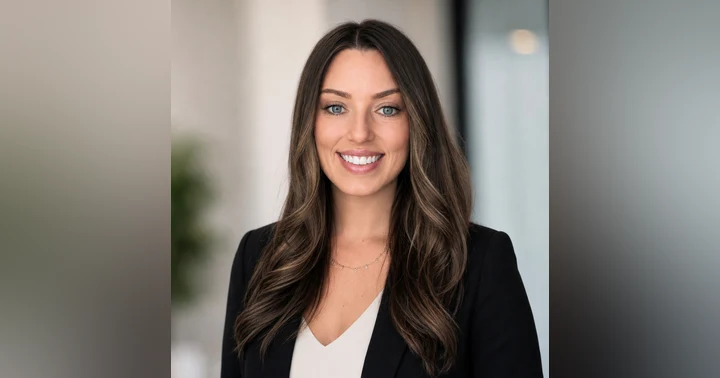
Wire Fraud, Fake Payoffs & Stolen Titles: What's Really Happening at Closing with Megan Lopez
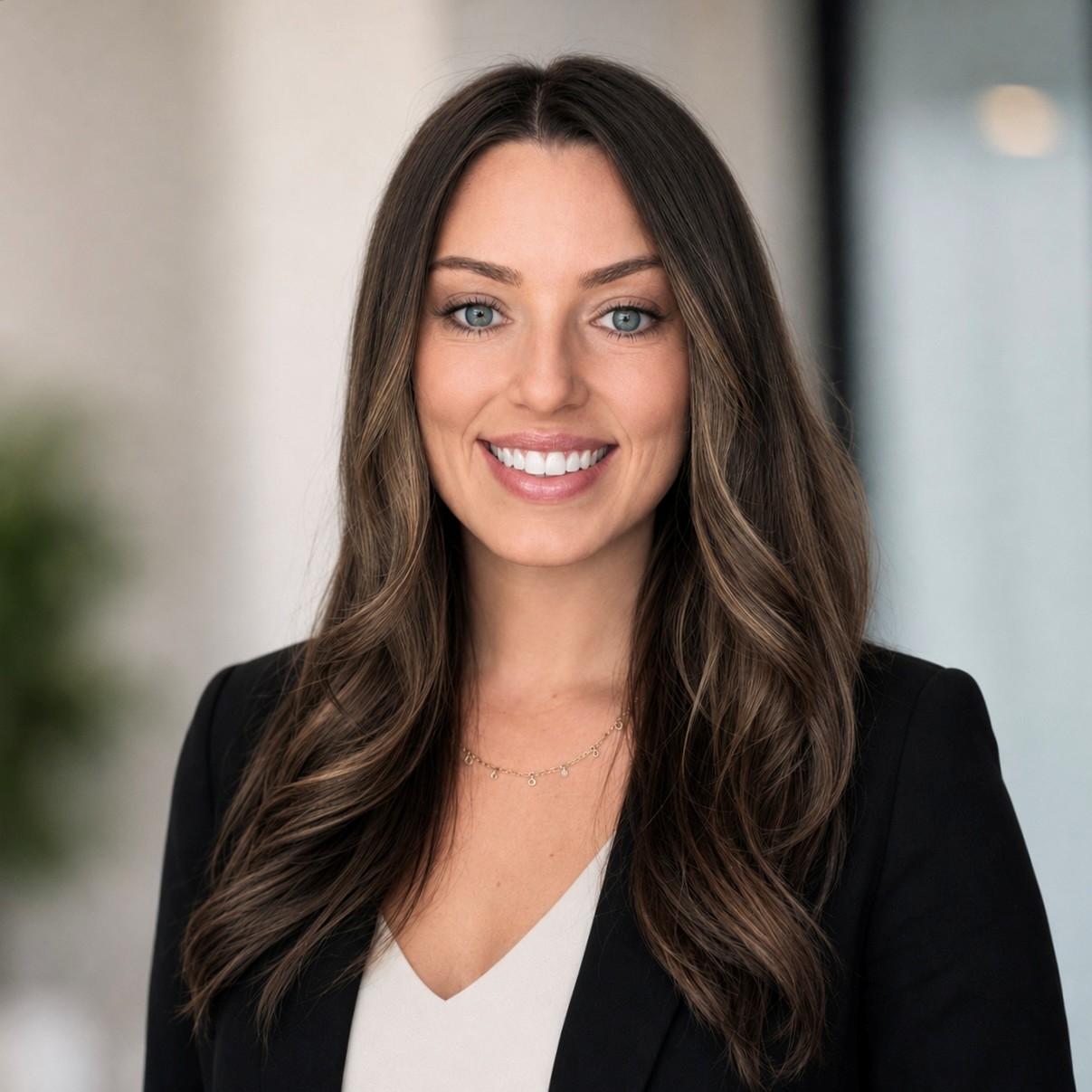
Episode 327 | Megan Lopez | Fidelity National Financial
Most buyers walk away from closing thinking they're protected. They're not — at least not fully.
In Episode 327 of the Real Estate Excellence Podcast, Tracy Hayes sits down with Megan Lopez, Agency Account Manager for Fidelity National Financial — the largest title insurance company in the United States. Megan grew up in the title industry, spent years as a licensed title agent in South Florida, and now works directly with title companies and law firms across Northeast Florida to make sure deals close correctly, buyers are fully protected, and fraud doesn't win.
The conversation covers what title insurance actually is, why the owner's policy is the most overlooked protection in a real estate transaction, and how title insurance rates are set in Florida. Megan breaks down the difference between a lender's policy — which protects the bank — and an owner's policy, which protects the buyer from hidden risks including unknown heirs, mechanics' liens, and ownership disputes that can surface years after closing.
The episode goes deep on fraud — the fastest-growing source of title claims in the country. Megan walks through seller impersonation fraud, wire fraud, and mortgage payoff fraud, including exactly how fraudsters infiltrate Gmail accounts, monitor transactions, and strike right before closing when everyone is distracted. She shares specific red flags agents should watch for and the verification steps every title company should have in place.
Megan also explains what FNF provides beyond the policy itself — underwriting support, escrow reconciliations, quality control, and education resources that most title companies couldn't access on their own. For agents in Northeast Florida, understanding which underwriter backs their title company's policies matters more than most people realize.
🎙️ Full episode and transcript: tracyhayespodcast.com/327

 Apple Podcasts
 Spotify
 Overcast
 Castro
 PocketCasts
 RSS Feed
 If a hidden lien, fraudulent seller, or wire scam surfaced after closing, would you know who is actually protecting your ownership rights?
In this episode of the Real Estate Excellence Podcast, Tracy Hayes sits down with Megan Lopez. Megan is an Agent Account Manager with Fidelity National Financial and a title insurance expert serving Northeast Florida. Drawing from a family background deeply rooted in real estate and title work, Megan explains the critical role title insurance plays in protecting homeowners, lenders, agents, and real estate transactions from hidden risks.
Throughout the conversation, Megan breaks down the differences between owner and lender title policies, discusses real world fraud cases involving seller impersonation and wire fraud, and explains how title professionals verify ownership, resolve title defects, and protect consumers from costly claims. She also shares insights into Fidelity's underwriting process, fraud prevention strategies, and the ongoing importance of human expertise in an increasingly digital real estate landscape.
If you found value in this episode, subscribe to the Real Estate Excellence Podcast, share this episode with fellow real estate professionals, and leave a review to help more buyers, sellers, agents, and lenders stay informed and protected.
HighlightsTop of FormBottom of Form
00:00 - 09:43 Megan's Journey Into Title Insurance and Real Estate
- · Family background in title and real estate
- · Starting as a receptionist in a real estate law firm
- · Becoming a licensed title agent
- · Moving to Jacksonville and joining Fidelity
- · Understanding the role of a title underwriter
09:43 - 18:29 Understanding Title Searches and Title Insurance Protection
- · How title searches are performed
- · Identifying liens mortgages and ownership issues
- · The relationship between title companies and underwriters
- · Differences between owner and lender policies
- · Why title insurance matters for every buyer
18:29 - 25:54 Real World Claims and Hidden Risks Homeowners Face
- · Common title insurance claims
- · Unknown heirs and probate disputes
- · Mechanic lien issues in new construction
- · Tax judgments and outstanding debts
- · How title insurance protects property ownership
25:54 - 34:40 Seller Fraud and Identity Verification Challenges
- · Rise of seller impersonation fraud
- · Vacant land fraud schemes
- · Warning signs agents should recognize
- · Identity verification best practices
- · Technology tools used to detect fraud
34:40 - 48:15 Wire Fraud Threats and Transaction Security
- · How wire fraud attacks happen
- · Email compromise and phishing schemes
- · Fake lenders and fraudulent instructions
- · Secure portals and verification platforms
- · Protecting buyers sellers and escrow funds
48:15 - 01:05:37 Fidelity's Role Supporting Agencies and Protecting Consumers
- · Education and training for agents and lenders
- · Marketing and growth support for title agencies
- · Underwriting expertise for complex transactions
- · Escrow oversight and reconciliation reviews
- · The future of title insurance and consumer protection
Quotes:
"I don't think AI will completely take over what title professionals do day in and day out." – Megan Lopez
"The owner's policy is paid once at closing and protects them for the life of them owning that home." – Megan Lopez
"We're seeing a lot of fraud and those are usually the biggest losses." – Megan Lopez
"The more we all are informed and educated about the benefits of title insurance, the dangers of fraud, it protects us all." – Megan Lopez
To contact Laura Megan Lopez, learn more about her business, and make her a part of your network, make sure to follow her website, Instagram, and LinkedIn.
Connect with Megan Lopez!
Website: https://nationalagency.fnf.com/home
Instagram: https://www.instagram.com/megan_lopez_fnfagency/
LinkedIn: https://www.linkedin.com/in/megan-lopez-48a535a3
Connect with me!
Website: toprealtorjacksonville.com
Website: toprealtorstaugustine.com
SUBSCRIBE & LEAVE A 5-STAR REVIEW as we discuss real estate excellence with the best of the best.
#RealEstateExcellence #RealEstate #MeganLopez #TitleInsurance #RealEstate #RealEstateExcellence #HomeOwnership #PropertyProtection #FidelityNationalFinancial #RealEstateFraud #WireFraud #TitleSearch #HomeBuying #RealEstateAgent #MortgageLending #OwnerPolicy #LenderPolicy #PropertyOwnership #EscrowSecurity #FraudPrevention #RealEstateEducation #JacksonvilleRealEstate
Are you ready to take your real estate game to the next level? Look no further than Real Estate Excellence - the ultimate podcast for real estate professionals. From top agents and loan officers, to expert home inspectors and more, we bring you the best of the best in the industry. Tune in and gain valuable insights, tips, and tricks from industry leaders as they share their own trials and triumphs. Whether you're a seasoned pro or just starting out, a homebuyer or seller, or simply interested in the real estate industry, Real Estate Excellence has something for you. Join us and discover how to become a true expert in the field.
The content in these videos and posts are for informational and educational purposes only. The information contained in the posted content represents the views and opinions of the original creators and does not necessarily represent the views or opinions of Townebank Mortgage NMLS: #512138.
REE #327 Transcript
[00:00:00] Megan Lopez: I love being able to work in something that protects owner—you know, ownership. I mean, June is National Homeownership Month, and I think title insurance does a really good job of protecting that for the end consumers.
So I'm really passionate about that. I'm really passionate about helping my agents grow, making sure that everyone's educated in the process.
And I work with really great people. I mean, my job is only as easy as the people behind me—our underwriters, our search and production team. They make my job a million times easier, especially when I'm forward-facing with our title companies and law firms. It makes my job that much easier knowing that I have them in the background doing all the behind-the-scenes stuff.
[00:01:07] Tracy Hayes: Hey, welcome back to the Real Estate Excellence Podcast.
Every real estate transaction has a closing, and behind every closing is a title company working to make sure the deal is clean, the title is clear, and the money goes where it's supposed to go.
But most agents, buyers, and sellers have no idea what's really happening behind the scenes, or how much they're exposed to when things go wrong.
My guest today is an Agent Account Manager with Fidelity National Financial, the largest title insurance company in the United States, right here serving Northeast Florida. She works with title companies and real estate professionals every day to make sure deals close correctly, buyers are protected, and fraud doesn't win.
Please welcome Megan Lopez to the show.
[00:01:53] Megan Lopez: Thank you so much for having me.
[00:01:54] Tracy Hayes: I appreciate you coming down here and digging into your background a little bit.
It's an important topic. Obviously, we're seeing the advertisements right now—stuff about people stealing other people's titles and all that kind of stuff.
So we're going to get into that.
I'm going to move this mic a little bit toward you there.
Let's start with an easy softball question.
Young Megan, was real estate actually your vision? Getting into the real estate industry, were you going to say? Or, you know, you're a young person, you graduated college—what actually was your initial aspiration?
[00:02:27] Megan Lopez: Sure.
I'm sure, like most people, I didn't grow up saying I was going to get into the title industry.
Most folks don't even really know what the title insurance industry is.
Fortunately for me, my dad was in the business for over 40 years.
Oh, wow.
So my sister is also a manager for a title company. My mom was a real estate paralegal, so it's very much in my blood.
When I was in college, I was actually working part-time for a real estate attorney in South Florida. That's where I'm originally from.
I was there for about six years. I started off just as a receptionist answering phone calls, and then slowly started learning the ins and outs of title, processing, and closing.
From there, I became a licensed title agent and did that for, like I said, maybe five or six years.
Then I moved up to Jacksonville in 2018. My husband was in the Coast Guard, so that's what brought us up here.
[00:03:22] Tracy Hayes: Oh, awesome.
[00:03:22] Megan Lopez: Yeah. I worked for a title company here for a little bit, and then a position opened up at Fidelity.
I came on board more so in a support role for the account managers who were already there, with the intention of eventually becoming an account manager myself.
Now I've been with the company for eight years.
Like you said, we partner with title companies, law firms, and real estate firms to help them get the closing right. We issue the title search and the title policy at the end of the transaction.
[00:03:50] Tracy Hayes: All right, not to go into a total infomercial there. Slow down.
[00:03:53] Megan Lopez: Sure. Sorry.
[00:03:55] Tracy Hayes: She was prepared for the show. Let's put it that way.
No, that's awesome.
I'd love to have your husband on to talk Coast Guard. I wish I just had podcasts about that because we're Freedom Boat Club members, so we're out every weekend all the time.
I'm sure he's got good stories too.
[00:04:11] Megan Lopez: Oh yeah, no doubt.
[00:04:13] Tracy Hayes: What are some of the things that have really amazed you that you've learned about the real estate industry?
As we go through our day-to-day lives, we all have curiosity—at least I do. That's why I do the podcast.
I'm curious to meet people and learn about what they do.
What's amazed you, especially from the standpoint of this fear that technology is going to take over our industry?
When it comes down to every individual house and every individual lot, there are a lot of moving parts. I don't know if technology, in our lifetime, is going to be able to capture all of that.
It's not like buying a shirt in a store.
[00:04:50] Megan Lopez: Right. Yeah, right.
I'm sure as you're aware, we're very much a human, people-to-people type of business.
I think that's the same for the title industry too.
I do see AI playing a part, but I don't think it will ever completely take over the title side of things.
You'll see it in areas where we're able to navigate things more easily and streamline processes.
It's funny because they've actually tried to see how the title insurance piece would work using AI. Anytime it has a lot of information, it's usually only about 70% accurate.
Unfortunately, we're not in an industry where we can have that large of a margin for error. We want to be as close to 100% accurate as possible.
So I really don't think AI will completely take over what title professionals do day in and day out.
[00:05:42] Tracy Hayes: Not anytime soon.
[00:05:43] Megan Lopez: At least not anytime soon. Let's hope not.
[00:05:45] Tracy Hayes: Especially in St. Augustine—I know there's a title company downtown, you probably know who it is.
I remember them saying years ago—probably seven or eight years ago—that when the county and city converted everything to electronic records and scanned everything, they either bought or took possession of the actual paper records.
I don't know where they store them, but I remember them talking about it.
Because St. Augustine is the oldest city and has records going back hundreds of years, if you have a title search in the Old City and need to go back through some of those records, you still need the paper documents.
Technology isn't there yet. It'll just assume something and slap it together, whereas you really need a human to dig deep.
[00:06:45] Megan Lopez: Oh yeah.
Actually, our office is located close by, and we have a title plant.
Some of these records and deed books—if you're a history buff—it's actually very interesting going back and looking at them.
They even survived the fire we had back in the 1900s. A title company literally transported these records by boat from the courthouse to preserve them.
We still have them, and it's really interesting to see records that date back as far as they do.
[00:07:13] Tracy Hayes: What do you find most interesting about your particular position right now?
For the audience—and correct me if I'm wrong—your position is representing Fidelity National Financial. Fidelity has several different companies, including a home warranty division and others.
Your particular role is being the conduit between the company and the individual title companies. I guess you call them agents?
What is your role there? What exactly do you do as an Agent Account Manager?
[00:07:49] Megan Lopez: Yeah, so my role, like you said, I basically bridge the title company with the underwriters.
So we have a wealth of underwriters that help our title companies and law firms get the transaction to close, right?
They're helping them with these complex transactions. They're checking the title. We're actually performing the title search, so we're seeing who has legal ownership of the property. We're seeing if there's any outstanding liens, open mortgages, or other things that need to be cleared at closing, and that's what the title company is doing.
So we basically give them the commitment. We show them what needs to be cleared. We identify these issues, and then they're resolving these issues prior to closing.
On top of that, I also work somewhat as a liaison, so I'm helping on the business development side for a lot of these agencies—sales, marketing, bringing them tools that can help them with their business.
So it's kind of all together.
[00:08:37] Tracy Hayes: Let's really dumbify this down.
[00:08:40] Megan Lopez: Sure.
[00:08:40] Tracy Hayes: The actual process: a contract comes in. Usually, if financing is involved, the lender is going to order title.
[00:08:50] Megan Lopez: Well, the title company orders title.
[00:08:52] Tracy Hayes: Well, we're ordering the title from the title company. Okay, then they're probably—yes.
[00:08:55] Megan Lopez: Yeah.
[00:08:56] Tracy Hayes: So, the title company locally here—you mentioned J. Riley earlier, and they're very popular. Who in that office is doing what, and when does Fidelity actually come into play?
[00:09:09] Megan Lopez: Sure. So like you said, it goes under contract. Buyer and seller go under contract.
The agent will take that contract to the title company or law firm.
From there, they order the title search from us. And like I said, we basically do a full overview. We check historically who has legal ownership of the property. We're running the searches to see if there are any open mortgages, outstanding liens, and so forth.
[00:09:31] Tracy Hayes: So Fidelity is actually doing the actual—
[00:09:33] Megan Lopez: Correct, for the most part.
We do have some agencies that are independent title agencies, but the majority, at least in the state of Florida, are utilizing us as their search department.
[00:09:43] Tracy Hayes: Is it just that some of them do it on their own to save some dollars, they think?
[00:09:48] Megan Lopez: Honestly, it's few and far between. I have maybe a handful of agents that still have their own search and production department.
[00:09:54] Tracy Hayes: Mm-hmm. Because I imagine with the technology that's involved today and the resources that you guys have as a conglomerate—
[00:10:01] Megan Lopez: Mm-hmm, yeah.
[00:10:01] Tracy Hayes: It is much more effective.
[00:10:03] Megan Lopez: Agreed, and that's why you don't see it very often.
For the most part, we are performing the search on behalf of the agencies themselves.
[00:10:10] Tracy Hayes: All right. So your people—what did you call that department?
[00:10:13] Megan Lopez: Search and Production.
[00:10:14] Tracy Hayes: Search and Production. They're digging deep into that title.
What happens next?
[00:10:18] Megan Lopez: From there, once we disclose everything that needs to be cleared prior to closing, that's where the title company comes in.
So they're getting back the title search report that has all of these outstanding liens, mortgages, HOA fees, and anything else that needs to be cleared prior to closing.
That's what they're reviewing and making sure is taken care of prior to closing.
But that's where title insurance kicks in. Unfortunately, there are some hidden risks—unknown things that may not show up on the title search.
[00:10:50] Tracy Hayes: Because from the legality of things, right, whoever has the most recent lien is first lien, right?
[00:10:56] Megan Lopez: On the mortgage, right.
[00:10:57] Tracy Hayes: If someone goes and does work on the house and files a lien at the county, but for some reason that doesn't get to where it's supposed to be so you guys can see it on your screens, wherever that may be—
[00:11:10] Megan Lopez: Correct.
[00:11:12] Tracy Hayes: But all of a sudden that pops up later—
[00:11:14] Megan Lopez: Mm-hmm.
[00:11:14] Tracy Hayes: It actually becomes a priority lien, am I right? Or does it still fall behind?
[00:11:20] Megan Lopez: Sure, and that's where title insurance comes in.
Most lenders require you to get a lender's policy to protect their lien priority status. They want to make sure they are first lien priority.
So that's where title insurance protects the lender.
There are two types of policies: a lender's policy and an owner's policy, which is purchased separately. The owner's policy protects the homebuyer from any hidden risks that could potentially arise after closing.
[00:11:47] Tracy Hayes: Right, so this is going to be a good educational reel.
I'm going to give you the raw material so you can cut this up later.
Explain this. I imagine you probably get this question all the time—or at least the agents do.
What is the difference between an owner's policy and the lender's policy?
Why can't just the lender get the policy? Why should an owner get a policy?
[00:12:07] Megan Lopez: Sure. So the lender's policy protects the lien interest of the lien holder—the actual mortgage company.
Whereas, if you purchase an owner's policy, it protects the homebuyer.
So they're not the same, and they provide two separate coverages.
The owner's policy is paid once at closing, and it protects the homeowner for as long as they own that home.
It protects their interest in the property in the event, let's say, there's an unknown heir. Maybe the property went through probate, and years later an heir comes forward trying to claim ownership.
That's where title insurance comes in.
It protects their interest in the property. It protects them from financial losses, legal fees, litigation costs, and anything else that could potentially arise if the matter has to go through the courts.
[00:12:55] Tracy Hayes: Well, I'm going to challenge you here a little bit, because here's the common-sense question. I know you get this one a lot too.
Well, the lender's already got a policy, and they're going to fight to maintain their position.
So if some family member comes up and says, "Hey, I actually own that property," and it's already been sold to the buyer who has the loan, the lender is going to fight it anyway because they're going to want to protect their position.
So where does the owner's policy protect the owner?
Or, I should say, where's the value in the owner's policy?
[00:13:24] Megan Lopez: Yep. So the value comes from the fact that the buyer believed they were purchasing the property free and clear from anyone else claiming an interest in it.
If an owner doesn't get an owner's policy, they could potentially lose their interest in the property because it turns out someone else had a legitimate ownership claim.
Their protection is up to the amount of the policy, which is generally based on the purchase price.
So let's say somebody comes back claiming ownership or another interest in the property. They can file a claim with us as the underwriter to make sure that their interest is protected and that they have coverage for what they paid, considering they believed they were buying the property free and clear.
[00:14:06] Tracy Hayes: I'm going to put you on the spot here.
Have you had a situation where someone didn't get the owner's policy? Maybe a story off the top of your head?
We know it's probably happened, but I don't know if you have one where someone only got the lender's policy and not the owner's policy, and it ended up costing them money.
[00:14:22] Megan Lopez: Yeah, sure.
One story that comes to mind involved new construction.
A lot of times owners say, "Why do I need an owner's policy? Nobody owned it before."
[00:14:33] Tracy Hayes: You really actually need one there.
[00:14:34] Megan Lopez: Yeah.
People think, "No one owned it previously, so why do I need title insurance?"
That's where mechanics' liens come in.
Let's say there are outstanding mechanics' liens for work that was done on the property. Those parties can come back and make claims.
If you're not protected, you can essentially be on the hook for that.
And again, you're responsible for legal fees, court costs, and related expenses.
That's one that immediately comes to mind because a lot of people think, "I don't need title insurance. There's been no previous owner."
When in fact, yes, you do.
[00:15:03] Tracy Hayes: Well, knowing from another life years ago, working with builders as a vendor, they don't pay their bills on time.
[00:15:12] Megan Lopez: Yeah.
[00:15:13] Tracy Hayes: They really wait for that house to sell, and then they pay every invoice on that house when it sells.
So if that house sits for a while or takes a long time to build, and the guy who poured the slab still hasn't been paid, he might say:
"You know, it's been six or eight months. You haven't paid me. I'm going to put a lien on it."
[00:15:32] Megan Lopez: Mm-hmm.
[00:15:33] Tracy Hayes: And that needs to be cleared off.
[00:15:35] Megan Lopez: Mm-hmm.
[00:15:35] Tracy Hayes: And they may think they did it, but they really didn't.
Mm-hmm. And it can happen because builders really don't pay their bills on time.
They'll stretch the smallest guys out 90, 180 days if that property still hasn't sold yet.
Right. They'll wait until they get their money, then they'll go and disburse.
[00:15:54] Megan Lopez: Right.
[00:15:54] Tracy Hayes: Now, can I say everyone's like that? No. Hopefully they're not all like that, but there are some of these biggest national builders that will not pay those vendors on those invoices for that house until the house is actually sold and they've got their money.
Then they'll disburse to you.
So they're not going in their pocket at all.
[00:16:10] Megan Lopez: Yep.
[00:16:11] Tracy Hayes: We're going to get into some of the questions that I've prepared for you here.
Obviously, some of these are really softball questions, but I think the point you made—we were talking pre-show—many of the agents, and some of you listening right now, don't fully understand the importance of title and title insurance, and being able to explain it to your customers.
Because in Florida, the lender's policy, to me, is not cheap.
It's state regulated.
[00:16:38] Megan Lopez: Mm-hmm.
[00:16:39] Tracy Hayes: Tell us a little bit—how is that a deterrent?
[00:16:41] Megan Lopez: Yeah, so in Florida, the title insurance rates are promulgated, meaning they're set by the Department of Financial Services, and they go based off the purchase price.
It's typically tiered. Usually it's calculated per thousand dollars of value.
I won't go into all the details of how it's calculated, but basically it's based on the purchase price.
So let's say you're purchasing a house that's around $300,000 or $400,000. On average, you're paying maybe $1,500 to $3,000 for it.
But it's a one-time fee, like I mentioned.
[00:17:09] Tracy Hayes: Again, I threw you on the spot on that one.
It's state regulated. That's the bottom line.
When people see that on the settlement statement, there's really nothing to argue about. It is what it is. The state regulates it.
Now, from a profitability standpoint—and from an insurance company, because that's what you guys are doing, you're insuring this title policy—if someone comes back later because you didn't catch that mechanic's lien from the guy who did the drywall and there's still a $10,000 bill outstanding—
[00:17:39] Megan Lopez: Mm-hmm.
[00:17:39] Tracy Hayes: You guys are covering that because they bought the insurance.
[00:17:43] Megan Lopez: Correct. Yep.
[00:17:43] Tracy Hayes: So it is based on the purchase price.
Someone buying a smaller home will have a smaller insurance premium.
Could they still have a $10,000 drywall lien? Absolutely.
Could they have the same $10,000 lien on a larger house? Sure.
Although I would think there’s probably more drywall in an $800,000 home or a million-dollar home.
But you're paying more because the claims could potentially be much bigger.
[00:18:09] Megan Lopez: Yep. Yeah.
And not just that type of lien. It could also be taxes, judgments, and things like that that could attach to the individual who owns the property.
So you want to make sure those are all cleared out prior to closing.
[00:18:20] Tracy Hayes: What are some of the biggest things you guys see claims coming in on?
I know the list is endless.
[00:18:25] Megan Lopez: Mm-hmm.
[00:18:29] Megan Lopez: Well, right now, fraud.
We're seeing a lot of fraud claims.
Those are usually the biggest losses because, like I said, we're covering up to the amount of the policy.
Let's say you're a homebuyer and you purchase a property from a fraudster who is pretending to be the owner—often with vacant land or something along those lines.
[00:18:47] Tracy Hayes: They're acting as if they're the owner, but they're not.
[00:18:49] Megan Lopez: They're acting as if they're the owner.
The transaction closes, the buyer assumes they own the property, and then later it turns out the true owner never sold it.
We're getting insurance claims for those situations, and we're covering them.
Wow.
[00:19:02] Tracy Hayes: Wow.
Because the transaction cleared through the title company?
[00:19:08] Megan Lopez: Well, we're covering the fraud involved.
[00:19:09] Tracy Hayes: You're covering the fraud.
I'm just trying to think through it.
From what I've heard—and this was a couple of years ago—a lot of this was happening with vacant lots.
Maybe it's a $10,000 or $20,000 lot, maybe more, but typically it's a cash transaction.
[00:19:27] Megan Lopez: Mm-hmm.
[00:19:27] Tracy Hayes: So it's quick. The lender isn't involved and doesn't require a lender's policy.
They're doing this cash transaction, and somehow it's slipping through that this person supposedly owns the property.
[00:19:36] Megan Lopez: Mm-hmm.
[00:19:36] Tracy Hayes: What precautions is Fidelity taking?
And obviously, I imagine you're spending a lot of time educating your agents on the ground.
[00:19:46] Megan Lopez: Sure.
I think education is something we need to get across the board to Realtors because they're the first line of defense.
They're working with who they believe are the sellers, and a lot of times those sellers aren't local, so they never actually meet them.
They're primarily communicating over the phone and assume they're speaking with the true property owner.
Some of the recommendations we make to our title agencies and Realtors include:
First and foremost, if possible, try to get on a video call with them. Sometimes that alone will expose the fraud right away.
Another recommendation is obtaining two forms of identification—such as a driver's license and a Social Security card.
We've seen situations where title agencies received two forms of ID and both had the exact same photo.
Obviously, your driver's license and Social Security card shouldn't have the same photo.
So there are red flags like that.
Another thing title companies are doing is checking the mailing address listed on the tax records.
They're sending a letter directly to that address stating:
"Hey, we're handling this transaction. Because of the increase in seller impersonation fraud, we want to confirm that you're the true owner and that you're actually selling this property."
If they are, they'll call back, and there's usually a verification code or process used to confirm that they're truly the owner and are in fact selling the property.
[00:21:16] Tracy Hayes: Yeah.
[00:21:17] Megan Lopez: But if you're a real estate agent, I would also just look out for some of the red flags.
A lot of times it's a quick close, like you mentioned—a cash transaction.
[00:21:26] Tracy Hayes: A lot of times they don't even want the real estate agent involved because that's another layer of someone investigating who they are.
[00:21:31] Megan Lopez: Yep, yeah.
You'll also see that they're usually listing it below market value.
A lot of times they want to use their own notary.
So just some of these types of red flags—I'm not saying you need to completely halt the transaction—but take extra scrutiny to make sure you're actually dealing with the correct seller.
[00:21:49] Tracy Hayes: Well, I would imagine, like a bank, cybersecurity is huge.
Fidelity is spending a huge amount of resources on doing whatever they can to find out that everybody is who they're supposed to be in these transactions.
[00:22:02] Megan Lopez: Mm-hmm, mm-hmm.
Yeah. A lot of what we do is educate them, but we also work with third-party vendors to offer these services to title companies and law firms so they can utilize verification platforms.
They'll go on and do multi-factor authentication. They'll upload and scan a picture of their driver's license.
The platforms will also check things like:
· Did they recently create this email address?
· How long have they had it?
· Where is their IP address coming from?
· Where are they physically located while signing?
If they're supposedly selling property in Florida but the signing activity is coming from another country, those are all red flags.
These technology platforms have been a huge help in verifying the identities of sellers.
[00:22:54] Tracy Hayes: What are a couple of tips for agents who might be listening?
What are some of the red flags that should make them perk their ears up and think, "Maybe this person isn't who they say they are"?
[00:23:08] Megan Lopez: Yeah.
Gosh, they're getting so sophisticated.
I think before, you could kind of tell in their communications. Emails would have misspellings and obvious mistakes.
Now, with AI and all of those technologies, it's becoming a little harder to spot.
But I would say, again, the best thing you can do is jump on a video call with them.
That really makes a difference because if you're only communicating by phone, text, or email, there could be red flags that you're simply not seeing.
Again, requesting two forms of identification is a big one.
And then working closely with the title company to make sure they have accurate communications with the seller because, ultimately, they're the last line of defense when it comes to confirming identities.
[00:23:52] Tracy Hayes: And not to advertise Forewarn, but every agent should be running Forewarn on everyone they're dealing with.
Absolutely.
Whether you think you're going to meet them or not.
They might be calling you from New York saying, "Hey, I need to sell that house. You're never going to see me, so you don't need to run anything."
No—you need to run Forewarn.
Make sure they are who they say they are.
Who knows? They might have a criminal record and you might think, "Hold on a second. Do I really want to get involved in this and put my reputation and liability on the line?"
[00:24:14] Megan Lopez: Certainly.
[00:24:15] Tracy Hayes: Have you ever read The Gift of Fear?
[00:24:19] Megan Lopez: I have not.
[00:24:19] Tracy Hayes: It's a great book.
My roommate in college was a former FBI agent who worked for Gavin de Becker, who wrote that book.
The book is about personal protection, but intuition is one of the most important tools humans have.
Animals don't ignore fear. A deer raises its tail and runs.
Humans always want to rationalize things.
"Oh no, it can't be."
"I don't want to be judgmental."
"He sounds legitimate."
If your intuition tells you that something shady is going on, you need to stop and dig a little deeper.
[00:24:58] Megan Lopez: Yeah.
That's the thing with these fraudsters—they work off human behavior.
Sometimes you'll get these sob stories:
"We need to close quickly."
"A family member is in the hospital."
"Someone is dying."
They really try to exploit emotional responses and human behavior.
They're not just trying to hack a password anymore.
They're working the human side of the equation.
[00:25:27] Tracy Hayes: So for listeners, stay alert.
If you feel like something isn't right, make a few phone calls.
Your title company is probably the first place to start.
Run Forewarn on the phone number.
Work it out.
Okay.
We actually touched on this earlier, but specifically, what are some of the things that you're consistently doing with title companies as an Account Manager?
What support are you giving them?
[00:25:55] Megan Lopez: Sure.
Like I said, we focus a lot on education.
We do a lot of lunch-and-learns for their real estate and lender partners.
[00:26:03] Tracy Hayes: Do you like doing those?
[00:26:04] Megan Lopez: Yeah, I do.
[00:26:05] Tracy Hayes: Is that one of the highlights of your role?
[00:26:06] Megan Lopez: It is.
I focus a lot on the marketing side, so I do a lot of social media-related work.
But we also have a team of presenters and educators who teach on behalf of Fidelity to our customers, which are the real estate agents.
It's great.
Some classes even offer continuing education credit.
So if you work with a title company or law firm that uses Fidelity, ask them if they have any upcoming classes because we're always happy to offer those.
At the end of the day, the more informed and educated we all are about title insurance and the dangers of fraud, the better it is for everyone.
It protects consumers.
It protects Realtors.
It protects lenders.
[00:26:43] Tracy Hayes: All right, so education is one of your support functions.
What else?
[00:26:46] Megan Lopez: Marketing is another big one.
So education, marketing, and underwriting support.
That's first and foremost.
We make sure we can help title companies with complex title challenges that come up.
Even somebody who's been in the business for 30 years will still call us and ask, "How do we get this to closing?"
[00:27:07] Tracy Hayes: Which is why computers cannot take over.
Every transaction is different.
[00:27:10] Megan Lopez: Oh yeah, very much so.
Something that comes up in one transaction may not come up again for years.
In that time, rules and regulations may have changed, or they simply forgot how they handled it the last time.
So we help them figure out how to clear those requirements before closing.
[00:27:26] Tracy Hayes: Obviously, title companies have people whose goal is to bring in business from real estate agents.
You're helping them with education.
Is there anything else you're doing to help them accomplish that mission?
Because ultimately they're asking, "How do I get the next deal?"
[00:27:44] Megan Lopez: Right.
There are a lot of title companies. It's a pretty saturated market.
What we try to do is help them stand out.
Let's identify what your niche is.
If you're a real estate attorney, great—can we leverage that to target more real estate professionals who would benefit from your expertise?
I really try to help them identify what differentiates them.
What makes you different from ABC Title down the street?
Once we figure that out, we can really hone in and market around it.
I work with them on the social media side and overall marketing strategy.
[00:28:16] Tracy Hayes: All right, I'm going to ask this.
You're with the largest title insurance company in the country.
How many major title insurance companies are there that are real players in the market?
[00:28:28] Megan Lopez: About four.
[00:28:30] Tracy Hayes: About four.
So there are a lot more local title companies than there are insurance underwriters.
[00:28:37] Megan Lopez: Sure.
[00:28:38] Tracy Hayes: The challenge you have as an Account Manager is interesting.
You might spend the morning helping one title company with marketing, education, or business development.
Then in the afternoon you're helping another title company right down the street.
How do you work that?
[00:29:00] Megan Lopez: Yeah.
[00:29:01] Tracy Hayes: That's what just occurred to me while we were talking.
If someone wants to become an Agency Account Manager, that's a real challenge.
I can only compare it to car dealerships.
There are only so many Chrysler dealerships in Jacksonville, and they're all competing for the same customers.
You have hundreds of title companies—not title insurance companies, but title companies—competing for business.
[00:29:27] Megan Lopez: Agencies.
[00:29:27] Tracy Hayes: Title agencies. Mm-hmm. For lack of a better term, they're title agencies, but only a handful of insurance. Mm-hmm. So it's kind of like flip-flopped, but you can understand that you're helping all these people who are competing against each other.
Sure, and they're relying on Megan for hopefully some expert advice.
[00:29:42] Megan Lopez: Sure.
[00:29:42] Tracy Hayes: Mm-hmm.
[00:29:43] Megan Lopez: But the resource is available to all of them, right? And so you'll see some that will take it and run with it, and others, I bring it to the table and they may not use it.
So I can do as much as I can for them, but they have to be wanting to take advantage of all the tools and resources that we have.
[00:29:58] Tracy Hayes: Right.
[00:29:59] Megan Lopez: It certainly is a bit of a challenge, but each agency is different. I mean, there's some that have 30 employees, multiple offices. There's some that are small mom-and-pop operations, and they may want different things.
And so that's my goal, is to identify what it is that you need. Is it just quick turnaround times? Good underwriting support? Are you looking for marketing? What is it your title company needs?
And then I kind of strategically, from there, will—
[00:30:25] Tracy Hayes: Direct it.
[00:30:26] Megan Lopez: Direct it.
[00:30:26] Tracy Hayes: Yep. Yeah, because either you're doing it, you might be the expert in something, or maybe you're calling someone in from corporate who might train in that particular area.
[00:30:33] Megan Lopez: Correct. It just depends on what that agency needs. They're all different.
And so that's basically, as an agency account manager, to identify what those needs and goals are for the agency, and then from there kind of tailor it based off the resources and tools that we offer.
[00:30:49] Tracy Hayes: All right. So let's brag about Fidelity.
You have four competitors in the market supplying the same insurance product that you have. Obviously, you're trying to help these local title companies, like we just talked about, to influence agents to work with their title company.
Now, a lot of that has nothing to do with the insurance company. It's really the customer service that they're offering the agent.
[00:31:11] Megan Lopez: Correct. The underwriting support.
[00:31:13] Tracy Hayes: They're friendly, they're on top of it. As you and I know, some companies are better than others locally. We can rate the liability, but they're providing that customer service there.
What is it that, if agents are listening right now—
[00:31:26] Megan Lopez: Mm-hmm.
[00:31:26] Tracy Hayes: Why is it that they should look for a title company that uses Fidelity over, say, the other three?
[00:31:33] Megan Lopez: Yeah. Well, to your point, we are the largest national title insurance underwriter in the country.
And so what does that mean for the homebuyers?
Well, first of all, it means that all the policies that we issue are backed by a financially stable company. And what that means is that we have over a billion dollars in reserves in the event that a claim were to come up.
There's coverage there, so you don't have to worry about that part of it.
And that's huge, right? I mean, unfortunately, there are some insurance companies that don't have that type of reserve, and they can't even issue some of these larger transactions that we do.
I mean, we just did one with a law firm in town. It was a multi-state deal, and it was a $500 million—
[00:32:15] Tracy Hayes: Wow.
[00:32:15] Megan Lopez: Policy.
And there are some underwriters that wouldn't even be able to write that because they don't have the reserves in place in the event that there is a claim involved.
[00:32:25] Tracy Hayes: Because there are regulations, state and federal, I imagine, on this that require certain requirements.
[00:32:30] Megan Lopez: Yep. And you'll see some lenders will require it to be issued under a specific underwriter. They're going to want to make sure that it's backed by a financially stable company.
And so that is first and foremost one reason that you have that protection in place by using Fidelity.
[00:32:46] Tracy Hayes: Since we're on the subject, I think people look at insurance as something you've got to have.
And obviously, homeowners insurance is a totally different thing. In Florida, the battle—I just paid car insurance, and now I've got a teenager driving, so—
[00:33:01] Megan Lopez: Yeah.
[00:33:01] Tracy Hayes: Yeah.
[00:33:03] Megan Lopez: Good luck with that.
[00:33:03] Tracy Hayes: Exactly.
When it comes to claims on title insurance, is it pretty cut and dry? Like, "Hey, you made the mistake. You should've known that before we closed on the home. We paid you to do the title work."
Is it more cut and dry versus health insurance, auto insurance, or homeowners insurance, where they might say, "Well, we're not covering that"?
Is it more cut and dry in title compared to the others?
[00:33:28] Megan Lopez: Yes and no, right?
I think we identify these case by case. We have a whole claims department that reviews the claims that are submitted.
But some of the main claims that we cover are fraud, forgery, and errors in the public records.
You'll see sometimes that people will sign their own deeds and go record them themselves, and unfortunately that can affect the chain of title.
So there are things like that that could come up. Outstanding mortgages that weren't paid. We cover a list of those, but those are some of the primary issues that you'll see.
So I guess it depends.
[00:34:03] Tracy Hayes: Well, I guess the gray area is when they start doing quitclaim deeds and this kind of stuff themselves versus, "Hey, I'm buying a home. I'm hiring X title agency to do the work."
You guys are underwriting it and insuring it.
The mortgage wasn't paid, there was a small HELOC that wasn't paid. That's pretty cut and dry.
[00:34:24] Megan Lopez: Yep, correct. Yeah.
And you'll see that. Unfortunately, there are times where the HELOC doesn't get closed out, and they'll charge it back up, right?
And so now there's a $200,000 lien on the property from the previous owner.
And that's where title insurance comes in.
[00:34:39] Tracy Hayes: Oh, wow. So that obviously can happen.
[00:34:39] Megan Lopez: Mm-hmm. Very much so.
[00:34:39] Tracy Hayes: I can see that. I've had many situations where there's an open home equity line showing up on someone's credit report.
And I tell them, "Hey, where's this home equity line attached to?"
And they're like, "Oh, that's the home we sold."
And it's still sitting there as if it's active.
[00:35:00] Megan Lopez: Mm-hmm.
[00:35:00] Tracy Hayes: Which I imagine it obviously is.
So you protect the person you insured, the new owner of the home, and obviously the mortgage holder.
But I imagine the person who charged up the $200,000 is not—
[00:35:13] Megan Lopez: Well, we come back for that.
So yes, we pay out.
[00:35:17] Tracy Hayes: So you have to actually pay it to clear it?
[00:35:20] Megan Lopez: Correct.
[00:35:21] Tracy Hayes: And then you guys are going after the actual person—
[00:35:23] Megan Lopez: Yeah.
[00:35:23] Tracy Hayes: Who made the deed on the home and charged it up.
[00:35:25] Megan Lopez: They signed a seller's affidavit stating that there were no outstanding liens.
[00:35:29] Tracy Hayes: Mm.
[00:35:29] Megan Lopez: So yeah, ultimately, we're coming back after them.
[00:35:33] Tracy Hayes: Wow. Yeah. I would imagine that probably actually comes up a lot.
[00:35:37] Megan Lopez: Yeah.
[00:35:39] Tracy Hayes: So.
[00:35:39] Megan Lopez: Yeah.
[00:35:39] Tracy Hayes: Right. We talked about the lender's policy and the owner's policy, and the importance of the owner's policy. We've covered that question, so I'm not going to dwell on that one.
How is title insurance priced in Florida? We talked about that as well. Mm-hmm. Wow, we've jumped ahead on a lot of these things.
Wire fraud is wiping out buyers and sellers across the country. Now, I personally don't have a story of that. I've heard about it, but I don't get involved.
When someone says, "Hey, I need to wire the money," I'm like, "Title company, you need to talk to them."
From a lender or loan officer standpoint, I am definitely not involved in sharing anything about wiring money.
So where is this coming into play? Where does Fidelity play in wire fraud?
[00:36:17] Megan Lopez: Sure. Typically, how this occurs is through real estate agents.
A lot of times, real estate agents are using Gmail or Yahoo accounts, which are not secure. Fraudsters are able to infiltrate those accounts and see who the buyer is, who the seller is, and who the title company is.
From there, they're just watching everything unfold. It typically occurs right before closing, when wiring instructions are sent to the buyer to wire their funds. The buyer thinks the instructions are coming from the title company.
The fraudsters are able to copy the contact information, logos, and branding so it looks legitimate.
If you're a homebuyer and you don't call and verify using a known, trusted phone number, you could potentially wire your cash-to-close funds to a fraudster. By the time you get to closing, it's too late. The funds are gone.
[00:37:11] Tracy Hayes: Yeah.
[00:37:11] Megan Lopez: And they're usually not going to come back.
[00:37:14] Tracy Hayes: How often are you seeing this just here in Northeast Florida? Is this a monthly thing?
[00:37:20] Megan Lopez: All the time. All the time.
You have to be so careful. Make sure you're calling a known, trusted number to verify that you're sending funds to the title company.
Like I said, a lot of times they're infiltrating Gmail and Yahoo accounts, and it's very easy for them to pose as the company or the real estate agent.
I would also recommend that real estate agents don't get involved with sending wiring instructions. Always have buyers go directly to the title company to obtain them, and make sure they're calling and verifying.
[00:37:51] Tracy Hayes: Loan officers and real estate agents should stay clear of anything having to do with wiring money.
[00:37:54] Megan Lopez: Mm-hmm. Yeah.
You'll see now that a lot of title companies are using secure portals to provide wiring instructions, which completely removes email from the process. That's been a huge help in preventing wire fraud.
There are also third-party verification platforms that can confirm wiring instructions.
From a title company standpoint, you may receive fake seller wiring instructions for proceeds. They want to make sure funds are going to the correct seller after closing.
[00:38:28] Tracy Hayes: So how does Fidelity play into that? Are they insuring anything there? What's Fidelity's role?
Because to me, it sounds like it's between the buyer and the local title agency.
[00:38:40] Megan Lopez: You're correct. It's escrow-related, not title-related, so unfortunately we do not cover those losses.
We have seen title companies go out of business because they wired funds to the wrong place.
What we do provide is education. We make sure they're calling and verifying information and putting additional processes and procedures in place. A lot of times, their E&O coverage won't cover these losses either.
[00:39:13] Tracy Hayes: What do you feel is the best practice? I imagine all the different title companies have different ways of handling this.
[00:39:22] Megan Lopez: Education first and foremost. Make sure everyone on the team understands the importance of confirming wiring instructions.
Then implement third-party companies and processes like CertifID or ClosingLock. These platforms provide E&O coverage if wiring instructions are verified through their systems.
If something somehow comes back inaccurate—which is rare—the title company is no longer on the hook for it. Taking that liability off them is huge.
[00:39:56] Tracy Hayes: They're providing transaction security, just like when you buy something online and see security certifications.
[00:40:00] Megan Lopez: Correct. They have cybersecurity teams protecting the process. They're confirming that bank accounts match account holders and doing the back-end research to verify that funds are going to the correct seller.
My recommendation is that if you don't already have one of these third-party verification platforms in place, you should strongly consider it.
[00:40:27] Tracy Hayes: Are there title companies locally that don't use them?
[00:40:30] Megan Lopez: Yes.
I'm not saying you can't have good processes and procedures without them, but it's an extra layer of protection.
I strongly encourage all of the title companies and law firms I work with to look into these platforms.
[00:40:45] Tracy Hayes: How about having an early conversation with the buyer and letting them know not to do anything until they receive official instructions?
That way, if someone emails them and says, "You need to wire money now," they know to be cautious.
I think this issue is much bigger than most people realize. Based on your description, it's happening all the time.
[00:41:19] Megan Lopez: Think about the amount of money being handled in and out of escrow accounts every day.
We're a big target because there are so many parties involved, and fraudsters are trying to attack every angle possible.
I actually just heard of a completely fake lender. That was a first for me.
The buyers went through the entire loan process with this lender. If you Googled them, they looked legitimate. They had a website and everything.
Right before closing, the lender told the buyer, "Wire us the funds and we'll wire them to the title company."
[00:42:00] Tracy Hayes: Which obviously is not how it works.
[00:42:04] Megan Lopez: Exactly. Thankfully, the buyer was smart enough to call the title company and ask about it.
They're getting very sophisticated. They're targeting buyers, sellers, realtors, lenders—everyone.
[00:42:18] Tracy Hayes: Because there are so many hands involved.
If real estate agents aren't educating buyers and sellers, those buyers and sellers are just following directions. If they think the directions are legitimate, they'll follow them.
The only money a lender typically asks for directly is a credit card payment for the appraisal deposit. That's it.
All other funds go to the title company and are distributed from there. The lender wires money to the title company as well.
[00:42:47] Megan Lopez: Correct.
And to your point about Fidelity, another thing we do is make sure title agencies and law firms are utilizing best practices.
They're managing millions of dollars through escrow accounts. On a monthly basis, we require reconciliations to make sure funds are being managed properly.
[00:43:15] Tracy Hayes: You're helping a lot of mom-and-pop operations and even some larger local companies that may not have strong internal checks and balances.
It's almost like how bank regulators come in and make sure banks are following procedures.
You're helping identify vulnerabilities that could potentially put them out of business.
[00:43:44] Megan Lopez: Right. Our QA team acts as a form of quality control.
I see that as a value-add because there are things that could otherwise go unnoticed. We help identify shortages, unresolved issues, and other problems that need to be addressed.
Some underwriters don't require reconciliations to be submitted. I think requiring them is a huge value-add.
[00:44:11] Tracy Hayes: Can you explain that? What do you mean by requiring reconciliations?
[00:44:15] Megan Lopez: Sure.
On a monthly basis, we perform checks and balances to ensure all money coming in and all money going out is accounted for.
We look for discrepancies, shortages, outstanding liens, unpaid tax checks, and other issues.
We want to make sure larger obligations that were supposed to be paid at closing have actually been paid and cleared.
We don't want to create additional escrow liability.
[00:44:51] Tracy Hayes: I had a situation last year in Palatka involving a manufactured home.
The taxes weren't very high, but the title company didn't collect enough from the seller for their share.
The buyer paid their portion correctly, but there wasn't enough money to pay the full tax bill.
When tax season came around, the title company was short by about a hundred dollars. Since the tax collector won't accept partial payment, they just held onto the funds.
Months later, the buyer called me asking why the taxes were still unpaid.
It turned out the title company never paid them because they hadn't collected enough from the seller.
We're talking about about a hundred dollars. I felt they should have just absorbed the loss because it was their mistake.
Instead, they made the buyer pay the seller's portion, which I didn't think was right.
[00:46:12] Megan Lopez: That's why you want to make sure those issues are resolved at closing.
If it had been thousands of dollars, that's where their E&O—Errors and Omissions—coverage might come into play.
[00:46:26] Tracy Hayes: Sure, but with insurance claims you're also tracking who keeps making mistakes.
[00:46:32] Megan Lopez: Exactly. For a hundred dollars, it probably makes more sense to absorb the loss.
[00:46:39] Tracy Hayes: Right. You made a mistake. It's on you.
[00:46:41] Megan Lopez: And listen, we're all human. Mistakes happen.
There are so many moving pieces in a real estate transaction that things can occasionally slip through the cracks.
In that case, yes, the title company probably should have just paid the difference.
[00:46:53] Tracy Hayes: Mm-hmm.
[00:46:53] Megan Lopez: Paid the difference.
[00:46:54] Tracy Hayes: Does Fidelity take—you guys do any...
I mean, I imagine there are national conferences or events and stuff like that. Do they bring you all in and bring all the account reps together for education and that sort of thing? Not only locally, but on a national basis, hearing from people all around the country.
[00:47:09] Megan Lopez: Mm-hmm. Yeah.
We typically do it every other year. We just had ours earlier this year, and they did it more on a regional level, which was nice because it was smaller.
But I think there's something to having it on a national basis to hear what's going on in places like Texas and New York and get a better understanding of what they're seeing and hearing in their markets.
So yes, we do typically get together, which is always nice.
[00:47:32] Tracy Hayes: Well, I imagine the cyber guys and the fraud guys want to talk all the time.
What starts in California could be out here very quickly, and vice versa.
I was leading into this question: Is the real estate industry doing enough right now to protect buyers from these threats?
[00:47:51] Megan Lopez: It's hard because, like I said, a lot of the biggest threats are Gmail accounts, Yahoo accounts, and things like that that are easy for fraudsters to infiltrate.
You want to make sure you're educating buyers.
To your point, if you're working with a buyer, let them know:
"Hey, you're working with Sally Sue at ABC Title Company. This is the phone number you'll be calling. This is the email address. If you hear from anybody else, stop, pause, and call a known, trusted number."
So it really comes down to education, and I think that's where we lack a little bit.
That's why I appreciate podcast interviews and things like this that help spread the word.
I think title companies have processes and procedures in place and are doing the best they can with the technology and information available to them. But it really comes down to raising awareness about the dangers.
[00:48:43] Tracy Hayes: I was just thinking, because we have to do continuing education all the time, and every year there is training about phishing attempts and suspicious emails.
It's actually not a bad idea for title companies to create a two- or three-minute video and send it at the beginning of a transaction or a week into it.
Just say, "Hey, this could cost you a lot of money. Watch this quick video."
The bad guys are always finding new ways to attack, and cybersecurity professionals are always trying to defend against them. That battle is going on 24/7.
[00:49:25] Megan Lopez: Yeah.
A lot of times, if you work with title companies or law firms, you'll see a warning at the bottom of their emails about the dangers of wire fraud and the need to call and verify instructions.
I actually have a story from one of our claims department attorneys. A buyer unfortunately wired funds to a fraudster.
At that point, they're going to try to sue anyone involved—the realtor, the title company, everyone—to see if they can recover some of the money.
One of the issues that came up during litigation was that the warning disclaimer was present, but it wasn't bold, wasn't large, and wasn't highlighted in red.
The buyer claimed they didn't see it.
That just goes to show that people don't always read.
Make sure you're actually reading the disclosures and disclaimers involved in these transactions, and make sure you're taking the necessary steps to call and verify using a trusted phone number.
I can't say it enough.
[00:50:19] Tracy Hayes: Yeah.
People don't mind watching a short video, especially when they're in the middle of a transaction.
You don't want a 15- or 20-minute video because they'll tune out.
You have to keep it short.
A quick video showing examples of what could happen is probably more effective. Plus, you can track whether they actually watched it.
[00:50:35] Megan Lopez: I think video is great.
Actually, one of the closing platforms, Qualia, which a lot of title companies use, requires buyers to watch a short video before they can obtain wiring instructions.
[00:50:53] Tracy Hayes: Yeah.
[00:50:54] Megan Lopez: So there's the notice right there.
There's no denying they watched it because they have to complete the video before they can access the wiring instructions.
[00:51:02] Tracy Hayes: That's brilliant.
We've covered a lot of this already, but AI deepfakes are showing up everywhere.
There are multiple people involved in a transaction, and a lot of information is publicly available.
People need to be prepared. Read the email carefully.
That's one thing they train us on. Look closely at the sender's email address. Does it look legitimate? Is there a letter missing or changed? Is something not quite right?
Or are they asking for something unusual from someone you've never communicated with before?
Those should all be red flags.
Here's another fraud type most people haven't heard of: mortgage payoff fraud.
We haven't covered that yet, have we?
[00:51:37] Megan Lopez: No, we haven't.
[00:51:41] Tracy Hayes: What is mortgage payoff fraud?
[00:51:41] Megan Lopez: Mortgage payoff fraud typically starts when the title company receives an email from someone they believe is the seller or the seller's real estate agent.
The person asks for a copy of the mortgage payoff statement, saying something like:
"Hey, I'd like to review my payoff statement. I made a payment and want to make sure it's reflected."
The title company, not realizing it's a fraudster, sends over a copy of the payoff statement.
[00:52:06] Tracy Hayes: Right. What's the big deal?
[00:52:07] Megan Lopez: A few days or a week later, the title company receives what appears to be an updated payoff statement.
That's not unusual because lenders sometimes issue revised statements if a payment was received or information changed.
The only difference is that the wiring instructions have been altered.
Because the fraudster now has a copy of the legitimate payoff statement, the fake version looks identical.
If the title company doesn't call a known, trusted number to verify the updated instructions, they could wire the payoff funds directly to the fraudster.
[00:52:35] Tracy Hayes: Let me make sure I understand.
The supposed homeowner asks to see the payoff statement.
[00:52:40] Megan Lopez: Quote-unquote, "the homeowner."
[00:52:42] Tracy Hayes: Right.
So they get the legitimate payoff statement, alter the wire instructions, and send it back to the title company?
[00:52:52] Megan Lopez: Exactly.
[00:52:53] Tracy Hayes: As if they're the lender.
[00:52:58] Megan Lopez: Correct.
[00:52:59] Tracy Hayes: And the title company thinks, "Oh, this must be the updated payoff statement. These must be the correct payoff instructions."
[00:53:03] Megan Lopez: Yeah.
[00:53:04] Tracy Hayes: Wow.
[00:53:05] Megan Lopez: Once we started recognizing this scam, title companies began implementing a few safeguards.
One is creating a safe-sender list.
A lot of times you're dealing with the same lenders repeatedly—Bank of America, Wells Fargo, and others.
If you've worked with them before, you can maintain a safe-sender list and verify their wiring instructions.
Most lenders' wiring instructions don't change frequently.
If you have those records, you can compare them against the payoff statements you're receiving.
That's one thing many title companies have implemented to help verify information.
[00:53:49] Tracy Hayes: I would imagine many of the larger loan servicers are handling a significant portion of mortgages across the country.
Do they use secure portals for payoff information, similar to what you were talking about earlier with buyer wire instructions?
[00:54:02] Megan Lopez: Not typically.
Usually, the title company calls the lender and requests a payoff statement.
[00:54:09] Tracy Hayes: Mm-hmm.
[00:54:09] Megan Lopez: The lender then sends it either by email or fax.
[00:54:17] Tracy Hayes: That's not secure at all.
[00:54:18] Megan Lopez: No, it's really not.
A lot of times they'll require a borrower authorization to make sure they're disclosing information to a party involved in the transaction.
But once the payoff statement is sent, it usually comes by email or fax.
That's why title companies still need to call a known, trusted number to verify wiring instructions.
Another option is creating that safe-sender list.
And as I mentioned earlier, some third-party verification platforms offer broader fraud-prevention tools and can verify bank accounts as well.
That's another layer of protection many title companies and law firms are using.
[00:54:58] Tracy Hayes: It just goes to show all the different vulnerabilities that exist in a real estate transaction.
When you really sit down and have a conversation like we're having
[00:55:05] Megan Lopez: Mm-hmm.
[00:55:06] Tracy Hayes: All these things that are going on cost money.
[00:55:08] Megan Lopez: Yeah.
[00:55:09] Tracy Hayes: When you're going to closing, it's just like insurance or anything else. The cost is tied to the risk.
You need people taking these extra steps. You need to pay people properly so they're paying attention to where they're sending money.
If you pay someone minimum wage, they might think, "Whatever, send the money over there." It's not their money.
You need people who are willing to go the extra mile. You have to take care of them.
And that costs money. Therefore, there are settlement costs and other expenses involved.
[00:55:39] Megan Lopez: Absolutely. You also have to train people properly.
A lot of the instances where I've seen these problems happen involve a newly hired employee who didn't realize the dangers of fraud, particularly with payoff statements.
They see a new payoff statement, place it on top of the file, and then the closer wires the funds assuming—
[00:55:57] Tracy Hayes: That someone already verified it.
[00:55:58] Megan Lopez: Exactly. That someone already verified it.
[00:55:59] Tracy Hayes: Yep.
[00:56:00] Megan Lopez: Yeah.
[00:56:00] Tracy Hayes: This question came up because we did a little back-and-forth before the interview. I gave you some questions, and those questions and answers were used to generate highly focused topics that are trending right now.
I don't know if this question is relevant, but maybe you do.
The NAR settlement changed buyer-agent compensation. Did it change anything on the title and closing side?
[00:56:18] Megan Lopez: You know, I thought it would, but from talking with title agencies and law firms, not really.
The biggest thing is making sure they're receiving the correct disbursement forms before closing.
[00:56:35] Tracy Hayes: Knowing who's getting what.
[00:56:36] Megan Lopez: Exactly.
Sometimes it comes in at the last minute after the Closing Disclosure has already been approved by the lender.
Then someone says, "Oh, there's also a transaction fee that needs to be included."
You want to make sure those fees are provided to the title company as early as possible so they can be disclosed properly on the settlement statement.
That's probably the biggest issue I've heard about.
[00:56:57] Tracy Hayes: What I'm hearing from you is that Fidelity provides a lot of value.
A lot of what you're describing has nothing to do directly with Fidelity.
[00:57:08] Megan Lopez: Mm-hmm.
[00:57:08] Tracy Hayes: Fidelity has nothing to do with disbursing money to real estate agents.
But you're properly educating title companies.
Many of these title companies are mom-and-pop operations. They don't have in-house trainers or the resources that Fidelity has as the larger organization.
You're providing education on things you're not even directly involved in, but it's for the betterment of the entire industry and transaction process.
[00:57:33] Megan Lopez: Exactly.
Even when our local market transitioned to the FRBAR contract after NEFAR went away, we provided a lot of education to title agencies and realtors to help them understand the differences in the contract.
We really focus on partnering with them to bring value and education to both them and their clients, including real estate agents and loan officers.
[00:57:56] Tracy Hayes: Right.
Most agents wait until the contract is signed before calling the title company. Is that too late?
[00:58:03] Megan Lopez: In a traditional transaction, it's usually fine.
Most transactions take 30 to 45 days, which is generally enough time to clear requirements.
However, if a real estate agent already knows there could be ownership issues—such as a recent divorce, probate, or other complications—it doesn't hurt to involve the title company early.
The title company can run an O&E report, which stands for Ownership and Encumbrance Report, to determine who legally owns the property and identify any liens or issues attached to it.
[00:58:39] Tracy Hayes: One thing we talked about years ago with David Heekin was the importance of relationships.
Real estate is a relationship-driven business.
A lot of times people focus on the closing experience itself.
You walk into some title offices and it feels like a library.
It doesn't need to be a party, but it should be a positive experience.
The person conducting the closing should have some personality.
For agents out there, how important is it to find a title company supported by Fidelity?
You've been doing this for eight years, so you've seen many top-producing agents who consistently send business to one title company.
Why are they doing that, and why is it important?
[00:59:58] Megan Lopez: We are absolutely a relationship-driven industry.
You want to work with a company that answers the phone when you call.
The only real difference between one title company and another is the people you're working with.
When you establish relationships, those people will go above and beyond to provide service to you and your clients.
It also makes you look good to your buyers and sellers when you know you can trust the work being done.
I think it's extremely important to build relationships with local title companies and law firms.
[01:00:36] Tracy Hayes: Is it fair to say that if an agency is working with Fidelity, they're getting access to resources and education—even if they don't fully take advantage of them?
[01:00:53] Megan Lopez: Absolutely.
From both a realtor and homebuyer perspective, agencies working with Fidelity are backed by one of the strongest title underwriters in the country.
That means homebuyers are receiving maximum protection.
As for the educational resources, they're available. I'm always happy to provide them to agencies.
Some people take advantage of them more than others, but they're there.
[01:01:19] Tracy Hayes: This last question kind of brings everything together.
Most of our listeners are real estate agents.
If they're working with a title company that's not using Fidelity, what are they missing, and why should they be talking with you?
[01:01:48] Megan Lopez: First of all, ask your title agency which underwriter they're using because I think it ultimately makes a difference.
[01:01:55] Tracy Hayes: When you say underwriter, are you referring to a specific company?
Because I imagine there are hundreds of underwriters.
[01:01:59] Megan Lopez: Fidelity National Financial is the underwriter.
It can get a little confusing because we're an umbrella organization—a family of companies.
When a homebuyer receives their final title policy, it may say Fidelity, Chicago Title, or Commonwealth.
Those all fall under the same umbrella.
We operate the same way. The only difference is the paper the policy is written on.
There are several underwriters in the marketplace, but we are the largest and issue the most title policies in the country.
Going back to what I mentioned earlier, we're a financially stable company.
That's important because if a claim arises after closing, homeowners know they have strong backing behind their title policy.
[01:02:50] Tracy Hayes: Ultimately, the buyer pays for the policy.
The only people they really see are the real estate agent and the closer.
They don't see Fidelity National.
So if something goes wrong, those are the people they're looking at.
That's why having strong backing matters.
Let's finish with another topic.
Fidelity has other businesses too. Do you have a home warranty division?
[01:03:14] Megan Lopez: Yes.
[01:03:14] Tracy Hayes: Do you represent all those services locally, or how does Fidelity tie everything together?
At Quicken Loans—now Rocket—we used to joke about "eating our own dog food" because there were so many affiliated companies doing different things.
How does Fidelity blend everything together?
[01:03:37] Megan Lopez: You're probably familiar with Black Knight.
[01:03:40] Tracy Hayes: Which is now ICE.
[01:03:43] Megan Lopez: Right. ICE Mortgage.
Those companies all fall under the broader Fidelity family of companies.
I work with the home warranty team on some level. Sometimes we'll co-sponsor events with agents.
There are agents who use their home warranty services.
But while we're part of a larger company, we operate fairly independently.
[01:04:03] Tracy Hayes: Right. You don't want to be talking about home warranties and title insurance in the same conversation.
[01:04:07] Megan Lopez: Correct.
We each play our role under the same umbrella, but we're essentially standalone businesses.
[01:04:15] Tracy Hayes: Okay.
Last question.
Why do you love what you do?
[01:04:18] Megan Lopez: The people involved.
I love working in an industry that protects property ownership.
June is National Homeownership Month, and title insurance plays a very important role in protecting homeownership for consumers.
I'm passionate about that.
I'm also passionate about helping my agents grow and making sure everyone involved in the process is educated.
I work with great people.
My job is only as easy as the people behind me—our underwriters, search teams, and production teams.
They make my job a million times easier, especially when I'm out in front of title companies and law firms.
Knowing I have that support behind the scenes makes all the difference.
[01:05:02] Tracy Hayes: All right. I appreciate you coming on.
[01:05:03] Megan Lopez: Thank you.
[01:05:04] Tracy Hayes: Great show.
[01:05:05] Megan Lopez: Thank you. I appreciate it.
[01:05:06] Tracy Hayes: All right.
[01:05:06] Megan Lopez: All right.
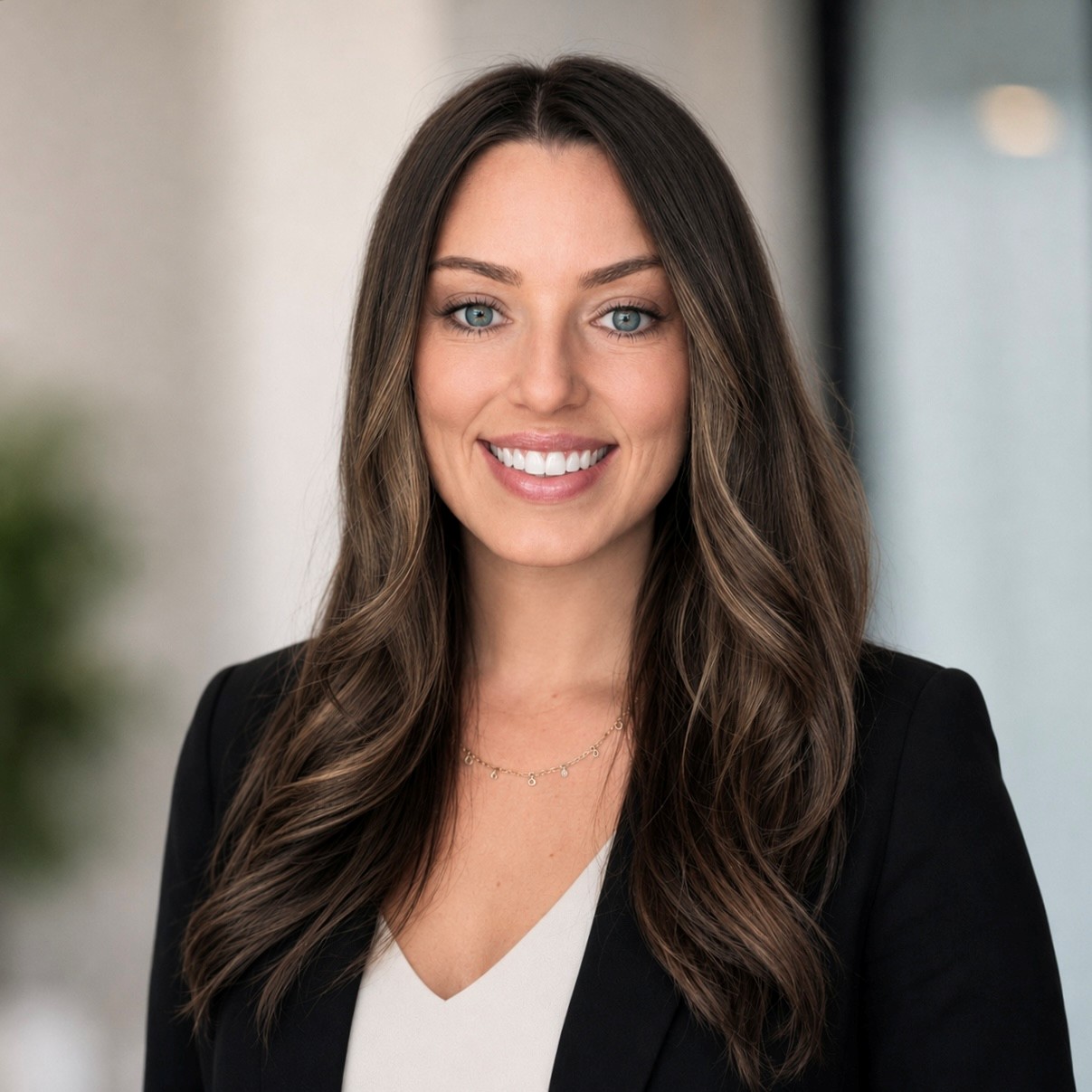
Northeast Florida Agency Account Manager
Megan Lopez is an Agency Account Manager with Fidelity National Financial, where she works closely with title companies, law firms and real estate professionals to provide underwriting support, industry education, and relationship-driven solutions. With a passion for helping others better understand the role of title insurance in real estate transactions, Megan enjoys speaking on topics including fraud prevention, consumer protection, and the evolving real estate landscape. She brings a practical, approachable perspective shaped by hands-on experience in the title industry and a strong focus on building lasting partnerships.