The Open House Blueprint: Door-Knock, Invite, Sell
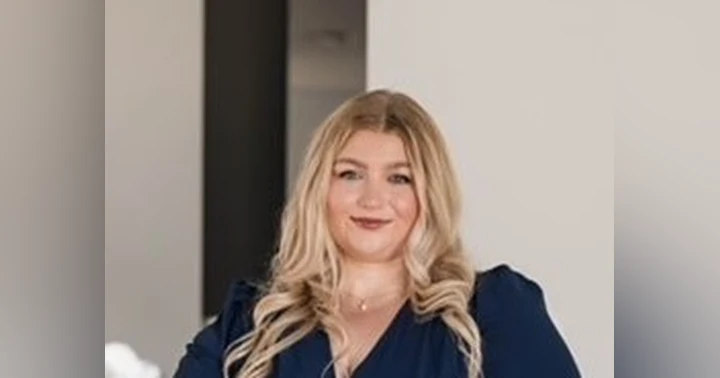
Episode 307 – Madison Partridge: From Medical Field to Market Leader in Northeast Florida Real Estate
In this episode, Tracy Hayes sits down with Madison Partridge, founder of Local Roots Group and one of the most strategic, fast-rising agents in Northeast Florida. Formerly in the medical field, Madison made the bold leap into real estate and built a business rooted in relationship marketing, open houses, and consistent community touchpoints.
Madison shares how she turned door knocking and open house strategy into 65% of her business, why she thrives working with VA and first-time buyers, and how her upbringing shaped her leadership mindset. This conversation offers a deep dive into her systems for client follow-up, her open house routines, and the personal grit that fuels her growth in Clay County and beyond.
You’ll Learn:
How to make open houses a core lead gen strategy
Why mindset matters more than marketing in year one
Her exact follow-up system using pop-bys, CMAs, and events
How to serve VA and first-time homebuyers with clarity and care
The bold moves she’s made to save deals and win loyalty
Whether you're an agent, team leader, or buyer looking in Clay County, this episode delivers sharp insights from someone building her business the right way—relationship by relationship.
🎧 Listen now at: tracyhayespodcast.com/307
📺 Watch on YouTube: @RealEstateExcellence

 Apple Podcasts
 Spotify
 Overcast
 Castro
 PocketCasts
 RSS Feed
 Are you using every resource in front of you or waiting for success to knock on your door?
In this episode of the Real Estate Excellence Podcast, Tracy Hayes sits down with Madison Partridge, founder of Local Roots Group, who shares her raw journey from zero experience to building a purpose-driven real estate business in Northeast Florida. Leaving a medical career behind, Madison threw herself into real estate without a budget but armed with grit, open houses, and a relentless drive to connect with people.
Now a leader in her market, Madison reveals how getting uncomfortable and showing up consistently on social media and in person has helped her cultivate a loyal sphere that accounts for over 65 percent of her business. From door knocking and hosting open houses to educating VA and first-time buyers, her story is a blueprint for young agents looking to build from the ground up.
If Madison’s story inspired you share it with a new agent or entrepreneur who needs to hear that success is built on consistency and courage. Subscribe to Real Estate Excellence for more episodes featuring top-performing agents who lead with heart and hustle
Highlights:
00:00 – 11:06 Starting from Scratch with a Mindset for Growth
- Leaving the medical field for real estate
- Embracing discomfort and uncertainty early on
- Using every free tool and tactic in the beginning
- Door knocking and open houses as launchpad
- Advice from her mother and how it shaped her drive
11:07 – 22:13 Faith Consistency and Building a Strong Foundation
- Letting faith and clarity guide business choices
- The power of repetition and relationship building
- Lessons learned from mentors and podcasts
- Getting real about CRM and system resistance
- Why 65 percent of her business comes from her sphere
22:14 – 33:20 The Open House Advantage and Local Branding
- Why open houses work best for relationship builders
- Creating high-touch memorable open house experiences
- Door knocking with strategic invites and face-to-face trust
- Turning neighbors into advocates and future clients
- How her presentation builds long-term reputation
33:21 – 44:26 Events and Community as Client Retention Tools
- Organizing low-cost high-value client events
- Leveraging vendor relationships for co-hosting
- Scaling appreciation events as her team grows
- Clay County as her niche and local expertise
- Community growth and long-term investment strategy
44:27 – 55:33 Educating and Empowering VA and First-Time Buyers
- Why she specializes in VA buyers and military families
- Combatting misconceptions about VA loans
- Setting expectations about pricing and home types
- Using buyer consults to prep for negotiation
- Getting creative with concessions and buy-downs
55:34 – 01:06:40 Strategic Negotiation and Future-Focused Guidance
- Managing seller resistance in a shifting market
- Handling low savings and credit with empathy
- Long-term thinking with equity building
- Comparing rent vs owning with visual tactics
- Her long-term goals in flipping and investing
Quotes:
“Get comfortable with the uncomfortable that is what this business is about.” – Madison Partridge
“Every conversation is an opportunity waiting to happen.” – Madison Partridge
“If I can get in front of someone I know I can build that trust.” – Madison Partridge
“You are not buying your forever house you are building equity and leveling up.” – Madison Partridge
To contact Madison Partridge, learn more about her business, and make her a part of your network, make sure to follow her on her Website, Instagram, Facebook, YouTube, and LinkedIn.
Connect with Madison Partridge!
Website: https://localrootsgroup.unitedrealestategallery.com/
Instagram: https://www.instagram.com/madisonsellsthe904/
Facebook: https://www.facebook.com/Madisonsellsthe904
YouTube: https://www.youtube.com/@LocalRootsGroupJax
LinkedIn: https://www.linkedin.com/in/madison-partridge-yates-12069b171/
Connect with me!
Website:
Website:
SUBSCRIBE & LEAVE A 5-STAR REVIEW as we discuss real estate excellence with the best of the best.
#RealEstateExcellence #RealEstateExcellence #MadisonPartridge #OpenHouseWins #VAHomeLoans #FirstTimeBuyerHelp #YoungRealtorLife #RealEstateMindset #WomenInRealEstate #DoorKnockingStrategy #LocalRootsGroup #ClayCountyHomes #FaithDrivenBusiness #RealEstateFlorida #RealtorTips #SphereOfInfluence #HomeBuyerHelp #JacksonvilleHomes #ClientCareMatters #RealEstateCoaching #MarketLikeAPro
Are you ready to take your real estate game to the next level? Look no further than Real Estate Excellence - the ultimate podcast for real estate professionals. From top agents and loan officers, to expert home inspectors and more, we bring you the best of the best in the industry. Tune in and gain valuable insights, tips, and tricks from industry leaders as they share their own trials and triumphs. Whether you're a seasoned pro or just starting out, a homebuyer or seller, or simply interested in the real estate industry, Real Estate Excellence has something for you. Join us and discover how to become a true expert in the field.
The content in these videos and posts are for informational and educational purposes only. The information contained in the posted content represents the views and opinions of the original creators and does not necessarily represent the views or opinions of Townebank Mortgage NMLS: #512138.
Tracy Hayes 0:05
Hey, welcome back to The Real Estate excellence podcast, a place where top agents share the real stories behind their rise to the top of Northeast Florida. Real Estate this show exists to spotlight agents who live with intention, build with consistency and serve their communities with heart. Today's guest embodies all of that and more. She grew up in Jacksonville, built her career from scratch after leaving the medical field, and now leads one of the most purpose driven teams in the region. She's the founder of Local Roots group, a mentor, a strategic marketer, and a woman whose business is fueled by faith, clarity and community. This is a story of Madison partridge. Welcome to the show formerly Madison Yates, for those out there, when she was on on episode 187
Tracy Hayes 0:53
congratulations on getting married. Is marital bliss still going on? Are we good or back in the thick of it? How many? How many months now? We got married, October 3. So, oh, okay. I thought was a little earlier in the year. Okay, October 3. So we're working on three months. Okay, wow. All right,
Tracy Hayes 1:19
met with you and Hannah, and got to, got to know you a little bit. And obviously, you know you're showing up on my social media, and I'm watching what you're doing and really proud of what what you're doing. And I'm really interested in digging in to what we talked about a little bit before pre show your mindset, what the business mindset. You're a young person, and you're doing really well in this industry. And I think could definitely blaze trails for other young people to get into real estate as well.
Madison Partridge 1:48
Mindset, it's really just being able to jump in and try everything. That's really what I like to say.
Madison Partridge 1:58
You nothing's too hard for you to try. So just being open minded and everything that you do and really diving in and giving it your all, whenever you're doing something, don't just do it halfway, do it all the way, and do the best of your ability and make sure everybody knows that you're doing it, and you'll be golden. Well, you touched on several different things. I can't believe you've tried everything,
Tracy Hayes 2:25
because we know that we you got we go just like as loan officers, are you as a real estate agent, there's a lot of flashy things, whatever it's going to tell you going to make your life, you know, real estate life easier if you use this and use that, but it can get overwhelming. I'm sure you've experienced that. You have to pick and choose what paths you're going to take and obviously commit to to see if it's actually going to get any results 1,000% Yeah, I will say whenever I got in, it's a money driven business, so you have to be able to have the funds to invest into your business. And I didn't have a lot of that. So I tried every free product I could under the sun, and I really used and abused whatever I could find that worked, whether it be old school methods like door knocking or holding open houses every weekend, I even got customers off of that. I got transactions off of that. Was a lot of repetition, very uncomfortable. I always tell my girls on my team, get comfortable with the uncomfortable, because that is what this business is about.
Tracy Hayes 0:03
321,
Madison Partridge 3:23
But yeah, tried every free thing in the book until I was able to level up and invest portions of what I made back into my business and just go from there. And that's what it's all about, is exhausting the resources in front of you and then leveling up from there
Tracy Hayes 3:38
you mentioned today. I want to drill in a little bit to see. Would you get comfortable with the uncomfortable? There's a great book by Colonel Tom Gordon I'm gonna throw out there cita alumni brother. He's a Marine Corps colonel, and embrace the suck was what he, you know, put out there that's said in so many different phrases, embrace the suck. You know, get comfortable with the uncomfortable. By many in personal development. You know, there's many books written on it, but they're not just guys just talking. There's obviously some great CEOs out there that have basically said some similar thing, you know, get out, you know, getting comfortable with the uncomfortable is, is the phrase is that something that you just naturally just realized you're doing, or have you done a lot of personal development and reading books, and so that said, You know what? I that person has a lot of credibility, and I know this sucks, but this person says I should embrace it and go, How did you get into that mindset? Because as a young person, it's admirable.
Madison Partridge 4:55
Thank you. Yeah, I will say I think I got into that mindset by Joe. Growing up and watching my single mother kick butt basically the whole step of the way. She was a person that got out in front of it and used every resource to her best ability and gave us the best life that you know, she could. And so I kind of watched her, and I feel like I adapted to that super well. I'm the first one that went to college out of my family full scholarship, and I wasn't taught how to do that. So I, you know, found every resource that taught me how to get into college, how to take the SATs, what to do there. I'm very much a detail oriented I'm going to research it all the way before I jump into it. Type person, even the same with real estate. Researched everything I got into it. I knew how to I was asking questions my mentor, and she's like, how do you even know about that? So if you haven't even gone that far, the thing so I think just adapting to situations is something I grew up with, and so I'm really good at being thrown into situations and being able to adapt and roll with the punches, which is what makes my active listening skills and my adaptability when it comes to clients and hard conversations, it makes it flow a lot better that way. So growing
Tracy Hayes 6:08
up interesting. We probably talked about this in the initial episode, but since you brought up mom, when you told mom you're going into real estate, what was her reaction?
Madison Partridge 6:20
My mom has always been my biggest cheerleader. So she she knew I was going to do with it what I will she she had big hopes for me. She was sad to see I was leaving the medical field just because I, like I said, research everything I got through college, I was literally also sending out applications while I'm taking the real estate exam. So like my mind was split, 5050, but in the end, I mean, she, she cheered cheer along for me, even if she didn't believe in me.
Tracy Hayes 6:53
Well, just it was unknown to her too, right? You know you're going into sun, no field. Well, we're gonna see where it goes. But she realized you're, you were young enough to recover. Should you? Should real estate not work out? Okay, well, she still can go back into, you know, no real and then you were single, then too. So wasn't like you had to, you know, carry other people's water to 1,000% yeah, there's a lot of questions in there, because you said a lot. You actually did say you said enough, but to really open a lot of can of worms in in from the mindset of what was going to talk you mentioned earlier about doing things and then, you know, following through with them. You if I could summarize basically doing them enough to see if they're going to bear results. Because I think we all in this ADHD world that we live in now, if a lot of people just, you know, they do a Facebook post and they're like, waiting for the phone ring, yeah, it's like, it doesn't work. You might, you know, you have, might have to do 1000s before you actually get something that you could say came from that post, right? What are some of the things that you have discovered you have stuck with and has bared fruit, basically gold at the end of the rainbow. For you,
Madison Partridge 8:15
I will see my open houses are a really big one. For me, I shine bright in personality. So when, if I can get you in front of me, I know I can make that connection, and I drive my business off a relationship. So I that's where, that's what gets me in the door. So my open houses are definitely a big winner for me, if I like I said, if I can get you in person, we're golden. So my sphere, my people in my sphere, they believe in me. 65% of my business last year was my sphere Nice. So they believe in me. They trust in me. I've built that trust throughout, you know, my sphere there, yeah, and just follow up and caring about my customers. Like it sounds like the funniest thing, but it's not just a transaction, actually caring about them, touching base with them, seeing how they're doing, giving them vendor recommendations, even though that you might not think about it, or they might not think about they need something or whatever, you just give them what they need and go from there. So yeah, just just touching base and actually having that relationship.
Tracy Hayes 9:15
I think let's talk about that mindset right there, because having all the top agents had Sarah Schwartz on last week, and you know, a good part of her business, and she did almost 36 million Yeah, you know, she's been in the business twice as long as you have, and her focus has been on her, not only her immediate community that she lives in of 100 homes. But like you said, really taking care of the past clients, regular contact, whatever it is, when you first got in the business, and people were talking about it, which I know, where you first started, they followed Buffini all the you know there, and they're really focused on that, was that some. And you're like, Oh, I wouldn't think about, okay, yeah, that's or it was like, I already, you know, that's natural for me. I expected to do that before I even started the business.
Madison Partridge 10:10
Yeah, it was definitely a lot more organized than what my brain could put to it, right? It was, it was smart. But I hated following systems up front. I thought they were the dumbest thing to exist. I hated a CRM. I actually just started using CRM and 2025 so
Tracy Hayes 10:28
well, you've built up enough clients now that all of a sudden it's a it's a little hard to
Madison Partridge 10:32
track everybody. Yeah, yeah, but yeah, yeah. I mean, I Buffini was nice. Tom. Ferry is also good. I listen to his podcast and whatnot. Yeah, sorry.
Tracy Hayes 10:47
Well, you're, I think, a challenge that a lot of agents have, and now some will grow because they're just naturally good, but you never truly become great, like Sarah Schwartz or in there's others in town that I can mention that are doing just phenomenal numbers that you know, are three times. I'll say the average producing agent because I'm not gonna say the average agent, because we know the average age is that. But there's a lot of people doing the, you know, probably six to 12 million. There's a lot. That group is pretty big, but when you start going over 12 to 15 million or more, you're you are really doing the follow up. You're using that CRM, least, most of the ones I've talked to, they're doing something with it, and you're reaching this point. But it's not for a lot of people, it's not like, oh, yeah, of course. It's sales. That's what I'm going to do. They actually have to break their habits and go, Hey, man, I need to find a way to do some more follow up so I can have 65% referrals, 1,000% Yeah, that they don't think about that when they actually get in, get in the business. Give me some real for the listeners, some things that that are working for you, like so you what's we got in year three? Are we? So we're two plus years not so we're not third year anniversary. But follow up is key. What are some of the things that you that are working right now, as far as follow up in getting for the especially those, I imagine you probably have some people that have referred you multiple people. Some people probably haven't referred Jenny yet. Hopefully they'll come around. But that's, that's the way it rolls. What are you doing in your follow up?
Madison Partridge 12:35
Yeah, my follow up
Tracy Hayes 12:38
for on past clients, talking about past clients, people that you've already serviced
Madison Partridge 12:41
already, yeah? For those customers, I usually, at the end of the year, I do a Christmas ornament. Obviously other, if there's other religious, you know, takeaways, we go with that. It's that way. Every year they put the Christmas ornament on the tree, they think of me, yeah, of course, the good part. And then from there, I do holiday cards. So also now holiday card, we do like CMAs every two years. So to your anniversary, they get a CMA, those types of things. We do client appreciation events, and then other things would be like pop bys. So I try to do at least two to three Popeyes a year. For my
Tracy Hayes 13:21
customer, that's your that's your goal. 25 is to touch them two to three times go buy their actual house. Yeah, under client appreciation, that's a Buffini thing, isn't it? Yes, Brian. Brian, Buffini likes, likes to talk about that. What? What are you? What are you doing there? Yeah, so, because you've only been in the business a couple years, so what have you done from a Yeah,
Madison Partridge 13:45
yeah, in the past, we did an event at a local state park. It kept it very cheap and easy. We had Publix catered, and we just did like, they could draw with chalk, they could play with bubbles. Their kids could and, you know, the parents could come, and we could all kind of meet the whole team and go from there in the past. And this year, we're planning on October to do like a pumpkin patch, little ordeal where we invite our farms and our past clients to come to the pumpkin patch take some pictures. We're going to hire a photographer, and we'll have all of our vendors there that we've used over the past years, and they can put face to face there and build those B to B relationships, while we're also building on the relationships with all of our past clients and our farm as well.
Tracy Hayes 14:30
Now, for agents who maybe don't have a, you know, a ton of closings, oh, if I have a client appreciation, I might have three people there, they should team up with other agents. I agree, and do it as a group. Have you? Are you doing that, or you just had enough? Invites yourself when the first time you did it that you that was enough? I mean, if imagine you put 2030, people together, you know, families and couples, that that's a good crowd.
Madison Partridge 14:58
Yeah? Yeah. No. I. I say, do it in numbers, even if you're not a team, you can, you know, power numbers, even if you're at the same brokerage. I mean, you can think, hey, our brokerage is putting on a past customer or, you know, past customer event, bring them in and work your vendor relationships. You know, that way to have them be included in it, because they were part of the transaction. They were talking to that customer. At some point, I'm sure they're going to want to want to refi or buy another house at some point. So get your lenders involved. Get your title people involved. They always want to help with education, those types of things too.
Tracy Hayes 15:28
So well, you need some extra hands too. Exactly, you need some people on your side of the table to service, you know, make the sandwiches or whatever you're doing there, because it can become overwhelming. But I think, you know, you hit on a it's a very good tip, right there. Agents, I think a lot of agents don't, you know, leverage, their vendors, their their loan officers. I mean, yeah, the transaction with the inspection company, that's a few $100 but if you're sending regular deals to a loan officer. There's 1000s of dollars involved there for them to cut back a few 100, to buy some of the catering, or rent a bounce house, or whatever it is that they want to contribute and and show up face. If you're you're not asking, because they're they are willing. They just, you haven't asked them yet, and they'd get involved,
Madison Partridge 16:20
yeah, yeah, exactly, yeah.
Tracy Hayes 16:24
Let's you said open houses, yeah. What is it you think you will you actually step back because you said something, including the open you feel that if you can get someone in front of you, that you can earn their trust to represent them when they are ready to buy or sell. So at what point did you realize that was one of your strengths?
Madison Partridge 16:55
I've always been a decent talker, so if I can get someone, I mean, probably maybe starting in high school, I maybe end of high school, early college, when I started having to, you know, do college applications and really believe in myself that way, I think that was a lot. And then going through college kind of built up that. But yeah, I mean, even from an early start in real estate, have people come through open houses, and if you know one thing more than that person coming through the door, you can really sell them that you know a lot more about real estate. So that was what I took with me. And most of my open houses is like, if I could tell them one thing that the common public doesn't know about a house, I can convince them that I know more about real estate than they do, aka, I'm the professional, and they will kind of help me guide or I'll help them guide them through the process. Alright?
Tracy Hayes 17:47
So you started to see some wins. Yes, was that your mindset before you got into real estate? It's like, how can I get in front of as many people? Or is that something you more or less kind of discovered after being in the business a little bit like I need to get in front of more people.
Madison Partridge 18:03
Yeah, definitely getting in front of more people. I think the most important thing for me was having everybody. And I tell people this all the time, having people on your Facebook and your Instagram see that you're doing real estate every day is important. It's your full time job. It's not just a hobby. It's not something that you got a license for and you're just going to wave around and do one transaction a year, posting to your stories, posting, you know, three times a week on your Instagram, Facebook, so that way they know this is your real time job. This is what you do all day, every day. You're invested in it. You're constantly doing education events to learn more about it, and the whole nines there, yeah. So just staying involved, right?
Tracy Hayes 18:41
So, because I think that is one of the one of the biggest challenges that real estate have. The difference of being okay, maybe I'm doing a few deals or not doing any deals at all, to being really good is finding that what works for you, you clearly said earlier, putting someone in front of me. So you realize, okay, I need to get on open houses, because that way people will just naturally walk in front of me. Yeah, yeah. Tell what are you doing now that you realize this, you do a lot of open houses to create that situation where someone is in front of you. What are you? What are you doing at the open houses to to, I guess, attract attention. You know, talk about what you're talking to your sellers about, hey, this is what I'm going to do with your open houses. And then how do you set up the atmosphere so that it is a home court advantage for you being there, and when someone comes in,
Madison Partridge 19:41
yeah, a lot of it's about statistics. So whenever I take a listing, I tell them, hey, buckle up. First week's the most craziest week. We're going to be doing an open house that first week, because it's new listing on the market. You're probably gonna get the most buyers traffic through that way, and unless we do a price drop, then we'll go from there, right? And then this setup is, I do some open house posts, either Wednesday, Thursday, I make Facebook events. I do a whole shebang there. I'll post it in some real estate feeds. I could post it to our brokerage page. I invite people on Facebook too. That's the main thing. You can't just make an event and not invite people. So I invite 500 contacts, because that's what you can do to every event.
Tracy Hayes 20:27
Are you strategically selecting them? Are you guys, and this is something I want to do that I've heard recently several times, is your past clients. In this case, for for really, for both of us, is either, you know, creating a private page that's just, you know, VIPs your past customers, but also going in, because you can label every one you're friends with, you know, like, Hey, this is family. These are friends, that kind of thing. So to make sure they are regularly and you're regularly getting their stuff that they're posting?
Madison Partridge 21:02
Yeah, there's no rhyme or reason to how I do it. I've been told that the top 500 people that show up are the people that interact with your profile the most often. AKA, they're your VIPs, so they're gonna be most willing to share your content and do the things that need to happen. And a lot of time it is family, and they'll share it, and their audiences will see it. Yeah, even better. So, yeah, I just shared to the top 500 from there, and then from there. The day before open house, we will go door knock the neighborhood. We being the team. We do flyers and door hangers. We knock on doors. Introduce ourselves. Hey, we're inviting you to this open house that we're holding. Would love to, you know, walk you through it.
Tracy Hayes 21:42
All right, let's, let's break that down, because this is very, I think this is another thing. And I remember, I think you talked about this in the original episode 187 your door knocking routine, you have an open house. What are, what are your must do's prior to that open house, in relation to going and knocking on doors, what is your steps?
Madison Partridge 22:08
Yeah, we make an invitation flyer. We usually get a lender or title company to print them off for us, so not charge of us. We have the door knocker bags, which are pretty cheap. We put them together. We did do popcorn at some point, but we stopped doing that because people just throw it away. And then we pick a time. It's usually about 30 minutes. Is all it takes us. We do a max of 30 houses, and that's the 30 houses that are closest to the house that's being sold. Because guess what? Those people try to buy that sign every day, and we invite them over. And the amount of neighbors that I've had come to houses because we've door knocked and, you know, told other people about houses or about the house, has been a really good turnaround. So, yeah, it's just as easy
Tracy Hayes 22:53
as that. So anything special on the flyer that you're just
Madison Partridge 22:57
the address, our invite our faces always put your face on there. Your contact information say they don't know the time and they want to give you a call, they can give you a call that way. And then, if anything is special pertaining to the open house, if it's a taco Fiesta open house, or if it's a you're having a coffee truck, put that on there. That's extra information, and people are more likely to come if you're going to have one of those fancy
Tracy Hayes 23:19
things, sure. Or is that something you regularly do, or just on the right occasion with the right house that you're going to write? Occasion? Yeah, yeah, what success? Because I think that's a brilliant idea. You know, you got a house that really is, you know, just shows great, and especially in the neighborhoods we know our best advocates or sales people that we could put out are the neighbors, because they have family, friends or whatever they're like, been telling them to move into our neighborhood because it's the best, you know, to reach that circle. Give us a breakdown. What makes your decision of what you're going to do or you're going to serve food or not. You know, especially, I imagine the very is the very first open house. As soon as it lists, probably the most important it
Madison Partridge 24:09
is, yeah, it is the most important. I don't. I try to not make a huge deal out of every open house I do, but I do have a really good setup. I don't. I'm not a huge fan of buying a food truck every time we do an open house, because we do them. So regularly, I do two to three open houses a month, so at least three out of four weekends a month. So yeah, so our setup is amazing. We have tablecloth, and then we do, like, personalized flyers. We have snack table, like to the nines we do. We have a you know, Speaker going in the background. And then we have flyers. We do personalized brochures for every place that we do. We have a system sheet for every house, like we have the information shebang going on, so that way we are prepped and ready to go every time some. When he comes to our open house, we're like, Wow, you guys really have a good setup. Like the amount of times people see that, and that is their first impression of us. Your first impression is everything for those people coming through the door, because, guess what, they don't, they probably don't have agents if they're walking through open houses. And if they do, you know either their agents too busy or they're on the rocks about agents. If your first impression with them is is good, then they might come back and do some business with you. So I've, I've gotten clients from it as well.
Tracy Hayes 25:30
Yeah, well, I, I think we underestimate that. You know, the neighbor across the street coming in and seeing you, when, in reality, especially in the newer neighborhoods here, you know, if they're the original owners, generally, when it's time for one person to move out, others are not too far behind there. You know, we know a lot of these communities, especially in St John's, I'm sure Clay's got the same situation. Lot of the people that are in the community tendency are within a range of the same point in life and now careers, mood or obviously you do a lot of VA loans. I noticed that So obviously you're working with a lot of veterans in that area, but that presentation you put out is your reputation? Yeah, absolutely, yeah. That that neighbor comes across the street may say, oh, Yo, you listed Sally street this house last year. I kept your card because I want you to do the same thing for me. Yeah, yeah, yeah.
Madison Partridge 26:35
And it's super important to see that every time you're doing an open house. And actually, one of my listings that's under contract right now. There's a neighbor on the corner, and I ask him every time, Hey, can I put a sign in your yard, just because yours is, like, the first, the one that's right before they might miss it. He's like, Absolutely, girl, like, you got it. Go put the sign in the yard. I want you to win. And I'm like, Yeah, at that point, you have all the neighbors in on it. They see the traction you're getting every open house. They want you to win just as much as they want their neighbor to win. So seeing that, it's like a team effort, and that's happened actually on the past couple of houses that I have sold with open houses, is like, we get really good traction, and the neighbors just want you to win as much as they want the seller to win.
Tracy Hayes 27:15
When you go and knock on a door and they do answer, walk us through that, what you like, how you like, obviously, assuming you want to control that conversation, where it's leading to, what is your what is your goal? When you get done, how do you just almost let's do a little role play. How of that conversation? You knocking on the door and then obviously, you accomplishing your your goal, of in that conversation?
Madison Partridge 27:41
Yeah, I usually I just start with Hi. My name is Madison. I'm actually selling your neighbor's house down the road. We are wanting to invite you to an open house. We're having it Saturday, from 12 to two, and we would love to see you come through to see the neighbors layout, what they've updated in the house, all those types of things, and see what's selling on the market is that something you'd be interested in coming to? Like, yes, no, maybe I'm busy that day. Like, oh, well, if you want a tour any other time, just give me a ring. I would love to show you through. Here's the information on everything, and we'll hope to see you Saturday.
Tracy Hayes 28:14
How many of those people who do show up actually bring someone with them?
Madison Partridge 28:21
It's hit or miss. A lot of them are just nosy neighbors, and they're like, what did they do to their floor?
Tracy Hayes 28:27
Well, that, I mean, that's cool, because you want them to see your layout, so come in and be nosy if you want to. Yeah, hopefully I impress you, and you call me when it's time to sell your house, exactly.
Madison Partridge 28:37
But sometimes people do bring people I this past one I just got under contract, we had two people, two neighbors bring people, one on virtually phone, yeah, the open house, and the other one, they were having a Christmas party, I think, and just brought them along afterwards the Christmas party, and came in and saw us. And it was cool. I was like, wow, this is a pretty good retention. I think it's neighborhood by neighborhood, by neighborhood, though, for sure, so well
Tracy Hayes 29:05
at a young age, you realize it sounds like to me, you've come come to a conclusion. Understand, you never know what's under the rock until you turn it over and you invite the neighbor with a whole who knows where that could go, right? Maybe they go, oh, I need to buy this investment property. Or, Ooh, I like this house better than my own. I want to buy this one and I want to move three doors down, yeah. But when they start inviting friends, and they start doing videos for friends and family, I mean, that's, I mean, you know, when you put all that combination together, how many rocks can I turn over? And then who? You know, what's, what's going to lead to a sale?
Madison Partridge 29:46
Yeah, yeah, absolutely. Opportunity is out there, no matter what. So every conversation you have is another opportunity waiting to happen.
Tracy Hayes 29:53
Now, are you necessary marketing to because, like I said, you I was, you know, looking at your loan, the you. The deals that you had lending on, and actually you did more VA than FHA or a conventional product. Is, is it just, is it just the area? Are you marketing in any way to the VA active duty, or,
Madison Partridge 30:18
yeah, my niche now that I've gotten into almost my third year is I would love to represent first time homebuyers and VA buyers. I come from a big background of veterans, so my husband is a ex Marine, and my brother's ex army, my uncle's ex Navy, like you name it, they're usually a branch that they've served. You know, super important to me, I've seen all the hard work and dedication and and the good parts of the military too, and which is, you know, being able to get a VA loan, and I know how to work it for their favor. And I've had people walk away with checks at closing, yeah, super rewarding. And I've just, I know the ins and outs of them, as well as, like, first time home buyers. A lot of my VA buyers are also first time home buyers. So it's like, helping educate them through the process is super important, and not a not a lot of people educate them through every step of the process. They don't know their house inside and out. They just know that they're going to buy a house and whatnot. So, yeah, that's VA.
Tracy Hayes 31:17
Have you? Have you had? I mean, your buyer heavy we've done, you have done some listings, or just in general conversation with people looking to sell their house, because there's that old wives tale out there in you know of the fact that you have a lot of veteran buyers that they're afraid to list their house as being VA loan eligible because they're afraid of actually a ghost, to be honest with you, but they're afraid of some a VA appraiser, or some sort of inspection that's going to discover something on their house that a veteran can't buy. Have you had people push back on you on that?
Madison Partridge 31:57
Yeah, once or twice, but it's all about educating, and we can get an inspection before we go on market, too. If there's something you're scared about, it's either probably something I've seen, or an inspector can can tell you what the fix for is it you know? Like you want to know more ahead of time than you are caught with at the end. So I'd rather you know before you list. Then we get to the end and you're like, oh my gosh, it's a $10,000 fix, and I don't have $10,000 to give, so it's all about prepping them and educating them ahead of time and having that conversation to kind of bridge the gap of oh my gosh, I wasn't ready. Yeah, so Well,
Tracy Hayes 32:33
I find that when someone actually steps back and looks at that situation, every buyer buying a home, if they don't have the home inspected, they're foolish, whether it's a VA FHA, 10th home, conventional product, Jumbo, whatever it is, you're getting an inspection, and they're going to come and tell You, hey, there's some you know, water damage, wood rot, you know, those are things that your water damage is, you know, on the VAs radar, because they don't want the veteran. And some veterans have down payments. They don't all go 100% but if they are buying it 100% that they're not walking in the house, that's got issues with it. Because if you got 100% probably it's because you don't have any money. And that's so things are gonna be, you know, tight right from the get go, and they want to have to, you know, turn around. Have you do a bunch of repairs. But that same inspector that you're using for the VA buyer, you're using the same inspector for, if that loan was conventional, it's the same inspector. He should be pointing out the same things. Yeah, so the conventional buyer will want it fixed just as much as the VA, the VA, yeah, no matter how much they're putting down. You know, now back in the day, I have not seen it recently, but back in the day, when i we i was doing a lot of refinances when I was in the Quicken Loans, slash rocket call center, if there was some minor repair, and the they had a lot of equity in it, you know, refinance, and they're, you know, still got 3040, 50% equity the underwriter may look at that's at most a couple $1,000 we're gonna just go ahead and move along. There's no reason to wait for it to be repaired. Today, it's a little stricter. Yeah, if they go that appraiser goes out there and says, Hey, I see water damage. We need to have, most likely get it fixed, or a roof inspection, because it looks like the roof is worn. We need someone to come and tell us what the life is, you know, on that. So I just, I like to put that out there to educate. VA is the best loan out there, as you have obviously realized, most forgiving, easiest to work with, and and you have a VA streamlined so I imagine you've got a lot of customers that are in six something percent VA loans, hopefully sometime this year, they're going to drop their interest rate a percent and be in the fives. And you don't need an appraisal. Don't need. Credit check. It's, it's a very close in a couple weeks. Yeah, if you, if you had to, and that's because other parties are involved. Alright, we've run the gamut on that. In some of the I might even come up with some other thoughts, because there were some, a lot of deep things I think you touched on. Let's talk about your primary area that you like, that you're getting most of your customers in, is that the greater Orange Park area that you're Middleburg, does that seem to be where a lot of your bread and butter?
Madison Partridge 35:32
Yeah, I'm trying to focus on Clay County, just because I live out there, and I know it like the back of my hand. Now I couldn't tell you I knew it like the back of my hand two years ago. But now that I've been there and I've watched it grow, oh boy, is it the place to be in. Everyone's calling it a mini St John's. So get in while you can
Tracy Hayes 35:50
good schools, actually, I think Clay was, wasn't it rated higher than St John's the other but they're both very high rated. So Clay's got very good schools as well.
Madison Partridge 35:59
Yeah, yeah. So I want to set down roots and Clay County and really advocate for that county, because it's going through a lot of growth. A lot of people are uncomfortable with the growth, but they they got to realize Jacksonville is a big place, and we need places to move out. But I do cover all seven counties still, so from Nassau all the way down to Putnam.
Tracy Hayes 36:20
So Well, I think the area, to me is, is, is green Cove to to platka, is the area for the next 20 years going out there. We know when that expressway goes across. Imagine you probably have, hopefully people are getting out in front who want to invest and buy investment property and hold on to it for the next five or 10 years, because you're probably going to get the most growth in that area than most places in Northeast Florida. Absolutely.
Madison Partridge 36:47
Yeah. Green Cove is booming. It's crazy. I I drove through, I took the toll road, actually drove through. And you can just tell where they're they're planning mass communities out there. It's just growth on growth on growth on growth, and it's just going to be such a good return to the county. It's eye opening to a lot of people that have been there for 20 years. But I mean, it's just going to reinvest back into the county, and it's going to make it that much better.
Tracy Hayes 37:14
Green Cove, at one time, was nicknamed little Detroit, post World War Two, when the sailors were coming home, they were dropping they were coming in all the way down the St John's to from what I understand, because obviously the shipyards are still there in green Cove. That was the Navy thing. And they were dropping the sailors off, and they were buying cars to drive home wherever they were from. So the amount of car sales are going through green Cove, which is a nickname at little Detroit. And from what I understand, was told was it was Lyndon B Johnson, so we're talking mid 60s that gave the order to build the Shands bridge and build it very low, which cut off any sort of larger barges and so forth going south to Palatka, I would imagine the new bridge is going to be higher. Yeah, it looks like it's going to be higher. Yeah. I haven't seen the actual plans, but based on the ones we know going over the intercoastal waterways and so forth, they build these nice banded bridges. So, you know, even sailboats that have a high mass can get through there without drawbridge, because it's not going to be a drawbridge. So they're going to build it high enough. So I'm hoping that it actually opens lanes for shipping and some manufacturing going on in Palatka, hopefully, you know, in that area. But I think, I think it's huge. There's a lot of older homes. There are homes that are, you know, cinder block, post World War Two, homes, just out of the blue. Because in our conversation, I thought is, are you seeing some investors, or seeing maybe some of the homes that you've guided people to, or some of these older homes that have been refurbished, or are there older homes out there that are really ripe for refurbished and resell for a profit?
Madison Partridge 39:13
Yeah, 1,000% I think there's pockets all over Clay County that are really good investments right now, everybody says it, they don't build them like they used to, and that is so true. And those homes that were built in the 80s and 90s are just sitting there ready for somebody to flip them and to make that investment. And that's what I want to get into in the next two years, is grabbing property. So I've had my eyes peeled and watching the markets and stuff, and, yeah, they just, there's some really good, good builds out there, definitely the cinder block builds. I mean, they even have some wooden homes out there that I would still invest in. Yes, they're the bones are just, well,
Tracy Hayes 39:50
if you're lucky, you might even find some multi family or duplexes and that sort of things, which are gems, if you can find them, because they don't build them anymore. I. We need to get back to building more duplexes and stuff like that, own one side, rent the other side out. You know that that sort of thing to get going? You're a young person. You're working with a lot of first time home buyers. How do you help them with their mindset? Because would you agree that a good portion of them are actually trying to buy their parents home versus their first home?
Madison Partridge 40:27
Yeah, I think mindsets everything. So long as they're open minded, I can work with them as the important thing, and it's a lot of coaching. We start our process with the buyer consult, which is super open. It talks about the cost of getting into a home nowadays, which, I mean, hasn't really changed. It's just the cost of the house has gone up. So explaining what like a standard home to get in 250 to 300 is kind of the entry Gateway home for a buyer here in Jacksonville, you know, understanding what it takes to get into that, but also explaining their options. Of, hey, there's down payment assistance available. We're in a buyer's market. I could probably get your closing costs covered. Or if you have closing costs, I could probably get you a rate buy down as well. So understanding there's different channels to get them into a home, but a house that your parents bought in the early 2000s is probably not going to look like what the house you're buying now is, but building that equity and going through the motions of everything to level up in house for the next house, you're not going to be buying your forever house right now, right?
Tracy Hayes 41:33
That's the because, and reason why I said because. I you know, as we just got done talking about, I think there's a lot of that kind of housing already out there. What would be, because we're not building first time a lot of homes that are first time homebuyer. There are some of these smaller builders, individual guys, that are buying individual lots and and building small, single car garage, you know, they're really trying to cut down and make it affordable for someone to buy in there. But would you agree? It's those homes at that price point have a greater advantage or greater opportunity for equity growth. It's easier for a $300,000 home over time to get the 400,000 than it is a lot of times for a seven or $800,000 home to get the 900,000
Madison Partridge 42:22
Yeah, I agree. I think I have that same conversation that I have with my team, is get uncomfortable with the uncomfortable. You're not gonna buy a house that has 2000 square feet and four bedrooms and two baths, you know, it's probably gonna be the two or three bedroom house with, you know, under 1500 square foot, but that's way better than your apartment, and you're not paying somebody else's mortgage. So it's like you're paying into a savings account, which is a venue like it turns into Yeah, money. So well,
Tracy Hayes 42:47
it's your it's yours. Danny, the rent you could pay pretty much the equivalent in rent, yeah, and when you're ready to move out, they don't give you any equity money back. You just paid their mortgage, which, you know, is paying the note for the whole complex to be built, or whatever, if there still is a note, yeah, where, if you're paying your mortgage, that's that every those dollars that are going in there, minus the interest, is equity that you're going to recoup when you go to sell the home, even if you sold it for the same price that you you bought it for 1,000% Yeah, so many people miss it. I want to get I was telling was, I want to get a pile of $100,000 to put on the table right there, of of, you know, movie Prop money, of course, yeah. But when people start looking at, you know, hey, this was gonna cost me $5,000 okay, let's take $5,000 out of that $100,000 part. Do you notice the difference in the difference in the shape of this pile? No, you really don't. And I think there's a lot of people that are stepping, I call it stepping over a quarter to pick up a nickel. They are. They're trying to get a house that they grew up with, not realizing. I think when I was my parents were on their second or third house by the time I was born at that point, and then seeing them buy and sell homes through the years, and they've always made out really well, great return on, you know, but obviously a different time period that you know, from 1965 to today, versus what today moving forward, because of, Obviously, that's the stress of home affordability.
Madison Partridge 44:22
Yeah, hey, I tell people, If I could have bought a house in kindergarten, I'd be killing it right now. Yeah, well, I think it
Tracy Hayes 44:27
goes back to saying, when's the best time to buy a house? Well, two years ago. Yeah, so you're you already missed that boat. Do you want to wait two more years and then look back and say, I should have bought two years ago? Yeah. Get get involved now. What are some of the challenges for first time home buyers right now that you're working with, what are some of their their challenges that you're having to over help overcome to get them in a house?
Madison Partridge 44:50
Yeah, well, I was affordability is is tough. I will say, I feel like the knowing what the cost of everything. Thing will be before you get to the closing table. I think there's like an assumption of, oh, like, I have $5,000 I should be good enough to buy a house. So the education part is super important, and then negotiating for their sake too. I think we're kind of in a weird market right now where sellers are kind of putting their foot down, and buyers are still wanting their buyer concessions. So making that argument, and
Tracy Hayes 45:28
so you're seeing some pushback, because maybe they lowered the price of the home, not thinking about 3% seller concessions, because that's going to be commonly asked for a first time home buyer, yep, yep, exactly.
Madison Partridge 45:38
Yeah. I actually just ran into that scenario this past weekend making an offer. And, yeah, I just don't think the room was made there. So on the other side of it, you're having to see, like, where the seller is coming from, too, which I like to wear, see both sides of the the transaction and make it fair book for both sides. But I obviously want
Tracy Hayes 45:57
my win, win, yeah. So Win, win for everyone. Yeah. You got someone who wants to sell a home, and you want someone to and you want someone to you have
Madison Partridge 46:04
someone who wants to buy it, yeah, yeah. But I honestly it comes down to the negotiation piece. I think negotiating for your customer is definitely the hardest part. And you got to meet everybody where they're at but them understanding the cost and having the cost of upfront and them not going into too much debt. Those down payment assistance programs are great, but if you don't understand that, sometimes their second mortgage, and then you go to sell and you're like, Wait, where did this $10,000 come from? That education piece gets left at the door. They're not It's not explained to them very well a lot of the time, right? And then that's just extra debt that they kind of take on, yeah.
Tracy Hayes 46:41
So you've got a first time home buyer veteran. FHA, doesn't matter. I mean, they have the same questions, or, you know, and obviously they only know what they know. So you know, you've been, you're going in your third year. What are some things that you've learned, and obviously, I imagine, you've developed to get better and better which sale you've done, but some when you start setting them the expectations, because you talk about negotiation. But if you do set expectations up front, when it comes to negotiation over an issue, it's a little easier because you you prep them. Yeah. So what are some of the things you like to to since you do mostly buyers, we'll talk about buyers. What are some expectations that you like to, you know, basically explain to them, but be prepared
Madison Partridge 47:30
for Yeah, well, in our buyer consults, they're very educational, and to the point they literally dollar for dollar. Could tell you what everything's gonna be your No, you're gonna need your 1% for your binder deposit. That's non negotiable. We can't really ask the seller for that, so you need that. What is negotiable is we're in a buyer's market, and I could probably get anywhere from 25 to 100% of your closing costs covered. Now do I want you to have it in case? We can't absolutely but if we're going to have to fight for it, and you don't have all of it, then, you know, to fight for it. And I'm usually game planning with the lender, you know, at that point to appraisal, I tell them, hey, there's some lenders that cover that for you, especially if you're a VA. It's a very common practice for VA people to get their appraisal covered. So ask the lender, if that's something that they can do for you. I kind of give them my inside knowledge too. So like working with me, you kind of get my inside knowledge and my tips and tricks and going from there. And then as far as purchase price, I'm seeing a lot of my buyers having to come up the purchase price to get the full concession amount. So prepping them for that. Hey, we not might not be able to get a killer deal on the price point, but you're getting $12,000
Tracy Hayes 48:53
No, you're not coming out of pocket anything. And now you own a home, your name's on ownership.
Madison Partridge 48:58
Yeah, it's definitely prepping the story. But if you want to get a killer deal, and you have the money for closing costs, closing costs, cool. Let's ask for 12k off the price, right? And go from there. So I kind of situation, or I try, I make it a situation for them, and kind of play it out with the way that they want to do it. But most times when people come to me, they're very they don't have a ton of cash, yeah. So we're playing with the situation of, okay, we need to ask so
Tracy Hayes 49:21
great question, what things that a buyer needs to be prepared to have make sure their real estate agent is aware of when they're going into this transaction? What are some of the things that obviously you know, you know. Right now, I got a buyer. I'm going to ask them x, y and z, what are those X, Y and Z things that they need to know? So when you ask them, they are prepared to give you. And I think any listener, you have to remember this is so you could put together the best deal. You don't want to go in and not ask for closing cost and then realize your your. Buyer doesn't have any money to pay the closing cost. Or oftentimes, they'll say, I'm gonna put 10 or 20% down. Well, that's all the money they have. They're not bracing for the closing cost. What are some things, some discovery questions that you ask, you know, pretty regularly for your buyers, so you can start to get a picture of their situation. Yeah.
Madison Partridge 50:21
So typically, even before the buyer consult, my first discovery call with them is, really, if they seem like they're interested, it starts to break into Okay, well, what is, what is your credit What do you think your credit score looks like? And I have that understanding. And if it's like a 620 Okay, great. Do we have any savings going on? You have to get uncomfortable with uncomfortable with uncomfortable questions, but it's important for you to know. And they might be like, Well, yeah, I have 2500 and savings there. Okay, we might need to work on savings just a tad.
Tracy Hayes 50:54
Oh, yeah, don't forget to ask where the money is, because that $2,500 is in their mattress or under their pillow. Yeah, that's not good.
Madison Partridge 51:00
Yeah, exactly. So those are two of the questions that I commonly asked before we get into the buyer console. Because from there, I can talk to whichever lender they're using or lay them up to we can kind of come up with the plan. But I usually from that discovery call go into the buyer console, kind of break everything down. They have a better understanding, oh, it looks like I need to work on this. Then, because it outlines all of the numbers that they need to work on. And like, oh, 2500 will only cover my binder. Okay, I probably need to get another, you know, 1200 for the inspections, and then who knows what else for closing costs, right? So it kind of lines them up that way. I know where they're at, and then I can have that conversation better in the buyer consult.
Tracy Hayes 51:42
Yeah, I think there's a lot of agents out there, know, you know, like I said, it's a difficult question, but when you actually go, Hey, I'm a real estate agent, I'm a professional, and now I've been doing this a little bit, I can now ask some questions, because I'm doing something with that, with the answer to the question, and that's strategically making an offer that one is going to execute. You don't find out later, oh, I need to go back and ask for concessions now, like, oh, you know, type of so you can strategically offer so you're not going to this, you know, sure the situation comes back. The seller says, No, we're not going to give you concessions, because they've basically bottomed out their price. They either owe that much on it and getting here, or they figure by the time they pay for everybody, they're not going to get anything out of it. So I can't give you concessions. Well, if I, if I made the offer for 5000 more, can you give me some seller concessions? Can you cut me five or, you know, 3% back, or whatever it is. So by being open with you, is the point in agents, you've got to get your customers to open up, and the more they tell you, the better situation and easier it's going to be for all, because you're going to show them the houses that are offering this or offering that to make sure we can get them in there, and obviously getting
Madison Partridge 53:01
qualified, yeah, 1,000% I think clarity is an honesty is super important, too, whenever you're going into it, a lot of times those conversations, if it's an online lead, that those conversations are happening when you're touring through the house. So how are we going to purchase this house, and how, what are we looking at? What type of loans, those types of things, those come out during the tour. You got to, you got to fill it out, and you got to be able to understand where your customers coming in, and if they're not giving you clear answers, like, I don't really know right now. Do know, but I don't trust you
Tracy Hayes 53:30
quite yet. Red flag. Red flag. To me, anyone who is worried about their credit being pulled, not everybody, but good with the majority, it's because they have problems. The other just fall into some old wives tales, as far as mortgage lenders pulling your credit from that, from that standpoint, the first time home buyer getting that. And then you mentioned, you know, I know you like to use Gary a lot. Done a lot of deals with Gary. Gary's been doing it a while. He knows any any of the good lenders are going to share, I would imagine, after he gets done talking to them, he's calling you back to update you and tell you whatever information he can or generalize over so that you understand what he's dealing with as far as the loan,
Madison Partridge 54:22
yeah, yeah, yeah, gives me the 411 Yeah,
Tracy Hayes 54:26
hey, they told me they only have $10,000 where they might have told you they had $30,000 well, it's $10,000 what is just all they want to come off of to buy this house? Is that why they're telling them that? So those type of questions go on, but
Madison Partridge 54:42
we kind of like good cop, that cop that way. So Well, yeah.
Tracy Hayes 54:44
I mean, sometimes you have to, especially for someone who's not being open to you, yeah, because the last thing you want to do is make an offer on a home and then have to go back and change the offer or whatever, because of something they didn't tell you, like, hey, I need my closing costs covered. Or I need. Down Payment Assistance, whatever it may be. Yeah, yeah, from the same way. Alright, I've got some questions here that I that I brought up to hopefully create some good reels here. We're just going to fly through these and get my Okay, there we go. I'm going to, I'm changing it up. I've been doing trending questions, but these are more just I think could create some good reels and get people to know you and what you're doing in real estate. What is the most ridiculous thing you've ever walked into during a showing? Oh, gosh, that's a good one. There's some crazy answers out there. I've heard some stories of people like doing, yeah, walk into a room and they didn't realize you're
Madison Partridge 55:51
there, yeah, um, not really a showing. It was more of a listing appointment, yeah, um, I walked in and it was, was an interesting one. Hoarder, you have a hoarder, hoarder situation, and they're toying me through the house, and their child's just like laying on the ground in a room there's no bed or anything. They're just laying on the ground because there's just no ground to lay on. And it was just like we go out to the backyard and this lady just tells me a story about how they used to have goats and their their goat committed suicide on the fence. And I was like, What is going on here? And it was like, the listing appointment from hell. It was bad.
Tracy Hayes 56:34
Oh, my goodness. I was like, When can I get out? Yeah, it's really bad. So that was
Madison Partridge 56:39
one of the most ridiculous things, and you just have to have a straight face the whole time. Face all the time too. And it's like, how can you have a straight face the whole time?
Tracy Hayes 56:46
So yeah, if you have, if you haven't had situations like that story, right there something you know, crazy you haven't been in real estate long enough, yeah, yeah. Have you ever completely lost it, like cried, raged or laughed hysterically because of something that happened in a deal. Oh, absolutely,
Madison Partridge 57:05
if you haven't crashed out once or twice, I don't know, like, Are you real? Like, the real question, yeah, I definitely had my fair share of crash outs whenever it comes to real estate transactions, never in front of a customer, always full composure. But afterwards, like, yeah, my husband's heard some stories.
Tracy Hayes 57:24
Well, I deal gold sideways. Can you remember, like, what caused the deal to go sideways and blow up and like, really, just drain you. I'm trying
Madison Partridge 57:33
to think customer not being truthful about stuff going on. And I fight for my customers like 100 and percent, like I am their biggest cheerleader. I will go to the end of the you can ask anybody I've ever worked with, I do ridiculous things to get deals done, and yeah, I just customer not being truthful, getting to the end, and then everything blowing up on the other side too, I was a listing agent, and we get to the end of the deal, we were a week out from close. Turns out they lied on their financing 110% and I'm like, How is this even legal?
Tracy Hayes 58:12
Yeah, well, that's the thing we will find out. That's what people don't understand with especially with technology. It's getting better and better every day, trust me, if you are not forthright in you know, Hey, have you had a foreclosure in the last seven I mean, I don't care if it's on the credit report or not, there's other ways they find out that you've owned property and foreclosed upon. Yeah, you can't get around that. What's the boldest thing you've ever done to save a deal from falling apart.
Madison Partridge 58:44
Paid for floors. I paid for floors. It was a renovation loan, and the contractor that did the plumbing repair was reporting the concrete and did a really bad job because gotten an altercation with the buyer, and just it ended bad. So they did a crummy job. They just want to get out of there. Slammed it down the floors. They couldn't put floors on. They needed to be floated. And there was comments about suing everybody. So the boldest thing I did was I went in there and I paid for those floors, and I made it right.
Tracy Hayes 59:19
So there's a renovation loan. So technically, they really bought the house already. They own the house. You really, your job is over. Yeah, you've done what you're supposed to do. As a real estate agent, the lender is still working on it, because they're doing the renovation and maybe doing draws, or whatever it is to closing, and they call you and say, This screwy contractor screwed up the floors, and you're not obligated to do anything, but you felt obligated, or felt like you needed to step in
Madison Partridge 59:51
when I put my name out there in front of for other or for contractors. Or anything, I feel obligated like that's
Tracy Hayes 1:00:03
who I said. So it was a referral from you. Yeah, okay, I
Madison Partridge 1:00:07
give them three choices in every category. It's who they chose. Do you refer that
Tracy Hayes 1:00:10
person anymore? No, they're simply
Madison Partridge 1:00:16
off my list. But, but yeah, that I gave them three options. They were one of the options. And, yeah, I just felt like it was my fault, and so I made it right. And now they are good old customers, so they still like me.
Tracy Hayes 1:00:30
I bet they do. You mean, well they should, yeah, and hopefully they're looking to try to refer you somebody to make up that loss that you had, as far as covering the flooring. What's one dumb mistake you made early in real estate that still makes you cringe today.
Madison Partridge 1:00:48
My first deal, I believed that everything was good and we were smooth sailing. I actually I got really lucky. My first transaction was like a multiple offer transaction. I was the listing agent and smooth sailing. Thought everything was good. We got a week out from close, and turns out that a dock wasn't permitted on their side, so they had to go back through and do a permitting dock, which takes months. And so just believing that everything was smooth sailing after we got a contract executed, that
Tracy Hayes 1:01:19
was so you learned to do your due diligence, and this is that's very important, because, yeah, what and why? I think that what leads me, and the thought that leads me, is this, there's this discussion over surveys, and that now, you know, a lot of times the title company order a survey if there isn't a recent one done and they want and there's some companies that are collecting because they won't where there's other title companies will just roll the dice on it that just going to close, and they'll charge them for it on the Closing Disclosure, and so forth, so going back and forth. But how important it is, I think that every agent makes sure, I don't care if they're paying cash in the lenders not involved, obviously, there's a lender involved doing a loan process. We need the title to tell us, hey, there's a recent survey and they're good with it, that are letting people buy homes without a good survey on what they're actually
Madison Partridge 1:02:20
buying, yeah, yeah. You know, 100% due diligence is so important,
Tracy Hayes 1:02:24
because that's one of those things, like the unpermitted dock, all sudden they go in there and they, you know, they buy the house, and then they realize their fence is on someone else's property, or this other property, or the other guy's fence is on their property, or, let alone, they had a pool put in, and they didn't put it in, and the easement setback, all that kind of things that need to be approved. Yeah, part of the permitting, Tracy, yeah, in the survey would obviously disclose that. So that's, that's a good one there. Tell me the wildest, most unpredictable showing or open house you have ever had.
Madison Partridge 1:03:02
Let's see. Wild is showing I had a first time home buyer. This actually recently, I had a first time home buyer, and we were showing homes, and I walked in and there was people living in the house and it was supposed to be a vacant house. Yeah, we had some people just hanging squatters. Oh, yeah, and they told me they lived there, and I'm so sorry. Like, no, you can't tour the house. We're living here. What the heck? Yeah, there were squatters, and we didn't go in, obviously. But I was like, I don't know what's going on. So I call the listing agent. She's like, nobody's supposed to be there. And so the cops had to get called and everything. We were out of there. We didn't, we didn't stay like, what is going on? Squatters are real.
Tracy Hayes 1:03:50
Yeah, squatters are real. That's a good one. So as we know, Florida is more aggressive, we'll say, with the police and taking care of squatters in some states, they're not so friendly. And I saw online this guy who, actually, you can hire him if you've got squatters in there. And obviously, because your state laws, or whatever, they're very, you know, laid back on getting squatters out of there. This guy will sign a lease with you move, show up and move into this house with the squatters, and he will be the craziest roommate that he could possibly be and get them out of there. I need that guy's number, yeah, from doing stuff in the bathroom and stuff nasty things, you know, just to drive his roommates crazy so they will eat their food, whatever it is. Yeah, so he comes the crazy roommate. Let's see this last question. I didn't prove it, but when was the first time you felt like a real leader and not just an agent hustling for the next. Steal. Oh, that's really that is a good one.
Madison Partridge 1:05:05
Yeah, I feel like I had a lot of self doubt early last year, because that was my first full time year in real estate. And I think once momentum started picking up and I finally realized that good things come to good people, and if you're doing all the right things, it'll come to you. And it's so true. I don't care as that it sounds woo, woo or anything like that. It's so true. The like, mid last year was really when I felt like, okay, yeah, I know what I'm doing. I'm doing all the right things. Things are coming to me, phones ringing, people are noticing. And I'm like, that was the biggest thing, because people noticing. I'm like, Oh, they they see me doing all this. Are you sure? Like, okay, yeah, so
Tracy Hayes 1:05:53
imposter syndrome, yeah. I'm
Madison Partridge 1:05:56
like, Oh, okay. I thought this is what you're supposed to do, yeah? That early, like, mid last year.
Tracy Hayes 1:06:03
Cool, yeah, no, it when you people who are working in the nine to five job and they're like, hey, in three months, I'll be walking in here and sitting down at the same desk at the same time, it's they've got that regiment and all the power to you. There's jobs that require that, and there are people that excel at that, but in our business, we're only as good as the last deal or the last month, and the game starts over again. And you've got to be doing stuff 9120 days. And hopefully, you know, the deals that are closing right now are stuff you're working in September, October, November, to bear fruit now, and they, they don't understand what you pick. You've got such a momentum. And obviously your referral based, you're holding on in coddling those past buyers to get the next referral, which is the greatest compliment. And now you know you're you're busy now, you always got three or four deals in the hopper. It sounds like, yeah, yeah, yeah, either working with somebody, or you got a listing or two and and that sort of thing, knowing that those are going to bear fruit, and hopefully a short period of time. Yeah. Why do you love real estate?
Madison Partridge 1:07:17
I, you know, I always knew I wanted to do something that I can make my own, and I can write my own rules, and I can do it the way that I fully believe in. And I did not think that was going to be the business that this was going to be when I first started. I fully thought it was HGTV and I was going to sell houses like that, but it is truly something I can make my own. I can write my own rules. I can do it the way I want to do it. I can advocate the way that I want to do it. Like I said, I go above and beyond for every customer, whether they're family or not, I treat them like family, and that is something that I pride myself in, is that I run my business, you know, the way I would if it was my brother and sister buying a house, right?
Tracy Hayes 1:07:56
Yeah. Do you find it interesting in agents have to learn to keep their personal things like, you know, I'd never live over here, or I would never buy a house like that. That there are people who like that. Everyone has a different preference that you've shown houses, and you're like, I'd never buy this house. Hey, we want to make an offer. Okay, you know, in, you know, that different strokes for different folks, yeah, right, that has that amazed you sometimes in some of the clients that
Madison Partridge 1:08:35
you've had, yeah, it does. I will say I'm, I'm really good at active listening, though, and I can hear why they love what they love, right? And if they can tell me, like, three solid reasons why that's the house for them, then I'll believe them until the day they die. But I've had houses where it's like, Why do you love this house? And it just feels like the one isn't a good answer, yeah. I need you to give me three good ones, yeah, and then I'll believe you. But active listening is definitely
Tracy Hayes 1:09:00
well, because you're honest and authentic, and we believe this is a one, and you and I know it could be, because they just looked at so many other houses are frustrated or whatever going on in life. They got a short fuse, and now they're just going to settle on a house only to be miserable when you have the confidence to say you know what? You sure you want this one, or let's wait till next week see some others that are going to come on the market. Because I don't think you're sold, and it's I do believe. I've been in the business long enough deals fall through for different reasons, and many times, many people have made an offer on a home, maybe you had the inspection or whatever, and it's so it's falling through, and they realized it's the next house is actually the one, and they're like, Wow, if we, if we went through that deal and knew this was going we'd be miserable, and that they. Happened for reasons.
Madison Partridge 1:10:01
Yeah, everything happens for a reason. I agree with that. It's just like, you know, the people in like, 911 people say, like, people didn't wake up to their alarm clocks that day because they were supposed to be there and they were supposed to 1,000% it happens with houses too, like they're, you know, if something falls apart, or say you just have a difficult buyer and forever to pick a house, there's a reason. There's maybe there's a reason you're supposed to get to know that person a little bit more. Maybe they're going through a hard, rough patch, and they really need someone to lean on, and you're that person, right? There's always a good side of things to look at. And I if you focus on the positive, there's gonna be a lot less negative in your life.
Tracy Hayes 1:10:37
So 100% way to close out anything like that, I don't think so. I was great show. We had some good stuff in there. I appreciate you coming on, and we'll continue to follow your success. I'm just really happy for you. Thank you. Thank you having me.

Team Lead/ Realtor/Wife/ Dog and Cat Mom
Madison Partridge is a Northeast Florida real estate leader, community advocate, and founder of Local Roots Group, a relationship-driven team built on local expertise, heart, and hustle. Born and raised in Northeast Florida, Madison grew up in a household led by her single mother alongside four siblings—a fast-paced, love-filled upbringing that shaped her grit, adaptability, and people-first mindset early on.
Her roots run deep. Madison was supported by a strong, faith-filled community through Christ the King Catholic School and Bishop Kenny High School, where values like service, accountability, and showing up for others were part of everyday life. That foundation continues to guide how she leads, serves, and builds today.
Before real estate, Madison earned her Bachelor’s degree in Health Science and spent three years working in the medical field, a path that nearly led her toward Physician Assistant school. After working through the intensity of the COVID-19 pandemic, she experienced a defining realization: while meaningful, her career did not define her. She felt called to create something of her own—something that blended service, creativity, and community impact. Real estate became the natural next chapter.
As the founder of Local Roots Group, Madison is known for her strategic mindset, modern marketing, and genuine relationships. She leads with clarity, consistency, and mentorship, building systems that empower her team while delivering thoughtful, high-touch experiences for clients. Her approach is equal parts data-driven and down-to-earth… Read More