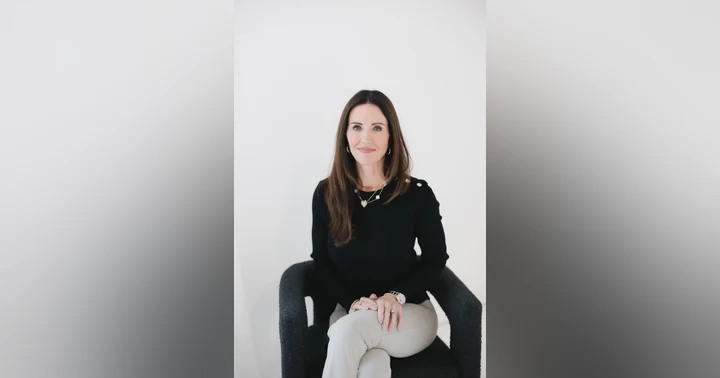
Why Price Drops Kill Home Sellers: Ep 339 Marilyn Gilman

Marilyn Gilman didn't plan on becoming a Jacksonville real estate agent — she got her license in 2019 after nearly two decades raising her family, stepping into a market she already understood from close to 40 years around her husband's family development business. She hit Rookie of the Year in her first year, sold just over $5 million, and now leads a mother-daughter team with Berkshire Hathaway HomeServices Florida Network Realty, ranked the #3 small team in Florida.
In this episode, Marilyn breaks down what actually happens when a seller won't move on price. Her read: sellers who wait too long "start dripping blood in the water" — and buyers' agents notice fast. She and Tracy also dig into Florida's November property tax ballot measure, the state's improving insurance market, and what it means to act as a true fiduciary when a client wants to hear a number you can't honestly give them.
The conversation covers plenty of Jacksonville-specific ground too — the trade-offs between Mandarin and St. Johns County, what downsizers should ask before choosing a 55-plus community, and why Marilyn calls herself a "forever agent" for past clients. She also talks about the parts of the job she genuinely enjoys, including structuring seller financing deals that work for both sides of the table.
🎙️ Full Episode: tracyhayespodcast.com/[EPISODE NUMBER TBD]
🌐 Website: thegilmangroupfl.com
📸 Instagram: instagram.com/Malgilman
👤 Facebook: facebook.com/share/19HuY5jiY6/?mibextid=wwXIfr
💼 LinkedIn: linkedin.com/in/marilyn-gilman

 Apple Podcasts
 Spotify
 Overcast
 Castro
 PocketCasts
 RSS Feed
 Would you trust a real estate agent more if they were willing to lose a commission to stop you from making the wrong financial decision?
In this episode of the Real Estate Excellence Podcast, Tracy Hayes sits down with Marilyn Gilman. Marilyn Gilman is a Berkshire Hathaway HomeServices real estate professional whose background includes decades of exposure to real estate development through her husband’s family business before she earned her own license in 2019. After spending 19 years raising her family, Marilyn entered real estate at age 50, earned Rookie of the Year recognition, sold more than $5 million during her first year, and eventually built a team with her daughter Aubrey. Her experience shaped an approach centered on relationships, listening, judgment, negotiation and putting the client’s interests before the transaction.
Marilyn and Tracy Hayes explore what separates successful agents from people who simply hold a license. Marilyn explains why trust must be earned, why agents need to slow clients down before they make emotional decisions, and why she will sometimes talk someone out of buying real estate. The conversation also covers pricing, appraisals, affordability, insurance, property taxes, investment properties, changing Jacksonville neighborhoods, fiduciary responsibility, working diplomatically with other agents and the importance of following up when a deal appears lost. For Marilyn, the reward comes from helping people make sound decisions while still embracing the negotiation and business side of real estate that keeps her addicted to the hustle.
If this conversation helped you think differently about real estate, relationships and serving clients as a true fiduciary, subscribe to the Real Estate Excellence Podcast, share this episode with an agent who needs to hear it and follow the show for more conversations with top real estate professionals.
HighlightsTop of FormBottom of Form
00:00-18:30 Building a Career Through Life Experience
- Starting real estate at 50
- Working with daughter Aubrey
- Balancing technology and relationships
- Returning to work after raising a family
- Turning life experience into real estate skills
18:30-38:11 Building Trust With Clients
- Why relationships drive the business
- Listening before giving advice
- Talking buyers out of the wrong house
- What new agents need to understand
- Professional image and personal safety
38:11-01:00:33 Buyers Negotiations and Pricing
- Understanding what buyers really want
- Balancing emotion and financial reality
- Finding common ground in negotiations
- Pricing homes for the current market
- Why every transaction requires a different strategy
01:00:33-01:13:49 The Real Cost of Homeownership
- Property taxes and portability
- Insurance costs in Florida
- Roof age and insurability
- Looking beyond the mortgage payment
- Helping buyers understand affordability
01:13:49-01:25:26 Knowing When Not to Buy
- When renting can be the better choice
- Avoiding financial overextension
- Evaluating investment properties carefully
- Choosing communities around lifestyle needs
- Comparing older and newer Jacksonville neighborhoods
01:25:26-01:38:01 Fiduciary Advice and the Real Estate Hustle
- Handling a low appraisal
- Helping buyers and sellers find common ground
- Keeping personalities out of negotiations
- Following up when a deal falls apart
- Why Marilyn loves the hustle and business of real estate
Quotes:
“We’re more alike than different in general.” – Marilyn Gilman
“You need to figure out what you don’t want to figure out what you do want.” – Marilyn Gilman
“I don’t want on my watch someone to buy a house they really can’t afford.” – Marilyn Gilman
“I like the helping people, like everybody probably says, but I’m really addicted to the hustle.” – Marilyn Gilman
To contact Marilyn Gilman, learn more about her business, and make her a part of your network, make sure to follow her Website, Instagram, Facebook, and LinkedIn.
Connect with Marilyn Gilman!
Website: http://www.thegilmamgroupfl.com
Instagram: https://www.instagram.com/Malgilman/
Facebook: https://www.facebook.com/share/19HuY5jiY6/?mibextid=wwXIfr
LinkedIn: https://www.linkedin.com/in/marilyn-gilman/
Connect with me!
Website: toprealtorjacksonville.com
Website: toprealtorstaugustine.com
SUBSCRIBE & LEAVE A 5-STAR REVIEW as we discuss real estate excellence with the best of the best.
#MarilynGilman #TracyHayes #RealEstateExcellence #RealEstatePodcast #JacksonvilleRealEstate #FloridaRealEstate #RealEstateAgent #RealEstateSuccess #RealEstateAdvice #RealEstateInvesting #HomeBuying #HomeSelling #RealEstateNegotiation #ClientRelationships #RealEstateFiduciary #RealEstateCareer #RealEstateTeam #PropertyInvestment #Homeownership #RealEstateHustle
Are you ready to take your real estate game to the next level? Look no further than Real Estate Excellence - the ultimate podcast for real estate professionals. From top agents and loan officers, to expert home inspectors and more, we bring you the best of the best in the industry. Tune in and gain valuable insights, tips, and tricks from industry leaders as they share their own trials and triumphs. Whether you're a seasoned pro or just starting out, a homebuyer or seller, or simply interested in the real estate industry, Real Estate Excellence has something for you. Join us and discover how to become a true expert in the field.
The content in these videos and posts are for informational and educational purposes only. The information contained in the posted content represents the views and opinions of the original creators and does not necessarily represent the views or opinions of Townebank Mortgage NMLS: #512138.
REE #339 Transcript
[00:00:00] Marilyn Gilman: I think I love real estate because, cheese ball answer, that, you know, helping people establish their most important purchase in their life.
They raise their family there.
But I personally love the hustle. I love the business side of things where buyers and sellers are winning for themselves, and it's such an important part of their life that they carry on for decades sometimes. I've lived in my house for 20 years, and so I like that.
I like the helping people, like everybody probably says, but I'm really addicted to the hustle.
[00:01:00] Hey, welcome—
[00:01:06] Tracy Hayes: —to the Real Estate Excellence Podcast. Her husband's family has spent nearly 40 years developing real estate in Jacksonville. She was in the middle of that business long before she carried her own license. She didn't start selling until 2019, but that background changed how she reads a deal.
She sees what a neighborhood becomes, not just what it looks like today, and she operates as a true fiduciary. That means a client's interest comes first every time, even when truth isn't what they want to hear. She's with Berkshire Hathaway HomeServices, where she was considered the number three small team in Florida.
Let's welcome Marilyn Gilman to the show. Hi. Welcome. Thank you. Finally got you on.
I think, what did we schedule this? It was what? About a month, a month, at least?
Yeah, it feels like a month. Two—
[00:01:51] Marilyn Gilman: Or three times.
[00:01:52] Tracy Hayes: Yeah. And then we had to adjust the day and, and so forth. But, uh, I wanna talk a little bit about your partnership.
You got your daughter working with you. That's—
[00:01:59] Marilyn Gilman: Right.
[00:01:59] Tracy Hayes: Which I've had a, one side of a few partnerships recently. Tracy Crawford and Pamela Hoffman, two ladies that just got in the business together. Had a mother and daughter team, the Fransens. A mother and mother-in-law. Now we got a mother and her daughter there.
Tell us a little bit about what is that, how did your—bring your daughter in? Was just something seeing you doing? Is she just, got attracted to? Or is, or an opportunity? Just how did you guys put together, and how do you guys work together?
[00:02:25] Marilyn Gilman: Well, so my—so I got a license, as you know, in 2019 after staying home for 19 years taking care of my family.
And once my son was able to drive a car at 16 and drive himself to school, they no, no longer needed me at home. So I decided that I was gonna go back to work. I loved working. I always—and I was lucky enough to be able to stay home and take care of my kids.
But I went into real estate.
And so my first year I went gangbusters, hit Rookie of the Year my year, sold, sold I think just over 5 million my first year, and I considered myself lucky.
My daughter then, my oldest first—my oldest daughter, first child—had a baby about the same time I was getting my license. And so she was in corporate America, in fintech.
She had a good job, very stable, all of that, but having to be in an office from 8:00 to 5:00 with a newborn, and to take your newborn to daycare was not, yeah, something she loved. So I just said to her one day, you know, we had a lot of background in our family from being, you know, in development, "Just quit your job. You know, come work with me. I'll help you."
[00:03:33] Tracy Hayes: Yeah.
[00:03:34] Marilyn Gilman: And I think it was a very difficult and easy decision for her because, you know, I'm her mom, so she can trust that I'm gonna help and support her the best I can.
And I was going gangbusters, so, eh, I think it probably looked easy, but I don't think it internally was easy for her—mm-hmm—because she was, you know, giving up the security of a regular job and come work with me.
And we just took off, and she is a hawk on everything, so, more than me. If I miss punctuation or space between words, she's an editor of everything.
[00:04:00] Yeah. She sees it. So she was a, b—a great benefit to me.
So, September of '19, then we roll into '20, and then, all—and it became busier and busier, where I really needed her.
And so we just took off from there and, and we've just kinda never looked back.
[00:04:20] Tracy Hayes: Right.
[00:04:20] Marilyn Gilman: And now we just, we became officially a team after a few months of her working just with me, kind of assisting. She had a license, she assisted, but then we became a team and—mm-hmm—we've just never looked back.
But working together is awesome because we can—I trust her. That's very important in our business. And she's smart, and she's just well-rounded that I, I don't have to worry about her work.
[00:04:46] Tracy Hayes: What are, what are a couple of her strengths that maybe not necessarily your strengths are, maybe your weaknesses?
[00:04:51] Marilyn Gilman: Oh, 100% technology.
[00:04:53] Tracy Hayes: Mm-hmm.
[00:04:53] Marilyn Gilman: Aubrey will see things and she'll send me that I'm like, "Oh, I didn't even see that." Or technology is really strong.
She was a teenager when Facebook or MySpace came on. Right. Not Facebook, MySpace. Mm-hmm.
She's just very adept at a computer and running. And I just was, I think, generation before that.
So I'm good with relationships, having a conversation, picking up a phone, talking, where she's very good at technology, in addition to just being—she's an econ major, so she's, she's sharp. Mm-hmm. I mean, she's not, you know, just tied to mom.
[00:05:24] Tracy Hayes: But you w—you w—you think from 2000 to 2019 you were a stay-at-home mom.
So y—you're not like you're checking your email at every, you know, like someone who were sitting in a cube somewhere.
[00:05:39] Marilyn Gilman: Oh, yeah.
[00:05:40] Tracy Hayes: You didn't have that communication demand, so to speak—
[00:05:43] Marilyn Gilman: That's right.
[00:05:44] Tracy Hayes: —that a typical corporate worker would have.
So then you come back on the scene, you go back to work and like, yeah, all these—this marketing on social media.
It's one thing if posting on social media, actually marketing on social media in that aspect is completely changed in those 19 years.
[00:05:55] Marilyn Gilman: Oh, it was completely new to me. I had no idea. Mm.
So I told a funny story in my—to one of colleagues the other day that I made a post, and this would be Aubrey, she does all the marketing for the Gilman Group because it's her forte.
She's good at it. Not her forte, but she's good at that. For instance, before Aubrey and I started working together, made a post of "under contract," and I was doing it without glasses on, reader glasses, and I used one of those GIF or whatever they're called—
[00:06:27] Tracy Hayes: Mm-hmm.
[00:06:28] Marilyn Gilman: —and it said "under construction."
And I had someone, you know, another friend who was also in real estate say, "Girl, that says under construction."
I'm like, "Oh my God."
So I—and so I deleted it.
[00:06:39] Tracy Hayes: Right.
[00:06:40] Marilyn Gilman: And now I don't touch it.
[00:06:42] Tracy Hayes: Right. That's Aubrey's—
[00:06:44] Marilyn Gilman: Good.
[00:06:44] Tracy Hayes: —that she's got all the technology. She knows how to use it. Mm-hmm. It's just not my, it's not my, my strength, you know? And I think my strength is more relationships.
[00:06:48] Tracy Hayes: Right.
[00:06:48] Marilyn Gilman: Talking to people.
[00:06:50] Tracy Hayes: Where they—where, I mean, are you—know, you got a—well, your daughter is, I don't think, I wouldn't put her in a category of, like, say, my kids.
I've, you know, I got 16 and 13 right now. Now we've brought them up in communication 'cause, you know, I think people...
It's like, say, your dog takes after their owner. Kids do see and watch what you're doing—
[00:07:11] Marilyn Gilman: Yeah.
[00:07:12] Tracy Hayes: —and how you react. So if you are socializing with other adults, they're there.
Or if, you know, I always thought it was very important when I was growing up. My parents, you know, we grew—I grew up Cape Cod. We had friends coming all the time, so I, I was always around adults, and adults having conversation and, and that sort of thing.
And I, you know, this generation now where these kids are literally, you know, just on the screen all the time.
[00:07:37] Marilyn Gilman: Yeah.
[00:07:38] Tracy Hayes: They're not socializing, and that's obviously a concern everyone's worried about. What's this generation going to be? They can't even—you know, if they're not tech—they can only text each—they don't actually talk to each other.
Well—
[00:07:43] Marilyn Gilman: They don't know how to write very often. Yes. Like manuscript writing—
[00:07:46] Tracy Hayes: Yes.
[00:07:47] Marilyn Gilman: —the way you and I did. Yep. Or find technology or find information because it's in our hands in a powerful computer, and that's a mixed bag. I think that's a plus and a minus.
[00:07:57] Tracy Hayes: Yes.
[00:07:57] Marilyn Gilman: Aubrey was a probably of an age where she had both. You know, she learned technology, but she also had to hunt for information, so she didn't f—I think generation...
Aubrey's 38, so she's not, you know, 21, whereas the—you're gonna—I think it's a s—it's a deficit to having so much information, so you have to—and use critical thinking. I like an old saying, that, but—where to—
[00:08:19] Tracy Hayes: Find it.
[00:08:19] Marilyn Gilman: Where to find the information. Yeah. I mean, I grew up with Encycla—Encyclopedia Britannica.
[00:08:25] Tracy Hayes: Britannica. Mm-hmm.
[00:08:26] Marilyn Gilman: I mean, that's what we had. Or the Dewey Decimal System or a library.
[00:08:28] Tracy Hayes: All right. How many times, w—how many times did we go to encyclopedia? The first thing we'd go, "I gotta write a—"
"Okay, go get an encyclopedia."
[00:08:35] Marilyn Gilman: Yeah.
[00:08:35] Tracy Hayes: "Start looking it up."
[00:08:36] Marilyn Gilman: Yeah.
[00:08:36] Tracy Hayes: Yeah.
[00:08:37] Marilyn Gilman: And that was the gospel.
[00:08:38] Tracy Hayes: Yeah.
[00:08:38] Marilyn Gilman: Today you have to discern what's real and what's not real.
[00:08:39] Tracy Hayes: Mm-hmm.
[00:08:39] Marilyn Gilman: You—the internet's filled with stuff that's not real. And having the critical thinking skills to do that, I think is lacking for people because what you see on internet is not—
[00:08:49] Tracy Hayes: Yeah.
[00:08:49] Marilyn Gilman: —gospel.
[00:08:50] Tracy Hayes: Yeah.
[00:08:50] Marilyn Gilman: And Aubrey will tell me too, like, "You know that's not real." And some things that I think are real are real.
[00:08:56] Tracy Hayes: Oh, with these AI images, I mean, the—yeah, you can fool a lot of, lot of—
[00:09:01] Marilyn Gilman: People. And I'm not a fool—
[00:09:03] Tracy Hayes: Yeah.
[00:09:03] Marilyn Gilman: —but I can be fooled. And so she'll say, even looking at, at an, an IP address, she's like—
[00:09:09] Tracy Hayes: Oh, yeah.
[00:09:10] Marilyn Gilman: "Mom, look at that. That's not—that's spam—"
[00:09:11] Tracy Hayes: Spam, or it's, it's a virus or something. Phishing, phishing.
Yeah, like a—
[00:09:16] Marilyn Gilman: Yeah.
[00:09:16] Tracy Hayes: P-H-I—
[00:09:17] Marilyn Gilman: Yeah.
[00:09:17] Tracy Hayes: —phishing, that, yeah. Yeah.
We get on that all the time, obviously. You know, our IT team's always training us on to looking—to look at that email address.
Does that look real? Would this—would an email from AOL saying you need click here to do—would they be sending it from a Gmail address? No, they wouldn't be.
[00:09:28] Marilyn Gilman: Right.
[00:09:30] Marilyn Gilman: So she's very s—stern and very helpful to me—
[00:09:32] Tracy Hayes: Yeah.
[00:09:32] Marilyn Gilman: —that way, and I've learned a lot from her.
[00:09:34] Tracy Hayes: Mm-hmm.
[00:09:35] Marilyn Gilman: You know, and probably her from me from just being older than her and living life and—
[00:09:41] Tracy Hayes: How does she f—'cause I think it's a treasure. I was fortunate enough when I was growing up, through high school, to work with my dad all through high school.
Does she reflect on—do you reflect on that, the fact that you're able to work with your daughter and be with her and talk to her as much as you are? 'Cause most people don't do that.
[00:09:57] Marilyn Gilman: I guess so. I don't necessarily know that. We're so busy all the time, we don't sit back and reflect on it.
But I tell you, it's really nice to have someone I can talk to in confidence—
[00:10:08] Tracy Hayes: Mm.
[00:10:08] Marilyn Gilman: —and someone who gets it, because I don't think my husband wants me to, to talk—
[00:10:13] Tracy Hayes: Yeah.
[00:10:13] Marilyn Gilman: —hear me lament about real estate all the time. Because we're so busy, it feels like it's all I do. And so it's nice to have that, that, you know, we have each other—
[00:10:23] Tracy Hayes: Yeah.
[00:10:24] Marilyn Gilman: —and I can trust her, and that's very paramount to me, that I can trust her, and that I trust her work, that I'm not looking back at and having to go over. But it's nice.
[00:10:34] Tracy Hayes: Yeah.
[00:10:34] Marilyn Gilman: It's certainly nice—
[00:10:35] Tracy Hayes: Yeah.
[00:10:35] Marilyn Gilman: —because I know we're supporting each other, that I have grandchildren, that she's allowed, if kids are sick, she has the ability to stay home from and keep her—really nice.
[00:10:41] Tracy Hayes: Right.
[00:10:41] Marilyn Gilman: Their mom's gonna cover it. That's really nice.
[00:10:42] Tracy Hayes: Yeah.
[00:10:42] Marilyn Gilman: You know, so I'm not, you know, she's not a non-productive maid. Th-there was—
[00:10:45] Tracy Hayes: I was—
[00:10:46] Marilyn Gilman: We—
[00:10:46] Tracy Hayes: —take care of each other. Conversation with someone the other day and, uh, where it was a group of us and we were talking, and some—and someone made the statement, I don't know where they, they probably saw this statistic somewhere, that most people will spend 90% of the time that they're gonna spend with their kids are until they're 18.
And then, you know, as they disperse, even they go off, they go off to college, whatever, all the time you're gonna spend with your entire kids for the rest of your life, and hopefully they go beyond us, is really spent in those first 18 years. And now to be able to, that's—it's treasured.
Th-she's 38. She's raising your, her family. She's talking to you every day. You probably see her more—
[00:11:21] Marilyn Gilman: A lot of—
[00:11:22] Tracy Hayes: —probably a day—
[00:11:23] Marilyn Gilman: Yeah.
[00:11:23] Tracy Hayes: —and you're—
[00:11:24] Marilyn Gilman: Oh, yeah.
[00:11:24] Tracy Hayes: —seeing her more, you know, more that, you're blessed to have that.
[00:11:28] Marilyn Gilman: Oh, I'm so lucky.
[00:11:29] Tracy Hayes: And on multiple levels. And actually you—you each other.
[00:11:30] Marilyn Gilman: Yeah, yeah. I mean, we can be, you know, tiffy with each other, 'cause we're mother and daughter too.
[00:11:36] Tracy Hayes: Yes.
[00:11:36] Marilyn Gilman: Yeah. We're more the first before anything. But it's all good. You know—
[00:11:40] Tracy Hayes: Yeah.
[00:11:40] Marilyn Gilman: —we, you know—
[00:11:40] Tracy Hayes: Yeah.
[00:11:40] Marilyn Gilman: —but I'm, we're, I'm lucky for that—
[00:11:41] Tracy Hayes: All right.
[00:11:42] Marilyn Gilman: —you know—
[00:11:42] Tracy Hayes: —that we—
[00:11:42] Marilyn Gilman: —have—
[00:11:42] Tracy Hayes: —each other. I wanna jump back, 'cause we, we kinda jumped into just being with the daughter, 'cause I wanted to get that in there.
Let's go back, you know, well, prior to 2000, 'cause I know in 2000 you started raising your family.
[00:11:52] Marilyn Gilman: That's right.
[00:11:52] Tracy Hayes: What was your aspiration before you got married? What, I mean, what did you actually envision yourself doing for any sort of career?
[00:11:59] Marilyn Gilman: Well, I, I went to college for nutrition and diet tech science.
So I graduated with a degree in that, and I worked in that field for a while. I owned a clinic at the beach for a few years working in, really weight loss was—
[00:12:14] Tracy Hayes: Mm.
[00:12:14] Marilyn Gilman: I bought a clinic as a weight loss clinic and then changed it to a health management clinic because that was really, weight was a, what happened if you took care of your health.
Right. It really, I'm not saying the right word for it, but—
[00:12:23] Tracy Hayes: You wanted to go beyond that. You wanted to—
[00:12:25] Marilyn Gilman: Yeah. I mean, so I, you know, weight loss was a symptom of your health. So if you were looking at your health as a whole.
So I worked in that field, but when I had, and now I had two daughters at this point, and I'm driving.
We moved, we lived in Ponte Vedra. We moved up to Georgia where my husband's family company was. We moved up to Georgia, which is not that far.
[00:12:48] Tracy Hayes: Mm.
[00:12:48] Marilyn Gilman: It was 40 minutes, but we lived, my clinic was at 14th Avenue South in Jack's—
So I was driving, and my clients wanted to work with me because I knew all their background.
I knew all kinds of things about them that you wouldn't ordinarily know about somebody.
[00:13:00] Tracy Hayes: Mm.
[00:13:00] Marilyn Gilman: But it was important to their goals that I know.
[00:13:02] Tracy Hayes: Well, the trust.
[00:13:04] Marilyn Gilman: Yeah.
[00:13:04] Tracy Hayes: The confidence. They've already told you a story. You've already diagnosed them. They don't wanna have to tell that story again.
[00:13:09] Marilyn Gilman: That's exactly right. Yeah. And it's very personal.
[00:13:12] Tracy Hayes: Yeah.
[00:13:12] Marilyn Gilman: You're a bit of a psychologist, nutritionist, all the—even though I wasn't a nutritionist, I was, you know, I was still very, you know, it was very personal.
So even though I had people that worked with me and helped me, they wanted to talk to me.
So I did that, but I had to work six days a week.
I was driving to and from. I was, then I was pregnant with my third—
[00:13:30] Tracy Hayes: Hour and a half, two hours a day on the road.
[00:13:31] Marilyn Gilman: On the road. Mm-hmm. Then I was pregnant. I had a baby, and I was driving with my baby back and forth. My son Isaac, who's my third child.
[00:13:41] Tracy Hayes: Mm.
[00:13:42] Marilyn Gilman: And then I, it occurred to me, "What are you doing?"
I mean, I was, "What am I doing?" So that's when I just basically closed my business and stayed at home.
[00:13:47] Tracy Hayes: Mm-hmm.
[00:13:47] Marilyn Gilman: And that was a big transition because I'd worked all my life.
[00:13:52] Tracy Hayes: Yeah.
[00:13:53] Marilyn Gilman: You know?
And I loved it. I'm, I'm lucky, very, that I could do it, and, and I think my kids consider themselves lucky that I had a mom who could, you know, do play dates and go to their sports things and just be available and be home.
[00:14:03] Tracy Hayes: Yeah.
[00:14:03] Marilyn Gilman: So in some ways it's a thankless job because it's—you know, I remember thinking, "Gosh, my husband gets to go out to lunch with people and talk. And I'm home with, you know, a toddler that doesn't speak."
[00:14:16] Tracy Hayes: Right.
[00:14:16] Marilyn Gilman: Or, you know, at this point, my daughter's in middle school, and they don't really wanna be around you anyway.
[00:14:20] Tracy Hayes: Right.
[00:14:20] Marilyn Gilman: You know? So that, that's kinda where it was at. So big transition, but I was lucky, you know—
[00:14:28] Tracy Hayes: Yeah.
[00:14:28] Marilyn Gilman: —in hindsight. But the moment I had the opportunity to go back, I mean, I could've worked. My husband didn't tell me what I could or couldn't do.
[00:14:30] Tracy Hayes: Mm-hmm.
[00:14:30] Marilyn Gilman: I could have worked. But my kids now are like, "We're so glad that you were there, and—
[00:14:37] Tracy Hayes: Yeah.
[00:14:37] Marilyn Gilman: —you were at every baseball game or every football or every tennis match or every..."
So that's so valuable, and oftentimes I don't think you know that until, it's hindsight—
[00:14:44] Tracy Hayes: Yes.
[00:14:44] Marilyn Gilman: —you know, after the fact.
[00:14:45] Tracy Hayes: Yep.
[00:14:46] Marilyn Gilman: And so I was lucky for that, but I also wanted my own hustle. I wanted my—I liked business.
I liked working, and not for necessarily monetary reasons, but also for monetary reasons.
I—it—
[00:14:59] Tracy Hayes: Mm.
[00:15:00] Marilyn Gilman: —you know, gives you your independence in a way. And—
[00:15:03] Tracy Hayes: It's a measurement of your ability that, there's some reward at the end or some recognition, and, and money is obviously—
[00:15:11] Marilyn Gilman: One of the—with a byproduct of it.
[00:15:13] Tracy Hayes: Yeah.
[00:15:13] Marilyn Gilman: You know, that wasn't necessarily my goal necessarily, but it sure did help when I first got that first paycheck.
It did.
[00:15:22] Tracy Hayes: Yeah.
[00:15:22] Marilyn Gilman: It, it's definitely when you're like, "Wow, I went from not having my own money," and I had a very supportive husband, but at the same time, it's different.
[00:15:31] Tracy Hayes: Yeah.
[00:15:31] Marilyn Gilman: It's just different having your own independence that way. So I liked it, and I sort of thrived in that area. And I just—
So when I started, that was not necessarily my goal to make money, but it became—you kinda get addicted to the hustle.
[00:15:42] Tracy Hayes: Yeah.
[00:15:43] Marilyn Gilman: And I was very lucky that I had a friend who was selling some condos, and this really was the genesis of my career.
In the first week, I had five listings in my first week in real estate, which is incredibly unusual.
[00:15:56] Tracy Hayes: Just a friend—
[00:15:57] Marilyn Gilman: A friend.
[00:15:58] Tracy Hayes: —had confidence in you. Say, "Here. Get, k-kick off your business. I got these listings. Take them."
[00:16:03] Marilyn Gilman: I had no idea what I was doing.
[00:16:05] Tracy Hayes: Mm-hmm.
[00:16:05] Marilyn Gilman: Except, you know, I passed the test, but that's—
[00:16:08] Tracy Hayes: That, yeah, that's—
[00:16:08] Marilyn Gilman: That has nothing to do with selling real estate anyway.
[00:16:10] Tracy Hayes: Tells you when you need to renew your license.
[00:16:12] Marilyn Gilman: It sort of does. It gives you somewhat, but I think you have to work the muscle in real estate to get—
[00:16:19] Tracy Hayes: Yeah.
[00:16:20] Marilyn Gilman: —good at it and understand it. And so I just jumped in and, you know, I wasn't a dumb-dumb, and, and I'd worked at—my husband has a real estate development company just over the Florida-Georgia border.
[00:16:31] Tracy Hayes: Mm.
[00:16:31] Marilyn Gilman: So I'd go on the weekend sometimes and work in that, but it was kinda retail development because they were developing it.
We were building the houses. They came to us, and I'd help, you know, clients design a house or, or interiors or pick out their this or that.
[00:16:44] Tracy Hayes: Mm-hmm.
[00:16:44] Marilyn Gilman: So it was slightly different than what I'm doing now.
I mean, it's a lot different because they came to us. I didn't have to go out and find business.
But I was lucky enough to have a friend say, "I trust you that you do this."
[00:16:52] Tracy Hayes: With that knowledge, you just, you know, what you're just saying there, but when you actually, you know, the marketing piece is what, you didn't necessarily have, as far as real estate.
But when you actually got them, that, but you've had, now you had practice in what are people looking for, what questions should I ask, et cetera.
[00:17:08] Marilyn Gilman: Well, I was a—yeah. I mean, I'm a consumer, and I think if you treat your, your clients that, the same way, your perspective was, I, I'm a consumer. I, I feel like, "Well, how would I wanna be treated? What am I looking at?"
And we're not all chasing the same thing, thank God. But I just had that perspective. I knew what people were looking for—
[00:17:28] Tracy Hayes: Mm.
[00:17:28] Marilyn Gilman: —and what was important to probably a, a wife or a mother versus a husband. And so I, I had some perspective that was different than just coming in blind, never have had bought a house before or never had had the acumen, the past acumen of helping someone, you know, in real estate before.
And so that, that helped me a lot, I know, just organically from doing only, you know, occasionally on the—I would go up, I think to have some autonomy and work. I liked the work. I wasn't afraid to work.
[00:17:57] Tracy Hayes: You would probably say you actually like the process. That's really, really where you get your satisfaction, the process of obviously marketing, getting someone to call you, obviously getting a referral, that's the, the benefit.
But then the process of, you making, you know, a right offer or making the listing correct, and then the negotiation, that's really your—you get a high on that part.
[00:18:21] Marilyn Gilman: I do. Yeah. I really love the hustle of the business side—
[00:18:26] Tracy Hayes: Mm-hmm.
[00:18:27] Marilyn Gilman: —of things. The relationship thing good, I think is good for me.
It just comes very natural to me.
I was a bartender at one point in life, young, and I think those skills prepare you very well—
[00:18:39] Tracy Hayes: Yeah.
[00:18:40] Marilyn Gilman: —to talk to people. I knew how to talk to, you know, a couple at a bar that were drinking and talking, you know, to engage a female more than a male initially—
[00:18:49] Tracy Hayes: Mm.
[00:18:49] Marilyn Gilman: —because if she's happy, they're gonna stay there all day long, or all night long, drinking, and he's gonna tip me.
You know? I was very aware of that, was very aware of—
[00:18:53] Tracy Hayes: That, you—
[00:18:53] Marilyn Gilman: —know? Yeah.
If I was friendly with him as a female and she got mad about it—
[00:18:57] Tracy Hayes: Yeah, yeah, she—
[00:18:59] Marilyn Gilman: They're out.
Eh, so I think that those kind of—
[00:19:00] Tracy Hayes: That's a very good point. Never had someone say it that way, but it makes complete sense.
[00:19:05] Marilyn Gilman: That's happened.
And I think through your life, you take the little tiny bits of just experiences in your life—
[00:19:12] Tracy Hayes: Mm.
[00:19:12] Marilyn Gilman: —and it adds up to being an adult where you get wise from it, you know, when you grow up.
[00:19:17] Tracy Hayes: Yeah.
[00:19:17] Marilyn Gilman: And it takes a lot of culmination of a lot of experiences to figure out, you know.
And so that's where, you know, me starting, I didn't start real estate till I was 50. So I'd had—that helped me a lot, too.
[00:19:29] Tracy Hayes: Mm.
[00:19:29] Marilyn Gilman: That I had lived life. You know, I'd bought and sold a house. I'd built a—I’d, you know, so I'd had some already built-in acumen from just being an adult to having, you know, bought some—
[00:19:36] Tracy Hayes: Real estate.
How much would you say your success is from the experience, like you said, "Oh, I've bought and sold houses before," and, you know, that actual process versus actually the life process, having a family, been a bartender? You had your own practice there individually one-on-one with people with some of their most sensitive information.
[00:20:00] Mm-hmm. And what do you think you've relied, I guess—and it's probably not, you probably don't even think about it—but actually is a greater strength: the actual fact that you've sold and bought homes before and know the process and know that we got title work, we got—or the actual human experience of being able to interact and relate with your customer?
[00:20:20] Marilyn Gilman: Far and away the human experience.
[00:20:23] Tracy Hayes: Yeah.
[00:20:23] Marilyn Gilman: Because our business, in my opinion, for me at least, is relationship-based.
[00:20:27] Tracy Hayes: Mm-hmm.
[00:20:27] Marilyn Gilman: And so trust is most paramount, I think, for people, that you're dealing with most people's largest monetary, you know, transaction in their life.
It's the biggest check—
[00:20:36] Tracy Hayes: They're generally gonna write every month.
[00:20:38] Marilyn Gilman: Yeah. And, and it's, it's their asset.
[00:20:42] Tracy Hayes: Yeah.
[00:20:42] Marilyn Gilman: It's all of those things. So for me, just communication.
[00:20:47] Tracy Hayes: Mm.
[00:20:47] Marilyn Gilman: Knowing how to talk to people and garner trust with them, and usually that trust is based on performance.
So they're taking a chance on you like you are.
You know, we spend a lot of money marketing our property. I'm not guaranteed. Everything's theoretical until it closes. You're not getting paid necessarily. So they have to take a chance on me, and I have to take a chance on them, and then you rinse and repeat. You do it again and again.
And I've had transactions in my relatively short tenure in real estate, I've had five and six transactions with the same people.
[00:21:11] Tracy Hayes: Yeah.
[00:21:11] Marilyn Gilman: And that's because of trust, and that's because of relationships that you build with you. They rely on you. It's also a lot of pressure, because you don't wanna give bad advice.
[00:21:20] Tracy Hayes: Yeah. If you were to, you know, we have a lot of new agents that listen, or just agents that, you know, obviously aren't as, as successful as you are at this moment in time or in their chapter of their career.
The trust factor, again—I tend to see, as a person who I, I trust everyone until they burn me. You know, sometimes it hurts because you just have this open trust about people, but there are people that you can almost look at or have, start to have a conversation with and you're like, "This ain't adding up," you know, within five, 10.
Is there some things that you like to break the ice with or just have conversation with that start to warm them up to trust you? Because we know there are people on the other side of the spectrum that don't trust anyone, and you have to break through that.
[00:22:04] Marilyn Gilman: I do not think I have a special sauce.
I don't.
[00:22:08] Tracy Hayes: Mm.
[00:22:08] Marilyn Gilman: I, I don't think—I think it happens very organically to me. My son said this to me last night. We had dinner, and my hus—he said, "Dad said this about you. I've never met someone within 15 minutes will tell you their life history."
Someone will tell me their life history in 15 minutes.
[00:22:21] Tracy Hayes: Yeah.
[00:22:21] Marilyn Gilman: It's a wild thing. I don't know what it is. My son Evan has the same thing.
I don't know what that is, and I don't know how to bottle it, or I'd sell it.
[00:22:31] Tracy Hayes: Well, I think there's—
[00:22:32] Marilyn Gilman: But I don't know. I don't really know how. I mean, I don't have a special sauce, I'd say, you know?
[00:22:36] Tracy Hayes: One thing, one thing—
[00:22:37] Marilyn Gilman: I relate to people because I am one, and I'm, you know—
[00:22:41] Tracy Hayes: Yeah.
[00:22:42] Marilyn Gilman: We all want the same things, no matter what you believe, what your thoughts are. We're all about the same. We're more alike than different in general.
[00:22:49] Tracy Hayes: Oh, 100%, yeah.
[00:22:50] Marilyn Gilman: So—
[00:22:51] Tracy Hayes: Yeah, yeah. I—
[00:22:51] Marilyn Gilman: Think, you—
[00:22:52] Tracy Hayes: Know. Well, I think there's—I tell my wife this is one of the benefits of doing the podcast: it makes me listen, right?
I have, because too many people, we all, as you're talking, thoughts are going through my head, and then people wanna interrupt, and they have to learn to hold that back and listen, and I think that's probably one of the strengths you have. You actually listen and you engage in a way that makes them feel like they—you know, you are listening to them, and they're, that they're important because they're in front of you right now.
Just like this, bud. You're important to me. You're in front of me right now. I'm focused on you and your story, and, and getting it out, and so forth. And I think it, I think that has a part of it. And it might—it might not be—I just believe when people are engaged, and you're actually actively listening, then that person's—they're just sucking up the trust.
[00:23:36] Marilyn Gilman: That's a skill.
[00:23:38] Tracy Hayes: Mm-hmm.
[00:23:38] Marilyn Gilman: And I think it was not a skill that was actually very organic to me, because I'm a Chatty Cathy, and I'm a bit of a squirrel. I move fast.
And so I think it's important, that skill, to hone—
[00:23:51] Tracy Hayes: Mm.
[00:23:51] Marilyn Gilman: —if you're a young agent, and even for me, to go slow when you go fast, and listen to desires.
And I've gotten good at that, and I will remind a client. I had one just the other day showing a house, that I had to remind them of what they didn't like. And I, and they were like, "I..." And so I basically talked them out—
[00:24:07] Tracy Hayes: Of—they forgot you told—they forgot they told you.
[00:24:09] Marilyn Gilman: Yeah. But I talked them out of, you know, making an offer on a house because I had a feeling—I don't know, because I don't know anything, what someone else is gonna happen.
But I had a feeling that they might have buyer's remorse, or the fear, especially right now, when good things that come up, they move fast, and you feel like, you know, "I better hurry and be hasty."
And I'll talk, "No, don't be hasty." And, but anyway, so I'll talk people out of buying things just for the reason of to remind them, because I was listening to what they said—
[00:24:38] Tracy Hayes: Mm-hmm.
[00:24:38] Marilyn Gilman: —three months ago, what you don't want. And I will tell people, you know, "You're gonna look at a lot of things."
They're like, "Oh, we're wasting your time. You know, I feel so bad now." I'm like, "No, you need to figure out what you don't want to figure out what you do want."
[00:24:50] Tracy Hayes: Yes.
[00:24:50] Marilyn Gilman: And that means sometimes looking at, at everything that you can.
And if you can spare my time and go see something at an open house without me, awesome, because I'm busy. And then it gives them a time to kind of meander around the—
But I'm happy to go show 20 houses to somebody, or more, if they need it. But remember—and remind them—
[00:25:06] Tracy Hayes: You—
[00:25:06] Marilyn Gilman: —don't like to do that—
[00:25:07] Tracy Hayes: And remind them—with everybody, though, do you?
[00:25:08] Marilyn Gilman: I can't do it with everybody, 'cause then I'm an octopus, or clone myself. I can't, but I do over time, you know?
[00:25:18] Tracy Hayes: Mm.
[00:25:18] Marilyn Gilman: Sometimes it takes a year or two to figure out what, if someone's looking for something very specific—
[00:25:26] Tracy Hayes: Right.
[00:25:26] Marilyn Gilman: —that you think doesn't exist, you know, and they're not in a hurry. I can spend—I've spent two years looking for a piece of property that somebody wanted—
[00:25:33] Tracy Hayes: Yeah.
[00:25:33] Marilyn Gilman: —that one of my, you know, very valuable client. Well, they're all very valuable. But you know, a, a client that was a—I'd bought and sold a number of properties with them, but—
[00:25:36] Tracy Hayes: Have you ever had someone, you kind of let them know, "Okay, we're gonna go out. We have three or four houses we're gonna look at today."
And you already know based on what they've told you, the conversation you've been working with them, that they're gonna probably like house number two, maybe one, but three and four we're not.
But you deliberately show them three and four to force them to one and two.
[00:25:59] Marilyn Gilman: Sort of. I do think, honestly, Tracy, most people know.
They're telling us usually—
[00:26:05] Tracy Hayes: Mm-hmm.
[00:26:05] Marilyn Gilman: —what they wanna see. They're on Zillow. Everyone's on Zillow. It's like a pastime for people.
I will send things that they don't see necessarily—they see it—but very often, if I preview those properties before they see them online—
[00:26:19] Tracy Hayes: Mm-hmm.
[00:26:19] Marilyn Gilman: —I'm not usually gonna, unless they're not in the country or in the state, I'm not gonna preview a property.
I can tell people real quickly, "No, you don't want that property. I've been in this property before, and this is what I think about this property."
[00:26:31] Tracy Hayes: Mm-hmm.
[00:26:32] Marilyn Gilman: "And knowing you, you're probably not gonna wanna see it, but let's go see it anyway."
So it just depends on the person, but often, they're telling us what they wanna go see.
[00:26:40] Tracy Hayes: Right.
[00:26:40] Marilyn Gilman: Because I can't preview every property—
[00:26:42] Tracy Hayes: How import—on MLS. It's, and, and I'm just putting that—I may be totally wrong—but you probably have a pretty structured, not necessarily structured, but a, a thorough buyer's consultation. You don't, you're not just going and running around showing property.
You really want—you're ha—you may be doing it, w—but you have a routine that you've built in, and then obviously you tailor it to whatever client you're working with to, to draw a lot of this information out, which I think differentiates a top agent that's going to put somebody on a, on a home, maybe not a unique property, obviously, 'cause you gotta find the unique properties, but the standard Nocatee property and so forth.
The conversation that you're gonna have to really draw out that. Are you having a sit-down with them, or you like to meet them right at the house or go get a cup of coffee and, and have these kind of initial conversations with them?
[00:27:32] Marilyn Gilman: Usually it's a phone call if they're calling me as a buyer, or they already know me.
[00:27:37] Tracy Hayes: Mm-hmm.
[00:27:37] Marilyn Gilman: So they've been referred by somebody else, so they have a little background about me. And then, you know, just build rapport usually over the phone with them, and then we decide what we're gonna go see together.
And now we have the buyer's agreements that have to sign. So usually you want to get to know someone a little bit more before they figure out if they wanna work with you.
[00:27:56] Tracy Hayes: Mm-hmm.
[00:27:56] Marilyn Gilman: So that's—so that's kind of built in now. You have to do that now.
[00:27:59] Tracy Hayes: Yeah. It's required.
[00:28:00] Marilyn Gilman: Yeah. So, I don't necessarily have a, a routine, but you can kind of tell if people wanna work with you or they don't.
[00:28:04] Tracy Hayes: Right.
[00:28:05] Marilyn Gilman: And I know that, and I, I don't wanna work with people who don't wanna work with me, and I can pretty much figure out real quickly if they want to or not. I'm not a—I'm not gonna chase someone.
[00:28:16] Tracy Hayes: Right.
[00:28:16] Marilyn Gilman: But if they wanna work with me, they will, and if they don't, well, I'll also know that. And so, you know, I start off with a conversation with them and don't necessarily... I have met people at a property sight unseen.
[00:28:24] Tracy Hayes: Mm.
[00:28:24] Marilyn Gilman: I feel—
[00:28:25] Tracy Hayes: Like I've—well, the ones that, the ones that—how many, and I can't imagine it's many, but you, like you brought it up, so it must've been somebody who you basically felt didn't work with you.
[00:28:34] Marilyn Gilman: Well, people are fickle.
[00:28:35] Tracy Hayes: Yeah.
[00:28:35] Marilyn Gilman: And they maybe wanted to just go see a house, and I was the listing agent, but they don't—already have an agent and they don't tell you that. There's, I mean—
[00:28:44] Tracy Hayes: Yeah.
[00:28:44] Marilyn Gilman: Don't underestimate people, you know?
[00:28:47] Tracy Hayes: Yeah.
[00:28:47] Marilyn Gilman: Buyers and sellers, I mean, they're, they have their own motive they're not gonna tell me about, and I don't need to know.
I'm gonna show a house to them.
[00:28:55] Tracy Hayes: Yeah.
[00:28:55] Marilyn Gilman: It's okay. I meet somebody, maybe they'll—I'll meet them in five years or one year or six months. I don't know. But it's not common that I, just people—
[00:28:59] Tracy Hayes: Yeah. Well, I—
[00:29:00] Tracy Hayes: I just think it's that there are people who, uh, who like what you said earlier, you know, we are a li—we are more alike than we're not.
[00:29:08] Marilyn Gilman: Yeah.
[00:29:08] Tracy Hayes: And I agree with you.
But there are some people that are very protective, and if you start having—you're trying to have a conversation, you're trying to like, you know, some people are a little harder than others to open that box and get some information out of them so you can hopefully guide them in the right direction.
[00:29:24] Marilyn Gilman: Yeah, yeah.
[00:29:25] Tracy Hayes: Some of them are very protective, and that's the reason why they're like, "Oh, I don't wanna... She asks too many questions," you know, "She talks too much," or whatever it is. See, there's, there's a clash there—
[00:29:36] Marilyn Gilman: Yeah.
[00:29:36] Tracy Hayes: —because they, they're trying to keep everything so close to their chest, not realizing the whole point of what a real estate agent—
[00:29:44] Marilyn Gilman: I'm on their team.
[00:29:45] Tracy Hayes: Yeah. You're on the team. Yeah. You're their Sherpa. You're the, you're the one that's gonna guide them here.
[00:29:51] Marilyn Gilman: Yeah.
[00:29:51] Tracy Hayes: And they need to tell you as much as possible so, like, so you can guide them on the right path.
[00:29:46] Marilyn Gilman: There are those people.
Yeah. They're a hard nut to crack, but I, it's either gonna happen or it's not.
I try my best to, you know, I get to know them, they get to know me. If they, either they trust me or they don't, you know?
[00:29:59] Tracy Hayes: Mm-hmm.
[00:29:59] Marilyn Gilman: I'm a little cynical. I don't trust a lot of people because, you know, they'll let you down, and they do. And that doesn't, I, I don't know how that sounds, but—
[00:30:09] Tracy Hayes: Yeah.
[00:30:09] Marilyn Gilman: —I mean, I think people are that way.
And there's so many real estate agents that have done people wrong, and everybody knows it. Everyone's heard those stories. And so I don't think people are pouring their guts out to you and say, "Yes, I want this house, and you're the person I'm gonna work with," and, you know, right out the—I mean, not out of the gate, you know?
[00:30:18] Tracy Hayes: Mm-hmm. Yeah.
[00:30:19] Marilyn Gilman: So it's rapport.
[00:30:21] Tracy Hayes: Yeah.
[00:30:21] Marilyn Gilman: You have to build a relationship, you know, and earn their—and that's why it's earned. It's not given, it's earned. And so it takes time sometimes to do that.
And some people are open books, and know what they want, and they, you know, I, I can build relationships pretty easily.
Just happens to me organically, as we talked about—
[00:30:35] Tracy Hayes: Yeah.
[00:30:35] Marilyn Gilman: —earlier. It, it's easy for me. But not everybody.
[00:30:39] Tracy Hayes: Well—
[00:30:39] Marilyn Gilman: I couldn't work with every single person I—
[00:30:41] Tracy Hayes: —met. Like you said, you didn't, you didn't start real estate till you were 50. You had a lot of life experience, confidence, all that stuff, where my next, kind of next question is, you know, a newer agent, maybe someone like your daughter, maybe, you know, someone is in their early 30s, might be in, in a career change.
We have a lot of, I've had a lot of teachers on, former teachers on recently, you know, where they've gone from the education career to real estate.
What are a couple of things that you, you know, if you were sitting down maybe with friends and, and their daughter came up to you, like your daughter, you know, in their 30s, and said, "Hey, I'm thinking about getting into real estate," what would it be, two or three things that you'd want them to know, or want them to consider before making that career change?
[00:31:23] Marilyn Gilman: There's opportunity everywhere.
[00:31:24] Tracy Hayes: Yeah.
[00:31:25] Marilyn Gilman: First, every relationship, every conversation. Not that you're talking about real estate specifically, but there's opportunity everywhere.
And it's not easy. You have to work for it. I think it's, a lot of people get their licenses thinking that it looks easy because the 90/10, you know, the 10% of agents are doing 90% of the work—
[00:31:45] Tracy Hayes: Mm-hmm.
[00:31:45] Marilyn Gilman: —is true, and you can make it look easy.
I know people who during COVID got licenses, and they never sold anything because it looks easy. I mean, you could, like—
[00:31:53] Tracy Hayes: So you just stuck a sign in the dirt—
[00:31:54] Marilyn Gilman: Uh-huh.
[00:31:55] Tracy Hayes: —then you were getting calls, yeah.
[00:31:56] Marilyn Gilman: And that had nothing to do with us. It had everything to do with the situation.
[00:31:59] Tracy Hayes: Right.
[00:32:00] Marilyn Gilman: But, but I think that it takes work, you know, dedication, consistency, you know, bravery. It's not an easy job to have.
[00:32:11] Tracy Hayes: Mm-hmm.
[00:32:11] Marilyn Gilman: I think the fail rate, the last I read, was 50% in—to get a real estate license. Then you have to run your business. So getting, even though the fail rate's 50%, still, most agents, what is it, two years, fall out of the business.
[00:32:23] Tracy Hayes: Yeah, most of them are out by before the first renewal, which I don't know whether that happened for them in first three months, but we know after 24 months when they don't renew that they're no longer in the business.
[00:32:30] Marilyn Gilman: Well, because I think you underestimate—
[00:32:33] Tracy Hayes: Yeah.
[00:32:33] Marilyn Gilman: —how hard it is to, the hustle. I work so much. I work seven days a week. I work when other people don't have to, so be prepared for that.
You know, it's not—my daughter is a good example of that. Some weekends she's like, "I'm working Saturday and Sunday."
She's got young children.
[00:32:47] Tracy Hayes: Mm-hmm.
[00:32:47] Marilyn Gilman: And that's a choice she makes, but she has the opportunity to stay home if her kid's sick or she has something else to do, she can also do that.
So it's just balance, you know. Be prepared. Be prepared to not have, you know, a paycheck all the time. You know, be, get prepared for this, you know.
[00:33:00] Tracy Hayes: Mm-hmm.
[00:33:00] Marilyn Gilman: I've been lucky enough to not have that part of it that I had to work through, "Oh my gosh, I haven't..." You know, but I know people haven't closed anything in months and, and—
[00:33:10] Tracy Hayes: Yeah. Oh, there's a huge percentage. I mean, it was just a month or so back that it was like 80% or 80—I think it was 84% to be exact, hadn't even done a deal of licensed agents nationally.
84% hadn't even done a deal yet this year, and that, and it was already—
[00:33:24] Marilyn Gilman: That's shocking.
[00:33:25] Tracy Hayes: —June, July. Yeah. Yeah.
[00:33:26] Marilyn Gilman: So I think, you know, be prepared to work hard.
You know, you have to navigate people and their personalities, and don't take things personally, I would say, because you're dealing with people, and people are not—we're more alike than different, but then you have personalities, you know? So you're dealing with that, too.
[00:33:44] Tracy Hayes: Would you say the ones that are looking in and saying, "Oh, it looks easy," is because, you know, many of the top agents say that that's, you know, what you said, that you enjoy, you get your high on the process.
You get, you love the negotiation. You love, you know, making, you know, getting that win-win, whatever, you know, whatever it is.
'Cause when you really think about it, it's, it can't be too difficult. Someone who wants to sell a house and someone who wants to buy a house, we just gotta come to some agreement.
So we're—when you—
[00:34:10] Marilyn Gilman: Sit in the middle, it can be very—
[00:34:11] Tracy Hayes: Yeah.
[00:34:11] Marilyn Gilman: —testy, though.
[00:34:12] Tracy Hayes: Yes, it can.
It can be harder depending on the agent on the other side than on others, and obviously we need to survive.
But because you love that, it's a lot of work, but because you l—you love it, you just, you know, you don't mind working on Sunday 'cause you're, you're out there making this happen. It's just, it's part of you, and you're, it's, it's getting that high.
[00:34:29] Marilyn Gilman: Well, and m—and my buyer or seller, m—if I'm working on a weekend—
[00:34:33] Tracy Hayes: Mm.
[00:34:33] Marilyn Gilman: —unless I'm showing a house that they're selling, they have an expectation. They hired you to sell the house.
[00:34:40] Tracy Hayes: Yeah.
[00:34:40] Marilyn Gilman: And you need to get bodies through a house, and you have to show the house when other people aren't working and when they're looking for houses.
[00:34:44] Tracy Hayes: Exactly.
[00:34:45] Marilyn Gilman: So that's what you have to do. And I think be prepared if you're a young agent that that's what you do.
I think your image and marketing is important, and the face-fronting social media stuff is so important because that stuff is forever.
And I know I've s—I've talked to agents who ask me about that stuff specifically, and I said to this young person that they should take down pictures of themselves scantily clad—
[00:35:10] Tracy Hayes: Mm-hmm.
[00:35:10] Marilyn Gilman: —in a bar or things like that because I'm a wife and a mother and I'm thinking, "I don't know if I wanna work with that woman, you know, around my husband," or not that I have any issues with my husband.
But I'm a woman and I'm, I will—
[00:35:24] Tracy Hayes: It's human. It's a human thing. It's a human thing. Y—yeah.
[00:35:26] Marilyn Gilman: You have to—
[00:35:27] Tracy Hayes: Yeah.
[00:35:27] Marilyn Gilman: —look at yourself as a consumer of everybody—
[00:35:29] Tracy Hayes: Yeah.
[00:35:29] Marilyn Gilman: —and, and their perspective and try to really, again, going back to the skills I had as a young person, it helped me a lot.
Look at yourself, like try to be in everyone's shoes at the same time because you are human and you're a consumer.
That helped me a lot. Those skills helped me a lot in my life, you know, and then having enough life—
[00:35:47] Tracy Hayes: Yeah.
[00:35:47] Marilyn Gilman: —to do it. But those are important things that, you know—
[00:35:52] Tracy Hayes: Yeah.
[00:35:52] Marilyn Gilman: —if you have yourself in a latex dress with your, you know, everything hanging out, it probably is not the professional—
[00:35:56] Tracy Hayes: It's—
[00:35:57] Marilyn Gilman: —best thing.
[00:35:57] Tracy Hayes: It's out there. I see it too, 'cause I put, put so much out in social media, so I'm on, you know, Instagram and obviously all the time and, and so I'm on there all the time and I'm, I am—what's going on, and I can g—it goes through my mind.
'Cause a friend of mine who I have had on the show is a, he worked with Gavin de Becker in, um, The Gift of Fear. I don't know if you've ever written—read that book or—
[00:36:22] Marilyn Gilman: Mm-hmm.
[00:36:22] Tracy Hayes: —it's a thick book.
But Gavin de Becker basically wrote a book on some of our intuition. And so Jamie and I were talking about, you know, if you're a real estate agent going to show an open house, you know, how to protect—how do you sense things are not right?
Because we have so much intuition. And when you are putting yourself out there, you're just attracting some of those people you, you don't want to attract.
[00:36:42] Marilyn Gilman: Certain things you put out infer certain things about you—
[00:36:47] Tracy Hayes: Yeah.
[00:36:47] Marilyn Gilman: —that you may not necessarily think they do.
Then it comes down to a question of judgment. That's a big one to me. If you have the judgment to put that out there, do I wanna work with you?
[00:36:54] Tracy Hayes: Mm.
[00:36:55] Marilyn Gilman: Maybe not. And you don't want that.
I don't think a lot of young, and I would say females or males, I mean, it's, you know. I think it's predominantly females in real—I don't know the statistic or the ratio of female to males—but a lot of females will put things out there that are a little bit more suggestive, I'd say, or just infer something.
And then I think, "Huh, well, you're beautiful," or whatever it is, but the judgment to do so makes me question that.
[00:37:20] Tracy Hayes: Yeah. I would have to say being a male on the side of what you're talking about, I could tell you're beautiful. I don't—I mean, is it great that you put yourself in a—
Yeah, I'm a guy. I'm, you're gonna look at it. But you didn't have to do that. I could already tell that you're pretty. And—
[00:37:33] Marilyn Gilman: And what does it infer about their judgment to a wife?
[00:37:37] Tracy Hayes: Yeah.
[00:37:37] Marilyn Gilman: Or to the wife. I, I think—
[00:37:39] Tracy Hayes: Yeah.
[00:37:39] Marilyn Gilman: —those kind, those kind of things are kind of important.
[00:37:42] Tracy Hayes: Yeah. No, I, I think they're attracting—
So actually, so let's, so just to throw one, have you ever had a situation where you had someone on the other phone, maybe you had to use Forewarn or anything like that, where you're like, "Mm, this, that doesn't—this person just doesn't seem to be there, and something's a little fishy."
And you, you did a little investigation, or maybe you had a situation where you got ba—ba—obviously you survived, 'cause you're here.
[00:38:03] Marilyn Gilman: Yeah.
[00:38:03] Tracy Hayes: Have you had anything like that?
[00:38:04] Marilyn Gilman: A little bit. A little bit. I have. We do use Forewarn. I mean, shoot, Google's pretty good.
[00:38:12] Tracy Hayes: Yeah.
[00:38:12] Marilyn Gilman: You find out stuff about people.
But oftentimes what you'll find is something in somebody they did, it's usually minor traffic or if they have something else, it might have been 20 years ago.
And listen, they just happened to get caught. Many people have those things, they just never got...
I can say I have.
[00:38:25] Tracy Hayes: Mm-hmm.
[00:38:26] Marilyn Gilman: I just didn't get caught at it.
I don't mean anything illicit. It's the ones—
[00:38:29] Tracy Hayes: Have done it numerous times.
[00:38:30] Marilyn Gilman: Yeah, the—Forewarned that, you know, aggravated assault—
[00:38:34] Tracy Hayes: Yeah, or drug—
[00:38:35] Marilyn Gilman: —charge or something, and—
[00:38:37] Tracy Hayes: Right.
[00:38:37] Marilyn Gilman: —no, I don't know so much about that, you know?
[00:38:40] Tracy Hayes: Yeah.
[00:38:40] Marilyn Gilman: But just to protect myself. I mean, there's stories of people being killed, you don't know who you're...
'Cause you're walking in, or I'll have my son go with me. I've had my son go with me in the past. But I don't run into a lot. I don't run into...
I can kind of vet someone on the phone pretty well. I mean, con artists are good at it, that's why they're con artists.
[00:38:53] Tracy Hayes: Mm.
[00:38:53] Marilyn Gilman: But, and then I'll Forewarn. Or my daughter, I'll say, "Well, I'm gonna meet you there 'cause you're gonna meet somebody," you know, 'cause I'm her mom first.
[00:39:00] Tracy Hayes: Mm-hmm, mm-hmm.
[00:39:01] Marilyn Gilman: You know?
And I have done that before, but often not really. I don't think there's, I'm sure there's plenty of creeps out there, but I haven't—
[00:39:07] Tracy Hayes: Yeah.
[00:39:07] Marilyn Gilman: —come across them.
[00:39:08] Tracy Hayes: Yeah.
[00:39:09] Marilyn Gilman: Across them yet.
[00:39:10] Tracy Hayes: Yeah.
[00:39:10] Marilyn Gilman: Yeah. You know, but I have Forewarned and seen things, like, "Huh, interesting. Glad nobody Forewarned me."
[00:39:16] Tracy Hayes: Oh. All right.
Let's dig into some of these great questions that I've—actually, well, the one's obviously where I, I was surprised actually when I read it. I was like, "Oh, we'll probably already talk about it by the time I get to these questions."
But your husband's family being in, in development, what are some of the things that you picked up from that experience and whatever, you know, they were doing?
Like you said, you were going over there and working some weekends and stuff.
[00:39:43] Marilyn Gilman: Yeah.
[00:39:43] Tracy Hayes: That has directly, you know, you have taken over into business, and almost on a regular daily basis obviously retrieve those experiences and the things that are going on to be able to articulate to your clients.
[00:39:52] Marilyn Gilman: Well, I think something that was very obvious to me is the women are often the decision-makers about the house that they want.
They want a really good kitchen, or they want a nice primary bathroom.
And because we were doing the building, that was important.
[00:40:09] Tracy Hayes: Mm.
[00:40:09] Marilyn Gilman: And I learned that early on. The husband might, in not every situation, might be more concerned about the cost of it, and she wanted the, she wanted the creature features, and less concerned about the money part of it.
And so I've striked the balance of the two.
And knowing that early on, and my limited experience with that, but some, I knew that, you know, what she's looking for and he's looking for, their goals sometimes don't align.
And then I have to figure out, in the middle of both of that, what's gonna get them to the finish line that he's happy and she's happy.
And they're driving it. I'm just gonna present it to them.
[00:40:42] Tracy Hayes: Right.
[00:40:43] Marilyn Gilman: But y—that was a big one, learning very early on that women, she's looking for the kitchen and she's looking for the primary bathroom.
She's looking how her children are gonna live in that house—
[00:40:52] Tracy Hayes: Right.
[00:40:53] Marilyn Gilman: —potentially. And he's like, "Oh my gosh, how am I gonna pay for it?"
[00:40:55] Tracy Hayes: Yeah.
[00:40:58] Marilyn Gilman: Yeah.
[00:40:59] Tracy Hayes: I know that it's, it, it happens all the time. Doesn't necessarily mean it that way. This happens all the time, obviously.
But it is. What are some ways you kinda draw them out, obviously for the two of them to find that meeting in the middle?
There's—you, do you sit them down and kinda just kinda have that conversation of how—because it's almost like dealing with the buyer and seller, but you're actually looking at the two buyers, the husband and wife.
One's looking at the cosmetics and the, you know, how it's actually gonna function. And then, like you said, the other one is looking at the financial part of it.
How do you kind of get them to get on the same page?
[00:41:30] Marilyn Gilman: Well, I talk about the finances. No one ever thinks they're go—the finances. I'll go with that one first.
[00:41:38] Tracy Hayes: Mm.
[00:41:38] Marilyn Gilman: The financial part of it is, no one thinks they're gonna sell a house when they buy it. But I will point out to them if they're—I feel like they're overpaying for the house or this might happen.
I don't have a crystal ball, but this might happen—
[00:41:50] Tracy Hayes: Mm.
[00:41:50] Marilyn Gilman: —from, you know, if you, and you do this.
But at the end of the day, in rearview mirror, is it worth it to you because you raise your family there? I would say yes, it is. And so I just give food for thought—
[00:42:00] Tracy Hayes: Mm.
[00:42:00] Marilyn Gilman: —when it comes to that.
And I can often talk people out of buying a house because I think for them, I know them, like I said earlier, they're telling me already what they want, and then they get stars in their eyes with a really pretty bathroom or a really pretty kitchen.
But remember, you're paying for that square footage you're not using, and that's gonna work against you 'cause you're gonna sell this house again one day—
[00:42:19] Tracy Hayes: Mm-hmm.
[00:42:19] Marilyn Gilman: —and you're not gonna be able to sell it for what you pay for it because, potentially, because this is, you know, you fell in love with it, you know.
So I try to get people to go slow before they go fast—
[00:42:31] Tracy Hayes: Yeah.
[00:42:31] Marilyn Gilman: —and don't be hasty. You know, in the world of coming out of COVID, you had to make an offer and it was fast and, you know, people overpaid and then had buyer's remorse.
And so I try now to just get people—we have a little bit more time. It's a lot more balanced of a market.
[00:42:43] Tracy Hayes: Mm-hmm.
[00:42:43] Marilyn Gilman: And I think that's a really good thing. It takes the pressure off us when you have to get into a house in the first, you know, 30 seconds it's on the market and put a full-price offer in with the escalatory addendum attached to it that you'll go above and beyond and—
[00:42:55] Tracy Hayes: Mm-hmm.
[00:42:56] Marilyn Gilman: —and it's gone slower, and I'm happy about that for people, especially our hi—our hyper-local market, because prices are so high post-COVID that our local market hasn't necessarily, our wages haven't necessarily, haven't paced for that.
[00:43:11] Tracy Hayes: Yeah.
[00:43:11] Marilyn Gilman: So I try to point out the financial part of things, and, you know, everyone's taste is different, so I, you know, I can—people have eyeballs. I don't need to point out a beautiful kitchen. They see it.
They often, like I said, they're taking me to the house, and then they want my professional opinion about the house.
But they've already kind of vetted the house, you know? And I'll point out stairs.
Let's say I was in a house recently that had multiple levels of stairs in the house, and I said, "I'm thinking for your toddler, this might be, even though you're ooh and aah, the house is gorgeous, you've got three sets of stairs in this house, and that doesn't seem like a problem now, but it's going to be."
[00:43:46] Tracy Hayes: Yeah.
[00:43:47] Marilyn Gilman: You know, probably when you have a, a one-year-old baby who topples downstairs, then it's gonna be a nightmare for you.
But even something as much as you get your groceries out of your car and into your house.
The functionality of a house is often different than the r—than, "Oh my gosh, this house is so pretty."
Okay, now how are you gonna get into your garage—
[00:44:04] Tracy Hayes: Yeah.
[00:44:05] Marilyn Gilman: —if you have a garage.
[00:44:05] Tracy Hayes: After three months of being in there and like, "Man, this is a pain in the butt."
[00:44:07] Marilyn Gilman: In rain.
[00:44:07] Tracy Hayes: Yeah.
[00:44:08] Marilyn Gilman: You know, so I am—I try to point out those things—
[00:44:12] Tracy Hayes: Yeah.
[00:44:12] Marilyn Gilman: —the good, bad, and the ugly of real estate and what it looks like to actually live and function in a house.
So I think that is helpful to people. And—
[00:44:21] Tracy Hayes: Yeah.
[00:44:21] Marilyn Gilman: —it, in the—and sometimes I talk people out of buying a house for that reason.
[00:44:28] Tracy Hayes: Yeah.
[00:44:28] Marilyn Gilman: Because they're like, "Oh, we didn't think about that."
Well, you know, I work with a lot of buyers, and so now I have a lot of history of like, oh. You know, sometimes I find out from people like, "Well, we didn't know this."
Well, I didn't know it either, you know, when they bought that house. And so I try to take every bit, a tidbit from every sale—
[00:44:42] Tracy Hayes: Buying and selling.
[00:44:43] Marilyn Gilman: —and learn from it, and then build, you know, a repertoire of like, not to be cynical, but this could happen. Think about this, you know?
[00:44:50] Tracy Hayes: Yeah.
[00:44:50] Marilyn Gilman: It's very house-specific, and buyer- or seller-specific too, you know? So.
[00:44:53] Tracy Hayes: Well, I think it's, it's what, you know, that's the quality that you bring that the average agent isn't doing.
And it, it gets down, it could be the, you know, the drive to work, or, you know—
[00:45:03] Marilyn Gilman: Quality of life.
[00:45:04] Tracy Hayes: —where your work is versus where the subdivision is. You know, it looks like 15 minutes, but it's 45 if you're coming home at 4:30.
[00:45:12] Marilyn Gilman: I've done that with people, Tracy, where I've taken people who are moving here from out of the country, and they want to land here, but their work is here. And so I would get them in my car, and I would drive them and say, "This is what your quality of life is going to look like."
And drive them around and say, "These are all the wonderful things here," and I don't disagree why you want to live here.
[00:45:34] Tracy Hayes: Mm-hmm.
[00:45:34] Marilyn Gilman: But this is the reality. This is 45 minutes each way on I-95 at 4:30 or 5:00, 5:30. These days it's 3:30.
[00:45:41] Tracy Hayes: Mm-hmm.
[00:45:41] Marilyn Gilman: This is what it looks like. And if you're in for it, and they came from LA or they came from—that's okay, that's like no big deal, you know?
[00:45:48] Tracy Hayes: Mm-hmm.
[00:45:48] Marilyn Gilman: Great. But I want someone to see what this is looking like before.
I'm not gonna make it a big deal if they don't, I just want them to see it, you know, and round that out with them. So yeah.
[00:45:59] Tracy Hayes: How much of the families that you're working with on the buyer side especially, obviously, you know, we have so many activities for the kids.
They can play the same sport pretty much for 11 months a year if they wanted to.
[00:46:12] Marilyn Gilman: Mm-hmm.
[00:46:12] Tracy Hayes: But there's—but if you've got multiple kids, you got dance over here, you got sport over there, and that sport over there. How many are asking those questions, or are you making it, you know, going through that with them? Because where the ball field is also plays into, you know, getting there on time.
It's, you know, that time of the day, you got to get home and pick up your kid and go here, and that sort of thing. Are the kids' activities important prior to buying?
[00:46:35] Marilyn Gilman: I've actually never—
[00:46:36] Tracy Hayes: Are they real—
[00:46:37] Marilyn Gilman: —had that question. Yeah. I've never had anyone ask me. I might tell them about the community that—but I don't think I've ever had that question from anyone about, you know, where is the, the—you know, football league or where is the baseball league and—
[00:46:48] Tracy Hayes: Well, these parents that I'm saying, fortunately my kid played basketball, so it's, it's—we go into an air-conditioned gym, so it's, it's okay.
But the soccer and lacrosse where they're outside literally these tournaments for all weekend long. That's parent life.
Oh, my God. That's like—
[00:47:03] Marilyn Gilman: And it's not—it could be league-specific.
You know, my kids played NOL—
[00:47:08] Tracy Hayes: Mm-hmm.
[00:47:08] Marilyn Gilman: —the Navy Ortega League, baseball, soccer.
They played some flag football at University Christian, that—
[00:47:14] Tracy Hayes: Yeah.
[00:47:14] Marilyn Gilman: —field out there. So they played all over, you just adapt as a parent, but I'm not probably driving that ship at all.
You know, 'cause they're gonna grow up in it, and they're, they're gonna—
[00:47:23] Tracy Hayes: Yeah. Well, I—
[00:47:23] Marilyn Gilman: —adapt and change.
[00:47:24] Tracy Hayes: I grew up—
[00:47:24] Marilyn Gilman: Depending on the school they went to.
[00:47:24] Tracy Hayes: I grew up in the Northeast. We had our little townships, and there was seasons.
It was baseball, soccer, f—you know, you actual seasons. Well, you—
[00:47:30] Marilyn Gilman: Were real seasons.
[00:47:31] Tracy Hayes: Yeah. Yeah. We were real seasons. Here, here, they can go and play soccer literally 11 months of the year—
[00:47:37] Marilyn Gilman: We have a—
[00:47:38] Tracy Hayes: —or basketball. It's going on all the time.
[00:47:39] Marilyn Gilman: We have a tiny bit of cold and mostly hot and humid.
[00:47:40] Tracy Hayes: Mm-hmm.
[00:47:41] Marilyn Gilman: We don't have seasons at all.
[00:47:42] Tracy Hayes: No. This—the cocktail story question.
'Cause, uh, you being in real estate, I'm—you're easy to approach, I'm sure, at any cocktail pa—"Hey, what's going on in real estate? What's g—," you know, that's an easy question for anyone to ask you and—
[00:47:53] Marilyn Gilman: Everybody wants to know.
[00:47:54] Tracy Hayes: Everyone wants to know—
[00:47:55] Marilyn Gilman: It's like a doctor. You talk to a doctor who, you know, "Oh, I have this hurt elbow and can you—
[00:47:59] Tracy Hayes: Yeah. Yeah, you're the—
[00:48:00] Marilyn Gilman: —diagnose the—
[00:48:01] Tracy Hayes: Yeah.
[00:48:02] Marilyn Gilman: —diagnose me?" Exactly. Yeah. We have the same thing. "What's going on with the market?" Well—
[00:48:05] Tracy Hayes: It's—yeah.
[00:48:05] Marilyn Gilman: —you know.
[00:48:06] Tracy Hayes: W-w-what, a situation you may have had with a buyer or seller recently that maybe went sideways, whatever, just w-was different.
It's one of those, one of those stories you like to, that would be, uh, an interesting c—come, a story to tell at one of the cocktail parties when someone says, y-you know, maybe a, a really difficult, I—
[00:48:24] Marilyn Gilman: I think I block those all out.
[00:48:27] Tracy Hayes: A difficult negotiation, something like that.
[00:48:30] Marilyn Gilman: I mean—well, I have one right now.
The—for—and it happens all so different. Nothing's the same. I mean, the process can be the same, you know, rinse and repeat. But the people are different—
[00:48:41] Tracy Hayes: Mm-hmm.
[00:48:41] Marilyn Gilman: —and their perspective and their expectations are different, and I manage that.
But I don't think I have one story, but I mean, I mean, one right now, a house is—the appraisal came back and the house didn't make value.
So what's gonna happen here? There's three options.
You can cancel the contract if you want to. You can—the seller's gonna lower the hou—the price, the buyer's going to bring the cash to the table, or you guys are gonna find some middle ground.
Right. And only the buyer and seller can figure that out because it's not my—I don't know that.
[00:49:10] Tracy Hayes: Mm-hmm.
[00:49:11] Marilyn Gilman: And only they know how much they want that house, 'cause really truly a house is worth what something, someone's willing to pay for it at that time.
There's the science part of the data, and then there's the art part of it, is like, "I wanna live in this house, I like it and it's worth that to me," and I can't really make that up.
But—
[00:49:32] Tracy Hayes: Right.
[00:49:32] Marilyn Gilman: —you know, every, every situation's so different. I don't think I have a... I mean, I've, I've been on the floor, though, you know, literally in a lawyer's office signing on a computer on the floor where I had to plug in, and the reason I was on the—I was at a sitting in a chair like this one sitting in now.
Their computer was there and I'm signing, you know, digital documents for them because they're signing on a digital documents on another law—in law office. I mean, it's been, it's wild.
[00:49:50] Tracy Hayes: Yeah.
[00:49:50] Marilyn Gilman: It's kind of the Wild Wild West out there sometimes.
[00:49:52] Tracy Hayes: Well, you know, every, like you said, everyone's situation there was—some, some their wife wants the house so bad and—
They have the cash and it's like, "Oh, $5,000? O-okay. Yeah, here. Just make it happen. Just be done with it and satisfied."
The others, "I don't have $5,000. I barely have enough to get to closing."
[00:50:09] Marilyn Gilman: Mm-hmm.
[00:50:09] Tracy Hayes: So you have all these different—that's why every situation is, is so different—
[00:50:11] Marilyn Gilman: Mm-hmm.
[00:50:11] Tracy Hayes: —on how you're gonna negotiate. And from your end, presenting, you know, "Hey, we have a low value. Here's our options."
And there's gonna be—
[00:50:18] Marilyn Gilman: And that's the only options. And—
[00:50:19] Tracy Hayes: Like—
[00:50:19] Marilyn Gilman: Yeah, and the lender won't go a dollar more than the... You can do a reconsideration of value—
[00:50:23] Tracy Hayes: Mm-hmm.
[00:50:24] Marilyn Gilman: —potentially, but the listing agent is normally gonna have to push that.
I don't think it's common that that's overturned. Or you could ask for a new appraisal, which means the buyer has to pay for that, and that would—and most people don't wanna do that.
[00:50:38] Tracy Hayes: Yeah.
[00:50:38] Marilyn Gilman: Pay for it. Especially if it's in their favor, that would mean potentially lowering the price. So, you know, I mean, we're dealing with people's emotions and their money.
Everything gets very prickly for people.
[00:50:49] Tracy Hayes: Mm-hmm.
[00:50:49] Marilyn Gilman: You know, buying a house is, can be prickly.
[00:50:51] Tracy Hayes: Yeah.
[00:50:51] Marilyn Gilman: You know? It's, it's their home, it's meaningful to them. It's also their money, which is also meaningful to them. And then sometimes, like you said, you just don't have it.
[00:51:00] Tracy Hayes: Yeah.
[00:51:00] Marilyn Gilman: You just can't make it happen.
And so I try very much not to be adversarial at all, because we're all in the same place. We all want the same things. You wanna buy, you wanna sell, vice versa.
Get the fish in the boat if you can, is what I say a lot these days.
[00:51:19] Tracy Hayes: Hmm.
[00:51:19] Marilyn Gilman: Is get the fish in the boat. Because in the market right now, different than COVID, if you wanna buy and you wanna sell, then you both have the same goal. How you figure that out is really critical.
[00:51:29] Tracy Hayes: Yeah.
[00:51:29] Marilyn Gilman: And we're, you know, just here to help mitigate that and give the best counsel that we can. But ultimately it's not our money.
[00:51:33] Tracy Hayes: Yeah.
[00:51:34] Marilyn Gilman: And you know.
[00:51:35] Tracy Hayes: There's, I think there's two things there. The buyer obviously, you know, fell in love with the house.
Unlike COVID, like some of them just, "Okay, we gotta buy a house 'cause someone's gonna take it, and we need to—we want that school, so we get it." And then it's not necessarily in love with the house. That—
[00:51:49] Marilyn Gilman: Fear driving that.
[00:51:50] Tracy Hayes: Fear of missing out. Have some time to fall in love with the house right now.
[00:51:52] Marilyn Gilman: Yeah.
[00:51:52] Tracy Hayes: Yeah. And, you know, c-because, because I hear some of these transactions, my wife's an agent, and I hear, you know, go by, and y-talking about a five, $600,000 home, and they're talking about a—they're gonna walk away over 1,000 bucks.
And it's like, okay, your wife wants the house. She's in love with it. You want the house.
Sometimes we—they lose, when they start to in these negotiations, they lose the appreciation of the fact that they love the house, and that's the house they're gonna drive up to every day, and they're gon—you'll go, "Oh, man, I just love," you know, "love the look of the front of the house," or, "I love walking into the master bath," or whatever it is.
They, they fell in love with it, and is that worth $1,000? 'Cause they drop $1,000 to do something stupid all day long. Shoes. Shoe—
[00:52:30] Marilyn Gilman: Yeah.
[00:52:30] Tracy Hayes: Pair of shoes. Yeah. I mean.
[00:52:32] Marilyn Gilman: I've done that exercise with somebody. It was another agent on a house. They came in.
It was a difference, I think, of $20,000, and I said, "What I would do, your buyer," because they were kind of stuck on a price, and I was stuck on a price, or seller was stuck on a price.
And so the difference is maybe $20,000, and I said, "I, what I would do with your buyers is do the exercise of the difference of payment might be," I'm making this up a little bit—
[00:52:57] Tracy Hayes: Yeah.
[00:52:57] Marilyn Gilman: —"but $150. Is it worth monthly to you $150 to lose the house that you really love?" And you know, they came back, bridged that, closed that $20,000, and you know—
[00:53:08] Tracy Hayes: Yeah.
[00:53:08] Marilyn Gilman: —and they're buying the house.
[00:53:08] Tracy Hayes: Yeah.
[00:53:08] Marilyn Gilman: So I think when you look at it, if you kind of get down a little bit micro and not try to, "I'm—or not, you're," you know, if you look in the rearview mirror on these things sometimes and get the house you want, I mean, I don't mean egregiously overpaying for it, if you're a buyer.
[00:53:20] Tracy Hayes: Mm-hmm.
[00:53:20] Marilyn Gilman: And even if you're a seller. At the end of the day, I had to have a, a conversation recently with a seller and said, "What's your goal? You're gonna net plenty, but is your goal to make 40% on a house? I—what is your goal?"
And I think it makes them look inward at like, you have a fish on the line, and you're not gonna get him in the b-boat over a couple of thousand dollars.
I know it's easy for me to say because it's not my money.
[00:53:41] Tracy Hayes: Right.
[00:53:42] Marilyn Gilman: But I try to give perspective on things because like you said, you love the house. You know, when I bought my house, I overpaid for it. Do I regret it? No. My house is probably worth twice as much as I paid for it, and I raised my children—
[00:53:54] Tracy Hayes: In it.
In your, your satisfaction—because obviously you, you bought a house that you just, you loved, and—
[00:54:01] Marilyn Gilman: Mm.
[00:54:01] Tracy Hayes: —now you've loved it for a long time. You still love—
[00:54:03] Marilyn Gilman: Yeah.
[00:54:03] Tracy Hayes: —that. How much is that worth? You c-how do you put a value on that?
[00:54:05] Marilyn Gilman: Well, monetarily it's gratifying, I think, that your house is worth, and maybe not, 'cause it's only worth what someone's willing to pay for it—
[00:54:12] Tracy Hayes: Right.
[00:54:12] Marilyn Gilman: —at the time. So, but it is sort of gratifying. But I don't think of it that way. It's my home.
[00:54:17] Tracy Hayes: Mm-hmm.
[00:54:17] Marilyn Gilman: Which is why, too, when we bought our house, we loved it, and we were willing to pay more for it than the appraiser said it was worth because he's only looking. The art of it is that I love the house—
[00:54:28] Tracy Hayes: Mm-hmm.
[00:54:28] Marilyn Gilman: —and I still love the house. And so that's a thing that you have to do.
The science is the science, and the banker said, "Listen, that's the math. The math—math doesn't math."
Then the art side of it is that you're a human and you love the house, and you want to, you know, live in the house. But everybody has the ability to do that.
[00:54:43] Tracy Hayes: No one knows how to put the value on that, but like you said, you gotta bring that—
[00:54:47] Marilyn Gilman: But I bring—
[00:54:47] Tracy Hayes: —it to their attention. That reasonable reasoning, too, is like, are you gonna enjoy being a little bit closer to work or being able to pull in the neighborhood, look at these beautiful trees or—and just, 'cause this is your oasis. This is your place.
[00:55:00] Marilyn Gilman: Yeah.
[00:55:00] Tracy Hayes: Yeah.
[00:55:01] Marilyn Gilman: Yeah, so I try to not necessarily put monetary value on it, but I have to, let's say if it's an opposing agent—not opposing 'cause, 'cause we're not adversaries.
[00:55:09] Tracy Hayes: Mm-hmm.
[00:55:10] Marilyn Gilman: But I'll bring that exercise, and then it's worked out. They go, "Oh, you know, actually—
[00:55:16] Tracy Hayes: Yeah.
[00:55:16] Marilyn Gilman: —if you think of it that way," that it's, it's a couple hundred dollars.
And that couple hundred dollars could be a make or break for somebody. But I usually, if I know the buyer has the ability, then I'll say, "Look at this exercise."
But everybody wants to feel like winning.
[00:55:28] Tracy Hayes: Mm. Yes.
[00:55:28] Marilyn Gilman: I mean, that's what it is.
[00:55:29] Tracy Hayes: That's, yeah.
[00:55:30] Marilyn Gilman: You know? And so I'm like, "Okay, well, you know," so there's carrots. Gotta, everyone's gotta throw some carrots in and—
[00:55:36] Tracy Hayes: Right. M-meet in the middle. Meet in the middle. Have that—
[00:55:38] Marilyn Gilman: Mediation. I mean, yeah.
[00:55:40] Tracy Hayes: Well, kind of leads in, into this question. And obviously, pricing of a home is so important when you, when you're listing.
How do you, how do you talk to a person that, you know, hey, all the comps you have, this house is worth 600,000, but they just feel because, m-you know, they wanna make 40% or they have a number in their head they're stuck with.
Well, we wanna list it for 650, and you know that, like, no one's even gonna come look at this house at 650 because no, it's not gonna comp out that way. So you're, y-you know this is gonna h-how do you pull someone like that down to Earth?
[00:56:15] Marilyn Gilman: Well, I bring data—
[00:56:16] Tracy Hayes: Mm-hmm.
[00:56:17] Marilyn Gilman: —first of all, and say, "This is what's happening. These are average days on market."
And then, I just, talking on the phone to a client coming into your office today—
[00:56:28] Tracy Hayes: Mm.
[00:56:28] Marilyn Gilman: —I said, "If you don't get, in my opinion, within a few percents of ask price within the first 30 days, and maybe even less than that, you're not going to. Now you're gonna start dripping blood in the water, lowering the price, and that's just not a very strategic way to go."
[00:56:41] Tracy Hayes: Yeah.
[00:56:41] Marilyn Gilman: So I would recommend going a tick below where you're really happy. Like, give them the numbers. This is the data. I can only—I can't make it up.
And I've literally said to people, "The more money you make, the more money I make. So I want your house to sell for that, but I don't want you to start dri-dripping blood in the water and just lowering the price and lowering the price."
And price will cure most things, but, you know, the art of it, too, is the timing of the market. Right now statistically is probably a slower time in the market to buy because people have landed where their kids are gonna be in school. Maybe they're on holiday somewhere.
So it's not the busiest time to sell real estate, so pricing is really critical, and buyers are more shrewd than ever.
[00:57:19] Tracy Hayes: Yeah.
[00:57:20] Marilyn Gilman: You know, rates I think this morning were 6.6, maybe 6.7, so they, they're more shrewd than ever.
So buyers have gone from the backseat or the trunk to kind of they're at least in the passenger side where they can make decisions.
And so, you know, with sellers in that regard, knowing that we're in a balanced market now, which means don't price it out of balance that you're never gonna get that.
Because if you price it within a certain... If, if you're an outlier over here, people who are looking for your house in this, they'll never see it, even by $5,000.
So I tend to want to, and this was advice early on for me from my broker, was to price just on the bridge just below where you're really happy, and you'll end up with multiple offers instead of trying to squeak out an extra couple thousand dollars and then you get no offers.
[00:58:06] Tracy Hayes: Right.
[00:58:06] Marilyn Gilman: Well, that's, you're dead in the bed. W-that's not a good strategy to start from.
[00:58:09] Tracy Hayes: I don't know where—why AI picked up with the "dripping blood in the water." You've me—you said that somewhere before, 'cause it picked it up, and, and you said that it, I remember s-go-when I was studying your stuff before the show, seeing that.
And I don't think that that seller who wants, you know, more than what it's comping out for and like, "No, let's just list it and see what happens," 'cause they'll negotiate me down something. "Test the market" is a famous one. Y-test, test the market.
[00:58:33] Marilyn Gilman: I'm not—
[00:58:34] Tracy Hayes: Test the market like that.
[00:58:35] Marilyn Gilman: No.
[00:58:35] Tracy Hayes: Yeah. That's—
[00:58:36] Marilyn Gilman: Doesn't exist.
[00:58:36] Tracy Hayes: Are you, are you willing to be here for the next six months? I mean—
[00:58:40] Marilyn Gilman: It's a bad strategy. Call me your second agent.
[00:58:41] Tracy Hayes: Yeah.
But the realization that when you start dropping the price, you are slitting your—you are starting to put the blood in the wa-now the sharks come, and sharks are going, "Oh, well, how much lower can you go?"
[00:58:54] Marilyn Gilman: How injured are—
[00:58:55] Tracy Hayes: You? Yeah, exactly.
[00:58:56] Marilyn Gilman: Yeah.
[00:58:57] Tracy Hayes: Yeah. And they—it—
[00:58:57] Marilyn Gilman: Is 100%.
[00:58:58] Tracy Hayes: —they, that whole, and it starts to s-to snowball. Let alone get someone who puts an offer on the house, so you take it off the market, and then there's a negotiation over a thousand dollars, like, "No, we're gonna put it back on the market. They're not gonna give me what I'm gonna give you."
And it goes back on the market. That's another blood in the water. The sharks are going, "Oh, the house, there must be something wrong with it, so I'm gonna lowball them, because there must, there must be something wrong with it."
[00:59:19] Marilyn Gilman: You're starting from behind.
[00:59:20] Tracy Hayes: Yeah.
[00:59:21] Marilyn Gilman: Why would you do that to yourself?
[00:59:23] Tracy Hayes: Yeah.
[00:59:23] Marilyn Gilman: So again, me tempering with a seller, there's no such thing as test the market. No.
I don't think it's a good strategy to, to—you're leading from behind. I think that's a terrible way to look at it.
So, you know—but then I think you have to read the room, Tracy.
[00:59:38] Tracy Hayes: Mm-hmm.
[00:59:38] Marilyn Gilman: What is the market bearing right now? I can tell you, I work with buyers and sellers, and buyers are shrewd. They wanna take their time.
There's a lot of, you know, there's a lot of bad information out there, and there's a lot of good information. People are looking for closing costs. They're looking for assistance.
That's real cash today that helps them get into a house. They can afford the payment, but they can't necessarily get into the house because closing cost is cash today.
[01:00:00] So, you know, I mean, w-I just—it's very buyer- or seller-dependent for me—
[01:00:04] Tracy Hayes: Mm-hmm.
[01:00:05] Marilyn Gilman: Of the strategy—sounds a bad word—but, the perspective they're coming from, I try to help them through, and dealing with a different person every single time.
Yeah. So not, not one transaction is the same.
[01:00:15] Tracy Hayes: Well, it's a different person.
[01:00:17] Marilyn Gilman: Yeah.
[01:00:17] Tracy Hayes: It's a different address, and there's only one—a lot of different situations—there's only one address that has that location. You know, obviously there's some very sought-after neighborhoods.
[01:00:31] Marilyn Gilman: Yeah.
[01:00:31] Tracy Hayes: And if your house is, you know, on the preserve or on the pond or whatever it is, you know, every—you know, has its...
Or maybe yours is in back, and they just put that new, uh—I feel sorry 'cause I know I did a lot of financing for those houses that butt up to that new expressway coming in from Clay County and coming into 95, and they cleared all those trees, and now you can see those houses, and they are literally going to be a stone's throw from that expressway.
And, you know, now it's totally changed the valuation and desirability.
Now, I tell my wife all the time, I say, "There's these people, like, Queens, New York, and so forth, they don't mind."
[01:01:02] Marilyn Gilman: Yeah.
[01:01:02] Tracy Hayes: They hear the highway, and they can touch their neighbor's door, and it's not a big deal to them.
[01:01:08] Marilyn Gilman: I was gonna say—
[01:01:08] Tracy Hayes: Yeah.
[01:01:08] Marilyn Gilman: —never underestimate the, the—
[01:01:09] Tracy Hayes: Yeah. Yeah.
[01:01:10] Marilyn Gilman: Because what you want and what I want are often very—and if we were all chasing the same thing, imagine how terrible that would be.
[01:01:16] Tracy Hayes: Yeah.
[01:01:16] Marilyn Gilman: Yeah. So why some people wanna be on the water, because they think it's, you know, it's desirable. They like the vista.
Other people think, "There's alligators in there, and I don't want my children to be out there."
[01:01:29] Tracy Hayes: Yeah.
[01:01:29] Marilyn Gilman: And so everybody's different, and so you have to treat everybody different because it is. Nothing is... There's no rinse and repeat, as I said. There's none of that because everybody's different, and their desires are different.
Thank God, 'cause we'd all be chasing the same thing.
[01:01:39] Tracy Hayes: Have you had anyone talk about the property tax measure coming in November? Is, have you had any buyers actually, kind of—
[01:01:46] Marilyn Gilman: Well, I, I kind of am mixed about it. I, yes.
[01:01:51] Tracy Hayes: Mm.
[01:01:51] Marilyn Gilman: People talk about it. It's a little abstract right now because I don't—it doesn't seem to me that that'll ha—I mean, where's the money coming from?
You know, what's gonna happen? Because a lot of those taxes, you probably know this if you're a homeowner, a lot of it goes to the schools.
[01:02:01] Tracy Hayes: Mm-hmm.
[01:02:02] Marilyn Gilman: And so, people are up in arms about it.
But I can't give any advice on that stuff because I don't know enough about it to speak with any authority. I'm not educated enough to know.
But it does come up. Yeah. Property taxes are a thing, you know, where I will point out to somebody, "If you have a CDD, this is part of your—"
It's, that, in that regard, I do.
[01:02:20] Tracy Hayes: Mm-hmm.
[01:02:20] Marilyn Gilman: But I don't get in my own way that way, 'cause I don't know enough to talk about it, but, you know.
[01:02:25] Tracy Hayes: There was an interesting—I don't know if it was a news article I saw. It was on—it, it wasn't a reel on YouTube. It was actually, you know, conference.
He got reelected—or he was on the, not reelected, yeah, but he was on the ballot the other day. Florida had their own DOGE, you know, going through, and they were going through some of these counties.
And the, like Miami was gross. Their growth versus the amount of bureaucrats they hired was not in line.
They were hiring all these, and so they were blowing money on whatever, and that was just one example.
And they were going through county by county of where this money—the, DeSantis and his, and his team went through and where all this money was being blown at.
And I think there's something there, but again, we're having, you know, DeSantis is out.
You know, Byron or whoever, you know, gonna be a new governor, what their attitude, and we'll fully go through.
I think we'll see some relief, though. I think there's gonna be something.
[01:03:18] Marilyn Gilman: I mean, who doesn't want that?
[01:03:19] Tracy Hayes: Yeah.
[01:03:20] Marilyn Gilman: I mean, not to be selfish, but I am supporting all the schools. I think I, you know—
[01:03:23] Tracy Hayes: Mm.
[01:03:24] Marilyn Gilman: My boys went to a private school, but I was happy to pay taxes 'cause for the greater good of the community.
[01:03:30] Tracy Hayes: Yeah.
[01:03:30] Marilyn Gilman: That's what you do.
[01:03:31] Tracy Hayes: Yes.
[01:03:31] Marilyn Gilman: You know, you definitely do that.
But, but who doesn't wanna save money? You know, everybody wants to.
I, I think taking away is probably not gonna happen. It's unrealistic. Some would be awesome. Who doesn't want that?
But I, I... It's not... People are not going to—
[01:03:43] Tracy Hayes: It's hard to retract, there's no doubt.
[01:03:45] Marilyn Gilman: Yeah.
[01:03:45] Tracy Hayes: When government puts something in, that it's hard for them to cut back on.
But I think that they do need to expose the, the—
[01:03:51] Marilyn Gilman: Oh, 100%.
[01:03:52] Tracy Hayes: —the influx and the amount of... 'Cause I don't think, I don't think even the county commissioners understand actually where all...
We would think they're, they are educated on that, but they have to educate themselves. They're not put in like, "Okay, guys, here's where all the money—gonna teach you where all this... You're, you've been elected county commissioner."
You know, people are running for Congress and they, it's like, okay, anyone can—you, anyone can run. Do you know anything? Well, no, but neither do the—know to ask the questions.
The people that are actually knowing where the—actually going, where the money, where is our money stream actually coming from?
From the sales taxes and all those other things versus the property tax and how that actually can be balanced.
I know the bureaucrats are screaming, but another topic.
[01:04:36] Marilyn Gilman: Well, I think, you know, some people look at it, their—you buy your house, you pay your taxes, and then you continue to pay taxes for years and years and years.
[01:04:43] Tracy Hayes: Yeah.
[01:04:43] Marilyn Gilman: And that's sort of, kinda we all sign up for taxes and the greater good of our community, and it supports our roads—
[01:04:50] Tracy Hayes: Yeah.
[01:04:50] Marilyn Gilman: —and our, all those things. It's a little bit...
But I do think there's a lot of probably waste in, you know, state, local, federal, it all—
[01:04:57] Tracy Hayes: Well, federal, federal falls off the trucks, right?
It's like, it's crazy.
[01:05:00] Marilyn Gilman: But I—
[01:05:01] Tracy Hayes: Yeah.
[01:05:01] Marilyn Gilman: —don't get mixed in—
[01:05:03] Tracy Hayes: Yeah.
[01:05:03] Marilyn Gilman: —because it's, it's part of my business, but it's not my business. And, I hope it goes away at least, because it really would be nice for everybody.
[01:05:09] Tracy Hayes: Mm-hmm.
[01:05:10] Marilyn Gilman: Because it can really affect—
[01:05:11] Tracy Hayes: Well, I th-I, I, the—I think some of the things you, for the seniors and so forth, because obviously we know Social Security's—we know obviously people have lost pensions or whatever, that area I think should be the first ones to—
[01:05:23] Marilyn Gilman: Yeah.
[01:05:23] Tracy Hayes: —yeah.
[01:05:23] Marilyn Gilman: Right off. But if a senior bought a house 40 years ago and they homesteaded that property, they're paying very little—
[01:05:28] Tracy Hayes: Very little taxes.
[01:05:29] Marilyn Gilman: —taxes on that to begin with.
[01:05:29] Tracy Hayes: Yeah.
[01:05:29] Marilyn Gilman: Yeah. But, you know, some people don't—
[01:05:31] Tracy Hayes: And the portability, if you're not having portability discussions with someone who's been in their house for 20 years—
[01:05:37] Marilyn Gilman: And bringing that port—that, that savings over.
[01:05:40] Tracy Hayes: Here's a little AI tip. So I, into—I had a customer who had been in their house for 25 years. They were buying a new home in Duval County, and I wanted to, to—it was tight from the d-what we had to do from debt ratio.
Wanted to give them an idea of what their portability and, you know, how could we, you know, to get the debt ratio to work, what their true tax could be.
'Cause obviously the person in the current home were paying, you know, like you and I would be paying, you know, regular taxes.
But because she was porting it from the other thing, most people have no understanding of how to calculate it.
But if you go and research it and pull up and go, "Hey, what is the portability calculation?" It'll tell you, "This is how they do it."
You cut and paste that and put it in, into, then you say, "Yeah, the current home that she's in, been there for 25 years. Here's the tax bill," which you can upload in there.
"Here's what she's selling right now. It's gonna sell for this. This is the house she's going to buy," which actually, she was going from a house that was gonna sell for—down to a house that was going to sell for 400.
And it actually calculated out, because I gave it the information, not that it couldn't get the information, but I actually gave it the calculation, this is how Duval County calculates pr-portability. It's right on—
[01:06:50] Marilyn Gilman: They did like an assessed—
[01:06:50] Tracy Hayes: —to market. I, yeah, and I'm, you know, this is what she's buying it for, this is what she's selling the other one for, and it, it calculated out.
Now, I don't know how ultimately accurate it is, but when I passed it to the title company and said, "Is this an accu—would you..." they looked at it and, "Yeah, that, that's basically it right there."
Is it kind—
[01:07:04] Marilyn Gilman: Of net neutral sometimes, if you—
[01:07:06] Tracy Hayes: —have enough affordability?
Her taxes were actually going to g—and you can—she wasn't paying much at all up there, but because she was buying a lower-value home, it actually w-was going to be a little bit less than what she was already.
[01:07:15] Marilyn Gilman: Less than net neutral.
[01:07:16] Tracy Hayes: Yes, on the new home.
[01:07:18] Marilyn Gilman: Yeah.
[01:07:18] Tracy Hayes: Yeah. I think that—she wasn't buying up, she was buying down, so it was a different, slightly different calculation.
[01:07:22] Marilyn Gilman: But often it doesn't happen that way where, I think it's like you bought a—but then your tires are built for a Ferrari.
[01:07:28] Tracy Hayes: Yeah.
[01:07:28] Marilyn Gilman: So I think people, and I do point out those things because I don't want on my watch someone to buy a house they really can't afford.
[01:07:34] Tracy Hayes: Mm.
[01:07:34] Marilyn Gilman: And there's more affordability to a house than just the mortgage.
You know, your roof can go bad, people can be one HVAC away from homeless for all we know.
[01:07:44] Tracy Hayes: Yes.
[01:07:44] Marilyn Gilman: You know? I mean, it's all those things to consider.
I try to point out, you know, and that's part of your inspection period and what can happen, and we don't have crystal balls, again, that what's gonna happen here and what's gonna happen there.
But just point out, just so that, you know, just have an informed consumer, you know? And an informed seller too, that, you know, with—
My understanding though with, I met with a, an insurance agent that owns a big insurance company. We have two carriers coming into Florida. Brightway?
[01:08:11] Tracy Hayes: Yeah. Yeah. That, that—it's funny, I was just talking about them this morning. Go ahead.
[01:08:13] Marilyn Gilman: Oh, he's awesome.
[01:08:14] Tracy Hayes: Yeah.
[01:08:14] Marilyn Gilman: Yeah.
[01:08:14] Tracy Hayes: I think they should be part of my project I was telling you earlier.
[01:08:16] Marilyn Gilman: Oh, yeah. Yeah. He's great.
And, there's some more carriers coming into Florida, and, you know, we're able to use, more—he said he'd heard that phrase before—but economic life on a roof versus just chronological age.
'Cause you're, after 15 you're dead—
[01:08:32] Tracy Hayes: Yeah.
[01:08:32] Marilyn Gilman: —after that.
[01:08:33] Tracy Hayes: Yeah.
[01:08:33] Marilyn Gilman: And who replaces a roof after 15 years if there's nothing wrong with it? I'm thinking the roofer lobby must have passed that, that, because my gosh, I mean, that—
[01:08:41] Tracy Hayes: It makes no sense to me at all whether I just put a new roof on or the roof is 15 years old and a hurricane comes, and it's strong enough to blow off a roof.
I don't think the new roof is gonna stay on any longer than the old roof.
[01:08:53] Marilyn Gilman: No, don't mess with Mother Nature.
[01:08:55] Tracy Hayes: Yeah.
[01:08:55] Marilyn Gilman: You can't control that, but a 15-year-old roof is pretty novel. I think it's pretty, I mean, it's—what happened to a 30-year or a 50-year—
[01:09:05] Tracy Hayes: Yeah.
[01:09:05] Marilyn Gilman: —is that just the thickness of the tab of the shingle?
[01:09:09] Tracy Hayes: Yeah.
[01:09:09] Marilyn Gilman: Like, what happened to a 30-year shingle? Now, we do live in Florida—
[01:09:13] Tracy Hayes: Mm-hmm.
[01:09:13] Marilyn Gilman: —so we have, you know, high heat, wind, rain. We have—
[01:09:14] Tracy Hayes: Hail.
[01:09:14] Marilyn Gilman: —many factors. Hail.
[01:09:14] Tracy Hayes: The hail, storm damage doesn't—
[01:09:14] Marilyn Gilman: —matter. But so does everywhere.
[01:09:18] Tracy Hayes: Yeah.
[01:09:18] Marilyn Gilman: You grew up in, you know, in the Northeast where you guys had snow and—
[01:09:21] Tracy Hayes: Ice and things. Well, a northeaster comes through, it blows like a hurricane for days.
[01:09:24] Marilyn Gilman: I mean—or ice that goes in cracks and swells up—
[01:09:29] Tracy Hayes: And then melts again, and the roads in D.C. are terrible for that reason.
[01:09:32] Marilyn Gilman: Yeah. I think all of the Northeast, it's terrible there.
So, you know, everyone has their thing, but Florida was hit particularly hard, I think, because of—again, this is just my opinion.
[01:09:40] Tracy Hayes: Mm-hmm.
[01:09:40] Marilyn Gilman: South Florida took such a beating, the West Coast, and it decimated homes, and insurance companies had billions of dollars in expenses that were all pooled mitigated risk in insurance, right?
So when they have massive, massive billions of dollars of losses, somebody's gonna pay for it. It, it, you know—
[01:09:57] Tracy Hayes: Mm.
[01:09:57] Marilyn Gilman: —and we all pool in to do that. So rates are really high, but my understanding is they're gonna come down a bit.
We're gonna get some relief, so hopefully with tax relief and insurance—
[01:10:05] Tracy Hayes: Relief. Well, they are changing some of the legislation because there, there was a stat out one time.
We had more litigation going on with insurance than the other 49 states combined because of how our laws were here, and they needed to make that correction.
Well, they—
[01:10:18] Marilyn Gilman: Got rid of AOBs.
[01:10:19] Tracy Hayes: Yeah.
[01:10:19] Marilyn Gilman: They got rid of that, you know, the assignment of benefits from—
[01:10:23] Tracy Hayes: Yeah.
[01:10:23] Marilyn Gilman: —from people coming and just assigning benefits, and then contractors just billing the heck out of your, you know, insurance company, and that's really fraud, and it hurts us all.
And so they've done a good job, I think—
[01:10:33] Tracy Hayes: Yeah.
[01:10:33] Marilyn Gilman: —getting rid of some of that stuff, but, you know, there's always room for improvement.
[01:10:36] Tracy Hayes: Well, on the in—on the insurance topic, which is important here, you know, I, I remember years ago having a conversation with a l-a lady in New Jersey, and she was buying a house, again, in West Palm.
We were talking about the financing, and I don't know, we looked up the taxes. "Oh, the taxes are so high." I said, "Well, I mean, the, the insurance is so high." The insurance was so high, and I said, "Well, yeah, but the taxes are much lower than what you're paying up there."
So it's a give-and-take situation. But have you had a situation recently where insurance actually became a factor in the, in the deal?
[01:11:06] Marilyn Gilman: Oh, it's, it's—
[01:11:07] Tracy Hayes: Possibly you have an older roof. I mean, I think that's probably—
[01:11:09] Marilyn Gilman: Oh, well, that's gonna have to be figured out.
[01:11:12] Tracy Hayes: Yeah.
[01:11:12] Marilyn Gilman: I mean, that has to be figured out, and I'm with you.
I think at a 50-year-old roof, that's ridiculous.
[01:11:18] Tracy Hayes: Yeah.
[01:11:18] Marilyn Gilman: So who needs to replace that? But it becomes, you're not gonna get mortgage approval without that roof.
It's your four-point. It's really—
[01:11:27] Tracy Hayes: Mm-hmm.
[01:11:27] Marilyn Gilman: —a five point, but it's a four point if that is unsatisfactory.
But I think they've softened it a bit. You, again, we're—they're using economic age—
[01:11:34] Tracy Hayes: Mm.
[01:11:34] Marilyn Gilman: —as I'm—
[01:11:35] Tracy Hayes: Mm.
[01:11:35] Marilyn Gilman: —calling it, versus chronological age because if the condition's good and there's no loss of granulation and all that stuff, why would you change it?
No one's changing an AC because it's 18 years old. If it's a Trane and a Carrier and it's running well—
[01:11:44] Tracy Hayes: Right.
[01:11:45] Marilyn Gilman: —who's replacing that?
[01:11:46] Tracy Hayes: Right.
[01:11:46] Marilyn Gilman: Nobody I know. I'm not.
[01:11:47] Tracy Hayes: Yeah.
[01:11:47] Marilyn Gilman: So, i-it's gotten better, but it's a consideration.
I mean, the insurance is so high in Florida, I think shocking. Again, I use the analogy with the Mustang and the Ferrari.
It's like you're buying this car because it's reasonably priced, but then you figure out tires or the brakes on there are so outrageously expensive—
[01:12:03] Tracy Hayes: Or to service your Benz.
[01:12:06] Marilyn Gilman: Yeah. So expensive that you really can't afford it.
[01:12:09] Tracy Hayes: Yeah.
[01:12:09] Marilyn Gilman: And I try to pull people away from that because—
[01:12:12] Tracy Hayes: Well, you don't want them to have to lose a house.
[01:12:14] Marilyn Gilman: Yeah. And some people are just squeaking into a house and, you know, I will have clients send me, you know, some people are better to rent right now until prices come down, and I've had that conversation with people.
[01:12:26] Tracy Hayes: Mm-hmm.
[01:12:26] Marilyn Gilman: That maybe it's a good time for you to just rent for a little bit.
You're not building any equity, but you're not gonna be homeless either.
And there's a responsibility to buying a house.
And, you know, I had this conversation the other day about there's a condo building that's, v-has very expensive HOAs, but the population that lives there usually comes out of really big houses with very expensive yard service and insurance and maintenance and all of that.
And so when you take the HOA, and you, you, you parse out all the expenses they have, and then you add up the HOA, a lot of times they're the same. But seeing that number is like, "Oh my gosh, that's a 1,300 doll—a HOA."
[01:13:00] Tracy Hayes: Yeah.
[01:13:00] Marilyn Gilman: But you were paying that for your lawn service, you were paying that for your pool service, you were paying it for the pest control.
[01:13:04] Tracy Hayes: Yeah.
[01:13:04] Marilyn Gilman: Now you have 24-hour security, you have...
There, it's a real—it's a wash.
[01:13:09] Tracy Hayes: Mm.
[01:13:09] Marilyn Gilman: But the number is so egregious, it's like, "Oh my gosh."
[01:13:10] Tracy Hayes: Yeah. Yeah.
[01:13:11] Marilyn Gilman: Yeah. But that, it, it's very buyer-specific too. You know? That's—
[01:13:17] Tracy Hayes: What's important to you is not important to me.
I think we're going to be moving—South Florida has a lot of places.
I remember my p-parents, the first—and they just lived in this, you know, generic s—I don't know if they paid $200,000 for their house down there in the mid-'90s.
But everything was inclu—you know, the, the landscaping, it was all part of the, the deal.
I don't think it was 160 homes in the community, but of course everyone had beautiful—'cause there was one landscaper cut everyone's lawn, did all their landscaping and so forth.
It was that, you know, retirement-type atmosphere—
[01:13:50] Marilyn Gilman: Woodville.
[01:13:51] Tracy Hayes: —where, you know, like that service you would get at, obviously, in a condo.
[01:13:51] Marilyn Gilman: Yeah.
[01:13:52] Tracy Hayes: And I really think with, especially with this generation now, I understand.
A friend of mine was telling me about his daughter living in Boston, and, like, they don't buy a car. They're actually, what they do is they rent it.
What they're paying every month, that company changes oil and all that kind of stuff, and then after amount of mo-kind of like renting it.
You know, you rent a car, you rent—a car goes so many thousands miles, and then they sell it.
[01:14:24] Marilyn Gilman: A lease.
[01:14:24] Tracy Hayes: Yeah. They, that's what the kids, they—there's actually companies now that are doing that, so you, you don't actually have to—you're buying the car and something.
You're just using it for whatever period of time, then they give you another car.
And I think that because the kids aren't i-into maintenance and all that other type of stuff, they're putting that all into that.
They're figuring—
[01:14:38] Marilyn Gilman: Yeah.
[01:14:38] Tracy Hayes: —because with the, now, they know. As I was—so someone was—I was actually at the dealership, and I was getting a ride. The cus-the customary car driver, the guy.
He says, "Yeah, they've got it down now that, if it's got a—" I think mine, I was having the battery changed out in my truck, and with the computers and everything, the batteries don't la—
Goes, "Yeah, if it says it's a three-year warranty, pretty much three years and a month, it's gonna go out." They know that—
[01:14:53] Marilyn Gilman: Now. They have—
[01:14:53] Tracy Hayes: —it science. Yeah, yeah.
[01:14:54] Marilyn Gilman: Yeah.
[01:14:54] Tracy Hayes: Science. Yeah.
[01:14:54] Marilyn Gilman: Yeah. Well, some people, I think depends on the season in your life, it is better to rent.
[01:14:59] Tracy Hayes: Yeah.
[01:14:59] Marilyn Gilman: I, yeah, I have a seller right now that we're selling her home, and she's just gonna rent because she wants to be able to travel. She doesn't want the responsibility.
You know, if something goes bad, she calls someone, and they fix it.
[01:15:10] Tracy Hayes: Yeah.
[01:15:10] Marilyn Gilman: She just is at—that's the season she's in.
[01:15:12] Tracy Hayes: Yeah.
[01:15:12] Marilyn Gilman: Some people are at seasons where they wanna grow wealth, or they wanna build equity, and they have that.
And so, you know, it's not one-stop shopping for everybody.
And so, you know, I usually just meet people where they're at, but I have convinced people to not buy a second, like a—for instance, a investment home, and I ask them the question, "Could you pay for this mortgage? How long could you pay this mortgage if you lost your job?"
And they said one month.
And I think—
[01:15:40] Tracy Hayes: It's too close.
[01:15:41] Marilyn Gilman: Yeah. I would suggest that you continue to save your money and get—
[01:15:46] Tracy Hayes: Yeah.
[01:15:46] Marilyn Gilman: —you know, build some. And they are, and that's what they're doing, instead of—
I don't wanna be just a transaction agent for them, and just one and done, then forget about it, you know?
I wanna be their forever agent.
[01:15:57] Tracy Hayes: Yeah.
[01:15:57] Marilyn Gilman: You know, I want them to come back to me because they trust that I didn't tell them.
I have a very good friend said, "I've never made a real—never met a real estate agent that talks people out of buying real estate."
I do sometimes. If I think it's not the right fit thing, again, I may not be right.
This is just my opinion based on, you know, I work the muscle every day a lot, and so this is just my opinion.
If they trust me, take your own judgment, a bit of mine, and figure out what's best for you, and, and that's usually how it lands.
[01:16:19] Tracy Hayes: Well, you have some of these, especially first-time investment buyers, they wanna buy this, a fancy home as if they're going to live in it, and it's like, you know, especially if they're only want—it's like, no, maybe you don't buy the 350 thou—maybe you go buy the $150,000, you know, manufactured home on the west side, and you're gonna make, probably make money there.
And I always tell people when they're looking at investment, the $200,000 property has a much more higher percentage of appreciation than the five, $600,000 property's going to have.
Well—
[01:16:51] Marilyn Gilman: Yeah. Yeah. There's so much—
[01:16:52] Tracy Hayes: Yeah.
[01:16:53] Marilyn Gilman: —in there. And they get a tenant.
And I think that the mobile home thing, it's funny to me, 'cause it's b-I'm a big fan of buying the dirt.
[01:16:58] Tracy Hayes: Mm-hmm.
[01:16:59] Marilyn Gilman: So that dirt's likely, it's real estate. It's tangible real estate.
[01:17:04] Tracy Hayes: Yeah.
[01:17:04] Marilyn Gilman: That's why they call it real estate. So that mobile home can come and go, but you still own the dirt.
[01:17:07] Tracy Hayes: Yeah.
[01:17:07] Marilyn Gilman: And I think you're right, buying something that, in that—just know that tenants usually will tear up your house.
You still own the dirt, and it's usually cosmetic, but I think you have to be prepared for that.
[01:17:20] Tracy Hayes: Mm-hmm.
[01:17:20] Marilyn Gilman: Escrow some of that money you make from if you rent a house out.
And it's more, covers your carry.
And then I would suggest, and I do suggest it, escrow a little bit of that money aside, you know, put it in a sing—a different account, maybe a interest-bearing money market account or something, that if a unit goes out, you're not shocked with a $15,000, you know, unit.
[01:17:37] Tracy Hayes: Yeah.
[01:17:37] Marilyn Gilman: Because that's debilitating to a lot of people. Most people these days don't have that money sitting around because they've spent it.
So I try to talk people from those cliffs of, you know, over-leveraging themselves—
[01:17:50] Tracy Hayes: Mm-hmm.
[01:17:50] Marilyn Gilman: —you know, where they now will lose everything because they, you know, it's beautiful and it's sunny, but it rains, and sometimes you lose a tenant, and if you lose a tenant, you're at 100% vacancy rate.
[01:17:59] Tracy Hayes: Yeah.
[01:17:59] Marilyn Gilman: And so, you know—
[01:18:00] Tracy Hayes: Yeah.
[01:18:00] Marilyn Gilman: I think even on that note, buying an investment, maybe a duplex or a triplex.
[01:18:05] Tracy Hayes: I wish there was more of them. We do, we need, we need subdivisions.
W-I mean, s-you know, that are building these, these—
[01:18:12] Marilyn Gilman: We have plenty in Avondale, Riverside, San—
[01:18:13] Tracy Hayes: In the old-school areas, yeah, you do.
And it—
[01:18:16] Marilyn Gilman: But they're so outrageously expensive. I mean, there's a duplex—
[01:18:18] Tracy Hayes: That they sell—well, it gets, they're so desirable.
[01:18:20] Marilyn Gilman: Yeah. But the math doesn't math. That's the problem. The math doesn't math. It's gotten—
[01:18:24] Tracy Hayes: Too pricey that it doesn't—
[01:18:25] Marilyn Gilman: It's so priced, yeah.
I mean, you, you, if the duplex is $775,000 and you do the math at rates today, plus insurance, plus taxes, and it's an investment home, so they can't homestead it.
And what you—
[01:18:37] Tracy Hayes: Could rent the other side for—
[01:18:38] Marilyn Gilman: Unless you're gonna live in it and you can homestead it. You can do that.
But the prices are so out of bounds that the math just doesn't math. You know?
I've had a lot of buyers that look, you know, a travel nurse is looking for a quad, four doors, which I think is the best because it's—it still falls under conventional.
[01:18:55] Tracy Hayes: Right.
[01:18:55] Marilyn Gilman: And you can use one for yourself and rent three, and then basically you're at a 25% vacancy rate versus 70, 100% with a one door.
And so, you know.
[01:19:04] Tracy Hayes: Yeah.
A downsizer comes to you trying to choose between two or three 55-year—55-plus communities in Northeast Florida. What other questions do you make sure they're asking before they fall in love with a floor plan?
[01:19:18] Marilyn Gilman: Well, what's important to them, you know? Their mobility is a big one for them.
You know, most—a lot of 55-and-over communities have floor plans that are suitable to not walking stairs. But I don't think I necessarily have specific questions for—
[01:19:31] Tracy Hayes: Them. Mm. They're really—should they be asking? What it—'cause I think w-some move from outside the area, they see the house, they like the...
But they haven't really studied the landscape around—
[01:19:42] Marilyn Gilman: Well, I would say the amenities. So what you're paying for—
[01:19:47] Tracy Hayes: Mm.
[01:19:47] Marilyn Gilman: —a lot of the 55-and-over communities in, let's say St. Johns County, I'm gonna pick on them a little bit, they have CDD fees that are part of your taxes. And so in those CDD fees come with those amenities.
[01:19:57] Tracy Hayes: Mm-hmm.
[01:19:57] Marilyn Gilman: And if you're not gonna use them, those amenities, why would you pay for them?
So that is something I'm gonna point out to them, that if you like it and you're gonna use that clubhouse, you're gonna use the pool, that's wonderful, if you value that.
But maybe they don't do that. Maybe they're not gonna, you know.
So I'm gonna point it out to them because, you know, they can love the house and not look at the, you know, the—
[01:20:14] Tracy Hayes: 360—the landscape.
[01:20:16] Marilyn Gilman: —everywhere around it. Yeah, yeah.
It's gonna cost you money to live for things that you're never gonna use.
[01:20:22] Tracy Hayes: Right.
[01:20:22] Marilyn Gilman: It goes back to the same thing with this property I looked at that had a $500—a 500, 500-square-foot ADU that wasn't part of the livable space for the house, but they'll never use it, so why would you pay for that square footage?
It was such a high price, and they ultimately came back and said, "You know, I think we do need the..."
I told them, I said, "If that 500 square feet was in this house, you'd make an over-ask price right now in cash."
And they said, "Yes, I knew."
I'm like, "I know. You know you would."
So I'm gonna point out the ugly stuff too because if they fall in love with the, the beautifulness of a house and not look at the downside of it, I'm there to be the cynical one—
[01:20:56] Tracy Hayes: Mm-hmm.
[01:20:56] Marilyn Gilman: —sometimes. No, I was—
[01:20:57] Tracy Hayes: Well, that's that thing, their eyes.
They may not actually give you full credit for that initially, but like you said, they start bringing in their groceries and they're going, "Oh my God, this..."
They're going to go back to you in their mind, maybe, it might even—they might not even consciously be thinking, "My real estate agent didn't tell me about this."
[01:21:16] Marilyn Gilman: I'm the one serving the bad food. I didn't make it.
[01:21:19] Tracy Hayes: Yeah.
[01:21:19] Marilyn Gilman: So I know that.
[01:21:21] Tracy Hayes: Yeah.
[01:21:21] Marilyn Gilman: I mean, you know, I know that, so I try to point out things. If it's not a big deal to you, then it's not a big deal to me, but I just want to bring it to your attention.
[01:21:27] Tracy Hayes: Yeah.
[01:21:27] Marilyn Gilman: That's all.
[01:21:28] Tracy Hayes: Yeah.
[01:21:28] Marilyn Gilman: You know, and I'm not pointing out a bunch of bad things.
Don't, don't get me wrong. I'm not.
I'm not.
[01:21:31] Tracy Hayes: Well, we know our lifestyle here is totally different than someone that is moving up from the Mid-Michigan or Wisconsin, whatever, they're moving here from the Northeast.
Or the lifestyle is why they're coming here.
[01:21:41] Marilyn Gilman: Yeah.
[01:21:42] Tracy Hayes: How are they picturing that lifestyle versus what reality is, right?
[01:21:46] Marilyn Gilman: The functionability of the house they're moving into.
Yeah. You don't have a—you have a, a tiny little something over your door, and you don't have a porch.
If you're under—a, only way to get into your house with your groceries, for instance, or your small children, is sticking a key in there, and you're, you're getting poured on.
[01:22:00] Tracy Hayes: Yeah.
[01:22:00] Marilyn Gilman: In Florida, rain—it rains every day in the summertime practically.
[01:22:03] Tracy Hayes: Right.
[01:22:03] Marilyn Gilman: Thank goodness.
[01:22:04] Tracy Hayes: And right now, every afternoon, we're getting a thunderstorm, right? I'm—
[01:22:07] Marilyn Gilman: Glad for that. I like it.
[01:22:08] Tracy Hayes: Yes.
[01:22:08] Marilyn Gilman: We went through a drought period. We need the rain.
[01:22:09] Tracy Hayes: Yeah.
[01:22:09] Marilyn Gilman: We need the rain. Everybody needs the rain.
[01:22:11] Tracy Hayes: Yeah.
[01:22:11] Marilyn Gilman: But, but I do point out those things, I think, for people. Full disclosure, this is what's—this is gonna look like for you.
And sometimes it talks people out—out of a house.
[01:22:20] Tracy Hayes: Yeah.
[01:22:20] Marilyn Gilman: Because again, I don't want to be the server who's serving bad food.
[01:22:23] Tracy Hayes: Or that particular house, but they may be still buying a house, but th-that particular house is—
[01:22:26] Marilyn Gilman: They're looking at my—they're looking at my house—
[01:22:28] Tracy Hayes: Yeah.
[01:22:28] Marilyn Gilman: —but it just, this might be—
[01:22:29] Tracy Hayes: Yeah.
[01:22:29] Marilyn Gilman: —a deficit to them they didn't consider.
[01:22:30] Tracy Hayes: I remember when my wife and I were—we were at houses, and she was down in St. Augustine.
It was an older home, and it was like, oh, it's really cool, but y-it was that old that it was—there was some hodgepodging going on.
Things were, things were remodeled over time, and, and so forth. And I had to use the restroom, so there was a, a half bath under the stairs.
Well, I go in there. I'm basically—I mean, and I'm six feet tall, and I'm having to hunch over to use the—
I'm like, "No, I can't live with that."
[01:23:01] Marilyn Gilman: And I will point out something exactly that.
Yeah. Bang your head.
Yeah. So one, for instance, that—this happened just the other day. A, a buyer was looking at a house, loving it, and I said, "Get in the shower, and get under that shower head." He didn't fit under the shower head.
[01:23:17] Tracy Hayes: Mm-hmm.
[01:23:18] Marilyn Gilman: And it would mean remodeling that, that brand-new house, and that's not really a good option when you're paying top dollar for a house.
So that's one of those creature-feature things that you—it takes you getting in that house. He got in the shower. The shower head is here, and he's here.
[01:23:34] Tracy Hayes: Yeah. So what—
[01:23:35] Marilyn Gilman: Does that look like?
[01:23:36] Tracy Hayes: Yeah, exactly.
[01:23:37] Marilyn Gilman: You're ducking your head down to shower every day.
[01:23:39] Tracy Hayes: That—can you do it once? That'll last—
[01:23:40] Marilyn Gilman: About three showers. That's right. You can do it once, but after that it's over, and now you're mad that you did that.
[01:23:47] Tracy Hayes: Mm.
[01:23:48] Marilyn Gilman: And, n-not on my watch. I'm gonna try my best not to have that happen to me, you know?
[01:23:52] Tracy Hayes: Yeah.
[01:23:52] Marilyn Gilman: But I don't control everything, obviously.
[01:23:52] Tracy Hayes: When a buyer is choosing between Mandarin and crossing the county line to St. Johns County, what do you tell them that changes the conversation?
[01:24:01] Marilyn Gilman: Well, I think Mandarin—I grew up for the most part in Jacksonville—and Mandarin today, you typically get more house on more land than I would say if I'm going south of St. Johns County.
[01:24:13] Tracy Hayes: Mm.
[01:24:13] Marilyn Gilman: But you're gonna get newer construction very often, too.
[01:24:17] Tracy Hayes: Yeah.
[01:24:17] Marilyn Gilman: So again, if that's the recipe you want, then that's what you need to consider.
Some—I have some clients say, "I want a, a preserve view, nothing built after 2019."
You're not really gonna find that as much in Mandarin, because it's old Mandarin. It's Mandarin.
[01:24:30] Tracy Hayes: Mm-hmm.
[01:24:30] Marilyn Gilman: There's not a lot of new construction. But you're typically gonna get a probably, sometimes a maybe even a better-made house, because they made it with the aggregate that was better made than it is today.
I mean, I'm not a construction contractor or anything like that.
[01:24:42] Tracy Hayes: True.
[01:24:43] Marilyn Gilman: But I just point out things, give perspective.
[01:24:45] Tracy Hayes: The craftsmanship—
[01:24:46] Marilyn Gilman: Yeah.
[01:24:46] Tracy Hayes: —of that time period.
[01:24:47] Marilyn Gilman: Yeah. Maybe the bricks today that are made are better in 1985 than they are today—
[01:24:52] Tracy Hayes: Mm-hmm.
[01:24:52] Marilyn Gilman: —I would say. I mean, we all know things are not built the same—
[01:24:55] Tracy Hayes: Right.
[01:24:55] Marilyn Gilman: —so, as they were. You know, a, a 20-year-old Trane might have another 10 years in it.
That Trane today is probably not the same. I'm using them as an example—
[01:25:07] Tracy Hayes: Yeah.
[01:25:07] Marilyn Gilman: —'cause it's a tried-and-true brand that's around forever, and everyone knows, loves a Trane. Myself included.
But, um, so I think that you're probably gonna get more house, but there's a trade too, you know?
[01:25:15] Tracy Hayes: Yeah.
[01:25:16] Marilyn Gilman: Mandarin's changed a lot, because there used to be, when I was a kid, there was two ways... Well, there was Racetrack Road, but there was a drag-racing road. And, you know, it was in the middle of nowhere.
But Julington Creek Bridge had one way over and one way back, and the only thing that was on the right side coming over was Brody's Liquor, which, uh, apparently now is a restaurant.
But it was nothing out there. It was Switzerland with the sticks.
[01:25:38] Tracy Hayes: Yeah.
[01:25:38] Marilyn Gilman: But the same would be with Middleburg. It's like Middleburg was the sticks.
[01:25:41] Tracy Hayes: Was the edge of the universe, yeah.
[01:25:43] Marilyn Gilman: You, no one—you went out there to hide and drink and party.
[01:25:46] Tracy Hayes: Yeah.
[01:25:46] Marilyn Gilman: Yeah.
[01:25:46] Tracy Hayes: You know, you didn't—n—
[01:25:47] Marilyn Gilman: No one lived there.
Unless you lived there probably generationally—
[01:25:50] Tracy Hayes: Right.
[01:25:51] Marilyn Gilman: —no one lived there. Now today, I-10, 23—
[01:25:54] Tracy Hayes: Yeah.
[01:25:55] Marilyn Gilman: —you can be there, you know.
But they're just, they're different products, you know? And again, not everyone's chasing the same thing.
So, you know, Mandarin, you're gonna probably get a bigger lot, maybe an older house, but as long as the bones are good and you can change things cosmetically—
[01:26:10] Tracy Hayes: Yeah.
[01:26:10] Marilyn Gilman: —go with that if you like that.
[01:26:12] Tracy Hayes: Yeah.
Well, there's definitely even some of our y-younger couples have—
[01:26:17] Marilyn Gilman: Schools.
[01:26:18] Tracy Hayes: —old bones. You know, especially they come from the Northeast. "Oh, my d-so my parents lived in the same house." And you know, they, they kinda go with that kind of thing.
Tell me about a time when being your client's fiduciary meant telling them something they really did not want to hear.
What did you say, and what happened?
[01:26:32] Marilyn Gilman: I have so many, Tracy. Well, today. Yes. This morning was exactly that.
[01:26:39] Tracy Hayes: There we go.
[01:26:39] Marilyn Gilman: Okay? So I said, "This is the way it's gonna go." And then they have to make the consideration. They have to decide.
Of—they—
[01:26:44] Tracy Hayes: What was—what was the thing you had to tell them?
[01:26:46] Marilyn Gilman: Well, the difference in value.
[01:26:48] Tracy Hayes: I th-'cause of the, 'cause of the low appraisal.
[01:26:49] Marilyn Gilman: Low appraisal came in.
And so, you know, the bank's not gonna give you more than what they decide the value is.
[01:26:57] Tracy Hayes: Mm.
[01:26:57] Marilyn Gilman: And so, so right now we're in a holding pattern because the, the agent on the other side is taking a look at that, and they will probably ask for a reconsideration of value.
And then it ultimately comes down to the buyer. Are they willing to bridge that gap, or can we—and this is where I come in—can we find some common ground?
And common ground is usually where we land.
[01:27:14] Tracy Hayes: Mm-hmm.
[01:27:15] Marilyn Gilman: You know? If they want the house, if the buyer wants the house.
Some people—
[01:27:18] Tracy Hayes: Will use that as an excuse to get out because they were already kinda having maybe a little buyer's remorse.
[01:27:23] Marilyn Gilman: Right.
[01:27:23] Tracy Hayes: Mm-hmm.
[01:27:24] Marilyn Gilman: Th-I mean, there's, everybody's different. So, sellers can be greedy, buyers can be greedy, everyone can be greedy. Most people don't wanna overpay for a house, but are you overpaying?
So again, the 30,000 view, is losing a house that you really love over a few thousand—is it worth it to you?
I can't answer that question for you. I'm gonna go to bat for you, of course, and sometimes I toe the line, "They're at this, let's go back and offer that, or ask for this," and we get it, and sometimes you don't.
I mean, it's give and take in this—
[01:27:55] Tracy Hayes: Yeah.
[01:27:55] Marilyn Gilman: —world of real estate. And so ultimately it's coming down to what you are will-how much you want the house.
And—
[01:28:02] Tracy Hayes: Touch a little bit on, from the—and I'm kinda gestured it earlier, we didn't get into actual topic—this is something I hear a lot when the agents come in, just a lot of times when the cameras are off, is the confrontation with an agent on the other side who, I don't—the only thing we could think of is maybe they're putting their own personal feelings into it.
Maybe get their—'cause they're stressed to go back and how, and to make that presentation to their client, the buyer, the seller's like, "Hey—
[01:28:32] Marilyn Gilman: Mm.
[01:28:32] Tracy Hayes: —this is where we're at. Here, you know, in, in, you know, we have options A, B."
It's not—the low appraisal's not your fault. It's not anyone's fault.
I mean, the, the, you know, unless the appraiser really did a really bad job. But Fannie Mae and Freddie Mac took it away where it used to be in the past when I first started 20 years ago, you could go and order another appraisal.
You could say, "You know, our—you know what? What do you think if we order another appraisal?"
Okay. And they pay for—
[01:28:51] Marilyn Gilman: Or you pick your appraiser.
[01:28:52] Tracy Hayes: Yeah, yeah. You—yeah, yeah, you had—
[01:28:54] Marilyn Gilman: You could pick your appraiser.
[01:28:54] Tracy Hayes: And they're very, you know, obviously since, you know, the collapse of '08, in 2007, '08, '09, the, all those rules have changed—
[01:29:03] Marilyn Gilman: Yeah.
[01:29:03] Tracy Hayes: —considerably.
But what would you say if you were talking to a bunch of agents, maybe fairly new agents, about how to be—how to work with another agent in getting the win-win?
'Cause you're—you have someone who wants to buy, and you have someone who wants to sell.
W-instead of being confrontational and making it—you know, putting your personal feelings into it, what's some of the things that you would suggest, or some of the things maybe you do to pull some information out of that other agent to hopefully create the counteroffer or, you know, which—and guide your client which way to go?
[01:29:37] Marilyn Gilman: That's so other-agent-specific.
[01:29:39] Tracy Hayes: Mm-hmm.
[01:29:39] Marilyn Gilman: Some agents are very adversarial.
[01:29:41] Tracy Hayes: Mm-hmm.
[01:29:41] Marilyn Gilman: I'm not, because we're—we have the same goal—
[01:29:44] Tracy Hayes: Yeah.
[01:29:44] Marilyn Gilman: —to buy and sell.
They want the best price for their house. They want the best price for their house—
[01:29:49] Tracy Hayes: Mm.
[01:29:49] Marilyn Gilman: —that they're buying. So I take a lot of personality out of it.
Some people just are that way. They want to feel like they're winning, and that's okay if you wanna feel like you're winning, but the math has got to math.
It's a financial transaction, is what it is. And so if they get their feelings hurt about it, they're probably not transacting a lot of real estate, I suggest.
You know—
[01:30:08] Tracy Hayes: Yeah.
[01:30:08] Marilyn Gilman: —if you're, if you're getting that way, I have that, had that a few times, where I just don't—I just ignore the personality of it, even though I don't like about it. I might call my daughter and complain about it.
[01:30:16] Tracy Hayes: Yeah.
[01:30:17] Marilyn Gilman: It, yeah. Or my spouse.
[01:30:20] Tracy Hayes: Yeah.
[01:30:20] Marilyn Gilman: But normally you don't.
[01:30:22] Tracy Hayes: Yeah.
[01:30:22] Marilyn Gilman: I mean, most people, again, they want to get the fish in the boat, you know.
We don't make money unless we close the deal and get everybody happy.
[01:30:26] Tracy Hayes: Yeah, to me the win is when you're sitting at the closing table and they sign the last thing—
[01:30:29] Marilyn Gilman: Everyone's happy.
[01:30:29] Tracy Hayes: —and you hand them the keys.
[01:30:29] Marilyn Gilman: And they love the house. That's the win.
[01:30:32] Tracy Hayes: Yeah.
[01:30:32] Marilyn Gilman: And everyone feels like—
[01:30:33] Tracy Hayes: Yeah.
[01:30:33] Marilyn Gilman: Yeah. They're winning. So somewhere in the middle—
[01:30:35] Tracy Hayes: Yeah.
[01:30:35] Marilyn Gilman: —is usually where you're gonna fall, that everyone wants to feel, again, win-like they're winning. And so if this seller wants to, you know, fight over a few thousand dollars, and—
[01:30:43] Tracy Hayes: Well, it's—
[01:30:44] Marilyn Gilman: —go back on the market—
[01:30:44] Tracy Hayes: —the agent is often fighting for them, and they haven't even gone back to their client and said, "Hey, they need $2,000 in, in repair credit. Just give them a credit for $2,000 and they're good."
They don't even go back. They, they just wanna fight you over that really pennies when it comes down to the grand scheme of things.
[01:30:57] Marilyn Gilman: Sometimes I've just, and I've literally said the words, "Hold the line." And I'm probably giving away my secrets.
But I have, and oftentimes people will reconsider.
[01:31:08] Tracy Hayes: Yeah.
[01:31:08] Marilyn Gilman: You know, they'll think, "Huh, well, we're gonna go back on the market. What does that look like?" And that's not a good proposition, I would say.
I mean, if it was during COVID, then, you know, you could've had 10 offers coming in, flying in in the first 24 hours, pro-great.
But we're not in that anymore—
[01:31:24] Tracy Hayes: Yeah, yeah.
[01:31:25] Marilyn Gilman: —so I think you have to read the room, you know—
[01:31:27] Tracy Hayes: Yeah.
[01:31:27] Marilyn Gilman: —and figure out. But it—
[01:31:29] Tracy Hayes: It's kind of, it's selling the—I'm not an agent for selling—it's kind of like the whole analogy of selling a car.
The salesman puts you in that, in that nice brand-new-smelling car. You're like—then you're picturing yourself driving it.
The families, they have already probably brought their kids in there. They already picked out what rooms they want. And now, and your seller's like, "We don't wanna put this back on the market and go another 30, 60 days. Who knows if another buyer's gonna come by?"
And you got—so you don't know. You have to kind of let the, like you said, make them—let them, feed them the information, let them make the decision on their—
[01:31:53] Marilyn Gilman: Own.
It is ultimately theirs.
[01:31:57] Tracy Hayes: Yeah.
[01:31:57] Marilyn Gilman: But sometimes I'll tell them, "Just, just hold on. Let's let this kind of, let people ruminate on this a little bit."
And because it, we are—
[01:32:00] Tracy Hayes: Well—
[01:32:01] Marilyn Gilman: —so used to quick decision-making.
[01:32:02] Tracy Hayes: Let's wake up tomorrow and see where we're at.
[01:32:03] Marilyn Gilman: Yeah. Yeah. I mean, it's—there's not—it's not urgent.
You know, it's not burning down.
[01:32:09] Tracy Hayes: Mm-hmm.
[01:32:09] Marilyn Gilman: So let's give it a minute for everyone to kind of take—'cause people can get angry about things, and I think once they calm down, they're like, "Okay, this is actually pretty good for us still. We're doing okay."
[01:32:20] Tracy Hayes: Yeah.
[01:32:20] Marilyn Gilman: And then we come to a consensus about things.
[01:32:23] Tracy Hayes: Yeah.
[01:32:23] Marilyn Gilman: And then it, it comes to the closing table. But I don't have a lot of adversarial agents, I wouldn't say. You know, you can tell pretty quickly, and—
[01:32:29] Tracy Hayes: 'Cause it is a popular topic. You didn't bring it up, obviously, I brought it up.
But a lot of agents bring it up when they come in, and it could be something the way that they're talking to them across the phone too.
The way you're, you might just—
[01:32:41] Marilyn Gilman: I'm very—
[01:32:41] Tracy Hayes: —by your calming voice and, uh—
[01:32:43] Marilyn Gilman: Mm-hmm.
[01:32:44] Tracy Hayes: —your motherli—
[01:32:45] Marilyn Gilman: I try to be very diplomatic about it because we are being trusted to, m-you know—
[01:32:50] Tracy Hayes: Help.
[01:32:51] Marilyn Gilman: —both buyers and sellers get to their same goal—
[01:32:53] Tracy Hayes: Yeah.
[01:32:53] Marilyn Gilman: —which is buying and selling. And it's not my money.
[01:32:57] Tracy Hayes: Yeah.
[01:32:58] Marilyn Gilman: And I don't wanna insert myself as a, the personality.
[01:33:01] Tracy Hayes: Very few people win by walking away from the transaction.
Now, sometimes the buyer may actually find a house, say, "Oh, wait. Oh, I'm glad that fell through, 'cause now I found the house I really like," and that does happen.
But in a lot of situations, when they walk away, there's, you know, emotions on the buyer's side.
The seller's gotta re-list it. They probably don't get as much money for the house, and so there's, there's a—
[01:33:21] Marilyn Gilman: Often they say, Tracy, the first offer's usually the best offer.
[01:33:25] Tracy Hayes: Yes.
[01:33:25] Marilyn Gilman: Yeah. I have those situations, or someone really wanted a house, they overbid for the house, or they really—this happened to me.
They bid for a house. We bid for a house. We didn't get it.
I didn't really understand why. We had an escalatory addendum attached to it. The, the seller felt emotionally that the other buyer who I was competing with—my buyer was competing with—was a better fit for the house.
[01:33:50] Tracy Hayes: Yeah. Okay.
[01:33:50] Marilyn Gilman: Their money was a different green.
[01:33:52] Tracy Hayes: And I, you know—
[01:33:53] Marilyn Gilman: And so sometimes the terms are as important as the price, so I made sure my terms were good to go along with the price.
'Cause the price can be, you know, you—it's gotta appraise. I mean, it's gotta appraise.
[01:34:05] Tracy Hayes: Yeah.
[01:34:05] Marilyn Gilman: So you wanna make your terms tight too with that so that you can all get to the finish line if you want to.
Well, I had a feeling about this house that I've tracked it. I followed the—
[01:34:17] Tracy Hayes: Selling agent.
[01:34:18] Marilyn Gilman: —with the agent, and I watched the days.
I can count days. I know where we're going. So Friday of that week, let's say Saturday we made the offer.
They went under contract on Sunday with a different agent. By Friday I said, "How's it going?"
"I think it's gonna cancel today."
I knew it.
We went right in and we got the house less than what our escalatory addendum was for. But I knew. I had a feeling with this. I just knew. I could just kinda tell by—
[01:34:37] Tracy Hayes: Mm-hmm.
[01:34:37] Marilyn Gilman: —the urgency of the other buyer. I don't know why. I could just intuitively tell the temperature of this.
It doesn't always happen that way, but sometimes it does.
[01:34:48] Tracy Hayes: Yeah.
[01:34:48] Marilyn Gilman: And it's very gratifying.
[01:34:50] Tracy Hayes: Yeah.
[01:34:50] Marilyn Gilman: And he's thrilled, and his parents called it a baby-book moment for him because it was his first home, and he really wanted it.
[01:34:51] Tracy Hayes: Mm.
[01:34:51] Marilyn Gilman: And—
[01:34:52] Tracy Hayes: We didn't wanna overpay.
[01:34:53] Marilyn Gilman: But it was, and those are very gratifying moments—
[01:34:56] Tracy Hayes: Yeah.
[01:34:56] Marilyn Gilman: —when you get that.
[01:34:56] Tracy Hayes: Yeah.
Well, the important learning lesson for everyone listening right there was you followed up with him.
[01:35:03] Marilyn Gilman: Yeah.
[01:35:03] Tracy Hayes: You sensed it. You followed up with him, where I think a lot of agents may not have followed up.
And the agent selling it wouldn't, wouldn't—I guarantee agents out there that wouldn't have called you and said, "You know what? Buyer one that they chose, you were number two. They've backed out. Are you guys still interested?"
I guarantee there's many deals every day that that happens.
[01:35:23] Marilyn Gilman: Yes.
[01:35:23] Tracy Hayes: And they never called buyer two to see if they're still, you know, in the market and still would consider the house that they d—
[01:35:25] Marilyn Gilman: I think that's probably right.
Yeah. A lot, it happens a lot to people. They are not following up.
And I don't follow up with every single d—I just had a feeling about one.
[01:35:32] Tracy Hayes: Yeah.
[01:35:33] Marilyn Gilman: And I was right. But I'm not right about them all. I, you know, mean, I, I, you know, I don't have time all the time to follow up, and, "Are you sure? Are you sure? Are you sure?"
I mean—
[01:35:40] Tracy Hayes: Yeah.
[01:35:40] Marilyn Gilman: —you know, I'm too—
[01:35:41] Tracy Hayes: You had that situation where it came down to the two of you, and you felt you, you had a strong situation. Your, your presentation, offer there was strong.
Last question.
I want you to look right here in the camera and tell everyone why you love real estate.
[01:35:53] Marilyn Gilman: I think I love real estate because, cheese ball answer, that, you know, helping people establish their most important purchase in their life.
They raise their family there.
But I personally love the hustle.
I love the business side of things where buyers and sellers are winning for themselves, and it makes—it's such an important part of their life that they carry on for decades sometimes. I've lived in my house for 20 years, and so I like that.
I like the helping people, like everybody probably says, but I'm really addicted to the hustle.
I like the business side of it, negotiating things out, and I will do sometimes seller financing or, you know, that—that's fun because, you know, everybody wins in that situation.
And when I present it to them a certain way, they're like, "Gosh, we're winning. I mean, we're gonna make more money on the house than we thought we were."
[01:36:43] Tracy Hayes: Right.
[01:36:43] Marilyn Gilman: But you gotta hold the paper. Not, not every situation is—not every seller's gonna be okay with that.
[01:36:48] Tracy Hayes: Right.
[01:36:48] Marilyn Gilman: But I've done a few, and everyone's—it works out very good for everybody.
[01:36:51] Tracy Hayes: Right. Well, again, your experience there in doing it, a lot of agents haven't dabbled in that or have, like, would have no knowledge of that.
But your, you know, decades of your, your husband and you developing, understanding how the money works behind the scenes—
[01:37:03] Marilyn Gilman: Yeah.
[01:37:03] Tracy Hayes: —and understanding that.
[01:37:04] Marilyn Gilman: I'll do land, commercial.
I, I've done all ki—I have a pretty big swath of transactions from, like I said, land, commercial—
[01:37:12] Tracy Hayes: Mm-hmm.
[01:37:12] Marilyn Gilman: —seller financing, retail real estate.
You know, just buying and selling, a lot of that.
But it's fun. I like it. I mean, I like the business side of it.
[01:37:21] Tracy Hayes: Yeah.
[01:37:21] Marilyn Gilman: It's sometimes, but because I work when everyone else is not.
But other than that, I love my job.
[01:37:27] Tracy Hayes: I appreciate you coming on today.
[01:37:28] Marilyn Gilman: Thanks, Tracy.
[01:37:29] Tracy Hayes: A great show.
[01:37:29] Marilyn Gilman: Thank you for having me.
Thank you.

Team leader
Since entering real estate in 2019, Marilyn Gilman has completed more than 120 transactions and over $60 million in sales. Named Rookie of the Year in her first year, she has earned Chairman’s Circle Gold and Platinum recognition consecutively ever since. Her success is grounded in nearly 40 years of exposure to her husband’s family real estate development business, deep Jacksonville-area knowledge, and a hands-on, relationship-focused approach.