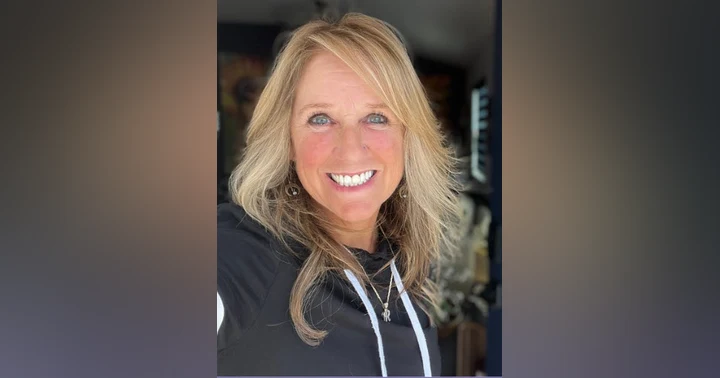
How One YouTube Channel Built a $110M Real Estate Business in The Villages
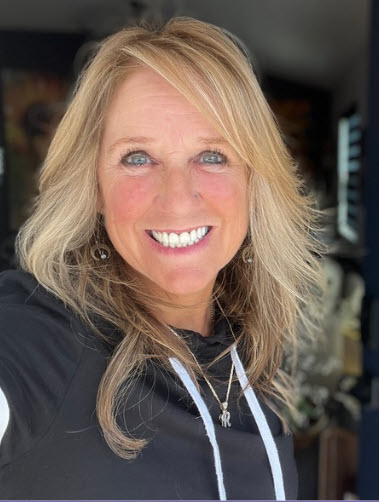
Robyn Cavallaro didn't come up through real estate the traditional way. No college degree, a lifetime as an entrepreneur, and a restaurant that closed in 2019 — then a mid-pandemic decision to get licensed online because, in her words, "Self, you better come up with a Plan B." Since then, she's built a $110 million business out of Florida Realty Investments in The Villages, one of the most unique markets in the country, without a single paid lead.
In this episode, Robyn breaks down how she turned raw, unedited restaurant-era videos into a full content system that now drives every client she has — buyers who trust her enough to purchase homes sight-unseen, some without ever meeting her in person. She and Tracy dig into the real financial and lifestyle math of The Villages: the bond system that confuses nearly every buyer, the difference between MLS and the developer's own VLS listings, snowbird versus full-time ownership, and the three-county tax trap that catches people off guard after closing.
Robyn also opens up about what the work actually looks like behind the results — early mornings, long hours, and a philosophy that real estate isn't a hard job, but it demands hard work. And she closes with the part of the business that keeps her in it: not the transactions, but the people she gets to guide into their next chapter.
Whether you're an agent building a content strategy from scratch or a buyer trying to make sense of retiring to The Villages, this episode has the real answers.
Connect with Robyn Cavallaro:
🌐 robyncavallaro.com
📸 @robyncavallaro

 Apple Podcasts
 Spotify
 Overcast
 Castro
 PocketCasts
 RSS Feed
 What are people arriving today getting wrong that you got wrong when you first moved to the area?
In this episode of the Real Estate Excellence Podcast, Tracy Hayes sits down with Robyn Cavallaro. Robyn Cavallaro is a real estate professional, author, educator, and local authority who has completed more than 300 transactions and surpassed 100 million dollars in sales while serving buyers and sellers in The Villages, Florida. After a failed coffeehouse placed her in bankruptcy at 56, she moved to Florida, earned her real estate license during the pandemic, and rebuilt her life using a phone, free editing tools, and a commitment to answering the questions buyers were already asking.
Robyn explains how educational YouTube videos created a pipeline without paid leads, Zillow, or print advertising. She also shares why authenticity creates trust, how relocation planning calls and community tours strengthen client relationships, why agents must take responsibility for their own education, and how books, artificial intelligence, customer systems, and consistent follow up helped her become a trusted authority in a highly competitive market.
Listen to the full conversation, subscribe to the Real Estate Excellence Podcast, and share this episode with an agent who wants to stop chasing leads and start attracting informed clients.
HighlightsTop of FormBottom of Form
00:00 - 10:55 Rebuilding Her Life Through Real Estate
- Losing a business and entering bankruptcy at 56
- Moving to Florida to be closer to family
- Earning a real estate license during the pandemic
- Starting YouTube with a phone and free tools
- Closing four homes after adding her contact information
10:55 - 20:19 Choosing the Right Brokerage
- Comparing commission splits and brokerage fees
- Beginning with Exit Realty on limited resources
- Moving to Florida Realty Investments
- Understanding the value of mentorship and support
- Taking responsibility for personal business growth
20:19 - 30:14 Creating Trust Through Authentic Video
- Producing content that solves customer problems
- Helping buyers purchase homes remotely
- Showing the problems inside each property
- Being authentic instead of overly polished
- Treating every incoming call as an opportunity
30:14 - 39:13 Becoming a Recognized Local Authority
- Launching Stop Chasing Start Attracting
- Becoming the expert buyers discover online
- Publishing community guides and real estate books
- Creating buyer journals with Canva and Amazon KDP
- Using artificial intelligence as a business assistant
- 39:13 - 49:36 Guiding Relocation Buyers Through The Villages
- Working with buyers relocating from across the country
- Understanding second homes and investment purchases
- Helping families downsize before moving to Florida
- Conducting detailed relocation planning calls
- Building relationships through community campus tours
49:36 - 1:10:59 Managing Transactions and Growing Through Service
- Managing 19 transactions within one month
- Representing remote buyers who never toured the homes
- Using a transaction coordinator and customer relationship system
- Maintaining communication throughout the closing process
- Providing value by identifying client pain and offering solutions
Quotes:
“It’s not about you, it’s about them. Find the pain.” – Robyn Cavallaro
“Real estate is not a hard job, but you have to work hard at it.” – Robyn Cavallaro
“You have to provide value in the content you’re creating and the customers will come.” – Robyn Cavallaro
“You can’t be fake. You can’t be phony. You just need to be yourself and show them what you can do for them.” – Robyn Cavallaro
To contact Robyn Cavallaro, learn more about her business, and make her a part of your network, make sure to follow her Website, X, Instagram, Facebook, YouTube, and LinkedIn.
Connect with Robyn Cavallaro!
Website: https://robyncavallaro.com
X: https://x.com/RobynCavallaro
Instagram: https://instagram.com/robyncavallaro/
Facebook: https://facebook.com/robyncavallaro1
YouTube: https://youtube.com/@Robyncavallaro
LinkedIn: https://linkedin.com/in/robyncavallaro/
Connect with me!
Website: toprealtorjacksonville.com
Website: toprealtorstaugustine.com
SUBSCRIBE & LEAVE A 5-STAR REVIEW as we discuss real estate excellence with the best of the best.
#RealEstateExcellence #TracyHayes #RobynCavallaro #RealEstateExcellence #TracyHayes #TheVillagesFlorida #FloridaRealEstate #RealEstateAgent #YouTubeMarketing #RealEstateMarketing #ContentMarketing #PersonalBranding #RelocationSpecialist #BuyerAgent #RealEstateSuccess #AgentAuthority #StopChasingStartAttracting #RealEstatePodcast #RealEstateTraining #ClientTrust #LocalExpert #Entrepreneurship
Are you ready to take your real estate game to the next level? Look no further than Real Estate Excellence - the ultimate podcast for real estate professionals. From top agents and loan officers, to expert home inspectors and more, we bring you the best of the best in the industry. Tune in and gain valuable insights, tips, and tricks from industry leaders as they share their own trials and triumphs. Whether you're a seasoned pro or just starting out, a homebuyer or seller, or simply interested in the real estate industry, Real Estate Excellence has something for you. Join us and discover how to become a true expert in the field.
The content in these videos and posts are for informational and educational purposes only. The information contained in the posted content represents the views and opinions of the original creators and does not necessarily represent the views or opinions of Townebank Mortgage NMLS: #512138.
REE #334 Transcript
[00:00:00] Robyn Cavallaro: It’s not about you; it’s about them. Find the pain. It’s not reinventing the sales wheel. It’s the same thing. What is the customer’s pain? Address it, offer a solution.
[00:00:47] Tracy Hayes: Hey, welcome back to the Real Estate Excellence Podcast. Today’s guest made the move many have, from the Northeast to Central Florida, before she ever held a real estate license. Since 2020, she’s closed more—
[00:01:00] Tracy Hayes: —than 300 transactions and surpassed $100 million in sales out of Florida Realty Investments in The Villages.
Without a single paid lead, without Zillow, without print advertising, every client traces to her YouTube channel, where buyers watch her break down bonds, fees, and neighborhoods months before they ever call her. She’s also the author of “Thriving in The Villages, Florida.” Let’s welcome Robyn Cavallaro to the show.
[00:01:28] Robyn Cavallaro: Good job. Yes. Thanks for having me.
[00:01:31] Tracy Hayes: Welcome. I appreciate you coming on, and I’m glad you reached out to me.
Obviously, The Villages are The Villages. They are known, probably nationally. Anyone looking to retire to Florida, The Villages is probably somewhere on their list.
Yes. Robyn, go back and tell us a little bit. I believe Pennsylvania—I didn’t actually trace it back, but I saw Pennsylvania somewhere in your bios and so forth. But where are you from? What brought you to Florida? And then, eventually, why real estate?
[00:01:59] Robyn Cavallaro: Okay.
[00:02:00] Robyn Cavallaro: So, to start with, I grew up in Orange County, New York, and my first husband was in the Army, so we ended up moving a little bit, and we landed in Pennsylvania when he got out. And, you know, from there, I’m not going to go into the details of my life, but I ended up in the restaurant business, believe it or not.
And I had a thriving restaurant, and I got the bright idea to open up a coffeehouse, and this is how I was going to expand my world. And that coffeehouse put me in Chapter 13 bankruptcy in—oh, my goodness—six months.
[00:02:34] Tracy Hayes: Whoa.
[00:02:34] Robyn Cavallaro: So, at 56 years old, I had nothing. I had $10,000 to my name. I had—I loved this Jeep I drove. I had to turn it in, and I had to reinvent my whole life.
So I moved to Florida. This is 2019. My adult children lived here. My daughter was married with children. My son was living with someone. He’s now—eventually, he’s—
[00:03:00] Robyn Cavallaro: —married now. They have two children. My daughter has two children, and that’s why I ended up here.
But during COVID, I was still in the food business, and I had to decide what to do because the whole world was changing and everything was so uncertain. I had been an entrepreneur my whole life. I had no college education, and I thought, “Self, you better come up with a Plan B before they give it to you.”
So that’s when I got my real estate license. I did it online. I sat for the state exam and passed it the first time, and then I was off and running. I was still only doing it part-time, but I had been familiar with creating videos because I created a lot of content for my restaurant. I actually taught social media a little bit while I was in the Lehigh Valley, and so I brought that forward with me. And I just started making videos about Florida and started to talk—
[00:04:00] Robyn Cavallaro: —about houses here.
And then, when I got my real estate license, I really started to focus on this community. YouTube has been a tremendous asset in my toolbox. Had I not had that, I would not have been able to stand out in a very crowded space.
[00:04:20] Tracy Hayes: Yeah. I’m really curious, actually. So, when you were in the restaurant business, you thought about doing videos. What brought that on? Because, you know, obviously, in real estate, guys go to all these trainings: social media, do video, do video. That’s common in this industry.
But in the restaurant business, what is it that you were leveraging the videos to help you out there?
[00:04:41] Robyn Cavallaro: Just to attract customers to come in the door. I was talking with—at that time, my husband was the chef—and we’d talk about different things going on in the restaurant. I would video a little bit if we were doing a wedding, a special event. So it was all just food-centric, you know: “This is what we’re making today,” and that kind of thing.
[00:05:00] Robyn Cavallaro: And I had been on local television as well, because it was a very small market. Every Friday, they had a guest chef come on, so I did that quite often. So I was very familiar with the camera, and I’m not, you know, afraid to stick that camera in my face.
Mm-hmm. That’s the biggest challenge I find Realtors have, is just getting that camera in your face and starting to talk.
[00:05:25] Tracy Hayes: Well, yeah, you’re very authentic in the few that I watched. And even when you stumble, you laugh and just carry on, where a lot of people want to stop and cut and, you know, delay themselves. And then eventually they give up because they’re tired of restarting the video all the time. Yeah.
I was still going back because I think it’s brilliant, the whole restaurant. Were you doing shorts or just short videos? I mean, were you actually doing, like, reels and so as well?
[00:05:50] Robyn Cavallaro: Just—is that what that was? Well, back then, they didn’t have reels and shorts.
[00:05:52] Tracy Hayes: Yeah.
[00:05:53] Robyn Cavallaro: Really, it was just posts. There wasn’t—because now you’re talking, this was—we opened the restaurant in 2009. Mm-hmm.
[00:06:00] Robyn Cavallaro: And, obviously, in 2019 it closed. But, yeah, so it was just whatever. And no editing. I started to edit a little bit on the phone.
[00:06:10] Tracy Hayes: Yeah.
[00:06:10] Robyn Cavallaro: But then, when I started in real estate down here—so now we’ve got to go back, which is really important for Realtors to understand—I had nothing.
So everything I did was free. I videoed on my phone. I edited on the phone. I didn’t do anything that I had to buy anything for because, you know, I was still developing. Yeah.
And I just used that progression, you know. And then I started—I went to another service, and then I got free editing software. Then I bought editing software. Then, you know, it just—it was an evolution.
So you don’t need a lot of money to start, and you don’t need a lot of tools to start promoting yourself on, on YouTube.
[00:06:53] Tracy Hayes: Speak a little bit to—you get your—well, let’s actually—what was your actual—what was it about real estate? Did you meet—
[00:07:00] Tracy Hayes: —somebody in real estate? What was it that gave you the thought? You know, obviously, you’re in the middle of COVID. Restaurants are limited in what you’re doing and so forth, so you’re looking for this—you’re looking for something else. Why? What brought real estate onto the radar screen?
[00:07:16] Robyn Cavallaro: You know, I think I was having a conversation with a coworker from the food—because I was selling food at the time—and we were just having a general conversation. He was telling me how his brother bought a house, and the Realtor was out there and what she was doing. I thought, “You know what? I’m going to get my real estate license because I’m in control.”
[00:07:33] Tracy Hayes: Mm-hmm.
[00:07:34] Robyn Cavallaro: I know just from interviewing for jobs when I came down to Florida, when you tell someone you’re an entrepreneur, you might as well say you just, you know, whacked five people in the parking lot.
Yeah, not going to be here long.
Yeah, exactly, and that’s how they look at you. Yeah.
So I needed something where my income was going to be untapped. I would not—unlimited, I should say. Everything that I—
[00:08:00] Robyn Cavallaro: —did, I did it for myself, and I didn’t have to rely on someone or something. I mean, inevitably, we have to rely on someone and something to get a sale, but I was still in control of my destiny. Mm-hmm.
That’s what I needed, and real estate provided that. I could do it part-time if I needed to because I didn’t know how things were going to turn out. Because I was still working full-time for six months before I finally left the food-service company and just pursued real estate full-time.
But, yeah, that was the connection there. It was like, “What am I going to do now? Okay, let me do that.” Yeah. It’s the easiest thing I could do at the time.
[00:08:37] Tracy Hayes: At the time. Now, did you leverage YouTube yourself to go on and see what it is that real estate agents are really doing? Did you do any kind of research there?
[00:08:44] Robyn Cavallaro: No. I did no research.
[00:08:47] Tracy Hayes: You just took your knowledge of whatever you knew real estate agents did and just went with it.
[00:08:57] Tracy Hayes: Yeah. And you just had to sit down and think, “What do your buyers and sellers need to know?”
[00:09:00] Robyn Cavallaro: There are thousands of topics to talk about in any community. So I sat back: “All right, what do they want to know?” Well, they want to see the style of homes, so I started to video some of the homes in the area. Like, we have different styles. We have a patio villa. We have a courtyard villa.
So I just went in, but I didn’t say who I was because, at the time, I don’t even think I had my real estate license yet. I was still studying for it when I made a couple of the videos.
And then, still at the beginning, it wasn’t clicking to put my name and my brokerage in the beginning of the video. Right.
And that was about February, during COVID, and I put who I worked for, how to get ahold of me, and I sold—I’m not kidding you—four homes that week.
Wow. Four.
Yeah. And in an uncertain time. Now, I have to tell you, if my YouTube channel were where it is today during COVID, I could’ve retired.
[00:09:58] Tracy Hayes: Well, you would’ve had to start—
[00:10:00] Tracy Hayes: —bringing on some support.
[00:10:01] Robyn Cavallaro: Oh, big-time support. Yeah. Yeah, big-time, big-time support.
[00:10:05] Tracy Hayes: So, one of the topics I always talk about with every agent—because every agent crosses this path—you’ve taken the test and everything. What chose your first brokerage?
And I can’t believe I did not silence that. I apologize for that. I was thinking about that before I logged on with you. I was like, “Oh, I’ve got to put my Do Not Disturb on.”
The first brokerage—because I truly believe, for many agents, not all—you’re an entrepreneur. You’re a self-starter. You find ways. You don’t rely on other people, where I think a majority of agents who fall out do have to have some reliance on finding a great brokerage that meshes with them.
In your case, you initially—I’ve got it in my notes here. I’m looking. I’m trying to read the—
[00:10:47] Robyn Cavallaro: I’ll help you. I’ll help you. Yeah. Okay. So—
[00:10:50] Tracy Hayes: Florida Realty Investments. That’s it. Florida Realty. Was that your first brokerage? And how did you end up there?
[00:10:55] Robyn Cavallaro: No, it was not. Okay. So I started out—I was online—
[00:11:00] Robyn Cavallaro: —looking, and I found a lot of eXp Realtors. And I was watching their videos, and then I finally figured out, well, that’s just a big pyramid.
[00:11:08] Tracy Hayes: Yeah. Yeah.
[00:11:09] Robyn Cavallaro: Yeah. So—but I liked their technology, so I almost went with them. But then I started looking at desk fees, monthly fees, weekly fees, blah, blah, blah fees, of course, because I had no money. I was in bankruptcy.
Mm-hmm.
And I had to find something that was going to be the least amount of money for me to get into until I sold something.
So I ended up with Exit Realty. I was talking with some woman on Facebook. And I chose—there was a brokerage out in Mount Dora that I actually went to. I ended up at, like, a 70/30 split in the beginning, but I didn’t care. I was like, “All right, you can take 30% of my money because I don’t want to pay desk fees.”
So that was really important to me. And I do—I actually, just real quick, I have this book. I’ll just show you here. Yeah. This is “Skip the—
[00:12:00] Robyn Cavallaro: —9 to 5: How to Build a 6-Figure Career in Real Estate.” I have a whole section here that talks about different brokerages and what they offer and what they don’t offer, so it’s a great—
This is a good resource if you know anybody who’s thinking about—can’t get it in the center there—getting into real estate. Yeah. Really, at any age, but there’s a lot of information about that.
But you have to understand all the nuances of the brokerage, because they’ll have E&O fees and commission and this fee and that fee, and that was crazy. But I did that for a year.
And then a gentleman, Johnny Stokes, who was my mentor—he was in a town next to me, Lake Panasoffkee, Florida—and he called me and said, “Hey, I’m going—I’m leaving Exit. I’m going to work for Florida Realty Investments. They’re a 100% company.”
And he’s like, “Yeah, you get 100% of your commission at closing.” And I’m thinking—
[00:12:52] Tracy Hayes: “What’s in it for them?”
Yeah. That’s my question.
So I watched, yeah.
[00:25:30] Robyn Cavallaro: Yeah. And being able—you gotta find their pain. Mm-hmm. What’s the customer’s pain?
And I—there are plenty of videos that I’ve repeated time and time and time again: taxes, expenses, the differences. And ’cause you can buy from the developer or you can buy from MLS, and go through all the nuances. Let them know.
Now, you still need some lifestyle video. Like, I did one on my golf cart, and that really resonated with my viewers. So—
[00:26:00] Robyn Cavallaro: You have to get that personal side of you.
One funny story: I was in Publix one day with my granddaughter, and we were walking up the aisle, and I could see the couple stopped, and they’re like, “I thought it was you, but I wasn’t sure, but I recognized her.”
And I told—I was like, “Clara, honey, you’re now a famous YouTube star.”
But they do. And that’s another point to make, is so many creators out there are trying to be like a newscaster. They want it to be professional, they want it to be succinct, and that’s not authentic.
Yeah. You need to be who you are.
And then they say sometimes, they say, “No brain, no headache,” but I put that camera in my face with no makeup on. Doesn’t matter to me, because it depends on what I’m doing.
So now, like, I did a video about taxes, and it was in the morning, and I wanted to get it done, so I said, “Hey, people, I’m in my pajamas.”
And I’ve done videos after I’m coming off the pickleball court where I’m all sweaty, but—
[00:27:00] Robyn Cavallaro: That’s part of this community. And I think that’s what—or I know that’s what your buyers want.
They want to know who you are, how you’re going to serve them, why you’re different, you know, and how you’re gonna help guide them through this next part of their life. And that is huge.
You can’t be fake. You can’t be phony. You just need to be yourself and show them what you can do for them. ’Cause no matter what, it’s all about what you can do for them.
[00:27:32] Tracy Hayes: One hundred. You can do for them. One hundred, one hundred percent.
I was—I saw this meme the other day. It was—or this reel, or whatever it was. It was talking about someone who swears a lot is generally someone who’s very honest, ’cause obviously they don’t filter themselves.
When you are out there, like you say, au naturel, or coming off the pickleball court and all sweaty, they feel you’re—you are just giving it to them straight. And this is what it’s really like.
You don’t have this production team standing all around you and—
[00:28:00] Tracy Hayes: You know, making sure, you know, spray a little water on it, make it look sweat.
You’re actually sweating, and you’re coming off the pickleball court. You’re real. You’re gonna be more honest in telling, you know, telling the truth of really what’s going on. And obviously, with the video, they’re seeing it.
[00:28:15] Robyn Cavallaro: Right.
[00:28:16] Tracy Hayes: Yeah.
[00:28:16] Robyn Cavallaro: And that’s what develops that trust.
And, you know, so I am 62. I’m gonna be 63. And when you get older, you can’t see and you can’t hear. So I have something—I call it an adult headset. Mm-hmm. Everyone else knows them as hearing aids.
But my phone rings in the hearing aid, so there are times where I’m playing on the pickleball court and my phone rings. And on my watch, I can see who’s calling.
[00:28:49] Tracy Hayes: Right.
[00:28:50] Robyn Cavallaro: So I’ll answer it, and I just tell my partner, “You just keep playing. Ignore me.”
And I keep playing. I tell them, “Hey, listen, I’m on the pickleball court.”
[00:29:00] Robyn Cavallaro: ’Cause in my brain, every phone call is $10,000, and if I don’t answer that phone, they may go to the next person.
Right. ’Cause I don’t know if it’s just somebody—I get a lot of, “Hey, I just saw your video and I thought I’d call you.”
And people are impatient. I’m shocked at how, “You didn’t call me back in 24 hours.”
“Okay, I’m sorry. You didn’t ask where I was. You know, what if I was in the emergency room?”
Right. You know? Yeah. So I try to answer the phone every time it rings.
[00:29:30] Tracy Hayes: Well, that’s the instant-gratification world that we’re in today.
That’s—yeah. We both are old enough to remember, you know, no emails, no computers growing up. I mean, I think in college we had word processing. We did not have—still didn’t have email at that time, and, like, shoot, well, um, no cell phones.
You wonder how people, uh, survived.
[00:29:50] Robyn Cavallaro: Yeah.
[00:29:51] Tracy Hayes: Let alone find the—how we drive today, with our phones on the maps and stuff like that. Like, we had to actually have paper maps and read street—
[00:30:00] Tracy Hayes: Signs. So, yeah.
Let’s touch—I wanna touch a little bit before I dig into the questions I’ve got prepared.
Just let—go back to reiterate, to make sure we have everything covered. Give me the YouTube channel. Just say it out loud. Obviously, it’ll be in the show notes for the audience. What’s the—okay—YouTube channel?
[00:30:15] Robyn Cavallaro: So my real estate training channel is called Stop Chasing, Start Attracting.
[00:30:22] Tracy Hayes: Stop Chasing, Start Attracting. Okay.
[00:30:24] Robyn Cavallaro: Okay. Yes. Yeah.
[00:30:26] Tracy Hayes: All right.
And then, did—your name is your YouTube channel? Because I think that’s how I looked it up, this channel.
[00:30:31] Robyn Cavallaro: Robin Casararo. Yes. Mm-hmm. Um, and that’s where all my content is. I’m, you know, just putting into that Stop Chasing. It’s just starting to get content.
Yeah. ’Cause I thought to myself, “There’s so many things that realtors can do, and I wanna give back, so I wanna teach them to do what I do.”
[00:30:50] Tracy Hayes: My boss says it all the time: stop being the hunter, be the hunted.
And when you’re putting out the content, then the people are finding you, ’cause they’re out hunting. They’re out—
[00:31:00] Tracy Hayes: Trying to find this information. And if you become the provider of the information, you become the expert in the room.
You have all your e-books and so forth. Can all of them be found on Amazon?
[00:31:12] Robyn Cavallaro: They’re all on Amazon, yes.
[00:31:14] Tracy Hayes: Okay.
[00:31:15] Robyn Cavallaro: Yeah. Amazon, that’s a great opportunity for realtors to become that expert.
So hold here. I’m gonna show you this. Hopefully, they won’t all fall.
Okay, everything’s falling. Ah. All right.
So this is the second edition of a book I put out. It’s called The Villages Florida Playbook. This is 236—236 pages of information about this community that everyone—
[00:31:41] Tracy Hayes: Is that eight and a—
[00:31:42] Robyn Cavallaro: Is that eight by—
[00:31:42] Tracy Hayes: Eleven? That looks like a big book.
[00:31:44] Robyn Cavallaro: No, it’s seven by nine.
[00:31:46] Tracy Hayes: Okay. It looks bigger in your hands—
[00:31:47] Robyn Cavallaro: Yeah.
[00:31:48] Tracy Hayes: I guess.
[00:31:49] Robyn Cavallaro: Yeah. It’s—it’s a decent size.
Looks like a whole workbook. Yeah. Yeah, it really is.
And in here, I have restaurants, hospitals, urgent care, lists the—
[00:32:00] Robyn Cavallaro: Contracts. I talk about everything somebody needs to know about buying a home in this community, and what they need to know when they get here.
And this is easy enough for any realtor to do about their own community, or create in their own community.
The first one I wrote, my daughter edited it. I mean, I handwrote it—well, on the computer.
[00:32:19] Tracy Hayes: Mm-hmm.
[00:32:20] Robyn Cavallaro: But when I went to update it three years later, I loaded the old book into ChatGPT and said, “Update it.”
And it updated it, but a month and a half of edits, because I’m gonna tell you, AI is not correct all the time.
Right. And this was last year. So I went through and edited this book. But I’ve sold a little over 1,000 copies since September.
Oh, wow.
And—
[00:32:46] Tracy Hayes: And obviously, I imagine every one of your customers—
[00:32:48] Robyn Cavallaro: Get one, obviously, that buys. A lot of them do.
They give them as gifts to people who are thinking about buying here, because it’s a resource. It’s not just a fluffy piece. It’s an easy—
[00:33:00] Robyn Cavallaro: Read, but you can make this for your particular community.
Yeah. So I came up with this idea because—so my homebuyers in my market, they come and they power shop, I call it, ’cause they’re in for a couple weeks and they’re gonna buy a home.
Right. So this is like—this is a home-buying journal, and I created this. And these are just different ways for realtors to make a little bit of money.
This is where they can keep track of every home that they go into, all the things they need to know. They can put the MLS listing in there. There’s information in here about making repairs. Everything for your home you can keep in here.
And I sell a lot of those as well. They’re like $7.99. And I created that in Canva and Amazon KDP.
So not quite—none of those are passive income. It’s all not-quite-passive income.
[00:33:56] Tracy Hayes: Right.
[00:33:56] Robyn Cavallaro: But these are opportunities to provide your—
[00:34:00] Robyn Cavallaro: Customers with your expertise. This is why I’m the expert. I give—I do these things—
Well—
—in addition to knowing real estate.
[00:34:06] Tracy Hayes: Even if I—if I’m not mistaken, that, you know, you have this buyer come in, flies in. They’re only here for a week. They’re gonna find a home.
You’re giving them that ’cause you’re showing them numerous homes. You’re telling them certain things. They could be noting it down in their whatever.
They—they, like, this house, didn’t like this house. That house had the great pool. Because mentally, when they start seeing so many houses, they start—
Um—
[00:34:31] Robyn Cavallaro: Absolutely.
[00:34:32] Tracy Hayes: And then, you know, so they’re able to put those in there. But that’s like a big business card as well, ’cause your name’s gonna—
[00:34:38] Robyn Cavallaro: Be on the front. Yes.
[00:34:39] Tracy Hayes: Yeah.
[00:34:39] Robyn Cavallaro: That’s right. Yeah.
And I give it—when I have somebody in my car, I give it to them, ’cause I can order what they call author copies.
Right. But—and I have—you can buy it for $29.95. It—the video shows you—I might—I have to get the link. I did a video on it, and you can buy it for $29.95. It—the video shows you how to create that, and I—
[00:35:00] Robyn Cavallaro: Give you the template that I use. So all you would have to do is drop and drag your own information in there.
[00:35:05] Tracy Hayes: Right. Right. Brilliant. Brilliant.
Uh, just from my research, ’cause I’ve—and I was gonna suggest to you, ’cause you have so much content. For the first roughly 300 episodes—you’re 334, 334—um, I took all those transcripts and I pulled out about 60 agents.
It’s in a manuscript form. I actually have an editor. She’s reviewing it. We’re gonna meet again this week.
My particular thing was just on, you know, real estate agents with grit. You know, I’ve had a lot of single moms and, you know, just overcome great adversity. You had adversity too—your bankruptcy. You come down here and recreate yourself. Now you’re a successful real estate agent and impacting people.
But that’s what I’d—I was just thinking, all the transcripts you have from all your—you can get them from your YouTube videos or anything you’ve done, and compile those. You put them into Chat or Claude—I’m sure the others—that’s the two I use—as a—
[00:36:00] Tracy Hayes: Project, and you can load those transcripts in, and it will reference those.
So when you update your book in the future, you can update the book, but then maybe add video transcripts to it. Now it has this—all this information to pull from—and say, “Hey, what would you update here?”
Just a suggestion. That’s how it helped me write—it took me a year to figure all that out.
But it’s always getting better. And when the projects came out, that’s how I basically got my—got to my final version. I won’t say—I don’t even know if it’s final yet.
So I got about—about 50,000 words. But I—I had all the transcripts, you know, because I’m not an English major, and it helped me—helped me structure it.
And—
Me too.
Yeah. Yeah, like you said, like you said, you ask it questions: “Hey, what do you need? What can we do to improve this chat section?”
“Well, it needs a little bit more of you, Tracy.”
“Okay, well, ask me the questions.”
And I was talking to it and gave it the answers, and it was, you know, basically being that ghostwriter—
[00:36:52] Robyn Cavallaro: Yes.
[00:36:52] Tracy Hayes: Type of thing. So definitely—
[00:36:53] Robyn Cavallaro: In my course, I talk about—in my course, I talk about how AI is your assistant.
[00:36:59] Tracy Hayes: Mm-hmm.
[00:37:00] Robyn Cavallaro: You know, it’s not the boss. It’s not taking over, but you need to use it as your assistant.
[00:37:06] Tracy Hayes: And talk to it like it’s your best friend. Sometimes it’s just—you’re just talking to it about your ideas that you have.
I do that all the time, driving home, driving from work. I’ll put it on the voice mode, and I’ll start talking to it about my ideas and say, “Well, what do you think about that? What holes will be in it?” And all—whatever.
It is amazing.
Yeah, it’s incredible.
And constantly getting better, so.
[00:37:25] Robyn Cavallaro: Yeah. So a couple times I’ve been in the car, and I get this idea for a book.
Mm-hmm.
It’s like, “Okay, I want you to—this is the idea. I want you to flesh out the chapters.”
Now, like I’m writing another book right now. It takes a long time, though, ’cause I—you have to go and read everything, and then say, “Well, this isn’t right,” and change this and do this again.
So I’ve heard people criticize, “Oh, that’s AI.” It’s—AI is the start. It’s you adding to it that makes it—
[00:37:56] Tracy Hayes: Yes. It’s your content, or in my case, my transcripts, that you’re—
[00:38:00] Tracy Hayes: Putting into it. It’s helping you format it and put it into a logical—more—
But you still, obviously, still need an editor to go through it and line by line, or whatever you need to do.
One hundred, one hundred percent. Yeah.
People—my wife says it’s gonna make us dumber. I said, “I don’t know, honey. To me, it makes me think deeper, and I can actually go further, ’cause I’m not getting stopped by, you know, my not being an English major from writing a book.”
[00:38:24] Robyn Cavallaro: You know? That’s—that’s a really good point. Yeah.
And even with anything, with, like, the slide decks for my training and all the social media posts. Like, I went and said, “All right, I want this and this and this and all these topics, and then—but I only want three bullet points on each one, and then I want you to leave space.”
I added a phone in Canva and recorded a 30-second video. So now I have the text, the image, the text, and now I’m talking in it when I’m putting it out on—
[00:39:00] Robyn Cavallaro: Facebook, Instagram, TikTok, LinkedIn.
So it’s a video, but it’s not—
Yeah.
Because I still feel that you need that video interaction to get people to resonate with you.
[00:39:13] Tracy Hayes: Yeah, one hundred percent.
All right, let’s dig in. Let’s dig into the business, into real estate, into The Villages.
You’ve made the move yourself from the Northeast to The Villages, which—I meant—what would you say? Are The Villages dominated—obviously, we know there’s a lot of New Yorkers there. There’s a lot of New Yorkers in Florida, right?
But—
Yes.
You find—are you getting—you know, like here where I’m at, here in Jacksonville, St. Augustine is where I live, you know, we are getting California. Are you seeing The Villages with very diverse people coming from all different directions around—from the country?
[00:39:44] Robyn Cavallaro: Yes. We’re getting—like this year, it was Michigan and Wisconsin in the middle of the winter.
[00:39:50] Tracy Hayes: Mm-hmm.
[00:39:51] Robyn Cavallaro: “I’m tired of snow. I’m tired of snow. I’m tired of snow.”
A lot of Illinois. We’re getting a lot of California, you know, where there are heavy-taxation states.
Yep.
Because—
[00:40:00] Robyn Cavallaro: This—so The Villages is primarily a conservative community. There’s a lot of retired military here, but there’s a lot of everything here.
So I do see—and outside of the country as well—are looking. They come to spend six months out of the year, or whatever, four months out of the year, in the wintertime.
So it’s all over.
[00:40:22] Tracy Hayes: And, well, that brings me into kind of another question there.
Well, I guess there’s a lot of people probably initially buy a second home, they call. But how many—like, what percentage of your buyers are actually buying investment properties for some of those people who might wanna come down, and maybe they come down five or six months of the year and rent for several years before they actually end up buying?
[00:40:44] Robyn Cavallaro: And that happens. That happens a lot.
You see, they’ll buy a second home, a small one. Then they come and they decide, “Oh, they’re moving here full time.”
Like, they’ll park their money or start to pay it down while they’re still working. Then they come to live here full time, and—
[00:41:00] Robyn Cavallaro: Like, “Ah, that house is a little too small now for us.”
And they keep it and rent it and buy something bigger, or they sell it and buy something bigger.
So you will see people buy two and three homes here, ’cause they’re easy to sell, and there’s always a new home going up. And they sell it turnkey. They’re like, “The heck with it. I’m leaving all my stuff behind and I’m going.”
They pack up their clothes, and they go to a new home and they buy everything brand new.
[00:41:22] Tracy Hayes: Yeah. Yeah.
Well, I’m sure you’ve had a lot of buyers—they leave that big house that they’ve lived in for 30, 40 years up north, and then they come down here and they’re like, “I got all this stuff.”
[00:41:33] Robyn Cavallaro: Stuff. What am I gonna do with it? Yes. Yeah.
That’s a big problem, ’cause I hear, “Well, we’re on three acres.”
Like, oh boy, you are gonna get a rude awakening when—
Yeah.
You come down here, ’cause we all live on top of one another.
Yeah.
It is a big mindset shift when you come down here, because you’ve gotta alleviate yourself of all your junk and all the things. And nobody’s furniture matches.
So—and I go through this whole—I don’t wanna say—
[00:42:00] Robyn Cavallaro: Vetting process, but I’ve devised three things that were very impactful for my buyers.
’Cause I started my career more buyer-centric, because the buyers have the money. I’m not chasing listings, but the listings come after a while.
But the buyers—
Yeah.
I do something called the relocation planning call. So we get on the call for 20 minutes, and I ask them a lot of questions.
You know, what is their timeframe? What’s their budget? Have they been here before? Do they know what area they wanna live in? ’Cause we have—it’s like 20 miles from one end to the other.
So I go through this whole process, and then I take them and put them on a search on my website. I have the MLS feed on my website and a CRM.
[00:42:42] Tracy Hayes: Mm-hmm.
[00:42:42] Robyn Cavallaro: I have about 3,000 people in there. Not everybody’s ready to buy, but I keep top of mind, and I have a drip campaign set up, so they’re constantly hearing from me. And that is very important as well.
[00:42:58] Tracy Hayes: Well, you—you—
And I don’t have to—
You do—
[00:43:00] Tracy Hayes: Something that so many of the great agents that I’ve had on—and I’m actually—my—I’m gonna be interviewed here Thursday, and we were talking about some preliminary questions, and I was talking about the guests that I’ve had on the podcast.
Every one of the top agents, the ones that truly excel, are doing—are going above and beyond the call of what someone expects a real estate agent to do.
And it sounds like you are doing a lot of that, not only in your videos by talking about the faucet and why you like the faucet, and the many other—you know, all your videos have so many—there’s one—there’s something in every one of those videos, if not multiple things.
But like you said, sitting down and explaining to them what’s it like to live here.
Because the question number—the first question I actually have is: What are the people arriving today getting wrong that you got wrong yourself when you moved to that area?
[00:43:55] Robyn Cavallaro: So that’s an important point. Because this community’s so—
[00:44:00] Robyn Cavallaro: Diverse, and they’re researching for years sometimes, and they come and they do what they call a lifestyle visit.
Yeah.
Well, I get them in my car. I call it a campus tour. That’s what I call this college campus.
And I take them all the way around the block to see all the different neighborhoods and the nuances, because what up north looks like is different than what south looks like, ’cause they started building in the late ’80s, early ’90s up north, and now everything is new.
And I tell them, “You need to find the area you wanna live in, and then find a home in that area.”
But it gives me two hours of their undivided attention, ’cause now they’re in the car with me.
And I had someone, one of my coworkers, that said, “Don’t you think that’s a waste of time?” Because sometimes they’re not ready to buy for four or five years.
[00:44:50] Tracy Hayes: Right.
[00:44:51] Robyn Cavallaro: And there’s no guarantee they’re gonna use me as their realtor, but at least I had a better shot. And I told her, I said, “This is really important—
[00:45:00] Robyn Cavallaro: Because I get to bond with these people.”
You know, how many realtors are saying, “Hey, come get in the car and ride around with me for two hours,” and there’s no chance you’re buying a home?
Because this is a marathon here. It’s not a sprint.
[00:45:13] Tracy Hayes: Yeah.
[00:45:13] Robyn Cavallaro: And that’s a service that—and anyone can do it in any community. It doesn’t have to be, “Oh, your retirement community, it’s self-contained.”
It’s like, no, you could do that. My daughter lives in Clermont. You could do that in Clermont. I mean, these towns in Florida are huge.
Yeah.
They—you know, so you could say, “This is over here. This is over here. If you wanna live Disney, over here. You want this, over here,” and take them around so they can see where.
Be that expert. Be that resource. I cannot stress that enough.
And sometimes you—I hear—and this is another thing that drives me nuts—“Oh, I don’t wanna waste my time.”
Well, sometimes you are gonna waste your time. That’s all you have as a realtor, especially in the beginning.
[00:45:54] Tracy Hayes: Yes.
[00:45:55] Robyn Cavallaro: Like, for me now, I don’t go outside of The Villages—
[00:46:00] Robyn Cavallaro: Unless it’s a repeat customer of mine.
If someone wants to look at the other communities, they’re not sure, I have them go with a work partner, because I’m now too busy in here to do that.
But you need to do that. So, for example, there’s another community called On Top of the World in Ocala, and I’ve been through their new-home tour four times, and now I know about that community.
So when someone asks me, “Hey, you know, we were thinking about going up there,” well, this is what I can tell you: I can tell you that the homes are really nice. You get more for your money, but there’s nothing to do up there.
So, you know, you provide that extra value resource—
[00:46:39] Tracy Hayes: Yeah.
[00:46:40] Robyn Cavallaro: But you have to know your outside areas as well, the fringe of where you work.
[00:46:48] Tracy Hayes: Well, you know, we were talking, and I mentioned I always use that billboard analogy. Those people are thinking about moving, and they may be two, three years out before they make the move.
They are already—
[00:47:00] Tracy Hayes: Talking to other people their same age, their circle of influence that they’re in, and they come down and they have a wonderful experience because you did take two hours to show them this nice lunch restaurant, or whatever it was. You showed them the community, pointed these things out.
They’re gonna refer people to you as, “Hey, she knows what she’s talking about.”
[00:47:20] Robyn Cavallaro: Yes.
[00:47:21] Tracy Hayes: Yeah, so I think that the waste of the time is—I mean, unless you truly have a hot customer ready to do something—to take two hours of your day to hopefully influence that person, hopefully to buy, but hopefully, if not, they refer you to two or three other people who are coming down to buy, and they need to come work with you.
[00:47:40] Robyn Cavallaro: Yeah. And you just don’t know.
[00:47:41] Tracy Hayes: Yeah. Yeah, and in—
[00:47:42] Robyn Cavallaro: Real estate, again, it is your time.
[00:47:44] Tracy Hayes: It is. It is your time. Well, it’s sales in general.
[00:47:46] Robyn Cavallaro: In general.
[00:47:47] Tracy Hayes: You know, I’ve been in sales my entire life. People who have worked with me before—you’ve been in sales my entire life—and it’s—
[00:47:53] Robyn Cavallaro: Yeah.
[00:47:54] Tracy Hayes: You don’t know what rock you’re gonna uncover. You gotta turn over the rock to find out what’s underneath it, and you just don’t know what’s there.
I’m sure you have customers—
[00:48:00] Tracy Hayes: That have never bought from you, but have probably referred you half a dozen people, ’cause they know how thorough you are.
I mean, it’s—it’s—
[00:48:09] Robyn Cavallaro: Yes.
[00:48:10] Tracy Hayes: It’s crazy.
All right. In 2025, buyers were more skeptical and more self-educated than ever. Your entire pipeline comes from YouTube. What is it about the long-form video—this is that question, I guess, where I was thinking—but that level of buyer trust that the referral from a neighbor still can’t replicate?
The difference—have you noticed a difference between people who come from one of your YouTube videos versus someone who actually came from maybe someone who’s already bought from you?
[00:48:34] Robyn Cavallaro: Mm-hmm.
[00:48:35] Tracy Hayes: So, have you noticed any difference? I—
[00:48:36] Robyn Cavallaro: Yes, because when you’re on YouTube, they’re already vetting you. They know who you are.
When it comes to somebody referring you, they’re vetting you, ’cause they’re not sure. Even though a friend recommended you, they still haven’t been on your—
This—and that happens here with sellers, ’cause sellers aren’t typically on my YouTube channel, ’cause they already live here.
So it is—
[00:49:00] Robyn Cavallaro: Harder to get that listing, because they’re now, “Okay, well, maybe.”
And ’cause here, you can list your home with the developer or with MLS, so that—
[00:49:10] Tracy Hayes: Oh.
[00:49:11] Robyn Cavallaro: That’s another challenge.
[00:49:12] Tracy Hayes: Yeah.
[00:49:13] Robyn Cavallaro: I don’t even wanna get into that. Okay, I’ll get all fired up here.
But I think you have to—they’ll vet you stronger when you’re going to list it, when you get a friend referral, than if they already call you, because they’re already vested in you.
They’ve seen you. They’ve watched you for years, and then they pick up the phone. They’re already bought in.
[00:49:31] Tracy Hayes: Right.
[00:49:31] Robyn Cavallaro: But because I provided value—
[00:49:34] Tracy Hayes: Yes.
[00:49:34] Robyn Cavallaro: Before asking for their business.
[00:49:36] Tracy Hayes: Asking for their business. One hundred percent.
I—yeah. When you really think about it, it’s almost common sense. They call you because their friend told them to, but they still don’t know how knowledgeable you are, or the stories you’re sharing, like we are here on the podcast, and really relate to you and bond with you.
That YouTube customer’s already made that decision. They’re calling you because they’re gonna work with you, because they’ve sat there and watched you at, you know, whatever—
[00:50:00] Tracy Hayes: Amount of minutes or hours that they’ve—of your YouTube videos, if not picked up one of your books.
Um—
[00:50:05] Robyn Cavallaro: Yeah. There’s a couple times when people have called me and they can hear me in the background on TV.
[00:50:10] Tracy Hayes: Mm-hmm.
Tell me about a deal or a client situation from the last few months that sticks with you. And I always call this the cocktail-story one.
Tell us something—this is real-life realtor stuff on the ground—you know, whether it was a bad financial deal you were able to pull together, or just, you know, something that you—a situation you had recently that you could share with us.
[00:50:32] Robyn Cavallaro: Well, from the middle of May until the middle of June, I had 19 transactions at any—
[00:50:38] Tracy Hayes: Oh, wow.
[00:50:39] Robyn Cavallaro: One per—yeah, I was, like, shocked.
Each one of them provided their own—some of them were smooth, but some of them, you know, when we start to go through the inspection process, trying to get things fixed and getting them to a level of comfort that it’s okay that some things—
[00:51:00] Robyn Cavallaro: Look the way they do, or they’re not getting fixed, and what that means, because they’re not here.
So I’m actually the one that has to go in and make sure: Did that get fixed? Did that get fixed? Is this this, and is this this?
And I have to make sure that I keep my customer calm and not—’cause, you know, I sold two homes in one week to two couples I never met. They never saw the home, and they were both over a half a million dollars.
So they’re putting immense trust into you.
[00:51:29] Tracy Hayes: Yeah.
[00:51:30] Robyn Cavallaro: What’s the house sound like? What’s this? And they’re asking me, “Should I buy this house?”
I mean, that’s a lot. You think about it, that is a lot of pressure. But because I go through, and it’s like, “Eh, I don’t know if I really like that.”
[00:51:41] Tracy Hayes: I’m just wondering, how do you—’cause obviously, there is a lot of negotiations with existing homes.
You know, it’s whether it’s the little things need to be repaired, but you’re negotiating.
I mean, when you have 19 transactions, how are you—how are you keeping square one house from another, and where you’re at in the negotiation process? And like you said, you gotta—
[00:52:00] Tracy Hayes: Go out there and make sure stuff is done.
How are you just, like, keeping those columns for all those addresses and transactions, let alone the customers’ names?
[00:52:09] Robyn Cavallaro: Yeah, so I have a transaction coordinator. She handles all the paperwork.
But every morning, I just go through: “Okay, where are we with this? Where are we with this? Where are we with this? Where are we with this?”
And I gotta go through all of that, because some of them were my listings and some of them were buyers. And then—and some of them, I have both sides. So then I gotta, “Okay, what address was that? Yep, okay. That’s this. That’s this.”
And we use this Paperless Pipeline, it’s called, but I have my own CRM.
[00:52:39] Tracy Hayes: Mm.
[00:52:40] Robyn Cavallaro: And in my CRM, I set everybody up on a drip campaign. So once they go—go under contract, the first video and email they get from me is a video, and I’m telling them about the process, what to expect.
“My transaction coordinator’s gonna reach out to you. You’re gonna get a message from the title company. You need to make your escrow deposit.”
And then it goes out in sequences: “Did you make the escrow deposit?”
Just—
[00:53:00] Robyn Cavallaro: Now she’s on them, I’m on them, and that’s a reminder. And that is value that I cannot begin to tell you provides the customers with ease through the transaction.
[00:53:11] Tracy Hayes: Yeah, you make—you make a brilliant suggestion there, and so hopefully someone listening to this picks it up, because I know not everybody will.
You’re adding video to your stages. So again, to duplicate yourself, to kind of standard steps in the process that you repeat with every client, you’ve put a lot of these on video.
So that video can go out instead of you having to necessarily make that call. They can watch it at their—on their time.
So, you know, you’re not having to repeat yourself or try to track, “Oh, did I tell that person or not?” You’re sending that off to them. They’re seeing the video, and obviously, if they do have, you know, questions or concerns, they can email you back, and then you can address them.
But it just helps duplicate yourself.
And, you know, BombBomb is great for—if you’re wanting to kind of just feel this out, of what Robin’s doing. BombBomb is—
[00:54:00] Tracy Hayes: Great because you can attach it to your email, or obviously you could do it through your phone.
You can do a video on your phone or whatever, but you can record BombBomb videos that say “Stage One,” “Stage Two,” or whatever, and you just click it and put that into that email, and it’s off.
And it’s a very easy way to get started.
But it sounds like, through your video experience, this was a great way to leverage your—the video.
[00:54:22] Robyn Cavallaro: Mm-hmm. Yes.
Because I talk about—so even if they’re just starting, like, I’ll say in my video, “Hey, don’t forget, if you wanna start searching for a home in The Villages, Florida, go to my website, robincavallaro.com. Enter your name, information, and you’ll start getting emails with homes and information about the community.”
So one or two of the emails, I have a video that talks about the buyer-broker agreement, so they understand what that is, why they shouldn’t be afraid of it.
I talk about the, you know, the process, what happens, the different types of contracts, because we use “as is,” but we primarily use a standard contract.
So I’m guiding them—
[00:55:00] Robyn Cavallaro: Through, so when they actually are ready to buy that house, they’ve got the information on my YouTube channel, but they have that information coming from my CRM as well.
[00:55:09] Tracy Hayes: Yeah.
[00:55:09] Robyn Cavallaro: And it’s important, ’cause you’re touching that customer. I mean, there’s no way I could keep track of 3,000 people.
And in the beginning, I had a Trello board, which is, like, basic, and I show people that in the course. But I just had “looking for,” you know, under 200, under 300, under 400, under 500, and had the people’s names and cards for everybody.
And then once I put the MLS feed on my website, my business exploded, and I was talking about it. I actually, at that point in time, had to hire an assistant. I said, “You have to call these people, ’cause my phone’s blowing up all day long, and I don’t know who I need to call back today, tomorrow, next week, next month.”
[00:55:54] Tracy Hayes: Right.
[00:55:55] Robyn Cavallaro: “Please go through this every day.”
And, like, for three months, that’s all this person did—
[00:56:00] Robyn Cavallaro: Was call everybody that was registering on that website. It was insane.
Wow.
But having control of your own asset—people, don’t rely just on Facebook, YouTube, any of those social platforms. You do not own them. The—of those social platforms. You do not own them.
The only asset you own is your website and your email newsletter. That’s the way you stay—I don’t even put—I don’t set up searches in the MLS. You know how you can set those up for customers?
[00:56:24] Tracy Hayes: Yeah.
[00:56:25] Robyn Cavallaro: I enter nothing in the MLS anymore. Everything goes into my CRM.
[00:56:31] Tracy Hayes: Excellent. Excellent advice.
You’ll have to explain this to me, but I just picked up this question. You have customers, “I don’t know if I wanna live north of 466 or of 44.”
Mm-hmm.
How do you actually help them figure that out?
[00:56:44] Robyn Cavallaro: So I start to talk about what the sections look like.
[00:56:49] Tracy Hayes: Mm-hmm.
[00:56:49] Robyn Cavallaro: You know, what are you looking for? Do you need to be near a hospital? Do you not drive? What style of home are you looking for?
’Cause that’ll predicate it very clearly. But I have to—
[00:57:00] Robyn Cavallaro: Ask them questions about what they’re looking for.
But at the end, I still tell them, “Keep your options open,” because I’d say 25% of the customers that I’ve worked with all tell me, “I want this,” and they buy the complete opposite.
[00:57:14] Tracy Hayes: Yeah.
[00:57:15] Robyn Cavallaro: Because they did not keep their options open.
So, yeah. So I wanna say I vet them. I go through the process, a checklist with them, to figure out what it is they want, and then still tell them, “I’ll set up a search in the specific communities and price, size,” but still to keep their options open, ’cause you never know when the perfect home is gonna show up in a place you didn’t expect.
[00:57:42] Tracy Hayes: What’s the thing buyers don’t know going into The Villages’ new-construction sales center that you wish they knew before they walked through the door?
[00:57:50] Robyn Cavallaro: Well, first, what they don’t—what they don’t realize is—well, they do realize this part. The new homes are less expensive than pre-owned homes. But in—
[00:58:00] Robyn Cavallaro: That new home, you are going to spend a ton of money, and you don’t realize it.
You’re gonna landscape the home. You’re probably gonna have to put window treatments in and buy a washer-dryer. Depending on the home, you’re gonna have to put a shower door on the door. Paint.
Those things, just in the immediate, are probably $25,000, and they don’t realize that. And the bonds are really high.
So you have to weigh all of those things out. And I’ve told several people, “Hey, a new house might be the right house for you, but you need to consider a pre-owned home, because you can just walk right in, and the new home, you’re still gonna be doing some work.”
So—
[00:58:41] Tracy Hayes: Do you say that because a lot of the customers are older, more mature? This is not necessarily their first house.
They’re coming down from a house they may have lived in for who knows how many decades, and they’re used to just having kind of all those things done. And now the—
[00:59:00] Tracy Hayes: Builders over there are basically selling them, you know, obviously, plain white walls and not a lot of—it’s just like, “Here it is.”
Mm-hmm.
And they—they gotta go in and warm it up.
[00:59:10] Robyn Cavallaro: Right. Well, sometimes they think, “I don’t wanna do anything.”
But it’s like, you’re gonna do something. You just don’t realize it.
[00:59:17] Tracy Hayes: Yeah.
[00:59:17] Robyn Cavallaro: You know? You gotta make it yours. But then—
Yeah.
But then there are some times where the pre-owned homes are a lot more expensive, and you still have to go in and make changes. That doesn’t make any sense.
But the newer homes, yeah, there’s something to be said for a new home, because it’s brand new.
[00:59:33] Tracy Hayes: Mm-hmm.
[00:59:33] Robyn Cavallaro: But there’s a lot of other things that go along with that that might not be the right decision for you.
That’s why you really need to keep options open, and that’s any community. Don’t get shut down on one thing, ’cause the treasure might be right around the corner. You just don’t realize it.
[00:59:48] Tracy Hayes: I like this next question here, ’cause it—it, well, one, it leads from that question, but also something you said earlier.
’Cause what’d you say? There was some development up in Ocala that people are talking about, but—
[01:00:00] Tracy Hayes: Those amenities are not there.
You know, they can get a bigger house, but, you know, are they getting—someone coming from the outside realizes, I would imagine, for the most part, understands there’s some sort of activities going on at The Villages. That’s why people wanna live there.
But I’m sure many of them don’t actually fully grasp all the activity that is actually on at The Villages, what they’re known for.
How do you express that to them?
[01:00:27] Robyn Cavallaro: So I just tell them, people come to The Villages—they move here to be active. People move to those other communities to live.
So if you wanna walk and bike and have restaurants to go to that are close to where you live, listen to music, and always, you know, hustle-bustle of activity, this is the right community.
But if you’re not a golfer, you don’t play pickleball, you don’t care about music, you can—then maybe you’re overpaying to live here.
[01:00:51] Tracy Hayes: The socialization, I would imagine. I mean, a lot of these people move there and they get to know their neighbors. They’re over at each other’s house every afternoon—
[01:01:00] Tracy Hayes: That kind of thing.
This is a topic that’s—here in Northeast Florida, it is often brought up. But I imagine, you know, you have the same situation over there with your listings and people pricing their home—overpricing their home.
How are you going to explain how you’re going into—and is The Villages really different than any other area?
You know, we’re finding here in Northeast Florida, you know, you wanna ask another $20,000 more than what that house is really comped out for and valued at, you might not even get a showing.
Are you seeing that kind of thing over there when someone really wants that extra $30,000 more for their home than what you’re actually recommending they list it for?
[01:01:38] Robyn Cavallaro: Oh, I’ve had plenty of sellers not happy with what I tell them.
Mm.
I actually had some woman tell me, “You know, we asked three realtors for prices, and you were the lowest.”
I said, “That’s because I’m giving you a realistic price.”
I could tell—and I’ve said this in plenty of listings—I could tell you whatever you wanna hear, but are you gonna get any showings?
No one ever—the best I love is, “Well, my friend’s—
[01:02:00] Robyn Cavallaro: House is listed up the street for this.”
It’s like, you used the key word there. It’s listed.
So I’ll tell them, “I am of the opinion, I would rather price it aggressively and get a lot of people in here than you sit on this house, because once you start dropping that price, that’s a kiss of death.”
Yeah.
’Cause then they’re just gonna sit there and wait for you to drop it and drop it and drop it.
Price it right. How long will you go? Yeah. Or you’re gonna sit here and pay for this house for two, three, four, five months. Why?
I just—I had four, we call them patio villas, recently call me, ask me, “What do I need to do to get this house sold fast?”
So I told them. Sold them all within a week. Four of them, because they followed my pricing strategy.
And I’ll also go into the listing and say, “Look, we can price it here. This is what you insist at. But if we have no showings in the first two weeks, it’s a pricing issue. If we continue to have no—
[01:03:00] Robyn Cavallaro: Showings, the market does not like the price. You maybe can’t sell it for that price, but you are gonna have this home sit because no one is looking at it, and they’re not making any offers on it.”
[01:03:13] Tracy Hayes: Well, I would imagine if they’re pricing it right, and obviously, you know, their location isn’t—you know, that obviously comes in second—you will get multiple offers on the first weekend with the right homes.
[01:03:24] Robyn Cavallaro: You can. Yes. Yes. Yeah.
And look, it only takes one. That’s what I—one showing, one buyer.
And listen, sometimes homes do sit. You’re just not gonna always get the right price. They’re not always gonna go in a week. Right now, we’re averaging 50 to 70 days on market.
But, you know, if it’s the right house, right buyer, the right time, you can get a really good price for your home.
But sometimes, again, I find too many people wanna leave wiggle room. It’s like, you’re not leaving wiggle room, you’re leaving money on the table because no one’s gonna come and see this house. They’re just—
[01:04:00] Robyn Cavallaro: Gonna wait for you to drop it, and then they’re gonna come in and buy it, and you could’ve sold it three months ago.
[01:04:05] Tracy Hayes: Yep.
It’s amazing. I think a lot of people, a lot of agents, don’t get the listings because they don’t know how to do that, and then they don’t get the referrals for the next listing because that house sat.
And then when they start seeing that price drop, as you were mentioning, then the buyers are like, “Oh, you’ve been on the market for how long? Oh, you’ve price-dropped. Let’s see how much lower you’ll go. How desperate are you now in getting this, because now you’ve sat on it?”
I want you to make a statement on this, this kind of last question. In reverse-engineering your, you know, your success—$100 million, $110 million, 300-plus transactions in roughly five years, right? It was really into 2000—or, well, five and a half years.
Five and a half years.
Five and a half years, roughly.
The content that you create, explain to the agents who might be listening: What do you feel has, from the content you have created, driven business versus what most agents are, um, making videos—
[01:05:00] Tracy Hayes: Today are still getting wrong?
[01:05:05] Robyn Cavallaro: Becoming hyperlocal, describing your local community and the things that your buyers need to know, is the mistake agents are making, ’cause they’re not addressing it.
They’re showing—they’re not even doing a video of the home. They’re attaching a bunch of photos and talking over them. Not gonna help.
You have to be in front of the camera and show them, but you have to talk about the things that they need to know about.
I have part of my agent—the Authority Lab—one of the modules, or the—or sessions, is all about becoming—your authority statement, how to develop that niche, what’s your target market, and how to become that local authority.
And I give them, like, 100 examples of topics to discuss in their content to get buyers to stand up and say, “Oh—
[01:06:00] Robyn Cavallaro: Wow, that person knows what they’re talking about.”
And it’s not really that hard, and that’s the biggest mistake they make.
They’re out showing themselves with pictures of coffee at the coffee shop and, you know, “Here I am. This is what a realtor is.” Or they make posts all about themself, not about what’s in it for that customer.
You have to change that mindset. It’s not about you, it’s about them.
Find the pain. It’s not reinventing the sales wheel. It’s the same thing. What is the customer’s pain? Address it. Offer a solution.
[01:06:33] Tracy Hayes: I just wanna go back to something I was talking to earlier.
You—you—that one, one video I was watching you, I think I watched one of your house showings, and then bounced around to see some of the other videos, like that one you were talking about with the contractor.
You got really close up to that faucet and why it was a great faucet. And you’re 100% right. That is what, ultimately, the buyer is gonna touch, feel, and smell.
You know, you can walk through this house, which everyone knows—
[01:07:00] Tracy Hayes: It’s like every date looks great on prom night. It’s, you know, with your nice tux on or your nice dress, everyone looks great in those.
However, you know, you really get into detail, and I think that’s what you’re talking—what does the buyer really wanna know about this house?
You know, did you actually go into the closet and go, “Look, I got this much room,” or, “I don’t have this much room”?
I don’t know, whatever it is. But it’s those details. That is 100% on.
I—I think that’s a great tip for anyone.
So we—before I ask her the very last question, just—
[01:07:32] Robyn Cavallaro: Well, here, you know what? I wanna tell you one thing.
[01:07:35] Tracy Hayes: Oh, yeah. Go ahead. Go ahead.
[01:07:37] Robyn Cavallaro: So I had a home, and we did a video. The home is gorgeous, and they decided they were gonna take it off for a short period of time, whatever. They’re building another house, wasn’t ready.
So then we’re going to put it back on the market, and now it’s turnkey with the golf cart.
So I told her, “Instead of just putting the language on the thumbnail, I wanna do a whole new video.”
And then I went through that house, and I was pointing out—
[01:08:00] Robyn Cavallaro: Every single thing. It’s this house with the faucet.
Yeah.
I showed the big wood sculpture in the front doorway, the epoxy flooring, and I’m pointing out, “And look at this furniture.”
I show them me kinda laying on the sofa, how comfortable—
Mm-hmm.
—it was.
I went through the closets, and I’m pointing out all the really important things about this home that’s making it different than the next vacant one or brand-new one that you could find.
And that’s really important, pointing out all the positives.
Now, if it’s your listing and it’s on a video, you’re not gonna say, “Hey, I don’t like this house.” You’re gonna show it in its best light.
But, you know, point out—just be, you know—like, all right, if the house has power lines behind it, I make sure my photographer picks up those power lines, and I show it in the video.
I might not, “Hey, there’s power lines here.” I’m letting them look for it themself.
I actually had one of—
[01:09:00] Robyn Cavallaro: My sellers say, “Can you take those photos down? They see the power lines.”
I said, “No.” I said, “People come to me for honesty.”
I said, “And those power lines are there. Don’t waste their time coming to this house when they absolutely don’t want power lines.”
[01:09:13] Tracy Hayes: Not even walk in the door. They’re just gonna be ticked off, ’cause they see them and walk away.
Yeah.
[01:09:17] Robyn Cavallaro: That’s right.
[01:09:17] Tracy Hayes: Yep. Yep.
Brilliant advice. Robyn’s information is going to be in the show notes. Everyone should—she’s got her YouTube channel, she’s got books on Amazon, and her training courses.
We’ll get those links up, and obviously I’ll be attaching her to any of the short-form stuff as well there.
Robyn, the very last question: Why do you love real estate?
[01:09:39] Robyn Cavallaro: I get to meet some really amazing people from all over the country with such varied backgrounds.
I don’t know what—it’s not like it’s refreshing, but it’s heartwarming.
I get, you know, all different stages of their life, and they’re telling me their stories, and I get to go with them and help them build—
I don’t wanna use that word—
[01:10:00] Robyn Cavallaro: Help. I try not to use it.
I guide them into this next exciting chapter of their life, and that’s why I love it.
[01:10:07] Tracy Hayes: Excellent. I appreciate you coming on.
I know you got another appointment. Go run.
This will go out next Wednesday, but obviously I’ll—I’ll send you over the raw stuff in case there’s some—
[01:10:16] Robyn Cavallaro: Okay.
[01:10:17] Tracy Hayes: Things in here you wanna cut out.
Yeah.
But I really appreciate our conversation today, and we’ll talk soon.
[01:10:22] Robyn Cavallaro: Thank you for working through the technical issues.
[01:10:25] Tracy Hayes: No problem. No—have a super—
[01:10:27] Robyn Cavallaro: Good day. All right, you too. Thank you.
[01:10:28] Tracy Hayes: Yes, ma’am. Bye-bye.
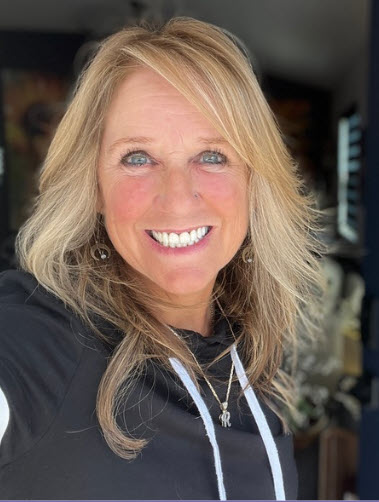
Realtor/ Author/Speaker
Robyn Cavallaro is a top-producing REALTOR® in The Villages, Florida, with over $110 million in sales and more than 300 closed transactions since 2020. She specializes in guiding buyers through the lifestyle, neighborhoods, home styles, bonds, fees, and hidden details that matter before making a move. Through video, education, and straightforward guidance, Robyn built a trusted brand in one of Florida’s most competitive retirement markets. Her approach is simple: educate first, sell second, and give clients the clarity they need to make confident decisions.