
Dominating Durbin Crossing, Building REMAX Welcome Home & Why She Bet on St. Johns County During the Rate Crisis | Laura Jean Ranneklev
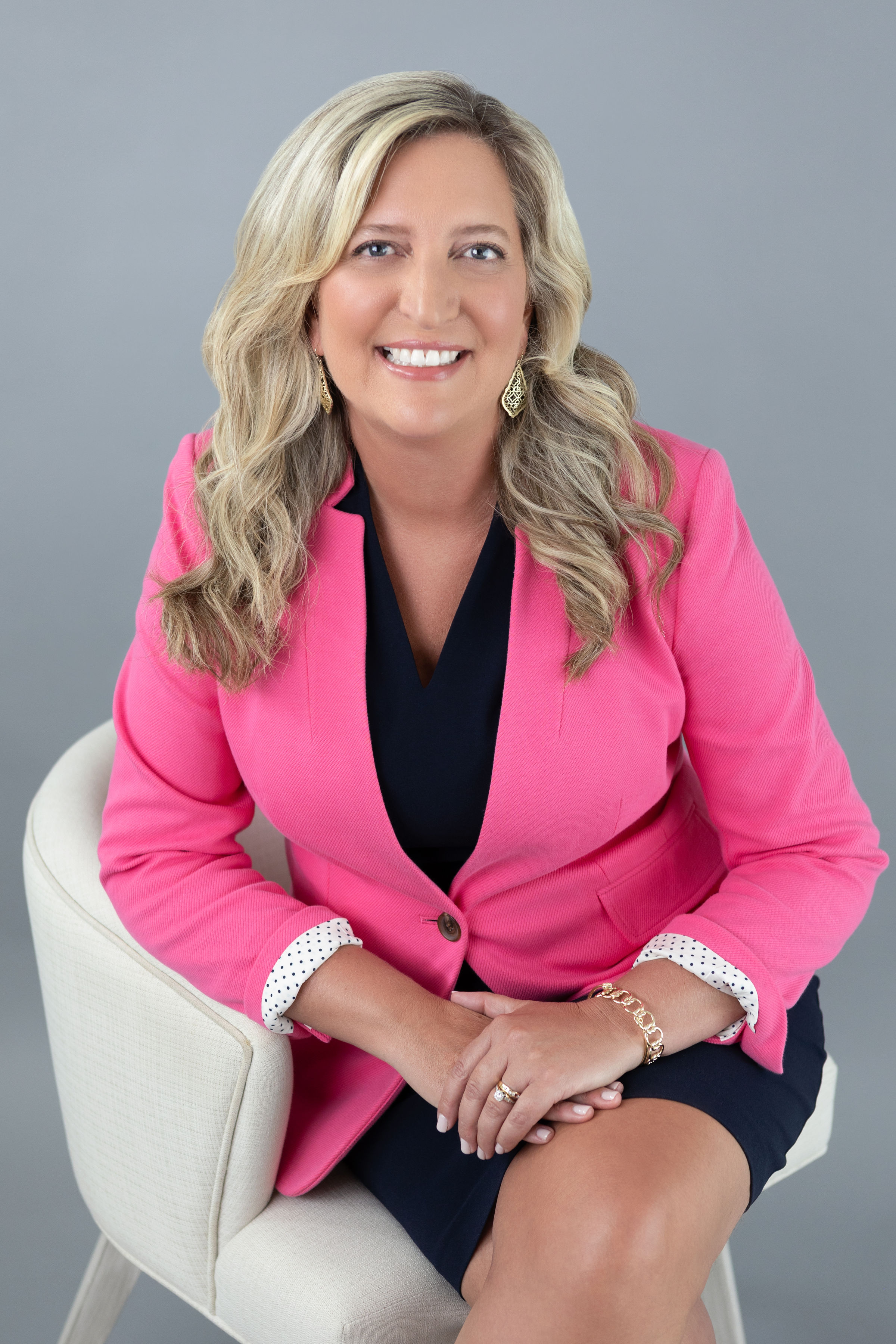
When tens of thousands of agents walked away from real estate during the 2023-2025 rate crisis, Laura Jean Ranneklev did the opposite. She opened her own brokerage — REMAX Welcome Home in St. Johns County — and went on to sell the six highest-priced homes in Durbin Crossing history.
In Episode 326 of the Real Estate Excellence Podcast, host Tracy Hayes sits down with Laura — a marketer, designer, and broker-owner who has spent nearly 20 years building one of the most recognizable personal brands in Northeast Florida. In her own neighborhood, they call her The Pineapple Lady. "They may not remember my name, but they remember that I love pineapples," she says. That's not an accident. That's brand discipline most agents never build.
Tracy and Laura cover everything an agent, buyer, or seller in St. Johns County needs to hear right now:
- Why she launched REMAX Welcome Home during one of the most volatile rate environments in decades — and how the REMAX/Real Brokerage merger announcement caught every broker-owner in the network by surprise
- How she came to dominate Durbin Crossing through consistency, neighborhood farming, and the Brian Buffini personal-touch system she's built her career around
- Why CDD fees aren't a tax — they're a lifestyle decision. "A CDD fee is just a tax to live in a neighborhood. It keeps the neighborhood looking nice and fresh."
- The First Coast Expressway warning every St. Johns and Clay County buyer needs: "If you have a property backing up to that First Coast Expressway, I just pray that your real estate professional shared that with you before you bought."
- How she uses AI, blogging, and hyper-local content to win Google and Gemini search results in 2026 — without the dancing videos and viral gimmicks
- What her SRES designation means for senior clients navigating downsizing in St. Johns County, and how the CLHMS designation shapes the way she markets luxury homes in Julin

 Apple Podcasts
 Spotify
 Overcast
 Castro
 PocketCasts
 RSS Feed
 As AI changes how consumers search for homes and choose agents, are real estate professionals adapting fast enough to stay relevant?
In this episode of the Real Estate Excellence Podcast, Tracy Hayes sits down with Laura Jean Ranneklev. Laura Jean Ranneklev is the broker owner of RE/MAX Welcome Home, a marketing expert, and one of Northeast Florida's top performing real estate leaders. In this conversation, she shares her journey of opening a brokerage during a challenging market, navigating major industry changes, and embracing emerging technology to create opportunities for agents and clients alike.
Laura dives deep into the growing impact of artificial intelligence in real estate, explaining how agents can use AI powered tools, blogging, video marketing, and hyperlocal content to build stronger brands and generate more business. She also discusses leadership, agent development, luxury marketing, and why staying involved with agents on a daily basis is critical for long term success.
If you enjoyed this episode, subscribe to the Real Estate Excellence Podcast, leave a review, and share this conversation with a real estate professional looking to leverage AI, marketing, and leadership to grow their business.
HighlightsTop of FormBottom of Form
00:00–04:30 RE/MAX Transition, Real Merger & Brokerage Growth
- Choosing RE/MAX
- RE/MAX–Real Merger
- Franchise Launch
- Brokerage Rebranding
- Technology Evaluation
04:31–09:32 AI's Impact on Real Estate & Business Strategy
- ChatGPT & Claude
- AI Marketing Tools
- Business Strategy
- Prompt Engineering
- Future of AI
09:33–23:14 Marketing, Lifestyle Selling & Hyperlocal Content
- Lifestyle Marketing
- Buyer Avatars
- Video Content
- Blogging & SEO
- Hyperlocal Branding
23:15–35:42 Laura's Journey into Real Estate & Leadership Philosophy
- Move from New York
- Real Estate Career Start
- Brokerage Experience
- Agent Mentorship
- Leadership Development
35:43–42:00 Technology, Agent Support & Building a Modern Brokerage
- Agent Coaching
- Brokerage Culture
- RE/MAX Technology
- Real Integration
- Leadership by Example
42:01–01:09:20 Market Expertise, Farming & Client-Centered Selling
- Market Timing
- Durbin Crossing Success
- Geographic Farming
- Personal Branding
- Client Education
Quotes:
"If you would've asked me what's the one thing that motivates me right now, I would say AI." – Laura Jean Ranneklev
"It really gets to know your personality, and then it's amazing the ideas that come back." – Laura Jean Ranneklev
"I think being a leader that's involved, a leader that leads by example, is very important." – Laura Jean Ranneklev
"It's not enough. If you're not going to use the tools that it can do, then it's just a static page." – Laura Jean Ranneklev
To contact Laura Jean Ranneklev, learn more about her business, and make her a part of your network, make sure to follow her website.
Connect with Laura Jean Ranneklev!
Website: https://www.REMAXwelcomehomeFL.com
Instagram: https://www.instagram.com/stjohnsflrealtorlaurajean/
Facebook: https://www.facebook.com/stjohnsflrealtorLAURAJEAN/
YouTube: https://www.youtube.com/@NorthFloridaRealEstate
Connect with me!
Website:
Website:
SUBSCRIBE & LEAVE A 5-STAR REVIEW as we discuss real estate excellence with the best of the best.
#RealEstateExcellence #RealEstate #LauraJeanRanneklev #RealEstateExcellence #REMAX #REMAXWelcomeHome #RealEstateMarketing #AIForRealtors #ArtificialIntelligence #LuxuryRealEstate #BrokerOwner #RealEstateLeadership #RealEstateTechnology #HyperlocalMarketing #ContentMarketing #VideoMarketing #BloggingStrategy #FloridaRealEstate #StJohnsCounty #AgentSuccess #RealEstateGrowth #DigitalMarketing
Are you ready to take your real estate game to the next level? Look no further than Real Estate Excellence - the ultimate podcast for real estate professionals. From top agents and loan officers, to expert home inspectors and more, we bring you the best of the best in the industry. Tune in and gain valuable insights, tips, and tricks from industry leaders as they share their own trials and triumphs. Whether you're a seasoned pro or just starting out, a homebuyer or seller, or simply interested in the real estate industry, Real Estate Excellence has something for you. Join us and discover how to become a true expert in the field.
The content in these videos and posts are for informational and educational purposes only. The information contained in the posted content represents the views and opinions of the original creators and does not necessarily represent the views or opinions of Townebank Mortgage NMLS: #512138.
REE #326
[00:00:00] Tracy Hayes: Hey, welcome back to the Real Estate Excellence Podcast. Between 2023 and 2025, tens of thousands of agents have walked away from the business. My guest today did the opposite. She opened her own brokerage in St. Johns County right in the middle of a rate crisis and went on to sell the six highest-priced homes in Durbin Crossing history.
[00:00:26] She's a marketer, a designer, broker-owner, and one of the sharpest minds in Northeast Florida real estate. Broker-owner of RE/MAX Welcome Home, Laura Jean Ranneklev.
[00:00:38] Laura Ranneklev: Oh—
[00:00:38] Tracy Hayes: Hi. Did I pronounce your last name—
[00:00:39] Laura Ranneklev: Yes. You did it great. Yes.
[00:00:43] Tracy Hayes: I—
[00:00:43] Laura Ranneklev: I always—I know, it's a mouthful. That's why I use the Laura Jean, because that's easier to remember.
[00:00:49] Tracy Hayes: I always prepare when someone's coming. I make sure I ask them about their last name, and I always forget to do that. Then I get here. So anyone who listens to me regularly knows I do that often.
[00:00:58] Laura Ranneklev: Yeah. No, that's great.
[00:01:00] Tracy Hayes: That—you—
[00:01:00] Laura Ranneklev: Did good.
[00:01:02] Tracy Hayes: Laura, appreciate you coming on. You've had some changes going on, jumping over to RE/MAX here.
[00:01:08] Laura Ranneklev: Yes. Exciting.
[00:01:10] Tracy Hayes: I wanted to jump right into it because, obviously, the whole Real involvement here—
[00:01:13] Laura Ranneklev: Mm.
[00:01:13] Tracy Hayes: All at the same time.
[00:01:16] Laura Ranneklev: Yes.
[00:01:16] Tracy Hayes: And when we went to your event, I think it was just last month at the airport, that had just gone down. I'm like, “Well, I gotta find out what's...” So tell us a little bit about your decision to choose RE/MAX.
[00:01:30] Laura Ranneklev: Mm-hmm.
[00:01:31] Tracy Hayes: And then, was Real in the picture when you initially started this conversation?
[00:01:35] Laura Ranneklev: No. Not at all. We were completely surprised. We had no idea. I was talking to RE/MAX as early as January of last year and investigating, learning the system, seeing what their technology is.
[00:01:50] AI and technology are a big topic for us nowadays, so I was doing a lot of research, and I kept coming back to RE/MAX.
[00:02:00] It's just amazing. You sign that franchise agreement in the summer, and you work towards your grand opening. Really, ours was April, but we signed for January. In January, we were working towards our goals to rebrand and create an environment for agents, and then we were surprised.
[00:02:21] I think everybody in the RE/MAX network was really surprised.
[00:02:25] Tracy Hayes: Overnight thing. Like, “Hey, tomorrow we're joining up with Real.”
[00:02:28] Laura Ranneklev: They didn't even give us any notice. All the broker-owners in our community—we have community chats and all—they were all surprised. We all woke up to an email.
[00:02:38] It was really funny. One of my agents reached out to me and said, “Laura, what's going on with Real?” And I'm like, “What? Oh, it's probably some hacker online that's just making things up.”
[00:02:52] But sure enough, it was Real. Real has bought—or is trying to—they haven't finalized everything yet until the fall. So we're still waiting to see exactly how it's going to look for all of us.
[00:03:06] Tracy Hayes: Well, I know Real's built on a platform of technology. That's really the founder's background.
[00:03:15] Having grown up in this business—and listeners, you've heard me before—I started at what is now Rocket, which was Quicken Loans.
[00:03:25] And even at that time, they saw themselves as a technology company that did mortgages because he's very well diversified in different businesses and revitalizing Detroit and all that kind of stuff.
[00:03:39] But that's really where a lot of the industry and real estate is going.
[00:03:46] We were talking a little bit before the show about how some agents are doing video and others don't know what they're doing.
[00:03:58] I think some of this technology stuff is actually paralyzing—
[00:04:02] Laura Ranneklev: People. It is. But then some are just embracing it and taking leaps and bounds above everybody else.
[00:04:10] I really think that comes back to who their leader is in their organization.
[00:04:15] As a leader in my group, I feel it's my responsibility to research, figure out how we can implement all these great tools, and really make a difference in our agents' lives and in our businesses.
[00:04:31] It really cuts down the time of a lot of work.
[00:04:34] Tracy Hayes: When we were talking about that, what you just said makes me think—I’ve told you some of the things I’ve been doing with AI. I’m deep in it.
[00:04:44] Now I'm using Claude. I started with ChatGPT. I actually use both because there are some things ChatGPT does better.
[00:04:49] People say, “Oh, they're using it as Google.” Yeah, and you can.
[00:04:56] It'll create an itinerary. Last year we were going to Hawaii. You say, “We're going to Hawaii. We're landing at this time. We're leaving at this time. We want to visit these places. Give me an itinerary of what you would do.”
[00:05:09] It knows the drive times.
[00:05:11] Laura Ranneklev: Very handy.
[00:05:12] Tracy Hayes: Yeah, because it's combing the internet.
[00:05:15] But there's so much it can do. I will recommend to anyone out there right now: if you're like, “Ah, you know, AI,” and you're not diving into it, get on YouTube.
[00:05:23] Laura Ranneklev: Yes.
[00:05:23] Tracy Hayes: Look up ChatGPT and LinkedIn. I showed you just a few minutes ago that I'm using Claude to analyze my YouTube page with a Chrome extension.
[00:05:35] I'm like—I'm 55 years old, going to be 56 here in a couple weeks.
[00:05:39] Laura Ranneklev: Yes.
[00:05:39] Tracy Hayes: But you have to embrace it.
[00:05:43] I want my son to start a club at his high school—an AI club.
[00:05:48] I'll bring in speakers for them remotely or whatever.
[00:05:52] Laura Ranneklev: Yes.
[00:05:52] Tracy Hayes: Because your kids need to get on it and learn how they can use it as a tool.
[00:05:58] Not to go off on too much of a tangent, some people are like, “Oh, you don't have to think.”
[00:06:02] It makes you think more.
[00:06:03] Laura Ranneklev: Absolutely.
[00:06:04] Tracy Hayes: It makes you think deeper. How much further can I go? You ask it one more question. What if we did this? How do we do that?
[00:06:13] Laura Ranneklev: Yes.
[00:06:13] Tracy Hayes: And you're finding out things that you normally wouldn't.
[00:06:13] Tracy Hayes: Ask about.
[00:06:14] Laura Ranneklev: And you know, if you would've asked me, "What's the one thing that motivates me right now?" I would say AI.
[00:06:20] Tracy Hayes: Mm-hmm.
[00:06:20] Laura Ranneklev: Spending time on it as much as I am, asking questions, investigating, and looking into things further—what's this, what's that—using all these prompts. It really gets to know your personality, and then it's amazing the ideas that come back. It just spurs on more conversation and more digging.
[00:06:41] Tracy Hayes: I think too many naysayers stop at the first response.
[00:06:44] Laura Ranneklev: Yeah.
[00:06:45] Tracy Hayes: They go—
[00:06:46] Laura Ranneklev: Or they do the pictures, right? "Make a caricature of me."
[00:06:49] Tracy Hayes: Well, I do use it every day to create some great marketing pictures.
[00:06:52] Laura Ranneklev: Yes.
[00:06:53] Tracy Hayes: I was talking to it about my business, and it was saying, "Well, how have you been acquiring..."
[00:07:00] I'm actually having a verbal conversation with it. I'll put it on while I'm driving and have a conversation with it.
[00:07:04] Laura Ranneklev: Absolutely.
[00:07:05] Tracy Hayes: It was asking me, "What's some of the agents that you've started doing business with recently? How did you get them?" Well, they had a problem with the loan they had.
[00:07:13] It said, "Well, that's your angle. Go after that for the next few weeks. Post..."
[00:07:19] So I've got this picture today of me basically as a Coast Guard rescue man. I'm coming down from the helicopter, and I'm saving this family who's sinking in their boat with their mortgage paperwork all around them saying, "Denied."
[00:07:30] Laura Ranneklev: That's awesome. But isn't that why we're all here? You want to help people. You want to give them a rescue. That's perfect.
[00:07:37] Tracy Hayes: Yeah.
[00:07:37] Laura Ranneklev: I think that's great.
[00:07:38] Tracy Hayes: It's gotten so much better, and the only way it gets better is if you start using it and make it part of your life.
[00:07:46] I know some people—there's a gentleman I interviewed last year who is a very young brainiac on this, for lack of a better term—and he talks about how he has conversations with it about his ideas.
[00:08:00] Laura Ranneklev: Yes.
[00:08:00] Tracy Hayes: He asks further questions, and then it'll ask you questions. So I think it empowers people to go further and ask things they may not have normally asked, or wanted to ask, but didn't know who to ask.
[00:08:15] Well, ask ChatGPT or Claude or Grok or whatever.
[00:08:17] Laura Ranneklev: Or even have the resources to find out. How do you find out all this information? ChatGPT can just give you a long list of information, and you can research and investigate it further. You can't trust it 100%, but it is pretty trustworthy.
[00:08:34] Tracy Hayes: It's like—I think someone said—you give it a math problem. It doesn't know two plus two is four. It evaluates the internet and comes up with a consensus that two plus two is four.
[00:08:46] That's how it thinks. It's basically combing the internet and bringing stuff up.
[00:08:51] But I asked it a question the other day. It was family-related, not having to do with our business.
[00:09:00] It brought up that in that state they have a small estate claim or something where you can basically be probated quicker if you have a small estate.
[00:09:08] Well, what's a small estate in that state?
[00:09:10] It explained it. Then I realized it didn't qualify because the estate was a little bigger than that and there was a house involved.
[00:09:17] But I wouldn't even know to ask that unless it had popped up and said something.
[00:09:17] Laura Ranneklev: Exactly. That's the beauty of AI. It's unstoppable.
[00:09:22] Tracy Hayes: Yep.
[00:09:22] Laura Ranneklev: But then how can you use that to grow your business? That's the biggest piece.
[00:09:26] Tracy Hayes: Let's dig in. What are some of the things you're working on, studying right now, or actively using it for in your business?
[00:09:33] Laura Ranneklev: Currently, we've developed a whole marketing company within our real estate brokerage. We are definitely fine-tuning it and developing it as we go.
[00:09:44] Right now, marketing for Realtors is so much more than just a single post or one video on a home.
[00:09:53] Tracy Hayes: Yeah.
[00:09:53] Laura Ranneklev: We talked about it before, too. Lifestyle is a key phrase. When somebody's looking for a purchase, especially a large purchase like this, they want to know the lifestyle around the home.
[00:10:06] So we've been working on not just one video for a house, but four or five videos per home.
[00:10:15] Tracy Hayes: Different angles.
[00:10:17] Laura Ranneklev: Yes.
[00:10:17] Tracy Hayes: Different approaches.
[00:10:18] Laura Ranneklev: Yes. Why would somebody pick this if they have kids? Who's your avatar customer? Make the videos for that avatar customer.
[00:10:26] Tracy Hayes: Mm-hmm.
[00:10:27] Laura Ranneklev: Whether it's the school systems, family life, recreation, or just the quietness of the neighborhood. All of that is so important.
[00:10:39] Tracy Hayes: Let's move this lamp here a little bit so it's shining differently on your face.
[00:10:42] Laura Ranneklev: Sure.
[00:10:48] Tracy Hayes: I was talking to Craig Kincheloe—he's over in Tampa. He was on a few episodes ago.
[00:10:56] He was talking about how he sold a property in the low millions, but he got extra money for it because he built the avatar.
[00:11:06] Now, he says AI had zero percent to do with that. Craig's been in the business 25 years, so he knows the neighborhood really well. He knows the questions.
[00:11:18] He is like AI.
[00:11:20] When you're a newer agent, you don't have his 25 years of experience to rely on.
[00:11:24] So when you're trying to find the avatar—
[00:11:29] I was born in New York.
[00:11:31] Laura Ranneklev: Right. Oh, me too.
[00:11:32] Tracy Hayes: Yeah. If you weren't born in New York, you may not understand New Yorkers.
[00:11:37] Laura Ranneklev: Right.
[00:11:37] Tracy Hayes: They're different.
[00:11:39] Laura Ranneklev: They are a different breed, but they are wonderful people.
[00:11:43] Tracy Hayes: Yes.
[00:11:44] And to have that chat—if someone from New York was moving down here, from Westchester County, Long Island, Nassau County, or Queens—what are the types of things they care about?
[00:11:57] I know my wife is from Jacksonville.
[00:12:00] The highways moving in—we've got one running right through the middle of St. Johns County.
[00:12:07] But people from Queens are used to that.
[00:12:09] Laura Ranneklev: Yes.
[00:12:09] Tracy Hayes: They're used to being able to reach out and touch their neighbor next door.
[00:12:15] Laura Ranneklev: Different biases than we would have, being here in Jacksonville for 20-plus years.
[00:12:20] Tracy Hayes: Exactly. So you have that conversation and say, "Help me work out a marketing plan. How would I do this?"
[00:12:30] You have that conversation, and it helps you ask the next question and dig deeper.
[00:12:33] Laura Ranneklev: Yes. That's where, as a leader in my organization, I really pride myself on spending time with my agents.
[00:12:43] I love helping them with their marketing plans. I love helping them with contracts and everything related to that.
[00:12:50] But I think the true specialty I bring to the table is that I'm a marketer.
[00:12:56] I started my career being a marketer for Ralph Lauren Jewelry in New York City.
[00:13:00] The tools and resources I established there, I brought into the real estate environment.
[00:13:05] Having our own marketing company within RE/MAX Welcome Home is so much more than flyers, brochures, and postcards nowadays.
[00:13:17] Tracy Hayes: Yes. I do want to go back to why you got into real estate—we're going to get there in a minute—but we're on this marketing thing because I think it's important.
[00:13:29] This is why Real is attractive to some places.
[00:13:34] I know my wife is at Compass, and she tells me what's going on there. They're technology-driven.
[00:13:43] The best brokerages right now are actually asking the question: What do the agents need?
[00:13:54] Laura Ranneklev: Mm-hmm. Yes.
[00:13:54] Tracy Hayes: Now you're running your own franchise.
[00:14:00] Laura Ranneklev: Yes.
[00:14:00] Tracy Hayes: How important is it for you to stay out in front of the agents and continue adding value? Retention is part of your success. You want to recruit an agent, but you also want to keep them long enough to bear fruit.
[00:14:14] Laura Ranneklev: Absolutely.
[00:14:15] Tracy Hayes: Besides the marketing piece, what are some of the other things agents need right now from their leadership and brokerage that continue to add value and make them want to stay?
[00:14:30] Laura Ranneklev: I think being a leader who's involved—a leader who leads by example—is very important.
[00:14:37] There are so many broker-owners in our market who sit in an office building and are not involved in the everyday life of a Realtor.
[00:14:47] Tracy Hayes: Yeah.
[00:14:47] Laura Ranneklev: Their sales associates at all. They don't know what's going on. They don't know what they're experiencing. They don't know what their hard days look like because they've lost touch. That's something I never want to do—is lose touch with what the agents in my office are feeling.
[00:15:05] A lot of them right now just want somebody to take care of the marketing for them. They all know that they need it, but they'll say, “Laura, can you handle that for me?”
[00:15:15] Absolutely. That's what our goal is: to develop systems and programs so that we can plug and play.
[00:15:23] I use myself as an example. I'm the one going out doing crazy videos on restaurants, highlighting Durbin Pavilion, talking about new listings and neighborhoods, because I want to lead by example.
[00:15:38] If I have success with a video that I'm doing, I can replicate that for my agents and encourage them to do the same.
[00:15:45] Tracy Hayes: We were talking before the show about Reed Tomato—to give them a plug.
[00:15:49] I guess some people, if they've listened to any of the last five or six episodes, know that a lot of the questions we get into are developed from your information.
[00:15:58] Taking AI—not to create answers—but to create questions that are going to be hyperlocal, hyper-focused, and hyper-current.
[00:16:07] That's what AI is looking for when someone is using it as Google. People are going in now and saying, “Hey, I want to move to the best school district in Florida. Where is that?”
[00:16:18] St. Johns. Then it's going to tag references.
[00:16:21] “What neighborhoods do I want to live in? What school in St. Johns County is the best school? High school, middle school, academy, whatever it is.”
[00:16:35] The importance of creating content that is heading in that direction—
[00:16:43] Laura Ranneklev: Yes.
[00:16:44] Tracy Hayes: Tell me your thoughts. How important is that for agents moving forward?
[00:16:49] Laura Ranneklev: It's extremely important. That's why I bought the franchise for RE/MAX, because RE/MAX has a platform that helps agents with blogging and website design. It's powered by BoldTrail.
[00:17:02] Tracy Hayes: Mm-hmm.
[00:17:03] Laura Ranneklev: You can buy BoldTrail on the open market, but it's very costly. By affiliating with RE/MAX, you get it at a drastic reduction in price.
[00:17:12] A lot of RE/MAX brokers in our market and throughout Florida don't know how to use BoldTrail.
[00:17:20] By coming into this market and really promoting what that technology is—and the power of blogging—a lot of folks don't even know that you can have your own blog right there on your platform.
[00:17:32] That's something we're exploring every week. We have a trainer who works with us, and she's helping us develop personalized, hyperlocal blogs for each of our areas.
[00:17:45] Tracy Hayes: When I hear the term “blog,” we've heard it for 20-plus years.
[00:17:52] You're like, “Who would be a blogger?” You don't even pay attention to it.
[00:17:57] It's actually now coming of age. A lot of people think blogging was 20 years ago. Well, blogging's back because AI—
[00:18:09] Laura Ranneklev: Yes.
[00:18:10] Tracy Hayes: AI's number one resource right now is Reddit.
[00:18:14] Laura Ranneklev: Yes.
[00:18:14] Tracy Hayes: They're going on there and reading the blogs.
[00:18:18] Going back to your marketing and website strategy, you're in line with what I was talking about with my friend Jim Cronin at Reed Tomato.
[00:18:29] If you really want to be effective, just tagging onto the broker's website—remaxwelcomehome.com—and having your static page isn't enough.
[00:18:43] Laura Ranneklev: It's not enough.
[00:18:45] We supply a great BoldTrail website for all our agents, but if you're not going to use the tools it offers, then it's just a static page.
[00:18:57] Tracy Hayes: Are they able to create their own domain? Like SallySmithRealtor.com?
[00:19:02] Laura Ranneklev: Yes.
[00:19:05] Tracy Hayes: Because things are happening so fast.
[00:19:12] Laura Ranneklev: Very fast.
[00:19:13] Tracy Hayes: You have the social media craze, but if you're not a video person—or you don't want to pay a videographer for the fancy production—you could spend half as much money and have someone create AI-powered, hyper-focused blogging.
[00:19:33] Laura Ranneklev: Yes.
[00:19:34] Tracy Hayes: Then keep posting that content on your website.
[00:19:38] If you're doing video too, you should be posting that on your website as well as your YouTube page.
[00:19:43] You need to create those cross-links and keep all that traffic flowing.
[00:19:45] Laura Ranneklev: That cross-linking is so important.
[00:19:48] That's what gets me so excited. I've seen agents come in with nothing, starting from scratch, and then their business evolves and changes.
[00:19:58] One great example is an agent I have with a luxury property on the river. It was quiet. We hardly got any traction.
[00:20:05] Then we started doing special promotion for it—blogging and talking about it on different levels.
[00:20:12] Now we get tremendous engagement on that property.
[00:20:18] Tracy Hayes: What are some of the key things that were important in those lifestyle blogs that people responded to?
[00:20:38] Laura Ranneklev: I think it's the value of the property.
[00:20:41] Why would somebody pay four million dollars plus for this property in our area?
[00:20:46] Jacksonville has a lot of gorgeous waterfront land, but why this particular one?
[00:20:54] We went into the history of the property. We talked about what made the area so special.
[00:21:00] Then we layered that with a target buyer. Who would be interested in this property and its history?
[00:21:10] Tracy Hayes: You've got a four-million-dollar property. That's a very limited crowd.
[00:21:13] Laura Ranneklev: Very limited.
[00:21:15] Of course, we had to target outside markets, but I'm happy to say that a potential buyer is actually right here in our local market.
[00:21:26] So that's exciting.
[00:21:29] Tracy Hayes: If you go online right now and ask, “What's the best Realtor in my area?” or “Tell me about Julington Creek Plantation” or “Tell me about World Golf Village,” you'll notice something.
[00:21:53] Especially with Google Gemini. It'll give you an AI-generated answer and then cite sources.
[00:22:11] The majority of those sources are blogs.
[00:22:16] Laura Ranneklev: Yes. Blogs and Reddit, like you said.
[00:22:18] Tracy Hayes: Yep.
[00:22:19] Laura Ranneklev: It's amazing. I never really thought much about Reddit. My son looks at it all the time, so it got my attention.
[00:22:27] You really need to be on all platforms.
[00:22:29] Tracy Hayes: Anyone with some practice can write blogs.
[00:22:35] Laura Ranneklev: Yes.
[00:22:35] Tracy Hayes: Because AI will do it for you.
[00:22:37] Laura Ranneklev: AI is a great tool. You can tell it to include SEO keywords, create a sophisticated and professional tone, and be very specific with the output.
[00:22:51] Tracy Hayes: Or you can hire someone like Jim Cronin at Reed Tomato and use their Hot Take Engine to create highly focused AI-generated content from a professional.
[00:23:00] Just like you'd hire a professional to do your videos or build your website, you can hire someone to make sure your blog is hyper-focused and helping drive AI search visibility.
[00:23:13] Laura Ranneklev: Absolutely. Very important.
[00:23:15] Tracy Hayes: Let's jump into how you ended up getting into real estate.
[00:23:20] Obviously, you said you were in New York working for Ralph Lauren.
[00:23:23] Laura Ranneklev: Ralph Lauren.
[00:23:24] Tracy Hayes: Right.
[00:23:24] Laura Ranneklev: Yes. I loved my career.
[00:23:27] My husband got a job transfer. He was traveling all over the world, and our kids were getting older.
[00:23:34] He was offered an opportunity to move down here by one of the major banks in town.
[00:23:40] They brought us here and gave him a great position.
[00:23:43] For him, it was a quality-of-life change.
[00:23:46] If you know the New York City lifestyle—
[00:23:50] Tracy Hayes: Oh, yeah.
[00:23:51] Laura Ranneklev: We lived in Westchester County.
[00:23:54] Tracy Hayes: I was born in Peekskill.
[00:23:55] Laura Ranneklev: That's where I was—oh my goodness. I was born in Mount Kisco.
[00:23:58] Tracy Hayes: Okay.
[00:23:58] Laura Ranneklev: Yes. We know the area well.
[00:24:00] In that area, you're constantly thinking about Metro-North and getting on the train line.
[00:24:07] My husband would commute about an hour and a half each way by train.
[00:24:09] Tracy Hayes: Yeah.
[00:24:09] Laura Ranneklev: Plus there were always things happening—weather, strikes, different issues that come up in New York.
[00:24:17] It was taxing.
[00:24:19] Plus, with all his travel, moving here meant he could drive to work and our kids could have a better family lifestyle.
[00:24:24] Tracy Hayes: Home for dinner.
[00:24:25] Laura Ranneklev: He could be home for dinner. Yeah. And he could be involved in their sports because, if anybody knows my husband, it's all about sports.
[00:24:36] So that was very important for us as a family.
[00:24:39] We're a Christian family, so that means a lot. We want to be involved in our community and really be a foundation for our family.
[00:24:48] When we first came here, I was a stay-at-home mom, and I was looking around wondering, “Where are all the other stay-at-home moms?” I guess in my area there just weren't many.
[00:25:00] I remember asking my husband, “Do you mind if I go get my real estate license? I need to be around people.”
[00:25:08] I'm a very people-oriented person. I love people, and I have a lot of energy, so I'm always researching or finding something.
[00:25:13] Tracy Hayes: Was real estate something you'd thought about for a period of time, or did you just see it and think, “Hmm, that looks interesting?”
[00:25:19] Laura Ranneklev: I've always loved design. Marketing gave me those creative design outlets.
[00:25:27] But most important to me is interior decorating, staging, and all of those things that go with a home.
[00:25:36] That's what drew me to real estate. I wanted to help people find the right home because I had such a great experience finding our home here in St. Johns.
[00:25:48] It naturally led me to think about real estate.
[00:25:52] I really didn't have any prior experience. I was an assistant for an agent in New York, and it looked fun, so I figured, “I'll try it.”
[00:26:03] Tracy Hayes: Okay, so you had some working knowledge of what goes on.
[00:26:07] You jump in, get your license, and sign up with your first brokerage. How did you choose that first brokerage?
[00:26:13] Laura Ranneklev: I just went with what was popular in New York.
[00:26:16] I picked a big-box brand that I knew and felt comfortable with.
[00:26:21] That brand here in this market went through a lot of changes. Ownership changed hands several times along the way.
[00:26:30] So honestly, I picked it somewhat randomly because I recognized the brand.
[00:26:34] Tracy Hayes: To bring the marketing piece into that, in today's world with technology and everything else, how much of the customer decision comes from the brokerage brand—Keller Williams, RE/MAX, Compass, and so on—versus the actual agent?
[00:27:01] Laura Ranneklev: It's truly the agent themselves.
[00:27:05] I've been with another big-box company. I've been with virtual organizations like eXp. I was also an independent.
[00:27:17] So I feel like I have a nice mixture of experience.
[00:27:21] As an independent agent, you can only go so far.
[00:27:25] You do need brand awareness when people are moving into our market.
[00:27:30] If you're only selling in a hyperlocal area, it doesn't matter as much what brand you're with.
[00:27:36] But if you're looking to attract customers from outside markets, the brand gives you credibility.
[00:27:43] It also helps with technology and resources.
[00:27:48] As I mentioned before, I was trying to buy all these resources for my agents myself, and it became too costly.
[00:27:56] These larger brands package those resources in a more affordable way.
[00:28:00] Some agents feel the big-box model isn't affordable, but at RE/MAX we try to make it as affordable as possible.
[00:28:10] Tracy Hayes: Let's talk a little about that from the commission-split standpoint.
[00:28:17] There are a lot of agents who probably failed because they chased the split instead of the support.
[00:28:25] Instead of focusing on the tech stack, mentorship, or whatever help was available.
[00:28:31] I think newer agents really need guidance.
[00:28:37] Some people get into the business and are naturally going to succeed, but most aren't. That's why so many fail.
[00:28:53] They really need a broker, mentor, or leader who's going to guide them.
[00:29:00] Laura Ranneklev: Yes.
[00:29:01] Tracy Hayes: ChatGPT isn't going to tell them everything they need to know about becoming a great real estate agent.
[00:29:09] I guarantee one of the first things it'll tell you is to find a mentor.
[00:29:16] Laura Ranneklev: Absolutely.
[00:29:17] That's the problem. So many people chase the split.
[00:29:22] We have companies in town where that's all they promote.
[00:29:28] But there's so much more to this business than that.
[00:29:33] That's why we've developed a commission plan that's very competitive with those 100% models.
[00:29:41] I say we're 100% at RE/MAX Welcome Home.
[00:29:45] We do have a 5% franchise fee and a monthly fee.
[00:29:50] But that monthly fee covers your technology.
[00:29:54] I describe it as your storefront.
[00:29:57] You want people to come into your store and look around, and your website is that storefront.
[00:30:05] If you don't have a storefront, how can people come look around and get to know you?
[00:30:08] Tracy Hayes: They can't.
[00:30:10] If you're out there on your own, large corporations have entire departments researching the best technology, the best CRM, and the best tools.
[00:30:23] They've already done that research.
[00:30:25] They also negotiate at the enterprise level, which lowers the cost.
[00:30:30] That has value.
[00:30:33] Laura Ranneklev: Yes.
[00:30:34] Tracy Hayes: A lot of people see the commission check after a closing but don't think about the cost of doing business.
[00:30:47] They don't ask where they can generate more business.
[00:30:52] I imagine part of your coaching involves helping agents understand what they do best and what they should leave to the marketing team.
[00:31:02] Laura Ranneklev: Exactly. We can't wear every hat.
[00:31:06] That's where a lot of Realtors go wrong.
[00:31:09] They're trying to be the transaction coordinator, marketer, stager, designer, buyer's agent, seller's agent—
[00:31:18] Tracy Hayes: Marriage counselor.
[00:31:20] Laura Ranneklev: Exactly. Marriage counselor too.
[00:31:23] There's just too much to juggle.
[00:31:26] That's why teams have become such an important focus in our industry.
[00:31:31] We try to create an environment that helps people build teams because most Realtors need help.
[00:31:39] There are a few exceptional people who can wear all the hats, but most need guidance.
[00:31:47] That's what we try to provide.
[00:31:50] I've always appreciated the mentors I've had along the way.
[00:31:56] One of them has passed away, but another is still with me in my referral company.
[00:32:05] I always remember the love and care she gave me when I was starting out.
[00:32:12] I try to think about how I can be that person for someone else.
[00:32:21] Tracy Hayes: For agents who are getting into the business, thinking about getting into it, or maybe have been in it for two or three years and are just treading water—
[00:32:34] The importance of finding the place where they fit.
[00:32:38] You've worked at different brokerages. You've been with eXp.
[00:32:44] Every office operates differently.
[00:32:48] The leaders, brokers, and top producers shape the culture and mindset.
[00:32:57] The importance of finding a brokerage that fits the way you do business—and finding a leader who can help bring out your strengths.
[00:33:08] Many newer agents don't yet know what their strengths are because they haven't done enough business.
[00:33:17] A broker or mentor can help them figure out what they naturally do well.
[00:33:24] Maybe it's door-knocking. Maybe it's phone calls.
[00:33:31] Ricky Carruth would tell you he loves pounding the phones.
[00:33:40] Other people love creating videos.
[00:33:46] Whatever it is, agents need to discover what they do best.
[00:33:53] As a leader, that's now your responsibility with every new agent you bring into your franchise.
[00:33:59] Laura Ranneklev: Yes.
[00:34:00] That's why I always ask anyone affiliating with us, “Can I have at least two days with you?”
[00:34:08] Maybe three to four hours each day.
[00:34:12] Tracy Hayes: Mm-hmm.
[00:34:12] Laura Ranneklev: That's our time together.
[00:34:15] I look at where they've gotten business before, help them think of new ways to generate business, and share our story and what we can do to help move them forward.
[00:34:29] A lot of people are recruited by recruiters and then simply handed off to a manager.
[00:34:37] I remember being a recruiter for a large brokerage in town.
[00:34:42] I couldn't spend the time with agents the way I wanted because I had to hit recruitment numbers for the next month.
[00:34:50] Personally, I love having time with agents to mentor them.
[00:34:56] I always challenge them to read books.
[00:35:00] Reading is key to expanding knowledge.
[00:35:04] Blogs and podcasts are great when you're on the go.
[00:35:08] But there is incredible material in books that I encourage agents to study.
[00:35:16] They're only as good as the information they've acquired.
[00:35:21] It's not just about knowing contracts.
[00:35:25] It's about becoming a dynamic person with negotiation skills, personality development, and the ability to help clients see things they may not recognize on their own.
[00:35:39] It's a very involved process.
[00:35:42] Tracy Hayes: I'm going to jump into our pre-programmed questions now and really dig in.
[00:35:49] But for anyone listening in Northeast Florida, if things aren't clicking at your current brokerage—or if you're new to the business—Laura's information will be in the show notes.
[00:36:01] If you're watching, you'll find her contact information nearby.
[00:36:07] Reach out and see what she's building at RE/MAX Welcome Home and what her vision is.
[00:36:15] It's fresh and new.
[00:36:18] One question that came up: you talked about the RE/MAX website technology, but now Real enters the picture.
[00:36:25] What are some things you're seeing from Real's technology side?
[00:36:35] Laura Ranneklev: It's a whole technology suite.
[00:36:39] It's a different way of doing business on the back end.
[00:36:43] I think the entire transaction process is going to change for our agents.
[00:36:50] We just signed on with RE/MAX in January, so we're only now getting our back-office system connected, which is powered by BrokerMint.
[00:37:00] Our agents are beginning to learn that platform.
[00:37:04] Then in the fall, we'll probably have something else as part of the Real integration.
[00:37:10] Everything I've seen about the RE/MAX and Real merger suggests we'll continue operating as two separate brands.
[00:37:17] Tracy Hayes: With some shared back-office functionality?
[00:37:18] Laura Ranneklev: Yes. Some overlap in back-office technology.
[00:37:21] Laura Ranneklev: Because that's the secret sauce, I think, to both companies.
RE/MAX has the prestige of being the top producer brand. We sell the most real estate in our market. We're known for professionalism, loyalty, and incredible brand recognition.
You just need to see the balloon and people know exactly what it is.
[00:37:45] Tracy Hayes: It was either the Century 21 gold jacket or the balloon.
[00:37:48] Laura Ranneklev: Or the balloon. It's iconic.
That's why we had the big balloon at our grand opening. It was wonderful to have the hot air balloon here in Northeast Florida.
[00:37:57] Tracy Hayes: Mm-hmm.
[00:37:57] Laura Ranneklev: Overall, we're still wondering what's going to happen.
As a broker-owner, I haven't received anything indicating major changes. It's going to be RE/MAX as we know it, but better, with some added technology.
Like everything else in this industry, things are evolving and growing.
[00:38:20] No matter what brand you're with, you're going to have to learn new technology because every brand is evolving.
[00:38:27] Tracy Hayes: And you don't want to say that in a way that puts fear into people, because I think it does.
[00:38:34] Laura Ranneklev: Yeah.
[00:38:34] Tracy Hayes: Angela Walker was on the show last year. She has a radio show and moved from Watson to Christie's.
One thing she talked about was the technology challenge.
She's a senior agent who's been in the business for at least 30 years. She said, “You know what? I don't even care how to use all of it.”
They've got assistants and transaction coordinators who know Dotloop and all the systems.
She wanted to focus on what she does best—being client-facing, selling real estate, and doing the relationship work.
[00:39:25] There are smart people who love sitting in cubicles and building this technology.
It takes so much pressure off agents.
You have to embrace technology because once you start using it—or your assistant starts using it—you realize how much easier it makes everything.
I had ListedKit on the show not long ago. You can scan a contract into it, and it automatically reads the contract, populates your calendar, sets deadlines, and checks compliance.
That technology is already here, and it's becoming mainstream.
If Real doesn't already have it, I'm sure they're working on it.
[00:39:54] Laura Ranneklev: Yeah.
[00:39:55] Tracy Hayes: Yeah.
[00:39:55] Laura Ranneklev: That's the beauty of being backed by such a powerful brand.
Our systems are already doing things to that degree.
I just don't think they've been talked about enough.
RE/MAX has so much to offer, and for the longest time it felt like a quiet brand in our market.
[00:40:16] Tracy Hayes: A good friend of mine in IT once pointed out something that sounds obvious but a lot of people don't understand.
There's a disconnect between what salespeople need and what IT people can create.
When you bridge that gap, great things happen.
The Real and RE/MAX partnership gives RE/MAX a superpower because now you have this technology-focused partner.
You want the company behind you to be technology-focused.
There are a lot of organizations with too many layers between the salespeople and the technology teams, and things get watered down.
But when you can call the technology people directly, and they fix problems because that's what they love doing, it makes life much easier for the people out in the field.
[00:41:20] Laura Ranneklev: Absolutely.
I think that's one of the biggest differences with an organization like mine—the personal touch.
I hear over and over that many brokers in our market don't even know how to use the technology they offer their agents.
[00:41:36] Tracy Hayes: Yeah.
[00:41:36] Laura Ranneklev: I will never be that type of broker.
[00:41:39] Tracy Hayes: Tom likes to say, “You've got to keep your hand on the electric fence.”
[00:41:43] Laura Ranneklev: Yes.
[00:41:43] Tracy Hayes: If a broker gets too far removed from production, they lose touch.
Now, there are brokers who don't actively produce but still stay connected.
But a lot of them become disconnected from the reality of what's happening in the field.
All right, let's jump into our questions.
[00:42:00] You've launched RE/MAX Welcome Home during one of the most volatile interest-rate environments in decades.
What made you double down on St. Johns County at exactly that moment rather than wait for the market to stabilize?
[00:42:13] Laura Ranneklev: If I had waited, I'd still be waiting.
When is the market ever completely stable?
Looking back, people thought I was crazy.
“Laura, you're starting your own company during COVID?”
And I said, “Yes. This is the time.”
[00:42:32] It was like a pause in the market.
It gave me time to create a business plan, lay everything out, and study.
I studied constantly during that period.
That's the big difference. I was able to create something while everyone else was watching Netflix or just hanging out.
[00:42:52] I kept working and took advantage of the opportunity.
As for rates now, who knows what's going to happen next?
[00:43:03] Tracy Hayes: With rates, it's a lot like buying a home.
People always ask, “Is now the right time to buy?”
The rates are high, but rates can be refinanced.
That old saying—“Marry the house, date the rate”—is true.
Right now, rates are higher, so people think they'll wait.
But because of that, there are fewer buyers and less competition.
Inventory is at a decent level.
It's a buyer's market.
Now is the time to buy.
You could save twenty or thirty thousand dollars because the difference in the interest rate won't necessarily offset that savings over the next year or two.
[00:43:44] Laura Ranneklev: Exactly.
People don't always know how to do the math.
That's why it's important to align yourself with a great lender partner who can help explain it.
Someone might pay less for the house today but have a higher rate.
During COVID, I had 16 offers on one house.
[00:44:11] Tracy Hayes: Mm-hmm.
[00:44:12] Laura Ranneklev: That happened multiple times.
Yes, buyers had lower interest rates then, but they were paying way over asking price and facing tremendous competition.
[00:44:22] Tracy Hayes: How many buyers got frustrated because they lost out again and again?
[00:44:26] Laura Ranneklev: So many.
Everyone was excited because there were buyers everywhere, but we couldn't get them into houses because of all the bidding wars.
[00:44:39] Tracy Hayes: Yeah.
[00:44:39] Laura Ranneklev: I'd much rather have the environment we have now.
I have hope that mortgage rates will come down.
Not back to the 2% range from years ago—that era is probably gone—but I'm not a mortgage professional.
[00:44:58] Tracy Hayes: We probably kept rates there too long.
Everybody was happy while it lasted, but now we're dealing with the aftermath.
It's not catastrophic, but it's definitely slowed things down.
People always compare today to yesterday's market.
[00:45:21] Laura Ranneklev: That's why I love the area we're in.
You have to look beyond the rate and beyond the price of the home.
You need to focus on the lifestyle and why people choose our area.
I constantly get calls from people who say they need to be here.
[00:45:36] Tracy Hayes: That leads perfectly into the next question.
You've sold the six highest-priced homes in Durbin Crossing history.
How did that kind of dominance in one neighborhood happen?
[00:45:47] Laura Ranneklev: It happened because I live in Durbin Crossing.
I've been invested in that community since it started.
We were among the first homeowners there.
I genuinely love the community.
I market to that community and have farmed it throughout my entire career.
[00:46:05] I've been in real estate for 20 years.
Durbin Crossing began around 2007 or 2008, right when I was getting started.
I've been there for the long haul.
I think consistency in marketing and deep knowledge of the neighborhood made the difference.
[00:46:35] Tracy Hayes: Let's talk about farming.
I don't think enough agents truly focus on a specific area.
You can make a very good living becoming an expert in a handful of subdivisions that are all within walking distance of your home.
[00:47:23] Laura Ranneklev: That's the beauty of it.
I don't have to drive far.
If I'm doing an open house or showing property, it's right around my home.
It's convenient, and I'm personally invested in maintaining strong home values.
That's one reason I've pushed so hard for higher sale prices.
[00:47:45] I'm not going to give up easily in negotiations.
I want the seller to net the most possible because it helps everyone involved.
[00:47:55] Tracy Hayes: What are your top one or two farming techniques?
Are you a postcard person?
What are you coaching your agents to do?
[00:48:09] Laura Ranneklev: The biggest thing is Brian Buffini's “item of value” concept.
I'm a Brian Buffini girl.
That's another reason I chose the RE/MAX brand.
There's a strong connection between Brian Buffini and RE/MAX.
[00:48:25] The consistency of sending something out regularly, along with a personal note, is key.
A lot of people skip the personal note, but that personal touch really matters.
[00:48:46] Tracy Hayes: And consistency matters too.
You can't do it for two months and expect the phone to start ringing.
It might take six months or a year before momentum builds.
[00:49:23] Laura Ranneklev: Exactly.
Consistency starts with your brand.
As a marketing person, that's always where I begin.
You need a personal brand, not just the big-box brokerage you're affiliated with.
[00:49:37] In my neighborhood, I'm known as the “pineapple lady.”
People may not remember my name, but they remember that I love pineapples.
It's tied to hospitality, welcoming people, and the values I represent.
[00:49:54] People remember it.
It's a memory trigger.
I use it throughout my marketing and conversations.
[00:50:00] I talk about what the pineapple symbolizes and how it influences my business.
That's how people connect the symbol back to me.
[00:50:16] Tracy Hayes: Laura, what's a deal, client situation, or moment from the last month that's still sitting with you—something that reminded you why this work matters?
[00:50:27] Laura Ranneklev: I had the opportunity to help someone sell a home after going through a very difficult divorce.
I met her through my church.
[00:50:41] My first instinct was simply to go help her pack.
I didn't know what I was walking into.
Listening to her heartbreak and her struggles deeply affected me.
At first, I was there to help and be a light in her life.
Then it became clear she also needed help selling her house.
[00:51:10] I had no idea that would be the outcome when I first walked in.
I'll never forget her.
She became a very special person in my life.
She encouraged me just as much as I encouraged her.
[00:51:24] Through the transaction, we worked together and got top dollar for her home.
Of course, it was in Durbin Crossing.
It was a beautiful home.
[00:51:37] When you help someone through a difficult time like that, you can't help but develop deeper empathy and compassion.
[00:51:52] I think that empathy makes you a stronger real estate professional.
[00:52:08] Tracy Hayes: Good answer.
This next question gets into inventory.
Would you say inventory is up, down, or moderate right now?
[00:52:19] Laura Ranneklev: My professional answer is always, “It depends on the area you're referencing.”
[00:52:25] Tracy Hayes: Exactly.
That's why I'm asking.
The question says sales are up and inventory is down, but I think it depends on the price point.
In St. Johns County, lower-priced homes tend to get snapped up immediately.
Either buyers jump on them right away or investors buy them as rental properties.
[00:52:47] Laura Ranneklev: Exactly. But you know what? It always comes down to condition. The houses that are in fabulous condition, like model-like homes, those are the houses that are selling. And it's not just the condition of, you know, the latest floor covering or kitchen cabinet color. I'm talking about furniture. They're actually decorated and—
[00:53:09] Tracy Hayes: Staging is very important then.
[00:53:11] Laura Ranneklev: Very important. You could take a home that maybe isn't the most updated in the paint color and cabinet color, but you put some really updated, nice, modern finishes of furniture in there—oh my, it will capture people's attention.
[00:53:28] Tracy Hayes: Yeah. Yeah. Yeah. Well, the audience today, for the most part—I mean, there's always somebody out there looking for a project to do. But you can't really market to those people. The masses really want a turnkey situation.
[00:53:47] Laura Ranneklev: Yeah. One thing that I see over and over is customers really don't have vision. They can't see what a house could be.
[00:53:55] Tracy Hayes: Mm.
[00:53:55] Laura Ranneklev: So that's where we go back to AI. AI's incredible. You need to take those photos that you have of your listing and put them in AI, and tell AI to redesign the kitchen with white cabinets and stainless steel appliances or brass-tone finishes. You need to do those pictures and put them out on the multiple listing service as an option. Of course, you always have to disclose that it's a virtually enhanced, AI-generated image, right?
[00:54:26] Tracy Hayes: Well, I had Layla Hassan on the last episode last week.
[00:54:33] Laura Ranneklev: Mm.
[00:54:34] Tracy Hayes: Like you were talking about with your $4 million property.
[00:54:37] Laura Ranneklev: Yeah.
[00:54:37] Tracy Hayes: What she did is had AI put a house on it.
[00:54:40] Laura Ranneklev: Yes.
[00:54:40] Tracy Hayes: And what this lot could look like.
[00:54:42] Laura Ranneklev: Yes.
[00:54:42] Tracy Hayes: Then people started responding because it had been sitting there. No one had the vision that you're talking about.
[00:55:00] Laura Ranneklev: Yes, and vision is so important, and we're the givers of that vision.
[00:55:04] Tracy Hayes: Mm-hmm.
[00:55:04] Laura Ranneklev: That's why lifestyle videos are so important. People can't have a vision of what their lives would look like for that specific community. Vision is so important, just as a leader. I feel I'm supposed to have vision for the entire organization, but then I really think my responsibility is to train the agents to have the vision for their customer and for the market. Where are these neighborhoods going? How can we help the neighborhoods stay very lush and beautiful?
[00:55:35] Tracy Hayes: Well, it goes back to your lifestyle term.
[00:55:37] Laura Ranneklev: Mm-hmm.
[00:55:38] Tracy Hayes: These people moving—especially if they're moving from out of state—have a lifestyle vision of what it's going to be like to live in Florida. It's in their mind. So you need to find out what that is and paint that picture for them to match them up. When a seller thinks their home is ready to list and you walk through it, what are you actually seeing that they're missing?
[00:56:01] Laura Ranneklev: A lot of times what I'm seeing is extra furniture that does not need to be there. A lot of times you just have a piece of furniture in your house because your grandmother gave it to you, or it was always there. You've lived with that piece of furniture in that location for the past 10 years, and you just don't see it anymore. I think our responsibility is to come in and really make homes look open, fresh, and inviting. The best way to do that is to really look at the home furnishings themselves, but then also the furniture placement is very important.
[00:56:38] Tracy Hayes: Yeah. Just living in your house, you don't realize the piles of junk that sit there for a while. It's like, when was the last time I did something about that? Or the kids' toys.
[00:56:50] Laura Ranneklev: Yes.
[00:56:50] Tracy Hayes: My kids are now teenagers. It's like, “Hey, you guys haven't touched this stuff in years.” Or clothes in your closet. That's another one.
[00:56:58] Laura Ranneklev: And you know, that's why I love one thing that we do in our community: the community yard sales. That's such a great time to go through and get rid of your unwanted items. But then we follow it up. We have a partnership with Haven Hospice that actually comes around with a truck and will pick up your unwanted items. So if you couldn't sell them in your yard sale, then at least you can donate those items so that they stay out of your house. That's something we really value in our neighborhood.
[00:57:29] Tracy Hayes: Oh. When a buyer falls in love with a home in Durbin Crossing or Julington Creek, how do you walk them through the real monthly cost with CDD fees, HOA fees, all of it?
[00:57:40] Laura Ranneklev: Yeah, that's a topic we get a lot—talking about what a CDD fee is. A lot of times, most people don't realize there are two parts to the CDD fee. So it's such a misnomer when people say, “Oh, the bond's paid off. The CDD fees are all paid off.” Well, that's not the case because there's still that operations and maintenance portion.
I think as an agent, we need to educate ourselves on what those fees are and what they include. Each community includes different things. But when I'm working with a customer, I just say a CDD fee is a tax to live in a neighborhood. It keeps the neighborhood looking nice, fresh, and clean. It kind of eliminates some of those investors that come in because it really throws those ratios off for them, and it helps preserve the neighborhood.
So I think as a leader in my company, it's very important for me to educate my agents about it so that they can educate their customers. A lot of customers just don't even want to think about it. They're like, “Whatever. I like the area, so I'm willing to pay for it.”
[00:58:57] Tracy Hayes: Yeah.
[00:58:58] Laura Ranneklev: And then the taxes really aren't that much, especially if they're coming from New York. I came from New York.
[00:59:03] Tracy Hayes: The taxes are still way better here. They don't even think about that. And having been on my CDD board for 11 years, the term lifestyle has to come into your conversation when you're talking about it.
[00:59:16] Laura Ranneklev: Yes.
[00:59:17] Tracy Hayes: The CDD generally comes with some sort of lifestyle amenity, whether it's a big splash pad or multiple splash pads like out in Nocatee, or just a pool and recreation area, tennis courts, and so forth. Those things have costs. The county does not pay for those down here.
[00:59:33] Laura Ranneklev: Exactly.
[00:59:33] Tracy Hayes: Now, there are county tennis courts and parks and recreation facilities.
[00:59:40] Laura Ranneklev: Yes. St. Johns County has parks and recreation.
[00:59:41] Tracy Hayes: So you can use those. But if you want them in your community where you can drive your golf cart to them, it costs money. So your community needs to pay for those.
The great thing I like about CDDs—and I'm not a fan of HOAs—is that while HOAs generally aren't that much, if your HOA is trying to run a pool and all these other amenities, it's difficult. The CDD is collected with your taxes. So if you don't pay it, your taxes aren't paid.
[01:00:08] Laura Ranneklev: Yes.
[01:00:09] Tracy Hayes: And so there's going to be 100% collection eventually on it.
[01:00:12] Laura Ranneklev: Yes.
[01:00:13] Tracy Hayes: With an HOA, they could have to foreclose on you and all this other type of stuff. So you know your community is financially sound with a properly run CDD, and it's subject to Sunshine Law requirements and all that kind of stuff.
But what I really want to say is when you're talking about community development districts—the CDD—it's a lifestyle.
[01:00:33] Laura Ranneklev: Yes.
[01:00:33] Tracy Hayes: That's the key. You want golf carts, you want the pool, you want the tennis courts, the fields, whatever it is that community is offering.
[01:00:40] Laura Ranneklev: Yes. Somebody has to pay for that. And as a homeowner, they're all paid by lot size.
[01:00:46] Tracy Hayes: Mm-hmm.
[01:00:47] Laura Ranneklev: So if you want a larger lot, you're paying a little bit more. I mean, it's reasonable. It makes sense. So the best thing is if you can find a pie-shaped lot—
[01:01:00] Tracy Hayes: Little road frontage.
[01:01:02] Laura Ranneklev: But a big lot.
[01:01:02] Tracy Hayes: Yes, exactly.
[01:01:03] Laura Ranneklev: Yeah.
[01:01:03] Tracy Hayes: That's the other one. Yes. Well, the great thing about it too—and because you're focused on St. Johns County, but really anywhere—is that there are CDD communities, there are simply HOA communities, and there are still homes out there that are just under the county and have no HOA or CDD.
[01:01:19] Laura Ranneklev: Yes.
[01:01:19] Tracy Hayes: So you have those options out there. Again, it comes down to what lifestyle do you want?
[01:01:24] Laura Ranneklev: Yeah. And we're rural, so you can still get those USDA loans in St. Johns County.
[01:01:30] Tracy Hayes: They're a pain in the neck, but yes, we still can do them. There are still areas where that's available.
[01:01:33] Laura Ranneklev: Yes.
[01:01:33] Tracy Hayes: All right. You see buyers pick a neighborhood because the builder is throwing money at closing costs and then regret it. What's actually going wrong in that decision?
[01:01:45] Laura Ranneklev: Well, I think it's the immediate gratification of it. They're not looking long-term. I hear this a lot where people come down and just get caught up in what the builder's offering and settle on a community. They're not really looking at what their family's needs are.
[01:02:06] Tracy Hayes: Mm-hmm.
[01:02:06] Laura Ranneklev: Nobody stopped and worked with them personally.
[01:02:09] Tracy Hayes: It's kind of like buying an overpriced car and having a big car payment. You don't realize it until six or eight months later down the road. Then you're like, “I'm making this big car payment.”
[01:02:17] Laura Ranneklev: Yeah.
[01:02:17] Tracy Hayes: It's just a car.
[01:02:18] Laura Ranneklev: Exactly. You start wondering, “Why am I doing that?” You can drive a smaller car and live better. That's how it is with these homes.
The builders attract so many people, but those sales reps are working for the builder. They're not working for that family. That's where I feel our job is as real estate professionals. We need to understand what the needs are for a family, how they're going to live their lives, what activities they enjoy, and then guide them to neighborhoods that meet those needs.
A lot of times families just pick a neighborhood because it was a good price. Then they call me a year later and say, “Laura, can you sell my house? We're just not happy here.”
[01:03:00] Tracy Hayes: Yeah.
[01:03:01] Laura Ranneklev: That really makes me sad. It always comes down to the fact that they had nobody working with them who was really looking out for their best interests.
[01:03:09] Tracy Hayes: I think the biggest mistake is when someone has to turn around and sell in a subdivision where there's still new construction going on. Every agent either has one of those listings now or has had one recently. You're trying to sell against a builder because something happened in life or you realized you didn't want to live there.
Now you're stuck trying to sell a home while competing against a builder offering incentives.
[01:03:35] Laura Ranneklev: Yes. People have the misconception that because they paid a certain amount for the house—
[01:03:43] Tracy Hayes: Now they want more than that.
[01:03:44] Laura Ranneklev: Exactly. But if that builder is still there, they're probably going to get less than what they paid.
[01:03:49] Tracy Hayes: Mm-hmm.
[01:03:50] Laura Ranneklev: What's going to make someone choose your used home—even if it's only a couple of years old—
[01:03:57] Tracy Hayes: A couple years.
[01:03:57] Laura Ranneklev: —versus buying something brand new with warranties and that fresh-from-the-builder appeal?
[01:04:04] Tracy Hayes: Plus the rate buydowns and all the other incentives involved.
As an agent, I think it's malpractice if you're not drilling this down with buyers. You should be asking, “This subdivision is going to have construction for the next five-plus years. Are you going to be here for five-plus years?”
[01:04:20] Laura Ranneklev: Exactly. I think agents just don't train themselves to ask those future-oriented questions.
For me, that's elementary because you need to know how long you're going to stay in touch with them. You want to be there when they're ready to sell again.
[01:04:38] Tracy Hayes: There are some short sales happening because of situations like this.
[01:04:41] Laura Ranneklev: There are.
[01:04:41] Tracy Hayes: People didn't put much money down, and now they're upside down on the loan.
[01:04:48] Laura Ranneklev: And that goes back to understanding the fees in the neighborhood as well.
[01:04:56] Tracy Hayes: When a seller thinks their St. Johns home is worth a million dollars and the real number is half of that, how do you have that conversation without losing the relationship?
Maybe not that drastic, but there are people who bought two years ago and think their home is worth $200,000 more today.
[01:05:14] Laura Ranneklev: Oh yes. Absolutely.
The best thing I always say is, “Let's go look at your competition.” That's where you have to put on your buyer's hat.
Not many agents do this. They don't really take the time to know the market. That's something I challenge all my agents to do, whether they're new or seasoned professionals. Go out and see houses.
One of our biggest responsibilities is knowing our market and understanding value. The only way to gain that experience is by looking at homes all the time.
[01:05:56] Tracy Hayes: One of the biggest challenges agents talk about is telling a seller, “Based on my comps, your house is worth $600,000,” when the seller wants $650,000.
There may be homes listed for $595,000 in the neighborhood already. If you're not doing your due diligence and putting on that buyer's hat, you're missing an opportunity.
You should be able to say, “Let's go look at this house down the street. It's listed at $595,000. Look at the landscaping. Look at what you're competing against. It's also a three-bedroom, two-bath.”
I think agents who fear those conversations should embrace them because they're opportunities to build credibility.
[01:06:53] Laura Ranneklev: Exactly. That's how you win that customer for life. Then they'll call you for every real estate need they have, and they'll refer their family members because you did such a great job.
You can't put a value on that.
The biggest thing we can offer is education. But if you're not educated about the market yourself, how can you educate somebody else? It's not just about a Zillow value.
[01:07:22] Tracy Hayes: You've basically made yourself the queen of Durbin Crossing.
[01:07:26] Laura Ranneklev: Well, I try.
[01:07:28] Tracy Hayes: I imagine that if there's an open house in Durbin Crossing and you've never been inside that home before, you're going to stop and take a look.
[01:07:35] Laura Ranneklev: Absolutely. I make it a goal to walk through every house in my farm area.
You've got to know the competition. You have to know the builders. You have to understand the lifestyle that made the current homeowner buy that house in the first place, and then translate that into how you're going to market and sell it.
[01:07:59] Tracy Hayes: Solid.
[01:08:00] Laura Ranneklev: Yes.
[01:08:00] Tracy Hayes: You've built your brand on social media without dancing videos or viral stunts. In 2026, what are you actually doing that most agents are getting completely wrong?
[01:08:11] Laura Ranneklev: Consistency.
The message has to be there all the time. You need to schedule it. You have to make video creation and content production part of your weekly routine.
You can't just do a post. Even though we offer Vault posts to our agents, you still need to follow it up with video or something interactive.
The biggest thing I'm willing to do is stay consistent.
[01:08:48] Tracy Hayes: I think consistency is the key to almost everything. Whatever you're doing, if you don't do it consistently, you're never going to find success. You might be one swing away from uncovering the golden nugget behind the next rock you didn't bother to turn over.
[01:09:10] Laura Ranneklev: Exactly. You can get so close and then walk away.
[01:09:14] Tracy Hayes: And then you'll hate yourself when you realize, “If I had just stuck with it for a couple more months.”
[01:09:20] Laura Ranneklev: Yes. The breakthrough is coming. You may not feel it yet.
We're so conditioned toward instant gratification. If we don't see results right away, people give up or say they can't afford it. But really, you can't afford not to do it. You have to make it part of your budget.
[01:09:36] Tracy Hayes: AI can help with this too. Many successful people are time blockers. They schedule prospecting, email time, content creation—everything.
Maybe you need to dedicate a certain number of hours each week or minutes each day. Whatever it is, create consistency. Every day you're taking another swing.
The First Coast Expressway is still being built, but how is it already affecting what buyers want and what properties are worth in your market?
[01:10:13] Laura Ranneklev: Oh my goodness, it's making a huge impact.
[01:10:17] Tracy Hayes: Now that the trees are cleared—
[01:10:18] Laura Ranneklev: Yes.
[01:10:18] Tracy Hayes: —everyone is realizing it's actually coming.
[01:10:20] Laura Ranneklev: They were thinking something exciting was going to be built there, and then they realized, “Oh, that's a road.”
Especially the connection to I-95. That's going to be amazing.
But if you're a homeowner whose property backs up to the First Coast Expressway, I really hope your real estate professional disclosed that before you bought. People often buy blindly and don't look around enough.
That's our responsibility.
I'm shocked by how many people say, “I didn't realize how big it was going to be.” They think it's just another road.
No, this is an expressway.
[01:11:09] Tracy Hayes: It's going to be four to six lanes, at least.
[01:11:19] Laura Ranneklev: In each direction. It's a huge infrastructure improvement for St. Johns County, and I'm very thankful for it.
[01:11:27] Tracy Hayes: I think the west side of the river is really going to benefit.
[01:11:31] Laura Ranneklev: Yes.
[01:11:32] Tracy Hayes: Clay County especially.
[01:11:33] Laura Ranneklev: Clay County. Absolutely. It's going to open that entire area up.
For St. Johns, we're mostly a pass-through to I-95. I think about all those homeowners who live on creeks or acreage and have enjoyed quiet, natural surroundings. They may not realize a highway is now coming right alongside them.
It's a big impact.
[01:12:00] Tracy Hayes: You hold the SRES designation for working with senior clients.
[01:12:05] Laura Ranneklev: Yes.
[01:12:05] Tracy Hayes: What does a downsizing conversation actually look like in St. Johns County, and why does it require a different kind of agent?
[01:12:13] Laura Ranneklev: It absolutely requires a different kind of agent because that agent needs to be very empathetic to the senior's situation.
It's difficult when you reach a point in life where you realize you can't take care of a large house anymore or maintain it.
[01:12:33] Tracy Hayes: Can't get up the stairs.
[01:12:34] Laura Ranneklev: Can't get up the stairs. Can't even get up the front walk. There can be a variety of challenges.
Being an SRES has taught us how to show empathy and connect people with resources. We can help them find assisted living options or perhaps simply help them find a smaller, one-story home.
Maybe that's all they need right now.
But whenever they buy, I always consider the future resale value of that next home.
[01:13:06] Laura Ranneklev: Because eventually, there may be another transition, and we need to help them make smart decisions for both today and tomorrow.
[01:13:13] Tracy Hayes: Mm-hmm.
[01:13:13] Laura Ranneklev: And that's a forward-thinking statement because a lot of times agents just want the sale. They don't really care where it is. But again, that's the empathy that I'm going to have for that customer, knowing they're probably going to have to sell this home again in the next four years or so, if not sooner.
[01:13:33] Tracy Hayes: If they're at that stage, yeah.
[01:13:34] Laura Ranneklev: Exactly. If they're at that stage, are they going to be able to get their value back out of it?
[01:13:38] Tracy Hayes: That's true. The positive side is that some of them actually have a lot of cash.
[01:13:42] Laura Ranneklev: Yeah.
[01:13:43] Tracy Hayes: They can buy whatever they want, so it's not difficult.
[01:13:46] Laura Ranneklev: And those are the happy cases. I love those too because they're excited about their new lifestyle. They'll have more freedom, less responsibility, and they'll be living closer to family.
[01:13:54] Tracy Hayes: Living closer to family.
[01:13:59] Laura Ranneklev: Exactly.
[01:13:59] Tracy Hayes: That's typically the reason they want to live in Durbin or in the areas where we live.
[01:14:04] Laura Ranneklev: But I love the senior population. I had a great relationship with my grandparents, and I would want somebody to be there for them if I couldn't be. That's what I try to be for that population.
[01:14:19] Tracy Hayes: When a family relocates to St. Johns County from out of state, what's the mistake you see them make almost every time, and how do you stop it?
[01:14:29] Laura Ranneklev: I think the biggest mistake is believing that a specific school is going to be the deciding factor.
We're very spoiled here in St. Johns County because we have a lot of top-rated schools. But unfortunately, our population is growing so fast that school zoning changes.
[01:14:52] Tracy Hayes: Yeah.
[01:14:53] Laura Ranneklev: So you make this big purchase because a house is zoned for a certain school, and then the zoning changes and you're upset.
But St. Johns County has an incredible academy system.
[01:15:08] Tracy Hayes: Mm-hmm.
[01:15:08] Laura Ranneklev: If students are freshmen or sophomores, they can apply to attend academy programs at other high schools. Parents typically have to provide transportation.
[01:15:20] Tracy Hayes: Or by the time they're juniors or seniors, hopefully they're driving themselves.
[01:15:23] Laura Ranneklev: Exactly. Because you don't want to make that drive forever.
I personally did it. My daughter wanted to attend Bartram Trail High School. We were zoned for Creekside High School, so I organized a carpool with friends. Those first two years went by quickly, and then she drove herself.
[01:15:44] Tracy Hayes: Blink of an eye.
[01:15:45] Laura Ranneklev: Blink of an eye.
If we didn't have those academies, it would be much harder. They started years ago under Dr. Joseph Joyner, who was a wonderful educational leader and superintendent.
[01:15:56] Tracy Hayes: Superintendent of the schools.
[01:16:00] Laura Ranneklev: Yes. The academy system made school more engaging by allowing students to focus on specific areas of interest, such as fashion design, veterinary science, nursing, engineering, and other career pathways.
[01:16:14] Tracy Hayes: I think students can also transfer for ROTC programs.
[01:16:17] Laura Ranneklev: Yes. We have Air Force ROTC at Bartram Trail High School.
[01:16:22] Tracy Hayes: And Nease has Navy/Marine ROTC.
[01:16:30] Laura Ranneklev: They're continuing to add programs. I always include a link to the academy information on our website so people can access it. We also provide a relocation guide to customers with all that information.
[01:16:47] Tracy Hayes: But families really need to think strategically. If you're choosing a home because of a school assignment, don't buy right on the edge of a school zone where your child could get reassigned if boundaries change.
That's especially important when your children are younger and just getting started.
[01:17:03] Laura Ranneklev: Exactly. Younger children are more likely to be impacted by rezoning. I've experienced it myself.
Fortunately, entire groups of students usually move together when zones change, so you're not alone. But it still affects families.
[01:17:23] Tracy Hayes: When a seller says, “I'm going to wait until rates drop more,” what do you actually say to help them think through that decision?
[01:17:32] Laura Ranneklev: That's a great question, and we're hearing it more and more.
I usually pull out a spreadsheet. I joke that my husband has a spreadsheet for everything, but in this situation it's incredibly useful.
You need to do the math.
[01:17:51] Tracy Hayes: Mm-hmm.
[01:17:51] Laura Ranneklev: People often don't consider the carrying costs of waiting. What is it costing you right now? Are you paying rent? Are you driving farther and spending more on gas? Are there other expenses involved?
You need to add everything up, put it into a spreadsheet, and look at the total picture.
That's where a great lender can come alongside us and help educate the customer.
[01:18:22] Tracy Hayes: And there's one thing that's not on the spreadsheet: emotions.
Maybe you're unhappy where you live. Maybe you're spending too much time commuting. Maybe you're getting home late every day. Those things matter.
People also forget that there are just as many buyers sitting on the sidelines waiting for rates to drop.
[01:18:45] Laura Ranneklev: Yes.
[01:18:45] Tracy Hayes: They're all thinking the same thing: “When rates come down, I'll buy.”
The problem is that Northeast Florida is a unique market with strong demand. We're in Florida, we're a growing financial hub, companies are relocating people here, and we have a major military presence.
There is consistent demand for housing.
If rates drop, demand increases even more—not only from local renters but also from people moving in from out of state.
[01:19:33] Laura Ranneklev: And that's where quality of life comes into the conversation.
It's more than just numbers. How much stress is this creating for you or your family by not living where you ultimately want to be?
[01:19:49] Tracy Hayes: Maybe your kids are reaching school age and you want them in St. Johns County schools, but you're waiting and waiting somewhere else.
[01:19:59] Laura Ranneklev: Exactly. You have to get in the game. That's what I tell people.
What are you waiting for?
Maybe you pay a little more today, but in St. Johns County you'll likely see that value return over time.
[01:20:14] Tracy Hayes: You hold the CLHMS designation and you've set price records in Durbin Crossing.
What does selling luxury real estate in St. Johns County require that a standard listing approach doesn't deliver?
And what does CLHMS stand for?
[01:20:34] Laura Ranneklev: Certified Luxury Home Marketing Specialist.
[01:20:39] Tracy Hayes: Okay. So what's different about luxury homes in St. Johns County?
[01:20:44] Laura Ranneklev: I think it starts with the clientele.
These aren't casual buyers. They're usually very educated about the process, so you have to communicate at a higher level.
[01:21:01] Tracy Hayes: They've already talked to AI. They've researched online.
[01:21:06] Laura Ranneklev: Exactly. They know who you are. They know your online presence. They've likely researched your background before you ever meet.
Because of that, you have to be at the top of your game.
You need strong market knowledge, expertise, and negotiation skills.
I always try to provide examples of how I negotiate. A classic strategy is understanding where you ultimately want to land and structuring negotiations accordingly.
[01:21:52] Tracy Hayes: Mm-hmm.
[01:21:53] Laura Ranneklev: A lot of newer agents simply jump to a number without strategy.
Even high-end buyers want someone who can negotiate and secure the best possible deal for them.
[01:22:12] Tracy Hayes: I imagine a lot of agents don't spend enough time creating an actual strategy with buyers.
Instead of just deciding on an offer price, there should be an A, B, and C plan.
Maybe you ask for concessions. Maybe you offer below asking price expecting a counteroffer. Maybe you already know where you think the deal will eventually land.
[01:22:46] Laura Ranneklev: Exactly.
I always ask customers three questions:
-
What must you have?
-
What would be nice to have?
-
What would be spectacular?
And I always try to get them the spectacular outcome.
It doesn't always happen, especially in a challenging market, but I build a list of priorities.
It's about more than just price and closing dates. Maybe it's furniture. Maybe it's a golf cart. Maybe it's a boat.
I've seen all kinds of unique scenarios.
[01:23:25] Tracy Hayes: Yeah.
[01:23:25] Laura Ranneklev: You never know what's important to people until you ask the questions and have those conversations with them.
[01:23:32] Tracy Hayes: So, um, y-you, that was such a great answer. Um, and what it—what you're basically—'cause you have to be thinking, and I'm sure you teach it, you've learned this, you've been in the business long enough. Okay, I've got this client. We're now making an offer together.
[01:23:50] Tracy Hayes: We're going—they're gonna buy a home with me.
[01:23:52] Laura Ranneklev: Yes.
[01:23:52] Tracy Hayes: How am I gonna... Now you gotta be thinking: next month, are they gonna refer me somebody? How can I wow them?
[01:24:00] Tracy Hayes: Mm. And now you just basically said to them, “Tell me what you want, because I wanna deliver what's gonna make you ultimately happy.”
[01:24:06] Laura Ranneklev: Yes.
[01:24:06] Tracy Hayes: “You're okay here, but you're gonna be super happy here, and I'm gonna try to get there. So let's see if we can strategize to get you to super happy if we fall a little bit short.” But right there, it just says you're going to bat for them.
[01:24:18] Laura Ranneklev: Yes, and that's the key.
[01:24:19] Tracy Hayes: Yeah.
[01:24:20] Laura Ranneklev: You have to be willing to put it all out there for them, because not many people out there are going a little bit above. You know, we all—
[01:24:28] Laura Ranneklev: Really, it's our human nature to wanna take the easiest road. You know, you don't wanna go through too much effort for anything. But if you do that little bit of extra, you are extraordinary, and that's the impact you wanna make when you're working with these, especially high-end luxury buyers, is you wanna be going that little bit extra, even a lot more extra.
[01:24:52] Tracy Hayes: Something they didn't expect.
[01:24:53] Laura Ranneklev: Something they didn't expect.
[01:24:55] Tracy Hayes: Yep.
[01:24:55] Laura Ranneklev: And it can take shape—
[01:24:57] Tracy Hayes: All right. La—
[01:24:58] Laura Ranneklev: ...to be a great environment...
[01:24:59] Tracy Hayes: Last question, the toughest question.
[01:25:01] Laura Ranneklev: Oh.
[01:25:02] Tracy Hayes: Why do you love real estate?
[01:25:03] Laura Ranneklev: Ah. Mm. Yeah, that's, uh, that is a loaded question. Um, I would say the thing that really gets me going, um, to learn more and to be better at my craft is the thought of impacting people.
[01:25:19] Laura Ranneklev: Um, it's the only business where you can really come alongside somebody and make a positive impact on them, and an impact that they will see long-term benefits from.
[01:25:35] Tracy Hayes: Yeah.
[01:25:36] Laura Ranneklev: Um, and something like that, that impact really inspires me to be the best I can at my craft. And a lot of times, um, most agents just don't focus on that, and it's something that I try to focus on as much as I can.
[01:25:53] Tracy Hayes: A-and you get paid for what you do, and you can make a good living, but the ultimate satisfaction—
[01:26:00] Tracy Hayes: —is several months down the road, you get a referral from them. Yeah. Sometimes they're giving you a referral while you're in the middle of the transaction. What a blessing, you know, like—
[01:26:07] Laura Ranneklev: Yes.
[01:26:08] Tracy Hayes: Yes, I must be doing all the right things. This is great. That's the real high.
[01:26:12] Laura Ranneklev: There. And that's the excitement of it all—yeah—is, “Oh my, they valued what I'm bringing to the table, and they're rewarding me right away.”
[01:26:19] Tracy Hayes: Right.
[01:26:19] Laura Ranneklev: And that's key.
[01:26:20] Tracy Hayes: Yeah.
[01:26:21] Laura Ranneklev: Yeah.
[01:26:21] Tracy Hayes: True measure. Yep. Appreciate you coming on today.
[01:26:23] Laura Ranneklev: Oh, it was great. Very—thank you so much.
[01:26:25] Tracy Hayes: Very good show.
[01:26:25] Laura Ranneklev: Yes.
[01:26:25] Tracy Hayes: Very good show.
[01:26:26] Laura Ranneklev: Very good. All right. Yes.
[01:26:27] Tracy Hayes: Loved it. Hey, anyone listening, if you're still listening at this point, Laura's information's down there. Check out her brokerage. Have a conversation with her. I'm sure she'll have a cup of coffee or take you out to lunch and chat about joining, uh, RE/MAX Welcome Home.
[01:26:39] Laura Ranneklev: I love it. Thank you so much.
[01:26:40] Tracy Hayes: Thank you.
Real Estate Agent and Broker
Laura Ranneklev is a passionate real estate broker-owner of REMAX Welcome Home, dedicated to helping customers confidently navigate the buying and selling process throughout St. Johns County and the surrounding Northeast Florida communities. With a strong background in marketing, leadership, and relationship-building, Laura is known for creating a customer-focused experience built on trust, communication, and results.
As the leader of REMAX Welcome Home, Laura combines innovative marketing strategies, AI-powered content creation, and personalized service to help homes stand out in today’s competitive market. She is passionate about mentoring agents, building strong community connections, and creating a brokerage culture centered around professionalism, collaboration, and growth.
Laura specializes in luxury homes, family communities, relocation services, and lifestyle-focused real estate throughout areas such as Durbin Crossing, Palencia, and surrounding Jacksonville and St. Augustine neighborhoods. Her commitment to excellence, combined with the global reach of the REMAX brand, allows her to provide exceptional exposure and service for every customer she represents.
Whether working with first-time buyers, seasoned investors, or families searching for their dream home, Laura believes real estate is about more than transactions — it’s about helping people truly feel welcome home.
