
How to Sell Luxury Real Estate in 2026: Leigh Howe Amelia Island
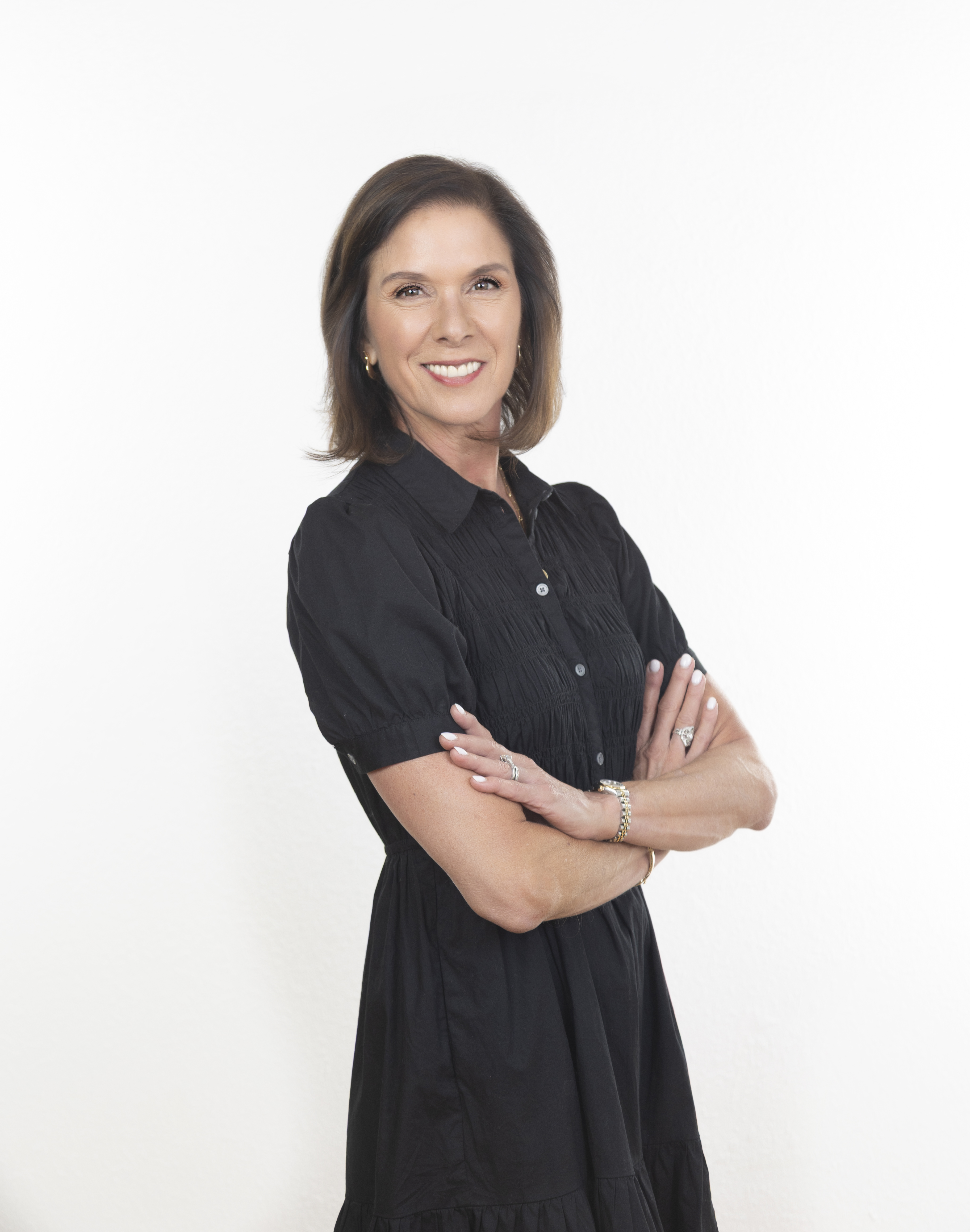
In Episode 314 of the Real Estate Excellence Podcast, Tracy Hayes sits down with Amelia Island Realtor Leigh Howe for a conversation packed with real-world experience, market insight, and practical advice for both consumers and agents. Leigh shares how her career evolved from teaching and hands-on homebuilding into high-level real estate sales, and how that background gave her a rare advantage in understanding land, construction, development, negotiation, and the full client experience.
Leigh breaks down what makes Amelia Island such a unique market, from its lifestyle appeal and natural beauty to its growing luxury presence and strong second-home demand. She explains why so many buyers are drawn to the area for privacy, simplicity, and long-term lifestyle value, while also highlighting the realities that come with coastal ownership, luxury expectations, and a changing market.
The episode also delivers strong takeaways for real estate agents. Leigh talks about the importance of authenticity, market knowledge, asking better questions, providing true concierge-level service, and guiding clients with confidence instead of pressure. She offers a candid look at pricing strategy, referral-based growth, working with affluent buyers, and why great agents do more than open doors — they educate, anticipate problems, and create confidence throughout the process.

 Apple Podcasts
 Spotify
 Overcast
 Castro
 PocketCasts
 RSS Feed
 What do luxury buyers need to understand about owning on Amelia Island that most agents never explain?
In this episode of the Real Estate Excellence Podcast, Tracy Hayes sits down with Leigh Howe. Leigh shares a career path that started far from traditional real estate. She moved from teaching, nursing, retail, and sales into land development and homebuilding after she and her husband took on a 100 acre project in Gainesville. That experience gave her deep knowledge in zoning, infrastructure, construction, customer selections, and the human side of real estate. She explains how surviving the housing crash and later the COVID era shaped her approach, eventually leading her to focus on retail real estate on Amelia Island where she could combine expertise with relationship driven service.
Leigh then shifts into what makes Amelia Island so desirable and what it really takes to serve affluent buyers well. Leigh explains that luxury clients still need guidance, clarity, and confidence even when they are highly accomplished professionals. She talks about joining the right brokerage, learning the south end of the island, listening to other agents, building trust through referrals, asking better questions, and staying authentic instead of sounding overly sales driven. The episode also explores off market opportunities, AI in real estate, local ownership nuances, and why true value comes from knowledge, professionalism, and anticipating needs before clients even ask.
Thinking about buying, selling, or investing on Amelia Island Reach out to Leigh Howe and start with a smart strategy before the next great property is gone.
Highlights
00:00 - 05:41 From teacher to developer
- Tracy introduces Leigh Howe and her background in Nassau County real estate
- Leigh explains she did not plan to become a real estate agent
- A lunch with a landowner leads to a 100 acre development opportunity
- She and her husband sell the first 60 half acre lots
- Building the last 40 homes launches her hands on real estate education
05:41 - 13:20 Surviving the crash and finding a new lane
- The early growth years make development look unstoppable
- The recession hits and unsold homes turn into rentals
- Leigh describes cashing in retirement savings to survive
- During COVID they build multifamily rentals for long term stability
- She transitions fully into Amelia Island real estate and enjoys the freedom of agency work
13:20 - 20:55 Why Amelia Island keeps pulling people back
- Leigh calls Amelia a magical place that sells itself
- The island blends blue collar roots with resort lifestyle appeal
- Buyers are drawn to beaches, boating, marsh views, and historic downtown
- Most of her clients are second home or third home buyers
- Privacy, simplicity, and ocean views drive many luxury decisions
20:57 - 31:08 How Leigh broke into luxury real estate
- She identifies her knowledge gap on the south end of the island
- Joining a brokerage behind the gate gives her direct access to luxury inventory
- She learns by sitting with experienced agents and listening closely
- Leigh builds her own style by staying authentic instead of salesy
- Referrals, community involvement, Facebook, and Instagram help expand her visibility
31:36 - 43:52 What affluent buyers really need from an agent
- Leigh is surprised that high powered buyers often feel unsure during transactions
- She explains why successful people still need handholding and clear expectations
- Concierge level service means anticipating needs and guiding every step
- Asking better questions helps narrow the search without wasting time
- Referrals, trust, and quiet off market conversations create new opportunities
44:00 - 1:20:25 AI local nuance and the realities of ownership
- Tracy and Leigh discuss how AI may improve search and targeting
- Leigh says local knowledge still matters more than generic estimates
- She highlights ownership realities like taxes, turtle lighting, and shore stabilization costs
- They talk about pricing psychology, negotiation, and market corrections
- The episode closes with a story that shows how small details can decide a sale
Quotes:
“People don't like surprises.” – Leigh Howe
“It's a magical place.” – Leigh Howe
“If you're not a salesy person, then don't be salesy.” – Leigh Howe
“I'm always going to answer the phone when you call me.” – Leigh Howe
To contact Leigh Howe, learn more about her business, and make her a part of your network, make sure to follow her Website, Instagram, and Facebook.
Connect with Leigh Howe!
Website: https://leighhowe.ameliaislandrealestate.net/
Instagram: https://www.instagram.com/movetoamelia/
Facebook: https://www.facebook.com/leigh.howe.963
Connect with me!
Website:
Website:
SUBSCRIBE & LEAVE A 5-STAR REVIEW as we discuss real estate excellence with the best of the best.
#RealEstateExcellence #AmeliaIsland #LuxuryRealEstate #LeighHowe #FloridaRealEstate #CoastalLiving #OceanfrontHomes #SecondHomeBuyers #HighEndRealEstate #RealEstateMarketing #LuxuryLifestyle #AmeliaIslandLiving #NassauCounty #HomeBuyingTips #OffMarketListings #ConciergeService #AuthenticSelling #RealEstatePodcast #AIinRealEstate #WaterfrontProperty #IslandLife
Are you ready to take your real estate game to the next level? Look no further than Real Estate Excellence - the ultimate podcast for real estate professionals. From top agents and loan officers, to expert home inspectors and more, we bring you the best of the best in the industry. Tune in and gain valuable insights, tips, and tricks from industry leaders as they share their own trials and triumphs. Whether you're a seasoned pro or just starting out, a homebuyer or seller, or simply interested in the real estate industry, Real Estate Excellence has something for you. Join us and discover how to become a true expert in the field.
The content in these videos and posts are for informational and educational purposes only. The information contained in the posted content represents the views and opinions of the original creators and does not necessarily represent the views or opinions of Townebank Mortgage NMLS: #512138.
REE #314 Transcript
[00:00:00] Leigh Howe: You wanna develop your own style in anything you do, but you do wanna model something that's good, but it has to be authentic to you. So if you're not a salesy person, then don't be salesy. Then find a way to say or do something, but make it your own way that will be authentic to you and to the person, which will give them confidence and you confidence.
[00:00:55] Tracy Hayes: Hey, welcome back to the Real Estate Excellence Podcast. I'm joined by Leigh Howe, trusted Amelia Island realtor with more than 25 years’ experience, over a hundred million dollars in sales in Nassau County, and a reputation for white glove service with deep expertise in real estate, construction, design, negotiation, and investment. Leigh brings a practical client approach to every transaction. She knows Amelia inside and out and is passionate about helping clients make smart, confident decisions. Please help me welcome the amazing Leigh Howe to the show.
[00:01:29] Leigh Howe: Thank you, Tracy. Thanks for having me.
[00:01:31] Tracy Hayes: Welcome. Yeah, appreciate you coming down. As with a lot of agents I have on, I try to do as much background as I can, obviously, and you bring a lot of experience from many different facets of real estate housing.
[00:01:48] Leigh Howe: Yes. So I think one of my biggest benefits in real estate is time. I was sort of forced into a real estate career. I didn't wake up one day and say, oh, I think I'll be a real estate agent. That's what I've always wanted to do. I was teaching third grade. I had young children, and my husband decided that we were gonna buy this hundred-acre parcel. So I said, well, what are we gonna do with this hundred-acre parcel? And he said, well, I'm gonna develop it.
And so we had the owner over for lunch. I made a big lunch, and I forgot one of the ingredients, ran to Publix and got a speeding ticket, got pulled over. They were coming. I get back and I pull together some sort of jambalaya dish or whatever. We have them over, and three days later he calls and says, you know, even though I've sold all this other property to this other builder-developer, I'm gonna take a chance with you.
[00:02:43] Tracy Hayes: Yeah.
[00:02:44] Leigh Howe: So we sold the first 60 half-acre lots, and then my husband said, well, you know, we should build those last 40. So that's where I began.
[00:02:52] Tracy Hayes: Was the gentleman involved in the actual deal? 'Cause he took a chance with you. 'Cause aren't you just pretty much kind of writing him a check?
[00:03:00] Leigh Howe: We are writing him a check, but there had been a history with another developer, right? He had sold all, just a relationship, all the parcels that abutted this parcel. So it was rare.
[00:03:11] Tracy Hayes: Yeah.
[00:03:11] Leigh Howe: You know, that he let us get it, I assume.
[00:03:14] Tracy Hayes: Right.
[00:03:14] Leigh Howe: Yeah.
[00:03:14] Tracy Hayes: Right. At the time, was this something—let's go back, 'cause let's give everyone kind of your background prior to you and your husband obviously taking on this big project here. Whether it was getting outta school, what led you guys, what were you doing at the time? And then how did you morph into getting deeply—obviously it sounds like your husband kind of—
[00:03:36] Leigh Howe: Forced—
[00:03:36] Tracy Hayes: Forced you. Go ahead.
[00:03:40] Leigh Howe: So I was teaching third grade.
[00:03:40] Leigh Howe: So I was teaching third grade.
[00:03:41] Leigh Howe: Okay. And yeah, I was a third grade teacher, so I was an educator, and I basically took that job so I could be with my children during the summer. I said, you know, I was a nurse before that. I managed retail stores. I had sales experience, and I didn't see what my role was gonna be in this. But when he got his contractor's license, we built our first 40 homes, and I was customer-facing. I did all of your selections, all of your POs, all of your change orders, saw you through the process, answered all of the questions. I learned everything about land use and development and zoning and infrastructure and building and people. Yeah, I learned a lot about people. And not to surprise people. People don't like surprises.
[00:04:25] Tracy Hayes: Well, being a third grade teacher, you learn a little bit about humanity too, though.
[00:04:30] Leigh Howe: True.
[00:04:30] Tracy Hayes: Yeah.
[00:04:31] Leigh Howe: And I'm a person who loves giving and connecting with people, and I love kids and animals, you know, all things. And so I was kind of hesitant to take a step into really the adult world of real estate, which is, you know, it's a tough job. You have to work hard.
[00:04:49] Tracy Hayes: Well, I think something what you did is, a lot of people, as they get into real estate and start to expand their minds and understand what they want to do, you kind of started at the development levels.
[00:05:00] Leigh Howe: The ground level.
[00:05:02] Tracy Hayes: Yeah. Like, you know, that's big stuff, right? So was that your husband's first project, or was he working for a company that kind of gave him some background on that?
[00:05:12] Leigh Howe: So we had never built anything before. He did commercial leasing.
[00:05:16] Tracy Hayes: Ah.
[00:05:16] Leigh Howe: So he was a commercial leasing person. That's how I met him. I was managing a store in the mall, and he was the leasing agent. So we had coffee.
[00:05:23] Tracy Hayes: I wanna adjust this camera just a little bit.
[00:05:25] Leigh Howe: Sure.
[00:05:23] Tracy Hayes: Because I know you keep wanting to look at me, and I want your eyes facing that, and then I don't want to interfere with your camera.
[00:05:31] Leigh Howe: Okay.
[00:05:31] Tracy Hayes: Right. Okay. Yeah. There. Is that better? Can you—
[00:05:33] Leigh Howe: It's perfect.
[00:05:34] Tracy Hayes: Yeah. Okay.
[00:05:34] Leigh Howe: Yep.
[00:05:34] Tracy Hayes: Good. Alright. So he's a commercial leasing manager. But you guys, this is in Nassau County, right?
[00:05:41] Leigh Howe: No, this is in Alachua County. Gainesville.
[00:05:43] Tracy Hayes: Alachua County, in Gainesville.
[00:05:45] Leigh Howe: Mm-hmm.
[00:05:45] Tracy Hayes: Okay. So he gets this vision. What years are we talking about here?
[00:05:48] Leigh Howe: We're talking '99 through—
[00:05:50] Tracy Hayes: Oh, so a lot of growth going on.
[00:05:50] Leigh Howe: '99 through 2005, and then into the recession, which was, you know, we ended up with houses that were in the Parade that we couldn't sell. We had to rent. We had all of these lots. We had bought another parcel, an infill parcel, so you know your taxes went—
[00:06:06] Tracy Hayes: From '99 through a peak, which I imagine you guys thought like, oh God, this is just great. Money coming off the trees and—
[00:06:14] Leigh Howe: Yes.
[00:06:15] Tracy Hayes: Then all of a sudden the—
[00:06:15] Leigh Howe: Bottom falls out. We were clipping houses, and then we weren't. And so my husband kept saying, oh, this is a cycle. You know, but it lasted, and we ended up sort of renting those houses we had left in that subdivision. And yeah, we then took over a subdivision that went into bankruptcy from Capital City Bank.
[00:06:34] Tracy Hayes: Yeah.
[00:06:34] Leigh Howe: And they let us do a drawdown schedule, and we ended up building hundreds of homes in there. But those were first-time home buyers, which was a totally different experience from what we had been selling.
[00:06:43] Tracy Hayes: You're tipping into a budget. I've mentioned this before on the show, and it's been a while. I don't think people realize it was 2008, 2009 or whatever, the housing market fell below any previous 50-year low. So you're talking back in the fifties to the early two-thousands—or late 2008, whatever—it had never, it went below any low before that.
[00:07:10] Leigh Howe: Truly.
[00:07:10] Tracy Hayes: And did not actually come back up to meet that low until—I believe it was 2012 or 2014. I can't remember exactly.
[00:07:19] Leigh Howe: I think it was 2012.
[00:07:21] Tracy Hayes: Yeah. It finally got back up.
[00:07:22] Leigh Howe: Mm-hmm.
[00:07:22] Tracy Hayes: To the 50-year low of the, you know—
[00:07:24] Leigh Howe: Yeah.
[00:07:25] Tracy Hayes: So how much housing went out, and obviously if you're in construction and building housing, there was—because the reason why I was doing the research was a few years ago when the builders started coming in, the problems, and you know, COVID with all the building that was going on—
[00:07:41] Leigh Howe: Yes.
[00:07:42] Tracy Hayes: All the truss, the cost, the cost of the houses, and why this was—well, what was happening was the lumber mills, the mom-and-pop lumber mills and all that kind of stuff, well, a lot of them went under and they were consolidated into, there's like four or five major companies now that are running lumber. But they weren't adding, because of the demand of 2020, they weren't adding more lumber mills to meet the demand.
True. So the prices were going up, and there was, well, we're not just ready yet, 'cause we've got stockholders basically from 2008 to 2012, 2014, lost their butt. They were making their money back, and that's why they weren't in a rush, and that's why the cost of lumber and everything went up.
So I just throw that out there to give everyone perspective, and obviously what you're going through, this—it's not like you guys had 20 years' experience prior to this. You'd been in there, we were—
[00:08:33] Leigh Howe: In it.
[00:08:34] Tracy Hayes: In it, and '99, everything looks great. You're running as fast as you can. All of a sudden it's like, okay, how do I manage that? How do you manage what's going on?
[00:08:42] Leigh Howe: It was—so at one point we stopped building for almost two years, and we just made payments, and we cashed in our IRA, and we did what we could to survive. We didn't pay ourselves, and we paid the people that worked for us.
And then the second time, when we came into COVID and all the trusses doubled, tripled—
[00:09:00] Leigh Howe: Mm-hmm. I was already just selling real estate on the island, and we sort of stopped building again and said—we were at a point where during COVID we did a multifamily apartment with six townhomes and six flats. We were really worried we wouldn't be able to rent it out, but we knew we needed something that we could survive with. We needed a rental property.
And we said, why don't we—
[00:09:28] Tracy Hayes: So you built that for—
[00:09:28] Leigh Howe: Ourselves. We built that for ourselves.
[00:09:30] Tracy Hayes: Mm-hmm.
[00:09:30] Leigh Howe: And we have two other buildings, and so those have helped us now, you know, going forward and giving us a base. And I've been selling real estate on the island for eight years, being an agent, which is great because I don't have the payroll and I don't have the people calling me, you know, I've got the wrong door on my house. No, it's a construction door. Or, you know, they found—or they've got the wrong air filter, or their dog is lost, or, you know, there are a lot—
[00:09:57] Tracy Hayes: Is your husband still—
[00:09:57] Tracy Hayes: Is your husband still— is he still developing?
[00:09:58] Leigh Howe: He's not. He's not anymore.
[00:10:00] Tracy Hayes: No?
[00:10:00] Leigh Howe: No. We've sort of—
[00:10:01] Tracy Hayes: Fifteen years of stress, or 20 years of stress of that.
[00:10:05] Leigh Howe: Yes. We still have our construction company, and we could, and I've been thinking about a single-family home, but we have not pulled a permit and done that. Yeah. So, right, yeah.
[00:10:14] Tracy Hayes: Does he have crews, or you just still just have the company?
[00:10:16] Leigh Howe: We just always had subcontractors, right? And we just had the company. But at the time when we were busy, we had a framer, an electrician, and, you know, we’d keep them busy. We always had to start another house. You know how it is, and you have a six-month interest carry on your builder line and all that.
[00:10:33] Tracy Hayes: Mm-hmm.
[00:10:33] Leigh Howe: So it’s a process, and, you know, it’s like all other processes. They need systems. And we had a bookkeeper and a couple superintendents, right? And then we also did a lot of work. We cleaned those houses when they were under construction.
[00:10:44] Tracy Hayes: Alright, so let’s fast forward. You’ve been an actual agent now for a little over eight years.
[00:10:49] Leigh Howe: Yep.
[00:10:49] Tracy Hayes: What makes you migrate from doing what you were doing to say, hey, I’m gonna actually, you know, step into more of the—I call it retail real estate.
[00:10:58] Leigh Howe: Yes, the retail real estate for me is so fun and inspiring because I was bogged down in a lot of minutiae, and this way I get to bring buyers and sellers together. And I just love the connection aspect.
When I moved to the island—to answer your question—I decided, well, I’m gonna get my yoga certification and teach yoga and do something totally different, which I did. But I am a person who really loves the challenge, and I love to grow and gain knowledge, and it wasn’t as rewarding as I had hoped.
[00:11:31] Tracy Hayes: The yoga?
[00:11:31] Leigh Howe: The yoga. So I said, I still do yoga. I still love yoga. But I said, I am going to do something that I know, that I know well, and I know I can help, and I’m confident in this realm. And so why am I gonna force myself into doing something I don’t even like? Right?
So I’m very happy being a buyer’s and a seller’s agent. I love real estate, and it just makes me feel every day when I get up like it’s a challenge and something new is gonna happen. And, you know, I’m trying to more or less set more boundaries.
[00:12:08] Tracy Hayes: Well, what is it— I think that’s a problem for some people. Your husband got you in it. What is it particularly today that really gives you the most enjoyment in real estate?
[00:12:18] Leigh Howe: Whew. One thing, I would say providing value to my customers. It’s really rewarding when, at the end of a transaction, they say, wow, I didn’t even think I could do this. You gave me confidence. You know, I’m so happy.
And I always tell them, I advise people. And “advise” is a good word, because I provide information and they make decisions. But they always want your help, and that’s a tricky thing because you don’t wanna be the person who says you should or shouldn’t, because that can come back to you—
[00:12:52] Tracy Hayes: Right. Mm-hmm.
[00:12:53] Leigh Howe: —when the person’s just not happy with the place they moved to. They don’t like the area, you know, all the things they find out after.
[00:12:59] Tracy Hayes: Right.
[00:13:00] Leigh Howe: And you don’t wanna be the person who—they will look for somebody who—
[00:13:06] Tracy Hayes: Everyone wants to—
[00:13:06] Leigh Howe: Blame somebody. Everyone wants to blame somebody. So really, my thing is I provide value and confidence for my buyers, and I’m confident—
[00:13:06] Leigh Howe: Blame somebody. Everyone wants to blame somebody. So really, my thing is I provide value and confidence for my buyers, and I’m confident in what I do, and that’s really rewarding for me.
[00:13:19] Tracy Hayes: Yeah, yeah, yeah.
[00:13:20] Leigh Howe: For sure.
[00:13:20] Tracy Hayes: Let’s talk about Amelia Island in itself right now. You were mentioning your daughter’s over in Sarasota, and that’s an area, obviously, that’s been popular for a very long time, where Amelia—Fernandina—
[00:13:35] Leigh Howe: Mm-hmm.
[00:13:35] Tracy Hayes: Has been—well, it’s northeast Florida. Everyone traveled over it on their way to South Florida, whether it’s on the west coast or on the east coast here. Now it’s one of those last remaining gems that is—well, I mean, obviously the price point goes up, but it’s not Miami. It’s not Sarasota—
[00:13:51] Leigh Howe: True.
[00:13:52] Tracy Hayes: Yet. Still, the prices are going up, but it’s one of those last remaining areas of—well, I think there’s, if you go directly—which, what’s, there’s a little island. If you go directly—
[00:14:06] Leigh Howe: Cumberland Island.
[00:14:07] Tracy Hayes: Not Cumberland—
[00:14:08] Leigh Howe: Jekyll Island.
[00:14:09] Tracy Hayes: No, no. I’m talking about on the Gulf Coast.
[00:14:12] Leigh Howe: Oh.
[00:14:12] Tracy Hayes: If you go straight over, that whole area there, up in the corner—of course it is Hurricane Alley. That is Hurricane Alley.
[00:14:19] Leigh Howe: That is Hurricane Alley.
[00:14:21] Tracy Hayes: You get caught in that corner, you’re caught in the hurricane. So that is a problem. But Amelia is just one of these last remaining gems.
[00:14:28] Leigh Howe: It is a gem.
[00:14:28] Tracy Hayes: In Florida.
[00:14:30] Leigh Howe: It’s a magical place, so it sells itself. You really just have to take people around, and they fall in love. A lot of them came there when they were children, and they come back and they say, we want to buy something here.
[00:14:41] Tracy Hayes: Mm-hmm.
[00:14:42] Leigh Howe: But really, when you look at Amelia, it’s blue-collar meets resort. I mean, we have working mills. It is a working man’s town, you know?
[00:14:51] Tracy Hayes: Yeah.
[00:14:51] Leigh Howe: We have a historic downtown, which is such a draw for people. We have beautiful beaches. I mean, we have 13 miles of beaches. You can horseback ride on the beach, which is rare. There’s no driving on the beach. There are places where you can park. There’s beach access. There’s kayaking. There’s rivers. We have the Amelia River on one side and the ocean on the other. And it’s just, it’s a magical place. There’s only so much of it, so obviously since COVID things have doubled and tripled.
[00:15:21] Tracy Hayes: Yeah.
[00:15:21] Leigh Howe: So people are always like, wow, I wish I would’ve bought. But it’s still not topped out. And we were below, in price point, below areas in Florida, and I think we’ve made great leaps in catching up.
[00:15:33] Tracy Hayes: The demand has caught up there?
[00:15:35] Leigh Howe: Yes.
[00:15:35] Tracy Hayes: Well, you were mentioning a lot of terms there that relate to lifestyle.
[00:15:41] Leigh Howe: Mm-hmm.
[00:15:41] Tracy Hayes: Whether it’s horseback riding on the beach—
[00:15:43] Leigh Howe: Yeah.
[00:15:43] Tracy Hayes: Or the kayaking and all those. And that’s northeast Florida. It’s one of the great things about it, especially if you’re a boater. You’ve got the St. Johns River, you’ve got the Intracoastal Waterway, you get out to the ocean—
[00:15:56] Leigh Howe: A lot of people love the marsh.
[00:15:57] Tracy Hayes: Yeah. And there’s all these different things, places to go and just do something different each weekend instead of going to the same spot type of thing. It’s just unique. And if you’ve ever been on the Intracoastal Waterway, when you cross over the St. Johns River there and continue going up—
[00:16:18] Leigh Howe: It’s beautiful.
[00:16:18] Tracy Hayes: And it’s just—you could just continue all the way up to Amelia and Fernandina on the Intracoastal Waterway, just for your boaters out there. What are you finding right now as far as real estate? Would you say your mix is—or maybe if you could talk more in greater terms, maybe of the office or in Amelia in general—the difference of people buying a second home or that investment Airbnb versus a primary residence?
[00:16:44] Leigh Howe: So most, I would say, gosh, 85% of my buyers are second-home, sometimes third-home buyers. They could be in that transition, pre-retirement, you know, 54 to 64, and they wanna buy something that’s a rental. And then when they get ready to retire—and then some people dive right in and just say, you know, we’ve got a three-year plan, we’re gonna buy something. And then other people are like, this will never be our primary home. This is a secondary home, which is most.
And I get a lot of cash buyers. So now with the better interest, it trickles—but our luxury market on Amelia has really upped its game. We have $12 million houses on the beach and all these newfound luxury sort of price points.
[00:17:37] Tracy Hayes: Right.
[00:17:38] Leigh Howe: Right. So yeah, the price points are greater. So we do really well in that realm, in the luxury realm.
[00:17:44] Tracy Hayes: The higher price points—obviously there’s not too many people that could afford a $12 million home. So you are looking at unique people, whether they’re CEOs or maybe they are famous, to be able to afford that price point of home. What are they—and I don’t know, where would you say that category that I just described starts? Is that basically kind of like $2 million and up? There’s a lot of—you can get an Nocatee and get a million-dollar home now.
[00:18:10] Leigh Howe: Yeah.
[00:18:10] Tracy Hayes: And touch that house next door. That drives me nuts. I can’t—I’d never do that. I would go live in the farmlands of Oklahoma before I would pay a million dollars and touch my neighbor next door, although my house is at that point, sure. But my neighborhood’s older, so we’re a little more spread out. Got at least a couple yards between us. But that’s very unique. Who is buying as a second home? What are they looking for? Is it privacy? What is it that they—
[00:18:36] Leigh Howe: Well, you know, on the island everyone is always looking for privacy, and the island’s 13 miles long by two miles wide, so that’s rare. And there are the TND neighborhoods, like you speak of, with the five-foot side setbacks.
[00:18:49] Tracy Hayes: Mm-hmm.
[00:18:49] Leigh Howe: A person in the luxury market does not want somebody on top of them. So it is probably oceanfront. We have single-family oceanfront, a lot of condominiums, luxury condominiums. I just sold one for 3.6, oceanfront, and it’s got all the bells and whistles. It’s updated, it’s private, it’s near the Ritz, all the things.
And when it comes down to it, people want simplicity in their lifestyle. They wanna just go out and be able to golf or meet their friends or go to a TED Talk. We have all kinds of things, resources and things people like to do. But a lot of people say, we love the beach, but we don’t necessarily wanna walk on the beach or be out there. We just wanna see the beach. Which I think is kind of weird. I like to be on the beach. But really, they wanna see the water and it’s relaxing, and they feel like it adds years to their life.
[00:19:44] Tracy Hayes: Yeah. Well, there’s nothing—I grew up on Cape Cod a half a mile from the ocean, so just like I’m sure you hear, you hear the ocean.
[00:19:53] Leigh Howe: I do.
[00:19:53] Tracy Hayes: It sounds like a train off in the distance, is what you can imagine it to be. But that noise, just that—what do you call that? White noise, I guess. It just is peaceful from that standpoint.
But they’re coming there for the privacy. I want to get down to the agents who are listening. You have this development, you and your husband, you move to Amelia, and you decide yoga’s not doing it. You get into retail real estate. What starts you to connect? What are you doing at this point to put yourself out there to let people know, oh, this is what you’re doing? And then obviously over time, I imagine—I can’t—I don’t know, maybe this happened right away for you. I don’t know. You could tell us that.
You start connecting. ’Cause I think there’s a lot of agents out there that say, I want to get in the luxury, but when they say, well, it’s not a price point, it’s a service—I say it’s a price point.
[00:20:47] Leigh Howe: Yeah.
[00:20:47] Tracy Hayes: We can argue that.
[00:20:48] Leigh Howe: It’s both. It’s both.
[00:20:49] Tracy Hayes: It’s both. Yeah. How do you get into that? Is there a mindset? Tell us a little about what you went through to enter that. Or did it come natural for you? I don’t know.
[00:20:55] Leigh Howe: Ooh. Wow.
[00:20:56] Tracy Hayes: Yeah.
[00:20:57] Leigh Howe: That’s a good question. That’s a very good question. So I realized, you know, I’m a big believer, you know, don’t really work on your weaknesses. Now, if it’s a deficit, that’s a—
[00:21:00] Leigh Howe: Whole different thing, a deficit. You gotta get up to par. But I knew that one of the things that I didn’t have was knowledge of the south end of the island. We had had a presence there since ’99.
[00:21:19] 314 AUDIO: Mm-hmm.
[00:21:19] Leigh Howe: And I said, I need to learn this property on the south end. There’s 1,300 acres behind a gate with 21 homeowners associations, and wow, a lot of the luxury property is here, and I know nothing. I haven’t been behind this gate.
So I joined a brokerage that gave me an advantage there. And from there, I actually listened to other agents when we had walk-ins, and I didn’t understand how the whole rental thing worked and who rented and how that worked. I sat with them and I listened to the questions, and they were gracious enough to let me sit with them.
And you wanna develop your own style in anything you do, but you do wanna model something that’s good. But it has to be authentic to you. So if you’re not a salesy person, then don’t be salesy. Then find a way to say or do something, but make it your own way that will be authentic to you and to the person, which will give them confidence and you confidence.
I did that. I put a little ad in the paper, and this is prior to COVID, so social media hadn’t been the first form of how people shop for property. By the time people come to me now, they know everything on the market. They know at seven o’clock in the morning more than I do, because I’ll get a text and say, oh, we saw this came on the market. We wanna see it today.
And sometimes I feel a little taken aback. I feel behind. I try to keep up with it, right? And that’s one of my big things, is arm yourself with all that knowledge. Know all the properties, know all the things, know how to answer all the questions.
I didn’t know—we didn’t have the SIRS and the milestone. You have to explain that. We didn’t have buyer-broker compensation. We didn’t have a flood disclosure. We didn’t have FIRPTA. We didn’t have FinCEN. We didn’t have all these things that now people have questions about, and you have to be able to answer the questions.
And honestly, the best thing you can do, especially if you’re a new agent, is ask somebody if you don’t know. Know all you can, but if you don’t know, just say, you know, that’s a good question. I don’t know how to answer that, and I’m gonna get back to you.
[00:23:28] Tracy Hayes: The first thing you mentioned was, I joined a brokerage to help, because you realized, hey, if I’m gonna sell on Amelia Island, I need to get behind that gate, and I need to know what’s going on. And I would imagine from your previous experience in developing that you realized knowledge is power.
[00:23:48] Leigh Howe: Yeah.
[00:23:49] Tracy Hayes: Confidence, all those things that you need as a real estate agent. And if you’re gonna sell those multimillion-dollar homes, you’ve gotta have a lot of confidence, because the people you’re dealing with—or, well, I imagine there’s just some eccentric people, which I’m sure you could tell me stories about—but a lot of them, obviously, they are CEOs of large corporations and so forth. They’re overseeing hundreds and hundreds, if not thousands, of people, and they got confidence standing up in front of a room and talking, and that’s not a big issue for a lot of them. They have true, just a personal confidence level. You need to show confidence as well to impress them.
And so the first thing you said was join a brokerage that gave you—did you evaluate that that was the brokerage that you needed to go to?
[00:24:26] Leigh Howe: Oh, well, that brokerage was behind the gates, and so I went where the luxury property is. I knew I had a base, and let’s face it, like I said, my benefit is time in real estate. I was of the age group of peers that would be buying in that price point. So yeah, that right there was helpful in and of itself because you can relate to other people’s experiences.
But the big thing is, for agents—and it’s unfortunate—but you always have to show your value. I always have to provide a service, customer service. And a lot of times you might not agree and you have to do things that you don’t like, just like in every single job. You’re always sort of catering to—it’s customer service, and you wanna provide good service and value.
And so I try to measure myself so that I have enough clients, but not too many clients. And I will ask for help if I need it. Can you go list this for me? I mean, I—
[00:25:22] Tracy Hayes: You wanna be more—well, concierge is a word that I use a lot, especially when I’m talking to luxury agents, because that’s the service that your customers want.
[00:25:30] Leigh Howe: That they expect.
[00:25:31] Tracy Hayes: But also they want to feel like you are the concierge dedicated to them.
[00:25:37] Leigh Howe: Truly.
[00:25:38] Tracy Hayes: If they’re going to the Ritz-Carlton, they want that, for lack of a better term, butler-type service—that that person is—or when you go to the fine dining restaurant, that waiter just stands there beside the table, you know, type of service.
[00:25:55] Leigh Howe: Yes.
[00:25:55] Tracy Hayes: Right.
[00:25:56] Leigh Howe: They expect that level of service. And so, I mean, you have to strive to provide that. And one of the things I’ve done is sort of outline a process when I meet with somebody. And even after all these years, if I don’t know the person, I’m gonna meet with them and show them property, I still get a little like, whoa, you know, little butterflies.
[00:26:15] Tracy Hayes: Yeah.
[00:26:15] Leigh Howe: But, you know, I just wanna—
[00:26:16] Tracy Hayes: Am I gonna like this person?
[00:26:18] Leigh Howe: Well, and this is a big lesson of real estate. You’re not a fit with everybody. You don’t align with everybody personality-wise. And so you really need to stick to your knowledge and professionalism because in those instances, those things will carry you. You just answer questions and ask good questions.
That’s one of the things I’m working on this year, is asking better questions. Don’t be nosy. A lot of people are private. They don’t wanna share a lot of information. But ask relevant questions that will help you and help them understand.
Because a lot of times they come in, we want a single-family home, or we want a condo, and then they find out, oh, condo fees, and there’s an assessment, and there’s this and that, and heck no, we don’t want a condominium. Or we do not wanna be on a golf course. And the next minute they turn around and they’re like, we only want a golf course community.
A lot of times, you know, that’s the process. So it could be one showing, you get a contract. It could be three to five years that you work with somebody.
[00:27:13] Tracy Hayes: Right. Yeah.
[00:27:14] Leigh Howe: Patience.
[00:27:15] Tracy Hayes: We’ve had many that, ah, don’t, I don’t wanna be in one of those CDD communities. And then they see the amenities and that’s where they go.
[00:27:21] Leigh Howe: And then you try to get the CDD paid off by the seller or the builder, but it doesn’t always happen.
[00:27:25] Tracy Hayes: To go back to the brokerage. Mm-hmm. So because this brokerage is behind the gate, you feel, okay, boom. And obviously, you know, I would imagine some of the salespeople were there—some of ’em are probably still there.
Yeah. What are some of the things that you picked up that you were learning from either just working or seeing how these other people worked that you were like, oh, I didn’t even realize this, that I need to be able to do this? Or just whatever awed you?
[00:27:51] Leigh Howe: One thing that I did naturally that I wanna mention before I answer that question—
[00:27:56] Tracy Hayes: Mm-hmm.
[00:27:56] Leigh Howe: —is that I saw agents who needed help, and I asked, can I help you? Can I take care of all this for you and give you half of the—and some of them were in a position where one was kind of gonna transition out and wasn’t taking listings. And so I started helping her people.
And so I started giving 50% of everything I did, even when I did all the work, to that other agent.
[00:28:22] Tracy Hayes: Her referral.
[00:28:23] Leigh Howe: Or it was her referral, or it was her customer, and we sort of worked it together. But it really was kind of me working it and still giving. And I did that, gosh, at least 10 times where I was like, you know, I just need to get my foot in the door and I need to learn how this works better where I’m not the developer, where people aren’t just coming to me. I’m having to go out there and sell myself.
So I started gaining from that, and then walk-ins and just talking to people and getting out in the community. I joined our realtor association, got involved with that, and once you start networking—I’m not a person who says, you know, I do real estate for a living, when I meet you. That’s not gonna be my method. But eventually somebody’s gonna say it.
Now people say, oh my gosh, we see you all over.
[00:29:09] Tracy Hayes: Mm-hmm.
[00:29:09] Leigh Howe: Well, how do you see me all over? ’Cause I rarely go out at night. But what they mean is—I mean, I like to be home because I’ve talked to people all day, right? And I’m like, oh, I’m gonna chop vegetables for an hour. That is my release.
So, I mean, but they say, we see you all over. And I say, where do you see me? Well, they see you on Instagram and Facebook because you have a closing, you have a listing, you have a price improvement, you know, so it’s always out there. So that’s really important.
And honestly, I had a really good first year, and it’s just gotten better and better since then. And now if you have seven or eight people call you their realtor—they say, my realtor is Leigh Howe—
[00:29:52] Tracy Hayes: Mm-hmm.
[00:29:52] Leigh Howe: —they’ve got seven or eight people that they’re friends with, who are also maybe in their realm and their peers. And they bring them down, they meet you, and then they say, you know—
And even this week, I showed a gentleman, gosh, 12 houses, and I worked with his friend, and his friend decided, you know, Amelia’s not for us. We don’t wanna buy anything. We’re gonna rent. And he’s coming to buy a single-family.
And his friend had a realtor, and he said, my friend sold this, but I’m staying with this other friend who said that you worked with them a year even though they decided not to buy.
Right. So, you know, you never know. ’Cause you’re thinking you’re wasting time, but you never are.
[00:30:31] Tracy Hayes: Well, again, go back to the luxury client, the price point we’re talking about. They have their accountant, they have—
[00:30:38] Leigh Howe: Yes.
[00:30:39] Tracy Hayes: —their attorney—
[00:30:39] Leigh Howe: Yes. They have their person.
[00:30:41] Tracy Hayes: You want to be their real estate agent.
[00:30:43] Leigh Howe: I do.
[00:30:44] Tracy Hayes: Yeah.
[00:30:44] Leigh Howe: And like I said, I’m not the person—I’m not forthright. I don’t go out and say, you know, give me the referral, write the review for me. I’m not that person. But they know who I am up front.
Even at the closing table, I say, you know, I may not get my Christmas cards out every single year, but I’m always gonna answer the phone when you call me, and I’m gonna be there and provide a service for you.
[00:31:08] Tracy Hayes: I’m gonna go back, ’cause I don’t know if you answered the actual question that I asked, but I’m gonna ask it a different way. That’s fine, ’cause you gave us a lot of good information there.
You mentioned when you moved—well, you started working behind the gate—that a lot of the clients were your peer age group.
[00:31:24] Leigh Howe: Yes.
[00:31:24] Tracy Hayes: Right.
[00:31:24] Tracy Hayes: Right. But what was it—did you learn about your peer age group that you didn't know before? What was that? What was something that you learned there as you entered in and dealt with these people?
[00:31:36] Leigh Howe: What really, really surprises me is that, like you said, all these people are CEOs and attorneys, and they've run companies, and they've bought and sold tons of real estate. And then when it comes to the transaction, they seem like they're flying blind.
[00:31:52] Tracy Hayes: Mm-hmm.
[00:31:52] Leigh Howe: Things that you would expect maybe—because we do them all the time and we know like the back of our hand—you would expect them to sort of know, but they really don't know, and they really need to be guided through the process from beginning to end. Like I said, people don't like surprises. That's not a good way to go. They like to know what they're getting into. I was kind of surprised by that, that they really need a lot of handholding.
[00:32:15] Tracy Hayes: It's actually a really good tip. Don't assume because they are successful that they know real estate, that they know everything. A real estate agent is supposed to know all the transactions, but I imagine how you approach them in explaining to them, because you almost have to be like, well, you probably already know this, but da-da-da-da-da-da.
[00:32:37] Leigh Howe: Yes.
[00:32:37] Tracy Hayes: You know, obviously set expectations. This is what's—hey, be prepared for this. Be prepared for that. Just wanna let you know. You may already know that. You don't want to insult them that they don't know. You wanna make it as if they do know, and they'll be like, yeah, okay, yeah, no problem. You know what I'm saying is a way you approach it.
[00:32:53] Leigh Howe: There is a way. There is an approach, and that's part of reading people. And I think that's really important because you have to sort of pick up on all the nuances and all the little things. Like, I sold a condo to two attorneys, and I thought, you know, these people do contracts for a living. And they had every question. I went through the contract with them section by section, which I never would have—I would've expected they would've read it and they would've—
[00:33:21] Tracy Hayes: Memorized it.
[00:33:23] Leigh Howe: —been able to understand it, you know? Right. It seems simple to me. But no, they had a lot of questions. And you know, the timelines are important that you point out. You know, here are all the timelines, and you call them on the last day of the inspection period. And even if you know they're going forward, just say, hey, just double-check. I wanna just dot your i's and cross your t's every single time. And then you'll still be surprised when things get out of control.
[00:33:48] Tracy Hayes: Well, it goes back to what you were mentioning earlier, that concierge, butler-type service where they have to anticipate something falling off the table and grab it. You want to almost do that with—don't assume they know. You want to be already setting a lot of expectations—
[00:34:06] Leigh Howe: Yes.
[00:34:06] Tracy Hayes: —and making them look good. Because I think if you do watch these people, even, you know, you see them on social media, I don't care whether it's Sylvester Stallone walking down the streets of New York, you know, I've seen him a lot lately on Instagram. He does a lot of Instagram. But you know how his team is already out in front. They're already exactly predicting what he's going to do. And that’s what you need to do as you’re leading them into this home-buying process.
So let’s talk about that luxury client, your buyer-broker agreement maybe. I mean, I imagine probably a lot of your clients are referrals.
[00:34:42] Leigh Howe: All referrals.
[00:34:42] Tracy Hayes: Yeah. So, but that doesn’t mean you know the person. Obviously, you know, your past customer says, hey, my friend John, he wants to buy a house. You don’t know anything about John and Sally. Walk us down—what if they’re coming from outside the area, which I think a lot of agents, we have that happening here. It’s Florida.
What are some of the first things you do? Walk us through the steps to—you know, and like you said, the questions without being too intrusive, but there’s certain things you need to know.
[00:35:10] Leigh Howe: Certain things you need to know, yeah. So criteria is a big one. And I used to be more hesitant to ask, like, what’s your price point? Because that price sort of varies. They have a range that they start with, but that doesn’t mean that range is set in stone depending on what the property is, right? But most people don’t just say that. Most people don’t say, well, this is my range, but if it was the right— But then you find out by showing them other things that, you know—
[00:35:37] Tracy Hayes: So I’m sure you’ve had clients that said 2 million and end up buying—
[00:35:39] Leigh Howe: Four, and end up buying 4 million. So the first thing is that we already have a connection because of the person that referred that person to me.
[00:35:47] Tracy Hayes: Mm-hmm.
[00:35:47] Leigh Howe: So, you know, we talk about our mutual connection. And I just got invited to dinner by a referral, and the woman who referred her—I just sold her property, and they just bought a property. So now the people who sold are coming to stay with the people who bought, and they just had a dinner invitation, you know, for all of us. So that was kind of cool.
[00:36:07] Tracy Hayes: Right.
[00:36:07] Leigh Howe: And I do try to stay connected with people, you know, not to the extent where I’m making myself crazy, but I do try to stay connected.
But yeah, so the questions that I ask a referral are the same ones I ask everybody. Like, are you here? And I sort of do an overview of the island. Like, do you wanna be downtown? Do you wanna be on the coast? Do you want a single-family? Do you want a condo? Do you want a rental? I mean, all those are different categories. And once I get them in a category—
[00:36:33] Tracy Hayes: Do you ask one of those open-ended questions? Like, ’cause obviously their friend just bought or whatever—
[00:36:39] Leigh Howe: Yep.
[00:36:40] Tracy Hayes: —in this case you’re just talking about. You know, and kind of open, hey, are you looking for something similar to your referral? Kind of let them start talking?
[00:36:47] Leigh Howe: I kind of—they normally like to talk about themselves, so sometimes you ask just an open question, you know, and they’ll tell you everything. I knew they were a 1031, so I knew that going in.
[00:36:59] Tracy Hayes: Okay.
[00:37:00] Leigh Howe: That’s important to know.
[00:37:01] Tracy Hayes: Yeah, yeah.
[00:37:02] Leigh Howe: Yes, ’cause there’s a timeframe and there’s an amount, and, you know, it’s not gonna be a primary residence.
[00:37:08] Tracy Hayes: Right.
[00:37:10] Leigh Howe: Although, you know, that can happen. But anyway, so I knew all those things going in for sure.
[00:37:15] Tracy Hayes: Mm-hmm. Because I would imagine—well, you mentioned earlier, just to poke it again to the agents who are listening—what are some of the things that you tread lightly on? Because obviously you feel it might be an intrusive question. One person doesn’t think it’s an intrusive question; one person does. Because I’m sure you’ve had some people, you just open with that question and they tell you their whole life story, right? Everyone sick in their family, all the drama that all families have and all that, you know. And then there’s the others who just give you that—
[00:37:49] Leigh Howe: Little—
[00:37:49] Tracy Hayes: Tidbit. Yes. No. Yep. Three-bedroom.
[00:37:52] Leigh Howe: You know? Mm-hmm. They’re very quiet. So what I learned to do—and I’ve just learned this, I mean, after almost eight years—I just learned recently, like, Leigh, why are you so afraid when you tour property? Before you leave that property, say, well, what’d you think of this? What did you really like? What didn’t you like?
And I did this on Monday and Wednesday.
[00:38:10] Tracy Hayes: Yeah.
[00:38:11] Leigh Howe: And I sort of wrote down all the answers, and you know what? I got a text from him. He left yesterday, and the whole text was like, wow, I think I know exactly what I want, and I’m so confident. I’m coming back with my partner, and when we see properties, you’re gonna show us exactly what—
Now I have this way of showing them exactly what he wants, but I know by me asking those right questions that he felt confident that I now know what direction he wants to go, and I can eliminate properties so I can not waste our time. Yeah. And that’s a big thing. Don’t waste people’s time.
[00:38:45] Tracy Hayes: They don’t—
[00:38:45] Leigh Howe: Want—or your own.
[00:38:46] Tracy Hayes: Right. So when you’ve kind of got that criteria—again, talking about the luxury client that you don’t wanna waste their time—you start narrowing down houses or anything. Do you do a little differently as far as, you know, hey, here’s our wants and needs, but like you said, you might have a person say, I don’t wanna live on the golf course, and then they end up buying on the golf course. Or, hey, I don’t wanna live right on the ocean ’cause of hurricanes, I wanna live off. But then they end up buying it right on the beach. I’m sure all those things have happened.
[00:39:11] Leigh Howe: Yes.
[00:39:12] Tracy Hayes: You know, do you really try to like, hey, I wanna narrow this down. Let’s start with three or five, so you’re not wasting their time?
[00:39:20] Leigh Howe: One of the services luxury buyers expect is that you have your eyes and ears open and you’re looking for properties that might not be on the market. So I start—I have a person right now who wants to be—they wanted to be on deep water. Now they wanna be oceanfront, and they’ll spend 6 million. They might even spend more. We have not been able to find a property.
And I’ve reached out to all the agents that list oceanfront properties. I put it on our Realtor— I start asking everybody, you know, here’s what I need. I need the primary bedroom upstairs and an oceanfront house. You know, the budget is good. It can even be better. And just see what I get. And I’ve gotten a couple of responses. They weren’t right. But I mean, I’m doing those things, and they know.
And then every once in a while I’ll send something that is like, hey, what about this lot on deep water? You know, because I know they’re building a house right now, and it could be in their realm. And then she’ll probably say no—or she—and I’ll already probably know when I send her stuff what the answer is gonna be. But I’m doing it because, you know, I’ve got to bounce. I’ve got to ask.
[00:40:29] Tracy Hayes: You gotta get their feedback.
[00:40:29] Leigh Howe: You gotta keep their boundaries.
[00:40:31] Tracy Hayes: You gotta keep guiding them.
[00:40:32] Leigh Howe: Yes.
[00:40:32] Tracy Hayes: Yeah, yeah.
[00:40:32] Leigh Howe: You have to keep working the process. And they expect that you’re doing the work and that you’re gonna come to them with the right property.
[00:40:40] Tracy Hayes: You bring up an interesting—this is a hot topic right now—and that is, you know, the whole Compass and Zillow battle going on. And now of course Compass is sort of teamed up with Redfin and that other mortgage company—I used to work for them back in the day when they were under the other name. But anyway, about what you call pocket listings.
What—you know, I would imagine in a tight-knit place like Amelia, and obviously someone with your reputation of bringing quality buyers, do you poke on some of those people and let ’em know, hey, are you, you know, I got someone who might be interested in that house?
[00:41:20] Leigh Howe: So that’s kind of a no, in an ethical and legal regard.
[00:41:25] Tracy Hayes: Mm-hmm.
[00:41:26] Leigh Howe: So I can reach out to somebody, and if they have something they can tell me. But if it’s a pocket listing, like in our brokerage, we can’t tell outside agents about that listing.
[00:41:35] Tracy Hayes: Oh, I was talking about particularly actually just like going directly to the actual homeowner.
[00:41:38] Leigh Howe: Oh, yeah.
[00:41:39] Tracy Hayes: Yeah. Making those connections to the homeowner saying, hey, are you interested in selling? I have someone that actually loves your house.
[00:41:43] Leigh Howe: Yes. I do have a house right now I’ve been trying—and I had one conversation with her at the nail salon when I recognized her, and I said hi. I just wanna introduce myself. And I do have a connection because her grandson lives at the same place I do. So it wasn’t totally random. But yeah, I’ve been watching her house, and I hope she keeps me in mind if she does wanna sell because I do have a buyer that’s a perfect match. And, you know, I think it would be a good thing for both parties.
[00:42:11] Tracy Hayes: Well, in that area of the affluent homeowners that you have, even sometimes just asking is your way of saying, hey, I am a real estate agent. When you are ready to sell, you need to call me. ’Cause hopefully you have a buyer at that time and you’re doing a deal that doesn’t even—you know, like in a day it’s sold, right?
[00:42:28] Leigh Howe: Yes.
[00:42:28] Tracy Hayes: I mean, that’s the ideal. But in your marketing, are you doing stuff like that to reach out—
[00:42:28] Tracy Hayes: To them, getting a feel, just obviously reminding everybody, as agents do, that they’re in real estate. I’m in real estate, and I may have a buyer for your house when you’re ready, so you need to call me first.
[00:42:49] Leigh Howe: I could be better. I could be better at that. I do feel like that’s definitely a method that a lot of agents who are successful in matching a person with a property, they work hard on that.
[00:43:00] Leigh Howe: You know, sort of like I said, my referral business is good, so I’m getting these things. But I could get more of what I want if I did more of that, if I reached out and did more. And truly that would be my method because, like I said, I’m not the person who’s gonna ask you directly, are you gonna sell your house? Right. I’m not gonna say that to you. I’m gonna have a conversation with you and say, you know—
[00:43:25] Tracy Hayes: I may have—
[00:43:26] Leigh Howe: A buyer. Oh gosh, I have somebody who’s been looking oceanfront on Fletcher for two years now, and they bought a home and they’re just waiting. They bought furniture with the intent of selling it with the furniture. They’re ready to move in, you know?
[00:43:42] Tracy Hayes: Right, right.
[00:43:42] Leigh Howe: So, you know, and that makes the person feel sort of happy and proud about their place, but also would put a seed in their mind that you want to be somebody they call.
[00:43:52] Tracy Hayes: Right. Alright, let’s see. I got some questions that—well, I often wonder, you know, because I’m gonna talk about AI here. I use AI. It knows my show chapter. All the transcripts are uploaded. It knows me very well. It reads your bios and helps me, you know, with some good questions. We’ll see what they came up with here.
[00:44:09] Leigh Howe: My patterns.
[00:44:10] Tracy Hayes: But they say—and there’s companies out there now that say they can go in and look at the data, you know, how long someone’s lived there for. Obviously, I’m sure if they know the age of the kids and all that, this stuff helps them too, because they’re gonna be empty nesters, maybe they’re ready to sell.
But I often wonder how accurate it actually is. They can make suggestions, but I’m wondering what the actual payoff is. You know, can they go in and look at that area of Amelia and analyze everyone’s how long they’ve been in the home, if they’ve got a mortgage or not, how old they are, all that kind of data, and then determine whether or not, hey, these people might be ready to buy—how accurate that information is.
[00:44:48] Leigh Howe: That’s a good question. Yeah, how accurate that is. I think it’s probably more accurate than I first anticipated.
[00:44:55] Tracy Hayes: Mm-hmm.
[00:44:55] Leigh Howe: Because Amelia’s a destination location, so we are different than other markets.
[00:45:00] Tracy Hayes: Mm-hmm.
[00:45:00] Leigh Howe: You know, if you look at the trends and the average price point and all that, we don’t really follow that. But if they’re using information from Zillow and zestimates and stuff like that, then that might be wildly inaccurate because real estate is local, right?
[00:45:15] Tracy Hayes: Someone’s not moving to Amelia to necess—now they may be moving there and say, I’m gonna raise my family. But St. Johns County, or even Nassau County, or Clay County, they’re all good school systems. Your average price point, I would say, in those counties, those people are moving ’cause, hey, the schools are whatever, right? You’re the destination. You’re the second home. You’re like, hey, we’re gonna retire, and basically they’re gonna pull us outta that house and—
[00:45:39] Leigh Howe: Put us in the ground. And I’d say that’s a hundred percent true. You know, Nassau County’s begging—the schools are great—but a lot of the younger families congregate off-island because of the price point and all the new construction and the communities. You know, they have other kids in there.
But I’m not sure how accurate—I haven’t delved into that. I did listen to a podcast yesterday where they were promoting an AI thing where they will load all of the information on the house for you and the MLS and, like, you know, press a button and take 60 seconds and it’s got everything. But then, you know, who’s getting the HOA docs? I mean, you’re still doing the work no matter what you do with AI.
[00:46:22] Tracy Hayes: Mm-hmm.
[00:46:22] Leigh Howe: For me it’s like being an authentic individual, even using AI. So take all that and take those systems, those tools, and use them, but make sure that it’s accurate and you.
[00:46:29] Tracy Hayes: Accurate, and you know how to read it. You gotta know what it’s telling you.
[00:46:33] Leigh Howe: Yes.
[00:46:33] Tracy Hayes: Right. I mean, you’re reading this data sheet. Yeah. I was—Lyman Storer, who I had on a while—he’s got a company that is actually doing AI search, so you can talk natural language to it like you’re talking to it, and it’ll start finding the listings for you. And obviously AI wants to—or his dream is to get it, and I imagine there’s others, where you could actually go in there and say, hey, I wanna live within so many miles of work. I want to be able to pass a Starbucks on the way there, blah, blah, blah, you know, all that, real down-to-detailed. I wanna be within 15 minutes of the grocery store or whatever it is. And then it’ll really narrow down the listings, like, yeah, this one actually hits all those things.
[00:47:13] Leigh Howe: You won’t get any.
[00:47:14] Tracy Hayes: Yeah, so you get—
[00:47:15] Leigh Howe: A zero on the search.
[00:47:16] Tracy Hayes: This is actually a great question. I like this one here. What do luxury buyers need to understand about owning on Amelia Island that most agents never explain?
[00:47:26] Leigh Howe: Huh. Maybe, say, the shore stabilization program, because, you know, it’s a cost.
[00:47:33] Tracy Hayes: Mm-hmm.
[00:47:33] Leigh Howe: If you buy, you know, on that 1,300 acres, you pay a percentage when you first purchase. It is not a small percentage, which goes to the capital reserve fund. I think they would need to understand, you know, now we have paid parking downtown, which is a new thing.
[00:47:50] Tracy Hayes: Oh yeah, that’s a whole—
[00:47:50] Leigh Howe: That’s—
[00:47:50] Tracy Hayes: Whole. They’re doing it out here at Jack—
[00:47:52] Leigh Howe: That’s a whole nother thing. Yeah. I mean, there’s all these little idiosyncrasies. But as far as homeownership, you know, your taxes—I explain taxes all the time. You know, the assessed value times the millage rate, you know, on and on. And you can do this formula, you can put it in there, and they wanna go according to—it doesn’t matter who they are, you know, they look at what it was. But I’m like, it’s on your purchase price. And so that is a big thing you explain to everybody, no matter who they are, no matter where they are.
So Amelia Island—yeah, like the turtles. You know, we have turtle season. You have to have turtle lights, like things that are specific to the ocean.
[00:48:25] Tracy Hayes: Mm-hmm.
[00:48:26] Leigh Howe: Shore stabilization, turtles, you know, the traffic, two bridges on and off the island. And if winds get over 35 miles an hour sustained for more than a minute or two, whatever, they close those bridges. So we’ve never had to evacuate, and we’ve had a place there for 30 years. But I mean, it could happen. So you wanna educate them—
[00:48:44] 314 AUDIO: And—
[00:48:44] Tracy Hayes: Let ’em know these little things—
[00:48:45] Leigh Howe: Are there, and yeah, yeah. And like places that might, like down by the downtown a little bit, it might, you know, flood First and Second Street when we get into a nor’easter or something. Like there’s little things.
As far as homeownership, you know, across the board you’re gonna have, you know, explaining all the associations and assessments and all that. All that is big for condos. Single-family is a lot simpler, and you get your wind mit and hot water heater and you do all that, and—
[00:49:07] Tracy Hayes: Yeah.
[00:49:08] Leigh Howe: You know, you’re good.
[00:49:10] Tracy Hayes: This—I wanna see how it worded here—the question here: Are Amelia Island sellers pricing for prestige or pricing for what the market will actually bear? ’Cause I imagine you’re dealing with homes that are custom, but they’re in a subdivision. There’s so many square feet. But then you also got beachfront property, which, you know, has its own custom price.
[00:49:32] Leigh Howe: So just like that transition we had with the little recession in 2006, this is a transition time. We came out of COVID where everything was accelerated. It was a seller’s market. You know, now we’re in a neutral toward buyer’s market—kind of in a buyer’s market. We’re falling back a little bit, but still now we have all the new inventory, you know, that comes with spring.
So this is a very tricky thing right now, getting people to price their properties for the market. You know, it’s not what you paid, it’s not what you put in it, it’s what the market is telling you it’s selling for.
[00:50:00] Leigh Howe: Mm-hmm. And to get people to understand that, you really have to break it down. And there’s so many intangibles. Now, if your place is 1974 and you’ve never done anything, or if your place is 1974 and you’ve done a big renovation, you know, that’s a very different price per square foot. It’s a very different price.
And so it’s hard to get—but people, I would say on the whole—I just did a $150,000 price reduction yesterday—on the whole, are pricing their properties more appropriately. Not—you know, like I will say, that’s a reach. That’s gonna be a reach, and that’s gonna be longer days on the market. If you don’t hit the sweet spot, it’s only gonna hurt you.
[00:50:48] Leigh Howe: But, you know, a lot of people don’t wanna believe you, and you have to—just at the point where you explain, you have to decide, do you want that listing? Right. You know, if you turn one down, can you sell it? Oh yeah.
[00:50:54] Tracy Hayes: Yeah.
[00:50:54] Leigh Howe: And I’ve said it’s not the right time when there’s seven other of these on the market that have been sitting there eight months. Why put yours in the mix if you don’t have to? Now, if you have to, then let’s price it right. Let’s market it. Let’s get it out there. Let’s sell it. But if you don’t have to, maybe wait, you know.
[00:51:09] Tracy Hayes: Do you find some of the sellers in the luxury area, they have time? I mean, they probably own their house outright.
[00:51:18] Leigh Howe: They do have time.
[00:51:18] Tracy Hayes: Or they have cash, so they can go pay cash forever. They’re going—yeah. It’s not like, hey, I need to sell this in the next 30, 45 days. That’s not really typically a challenge.
[00:51:27] Leigh Howe: That’s a problem. Yeah, because then what is your selling period? You know? Right. Is it six months? And then at six months you’re like, ooh, but now your property’s been on the market for six months, and so, you know, it kind of gets a reputation. Well, I wonder why that hasn’t sold. And even though it’s an unspoken thing, it’s there. Like, oh, this has been there for six months and hasn’t sold. What’s wrong with it? It’s human nature to suspect something’s wrong with it. And there might not be, but you may have come on the market at the end of the year, you may have been priced too high, you know, there was another one they decided over yours, and all of a sudden all these factors ball together and you’re sort of in deep water, and you should have priced it right to begin with.
[00:52:08] Tracy Hayes: This question I think actually plays off a little bit of what we were just talking about. In the current market, are agents losing listings because of commission conversations, pricing strategy, or just weak positioning?
[00:52:22] Leigh Howe: Oh gosh. All three. Yeah.
[00:52:23] Tracy Hayes: Um—
[00:52:24] Leigh Howe: Yeah, yeah. Pricing strategy, I would say most people take ’em anyway and then just have the conversation up front. Like, look, if we’re getting showings but no offers in 30 days, we’re gonna have a conversation. We’re gonna reduce this. And if you can get someone to understand that—but then that’s like testing the market. If you’re testing the market, you’re not going on the market to sell your property. You’re testing the market, which you already know what the market is if you had somebody who gave you all the stuff.
So price positioning, I think, is a big, big, big thing right now.
[00:52:55] Tracy Hayes: When you have that home, you know is in the right neighborhood—
[00:52:58] Leigh Howe: Mm-hmm.
[00:52:59] Tracy Hayes: It’s got the upgrades. You know it’s gonna sell quickly. But it’s important, you know, what is your strategy going in? ’Cause it’s like, you know, let’s just say $700,000. Okay. This house—the party—you know, we probably could get 725, but let’s list it at 700 and get multiple offers and probably get to 725.
[00:53:23] Leigh Howe: Yes.
[00:53:23] Tracy Hayes: Because that’s gonna max out. How do you express that to a homeowner?
[00:53:26] Leigh Howe: I express that where, you know, the more response that you create, the more activity you create, the better your chances are of getting an offer. And then, you know, a lot of people don’t like swinging the bigger bat. They don’t like to get in a bidding war with somebody. So that has to be handled really well when you get in that position.
But I always tell them, you know, my job is to hold price up. Like if I can say, look, we’re at or under the comps and this is a B, and we’re gonna get this—
[00:53:58] Tracy Hayes: You’re gonna get some attention. You get some eyes.
[00:53:59] Leigh Howe: We’re gonna get some attention. And so I advise, you know, if it was me, I would come in at ask or close to it, because you know that this house is worth it. And you have to—you know, education is always the biggest thing. Explaining to your sellers, explaining to your buyers, to other agents, working with other agents. Sometimes you have to—they say, how did you get that comp, or whatever—and you have to know, because you’ve done RPR and you’ve done a CMA and you’ve looked at—
And this is another thing. Young agents, if you have downtime—which you do have downtime—you think, oh, I’m busy all the time. But you don’t. If you look at how much you scroll, you have downtime.
[00:54:37] Tracy Hayes: Yeah.
[00:54:37] Leigh Howe: And during your downtime, if you just delve into little things—like, look at them differently than you did before. Like, oh, look at all the listings that sold in this neighborhood. And this one sold right away. Why did it sell? And why did these other ones not sell? Arm yourself with all those little things that other people don’t know.
And so when you go in and you say to, you know, Mr. Jones, this house sold in this period of time—but look—it gives you a basis the more that you know. And so I’ve been trying to consciously use my downtime a little more wisely.
[00:55:13] Tracy Hayes: Well, you bring up a good point. I’m trying to remember who I had on recently, and they were talking about knowing the area, knowing—you know, especially when, hey, that house sold, or that house is listed—going and looking at the other houses that are listed in the area, that you’re gonna come and say, yeah, that house is listed at 700, but man, it has 1974 in it.
[00:55:31] Leigh Howe: Right.
[00:55:31] Tracy Hayes: Or it’s 700,000 and it’s been totally renovated. It’s like a brand-new home. It’s important to know that stuff when you’re going out on a listing appointment or bringing a buyer and saying, this is why you should pay this much.
Do you feel the fact that you are—you know—the island is only two miles wide, 13 miles long, and then you’re focused inside the gate as your primary focus, and now, you know, and probably been in a lot of the homes in there, that you have a good ability to translate to them?
So just to pass on to that new agent you were just talking to, that it’s very important if you wanna work a subdivision, a certain area—
[00:56:11] Leigh Howe: Yep.
[00:56:11] Tracy Hayes: Get in as many houses, go to every open house that you can in that area on your downtime, and so you can tell people, oh, I’ve been to that house. I’ve been in it. This is why that house sold three months ago. I went to the open house. Lemme tell you, the bathrooms need to be redone and, you know, yeah.
[00:56:27] Leigh Howe: The pictures look great. If it’s unoccupied, do a preview.
[00:56:30] Tracy Hayes: Like—
[00:56:31] Leigh Howe: I mean, if it’s occupied and somebody has to get out and you’re just going in there to see the house, it’s probably not fair to the seller and not fair to the seller’s agent. But, you know, if you can get in, go ahead and get in and do a preview and preview these houses and start to add up.
Like, I’ve seen a lot of the houses in all the areas. And, you know, I showed two golf communities—we call it OTB, over the bridge—in Yulee, which is a great area. And I’ve sold—you know, I sell everywhere in Nassau County, not just on the island. But, you know, my expertise is definitely on the island just because that’s where my business is concentrated. So I do keep myself updated on all the other areas, though, for sure.
[00:57:10] Tracy Hayes: Mm-hmm. Have you noticed—it is a question, I think I’ve seen this since 2020. Obviously 2020, 2021, you know, you stuck a sign in the yard, anyone could sell it, right? But I’ve seen agents who were doing well then are flatlined, maybe have actually gotten out of the business since then, where other agents have actually thrived.
When the rates went up in May of ’22 is when the rates, you know, went up and it kind of shook the market a little bit. And now you’re having to, you know, sit down and do the buyer agreement, which we know there was a lot of senior agents that stepped out for that.
[00:57:46] Leigh Howe: Yes.
[00:57:46] Tracy Hayes: They didn’t even wanna do that. Which now agents, which I think is true, are making more money because they’re doing buyer-broker agreements. Right. But have you seen that in your area? A separation of really the agents who are, you know, doing the little—
[00:58:14] Leigh Howe: Yeah.
[00:58:14] Tracy Hayes: It’s not coming as easy as it did before.
[00:58:15] Leigh Howe: No, it’s not easy. Yeah. A lot of the processes and systems are simple, but they’re not easy, because you say you’re gonna reach out to five people every week. That’s a simple thing, right? But it’s not easy, ’cause you have to make yourself do it and consistently do it. So definitely, you have to follow all of the things that you do with the systems, for sure.
[00:58:33] Tracy Hayes: Mm-hmm.
[00:58:34] Leigh Howe: More questions?
[00:58:35] Tracy Hayes: More, yeah. ’Cause we actually covered a lot of these, which always happens just in our natural conversation.
This is actually a really good one for someone who wants to get into luxury. I think this is actually a really great question because I bet you, you handle both ends of the extremes. The question is: are luxury buyers making decisions based on emotion, or are they more analytical than ever right now?
[00:59:00] Leigh Howe: For the most part, analytical, because of the nature of the buyer being a professional, being an experienced buyer. Nobody wants to buy overpriced. No one wants to buy over the market, although—
[00:59:18] Tracy Hayes: Even when you have a lot of money, you still—
[00:59:19] Leigh Howe: Wanna deal. You have a lot of money, you still—and especially when you have a lot of money, you’re probably more diligent about buying something that’s appropriately priced.
That said, there are times when people do spend more money if that’s where your family is and you work from home and you’re gonna live there and you’ve waited and you need a house. A house is an asset, really, not an investment. So, I mean, yes, you can build equity, but really it’s an asset, and if it fits, you might spend a little more.
But in general, luxury buyers are very cognizant of the money they spend and what they spend. Unless the wife—
[00:59:55] Tracy Hayes: Demands it and the husband’s whatever, I’m gonna—
[00:59:57] Leigh Howe: Well, and that’s another thing. But then one or the other is usually the negotiator who says, you know, like, look. And you know what? I don’t think that sellers now—they don’t wanna indulge in making three times what they paid for it. They understand, if you explain to them, they understand what’s fair and what’s not.
And people are turned off when somebody buys and then within a year they sell it and they price it for three, four hundred thousand dollars more and they’ve done nothing.
[01:00:28] Tracy Hayes: Oh, yeah.
[01:00:28] Leigh Howe: They’re kind of like, you know, that’s not my thing. I’m not gonna buy somebody else’s mistake.
[01:00:32] Tracy Hayes: Yeah. Yes, yeah, I laugh at those situations when people tell me those stories. It’s like, yeah, you just bought it last year for this, and now you’re gonna sell. I’m like, okay, that’s one thing if you bought in ’19 and you’re selling it in ’20 or ’21, but ’24, ’25, you know.
Because the great thing about AI is I went in there and said, hey, here’s Leigh’s bio. She’s in Amelia Island, blah, blah, blah. Let’s ask some specific questions about Amelia Island. And it brought up some Zillow—I didn’t even ask it—it brought up some Zillow stats. And I think in the general area, I don’t think it narrowed down, I would be shocked. In the general area, the actual average price point is just down a couple percent from what it was a year ago.
[01:01:14] Leigh Howe: It is. Our price points have fallen. I mean, I think Jacksonville fell more, but we fell like 15%.
[01:01:21] Tracy Hayes: Mm-hmm.
[01:01:22] Leigh Howe: Our price points came down, and that’s supply and demand. You know, we were in that market, but I don’t know—you’re probably seeing with interest rates going under six—
[01:01:31] Tracy Hayes: Mm-hmm.
[01:01:31] Leigh Howe: So—
[01:01:32] Tracy Hayes: Well, they’re bouncing—
[01:01:33] Leigh Howe: Around. They’re bouncing all over. But every time they go under six, people are like, woo, interest rates are under six. But, you know, we’re not gonna be in the 2.8s or the threes.
[01:01:41] Tracy Hayes: No.
[01:01:41] Leigh Howe: We’re in a good market, and if you look historically over 20 years, what it’s always been—I mean, we’re under the historical average of 7% or something like that. So, I mean, and that’s another thing: know your lenders and know your financing and know how loans work and what’s available to your customers. And if you don’t know, definitely connect with somebody who does.
[01:02:03] Tracy Hayes: What do you do, per se—just speaking to the agents that are listening—what have you done over eight years to make sure you’re at least staying abreast of what’s out there? Because the loans have changed.
[01:02:17] Leigh Howe: May change.
[01:02:17] Tracy Hayes: Products come out. It’s all based on risk and what they’re willing to do. I imagine you have some Airbnb people coming in buying with these DSCR loans—
[01:02:28] Leigh Howe: Yep.
[01:02:28] Tracy Hayes: And so forth. And especially in an area that you’re in, or if you’re down in St. Augustine and Vilano Beach or St. Augustine Beach, you have a situation as well. You’ve got some beach house that really rents for good money.
[01:02:40] Leigh Howe: They really rent well.
[01:02:41] Tracy Hayes: And how important it is to help a buyer match it with the loan product. Is, hey, you know, having a history of what this house has actually rented for—it’s important to educate your homebuyers. Hey, if you’re gonna buy this house and you’re gonna Airbnb it, make sure you keep your records, ’cause it’ll make it more valuable if you were to sell it in two or three years.
[01:03:03] Leigh Howe: So we, you know, we tout when something is a good renter. I had one last year that was 160 grand a year. It was a two-bedroom condo, and they rented—it was called a lock-off or a condotel—they rented both sides separately. And that was a big thing I put out, you know, four years’ rental information.
Now we gather that right when we get the listing. We get all the rental information because the buyer has a right to see all that when they’re purchasing something. And then, you know, it gets—
[01:03:32] Tracy Hayes: Especially if—
[01:03:32] Leigh Howe: —tricky because you’re selling it as an income-producing property. Yes. And it gets tricky because, you know, do they honor the rentals that are on the books? Do they stay with the renter? And what is the rental company’s policy? Is it you have to give 60-day notice or 90-day notice? That affects your closing. That affects the person. And a lot of that—the specific products that are available for rentals—I’m not that familiar with the—
[01:03:54] Tracy Hayes: DSCR. DSCR. It basically allows someone—you know, you’re gonna put some money down. You can get away with 20%.
[01:04:04] Leigh Howe: Mm-hmm.
[01:04:04] Tracy Hayes: But if you’re a really serious DSCR buyer, you’re putting 30 or 40% down, ’cause 20 is not going to get you there. From the standpoint of what they’re looking at is, hey, what’s the loan—the cost of the 30-year principal, interest, tax, insurance, all that stuff—what’s that gonna cost versus the income that might be coming from that property, whether it’s proven or we’re sending the appraiser out there and they’re doing a 1007 rent schedule.
So yeah, that house may rent for $3,000 a month, and depending on how much you’re putting down, maybe if you’re putting a good amount down, that payment might be 3,500 and you’re okay.
[01:04:41] Leigh Howe: Right.
[01:04:42] Tracy Hayes: If you’re not putting as much money down, then they want that net number to be below what it could rent for. Right. And, you know, all—it’s a credit report, show me your cash, and we’re gonna order it. It’s a very simple loan, and if you are putting a good amount of money down, those rates are competitive with a regular investment loan where you’re documenting your tax returns and everything. Okay, so definitely someone who’s cash—
Let’s finish up with this topic here, ’cause I think it’s important, especially in northeast Florida, or anywhere in Florida actually, is the condos. You’ve mentioned a couple times that you’ve had some luxury condos. I live in a condo.
[01:05:14] Leigh Howe: I live in a luxury condo too.
[01:05:15] Tracy Hayes: Oh, okay. Mm-hmm. So what is important—an agent out there who’s maybe new in the business, maybe hasn’t sold a lot of condos—what are the things they need to know, not only to tell a potential buyer—
[01:05:29] Leigh Howe: Mm-hmm.
[01:05:29] Tracy Hayes: Or maybe the seller when you’re selling it, but also, especially if someone wants to borrow against—get financing for that condo. What are some of the things you should be doing up front, maybe even before you actually list the property?
[01:05:42] Leigh Howe: Yeah. So there’s a little blacklist, you know?
[01:05:45] Tracy Hayes: Yeah.
[01:05:46] Leigh Howe: Yeah. And there are a couple condos on the blacklist, and so they won’t be financed. We do have these lock-offs, which, you know, some companies are averse to financing because there’s a liability—
[01:05:57] Tracy Hayes: I’m familiar. The condos in the King and Bear, they have the lockout room.
[01:06:01] Leigh Howe: Yep.
[01:06:01] Tracy Hayes: My wife and I, we own about—we own six of ’em down there. We love them. Yeah. But we can finance them with the right money down.
[01:06:08] Leigh Howe: Mm-hmm.
[01:06:08] Tracy Hayes: Mm-hmm.
[01:06:09] Leigh Howe: Yes.
[01:06:09] Tracy Hayes: Short-term rentals—you can, if you wanna rent that lockout room for the weekend, you can do that.
[01:06:13] Leigh Howe: There’s one condominium specifically I’m thinking of right now where there’s a problem with the windows and doors, and there’s a problem with the insurance percentage for the whole building.
[01:06:24] Tracy Hayes: Mm-hmm.
[01:06:24] Leigh Howe: And so no one’s financing those. You can only do a cash deal. Even when you do a listing, it’s like, you know, we can only take cash until this is remedied, until they get the right percentage for their insurance.
[01:06:33] Tracy Hayes: Now is that due to poor construction, or over time the windows now are not meeting—
[01:06:37] Leigh Howe: It was due to, I guess, the property owners making a decision for themselves, but not realizing when you’re a future seller, this is impactful. So it hasn’t changed yet, but I think it’s in the process of changing.
[01:06:51] Tracy Hayes: So the association had new windows put in at one time—
[01:06:54] Leigh Howe: No, no, they don’t have the proper insurance. They don’t have the percentage of the insurance.
[01:06:58] Tracy Hayes: Okay.
[01:06:58] Leigh Howe: Which is now a huge factor.
[01:07:00] Tracy Hayes: Huge factor.
[01:07:00] Leigh Howe: Yes. Yeah. And then, you know, insurance is a big deal, which all of these buildings have a master policy, which is usually in your monthly condo fee. And so as far as financing, you know, that SIRS and the milestone, that’s important too because a lot of people won’t take a chance on something, you know, that’s gone to a milestone too. And they’re like, this is maybe too risky for us now.
Big lending institutions might, but the smaller ones probably are gonna shy away. So yeah, you gotta know what you’re buying, and you have to know what the condition is of what you’re buying, and you have to know the specific things that you know would prevent you from getting a loan. ’Cause don’t try to get a loan if it’s not—
[01:07:37] Tracy Hayes: I imagine you’re very familiar with a lot of the complexes there, but if you were renting—what you know now—
[01:07:45] Leigh Howe: Mm-hmm.
[01:07:45] Tracy Hayes: And then someone in a condo association that you’ve never sold anything in and you don’t really have knowledge of, as an agent, what are the things—someone says, hey, I want you to come over and list my condo, or the buyer says, I want to go look at them—what does an agent need to know to make sure their buyers—
[01:08:01] Leigh Howe: Well, we need to know if there are assessments. And, you know, sometimes even by condo law in the state of Florida, you can’t just ask for information. It has to come from the property management company to the seller.
We do have a lot of them on file, ’cause we sell so many all the time and we update all the time.
[01:08:20] Tracy Hayes: Well—
[01:08:21] Leigh Howe: It’s valuable. It’s valuable. Yeah. And so that seller needs to provide that information. A lot of times they don’t even know how to get on their link, and they don’t know where to get it, and they don’t know if the milestone’s been done or the SIRS, and they have no clue. Yeah, so a lot of times—and I don’t mean that like uninformed—it’s just that that’s not what they deal with. Somebody else might deal with that, and they don’t even know where to get it.
So you need to know all that. And I ask people—I have other agents in my office, and I always use them for resources. And I’m like, I don’t sell in this all the time. What do I need to know?
[01:08:52] Tracy Hayes: Mm-hmm.
[01:08:52] Leigh Howe: And I talk to them. Then I might find out something, and I have to dive in a little deeper just to be thorough. I wanna know before I go there. I wanna know what the assessments are, what all the comps sold for, why this one sold for less, and why this one—well, we priced this less ’cause it needs a window package. And I’m like, there’s four windows. Like, you know—like, this doesn’t make sense, you know? And then I try to find out. I do. I am a curious person, so I—
[01:09:20] Tracy Hayes: Well, you know what it encompassed.
[01:09:21] Leigh Howe: You never know.
[01:09:21] Tracy Hayes: You never know. You have to ask the next question.
[01:09:23] Leigh Howe: Yeah. You know, surprises happen all the time.
[01:09:25] Tracy Hayes: Oh yeah.
[01:09:26] Leigh Howe: So you don’t—you don’t—
[01:09:27] Tracy Hayes: Well, from a lending standpoint in Florida, there are a lot of lenders who do not want to lend on condos in Florida.
[01:09:35] Leigh Howe: Mm-hmm.
[01:09:35] Tracy Hayes: It’s not the same as a single-family. So the agents that are listening, condos are a slightly different animal than a single-family home or anything else that you might be selling, because we have to approve that the association is healthy.
And these insurance—for instance, the thing that comes up commonly is: did they have their appraisal—but it’s an appraisal of the entire complex. Yeah. What’s the value of it, and is the insurance matching that?
[01:10:00] Leigh Howe: Yep.
[01:10:00] Tracy Hayes: And that has to be updated now. It’s every 36 months. Yep. And did they do it? You know, now I had one, the appraiser was out of town. It was a one-man-show person who was certified to do this. We were able to get—because our condo team here fortunately is very good—they went and got a letter from the insurer saying, yes, we are regularly checking this quarterly and updating the policy quarterly or whatever, and we do believe it is covered. And we closed. That’s the lender’s choice. A lot of lenders would say, no, if you don’t have it, we’re not doing it.
[01:10:41] Leigh Howe: Right.
[01:10:41] Tracy Hayes: And I’ve had deals that have fallen in my lap, so that’s why I wanna stress: don’t be afraid of condos. However, you do need to go in and make sure you get access—when you’re dealing with the seller, get the seller to help you get all the documents. Yeah, all the documents. We will actually pre-approve the condo complex. So if you’re listing that condo complex and you don’t know if it is approved for Fannie Mae and Freddie Mac and your conforming loan limits and all that stuff, get us the docs, our condo team will go in. Or if they’re already approved, like—
[01:11:00] Tracy Hayes: I just did one—doing a refi. And once we went in, it was just, oh yeah, that’s already approved until 2027 or something like that. So you can find out these things. Then you know what to list on the listing. Say, hey, you can get these type of loans. Or I’m sure in this one complex you say cash only.
[01:11:25] Leigh Howe: Cash only, yeah.
[01:11:25] Tracy Hayes: For now.
[01:11:25] Leigh Howe: For now.
[01:11:25] Tracy Hayes: Yeah, because these HOAs, condo associations, they like to get in lawsuits too.
[01:11:30] Leigh Howe: Oof.
[01:11:30] Tracy Hayes: Yes, which makes things difficult. So now, how big the lawsuit is doesn’t necessarily—it’s not run. If it’s a small lawsuit and they’re like, oh, they got plenty of money. If they lost a lawsuit, it’s gonna cost ’em 40,000. They got 400,000, no big deal. It’s not gonna put ’em out. They’ll go ahead and approve it and move on again. But other lenders won’t take that risk because they don’t want condos in Florida, so they don’t have a condo team that will approve them.
[01:11:51] Leigh Howe: Yeah, it’s good to have—
[01:11:52] Tracy Hayes: A condo team. You have a condo team. You gotta have—somebody’s gotta—
[01:11:53] Leigh Howe: Have a lender has a condo team.
[01:11:55] Tracy Hayes: You gotta have someone who’s dedicated to knowing condos, knowing—yeah, knowing, dealing with—
[01:11:59] Leigh Howe: Condos. It’s more complex. It’s a lot more complex than people think.
[01:12:02] Tracy Hayes: We already—I already—you mentioned earlier why you love real estate. I usually conclude with that question, but you were on that topic. Anything you’d like to add that we haven’t talked about?
[01:12:11] Leigh Howe: Huh. That’s a good question.
[01:12:12] Tracy Hayes: Well, I’m gonna ask you this question, because this is gonna cut a good reel. Why should someone choose to work with Leigh in buying or selling on Amelia Island?
[01:12:23] Leigh Howe: That’s a good question. Well, I feel like my strengths are connecting and knowing my market, evidenced by the text messages I just got yesterday. And the other strength I think I have is I’m pretty straightforward. I’m gonna be honest with you. I tell a lot of people not to buy property. And I like to build a relationship. I like to build trust. I’m very confident in what I do, and I like my people to be happy in their purchase.
I don’t wanna run into you in the grocery store and you say, oh my gosh, the worst thing I ever did—
[01:12:58] Tracy Hayes: I can’t believe you—
[01:12:59] Leigh Howe: —was buy that condo. You know, I didn’t know this and that and the other thing. I’m very thorough. I’m detailed. I’m diligent. I’m persistent. I’m patient. And, you know, I really take a lot of pride in doing what I do as a career. I’m not a side-hustle realtor. I really do take pride in doing what I do and helping a person find a property and connect.
[01:13:23] Tracy Hayes: Well, you sound like—you know, just in our conversation—you’ve got your island, and it is magical. And you’ve done your due diligence to try to know everything that you possibly could know. You want to know what’s behind that tree over there type of knowledge.
[01:13:40] Leigh Howe: Hopefully. There’s a lot of things I don’t know, and a lot of things that happen that you can’t anticipate. And the other thing that I do, that I’ve done well, I feel, is manage a situation when situations arise that are unexpected for everybody. It’s like when I learned how to fly. You know, when something goes wrong, the first thing you do is fly the plane. You don’t stop flying the plane and figure out what’s wrong. You manage the situation.
And, you know, it was my daughter was getting married, and it was the night before her rehearsal dinner. We were all scurrying around, you know, we were on the island, we had to load up and go to Jacksonville, and I had to do a walkthrough, and it was 5:30. And we did the walkthrough, and I had pre-walked through, ’cause I’m like, oh, we’re not gonna have any problems. This is good.
Well, she comes in, and the seller was elderly, and she decided to spackle the walls when she took down her art. And there were big clumps of spackle everywhere. And the first thing my buyer was like, you know, these walls are not paint ready.
Well, nowhere in the contract did it say walls need to be paint ready. I knew she was gonna paint. I said, no problem. I’ll get the painter here. Your moving truck doesn’t come till noon, and I’ll have him sand and smooth these walls. It’ll be paint ready.
Well, at that point she was irritated. So we walk into another room, and they had moved a couch, and there was a big stain on the carpet, which nobody looks under and moves a couch when you’re looking at property.
So I said—
[01:15:00] Leigh Howe: Well, she says, well, I want that carpet taken up. And I said, so, you know, now we have got things. Well, now she’s so irritated that she doesn’t wanna close. And I’m thinking, I gotta get back and pick people up.
So I call the sellers, call the seller’s agent. She comes by. She’s on her way to dinner with her dad. And then my buyer proceeds to just be irritated with both of us, sort of fussing at us. Like, really fussing at us. And so she says, well, I’m gonna need to ask the seller, you know, maybe we can do a credit. Well, she couldn’t get ahold of her, blah, blah, blah. Finally, at 11 o’clock that night, she gets her. She agrees to a credit. Well, now we have to do an addendum.
[01:16:00] Leigh Howe: You know, now we’ve gotta wait for the closing. So I go to Jacksonville the next morning, I get a call, and the closing attorney had gotten the signed addendum and everything, but the seller’s agent didn’t get it back somehow. So I said, make sure—so the seller hasn’t signed yet? The seller had—no, the seller signed. She finally signed. She got to North Carolina like in the middle of the night. Mm-hmm. But now it’s not back to the closing attorney, so he can’t fund because he doesn’t have all the information.
So now the seller is standing at the door of the property—the seller’s agent—while the moving truck is there, my buyer’s there, and she won’t let her move in. Like literally won’t let her move in. And I’m like, I’m decorating for a rehearsal dinner. My daughter is so irritated. She’s like, it’s my wedding. Are you on the phone with real estate?
Well, anyway, two hours later I got it all remedied. And so Sunday night I checked in with her and I said, geez, this is—and they went right online and wrote me a five-star review and everything else. So I guess I managed the situation well. Yeah. But it surely was, you know, one of those experiences where you think everything is perfectly planned and going right, and then there’s unexpected behavior and you just gotta stay patient and manage that. And I think that I’m gonna—that—
[01:16:43] Tracy Hayes: You didn’t take it personally.
[01:16:44] Leigh Howe: No.
[01:16:45] Tracy Hayes: You know, the stuff hit the fan. I think obviously it sounds like the buyer, your client, realized you didn’t know the stain was there either.
[01:16:54] Leigh Howe: No.
[01:16:55] Tracy Hayes: And I didn’t know she was gonna—you had no control over the spackling the wall after she took her paintings off the wall. So it’s like—
[01:17:00] Leigh Howe: But it’s still my responsibility.
[01:17:02] Tracy Hayes: But you did your responsibility, which was remedy the situation.
[01:17:04] Leigh Howe: Remedy it.
[01:17:05] Tracy Hayes: So both parties were happy. And everybody was—
[01:17:08] Leigh Howe: In the end.
[01:17:08] Tracy Hayes: That’s you. You kept flying the plane.
[01:17:11] Leigh Howe: Yeah.
[01:17:11] Tracy Hayes: That’s what you did. That’s actually a brilliant analogy there. Keep flying.
[01:17:15] Leigh Howe: Can you imagine if you stopped? It’s like—
[01:17:17] Tracy Hayes: Yeah, I mean, you could—
[01:17:18] Leigh Howe: Hey, let me stop and figure out what’s going on here.
[01:17:20] Tracy Hayes: I’m sure it stressed you a little bit, as all of us do, but, you know, the patience. And like I said, that’s one thing we didn’t get to talk about today was negotiating. But that was part of the negotiating—
[01:17:30] Leigh Howe: That—
[01:17:30] Tracy Hayes: Is in there, and in reality. I think Kim Knapp said it very well, I think the first time I had him on, and when there is that little negotiation going back and forth over, you know, a thousand dollars—you know, I don’t know, how much money did they actually—
[01:17:42] Leigh Howe: $1,500.
[01:17:42] Tracy Hayes: $1,500. Are you gonna walk away from this for $1,500? You’ve gotten this far. Your emotions and everything are already in this new home. The other lady’s already moved out, and you’re gonna freak out over $1,500? Relax. Let’s see if we can—
[01:17:57] Leigh Howe: Everybody wants a win, though.
[01:17:59] Tracy Hayes: Yes. Everyone, yes, yeah.
[01:18:00] Leigh Howe: Nobody wants a—
[01:18:00] Tracy Hayes: Win. Human nature.
[01:18:02] Leigh Howe: Human nature.
[01:18:02] Tracy Hayes: Painted, spackled the walls. I mean, at least she was nice to prep the wall. She was—she thought she was doing something—
[01:18:07] Leigh Howe: Nice. She was. She was 78 years old. She thought she was being kind, and she felt so bad.
[01:18:10] Tracy Hayes: Fill in the holes. Yeah, she—
[01:18:11] Leigh Howe: She so felt so bad. She was, you know, not my seller, but I just felt so terrible.
[01:18:15] Tracy Hayes: And your buyer probably was gonna replace that carpet anyway.
[01:18:18] Leigh Howe: Always. And I was gonna paint. So she had to have someone come in and, you know—and there were dark colors in there, so there was gonna be—
[01:18:26] Tracy Hayes: It reminds me of—I forget which book it was with Ryan Serhant. I think it might’ve been his Big Money Energy where he—
[01:18:32] Leigh Howe: Oh, I haven’t read that.
[01:18:33] Tracy Hayes: Yeah. He talks about this client that he had, you know, selling these multimillion-dollar units in New York. And I guess when the buyer went through, they had a personal blanket or something on one of the couches. It was over the—you know, like we all do, I have a blanket. And for some reason, the buyer—it caught their attention. They’re like, oh, I’m not buying it unless I get that blanket.
[01:19:00] Tracy Hayes: It was almost more of a, do you really want someone else’s blanket? I mean, really?
[01:19:05] Leigh Howe: This just happened to me.
[01:19:07] Leigh Howe: But not a blanket. It was a little pewter statue called The Gift, and I had to source that for him from the artist, who’s 82 years old and who stopped making them. I had to get the seller to get in touch with him, and then I had to get him to get another one. Oh yeah, and he paid for it. It was $4,000. But it was that one thing. All the shelves were filled with these glass things, but it was that one. He’s like, I need that. And that was the one thing, the whole—
[01:19:33] Tracy Hayes: I’ll buy the house, but he’s gotta give me that or get me one.
[01:19:36] Leigh Howe: But they didn’t give it to him. He bought it. He bought it. He just wanted it. And she said it was a wedding gift from my husband.
[01:19:42] Tracy Hayes: Oh.
[01:19:43] Leigh Howe: It was excluded, so—
[01:19:44] Tracy Hayes: It actually had some—
[01:19:44] Leigh Howe: It was in the contract. It was excluded from MLS from the very beginning. It was never included in the sale. But yeah, he really wanted it, and he moved forward because we sourced it and found it for him.
[01:19:59] Tracy Hayes: It’s out there. Leigh, I appreciate you coming on today.
[01:20:02] Leigh Howe: It was so fun.
[01:20:03] Tracy Hayes: Great conversation. Yeah. And so anyone looking to buy or sell on Amelia Island, obviously all Leigh’s information is in the show notes and on any of the social media that you see her stuff there, or obviously the website, tracyhayespodcast.com, where all of Leigh’s information—and we’ll have a blog in there talking about her and selling on Amelia Island. But I appreciate you coming on.
[01:20:24] Leigh Howe: Thank you so much for having me.
Realtor
Leigh Howe is a graduate of the University of Florida and a trusted Real Estate Advisor with more than 25 years of experience in the industry. A consistent Top Producer from 2018–2026, Leigh has closed over $100 million in sales in Nassau County, earning a reputation for being an expert in her field, dependable, results-driven, and offering nothing but white-glove service.
With a strong background in residential and light commercial real estate—and decades of hands-on experience owning and operating a successful construction company alongside her husband, Rick—Leigh brings a comprehensive understanding of the market from the ground up. Her expertise spans building, design, investment, negotiation, and sales, allowing her to guide clients with both strategic insight and practical perspective.
Consistent and steady in her approach, Leigh believes the best results come from partnership. Her goal is to educate her clients so they feel confident and empowered throughout the process. Whether buying or selling, she works side-by-side with them, ensuring they understand the market, the strategy, and—just as importantly—when it’s the right time to move forward and when it’s best to walk away.
Leigh is deeply connected to the Amelia Island community and finds great joy in sharing its beauty, character, and hidden gems. She lives at the beach with Rick and treasures her role as a mother to her two daughters, Aimee and Sarah. Outside of real estate, she is a Stott Pilates instructor trained in mat and reformer and a Yoga Alliance certified instructor who enjoys biking, coo… Read More
